Side-by-Side Cognitive Profile
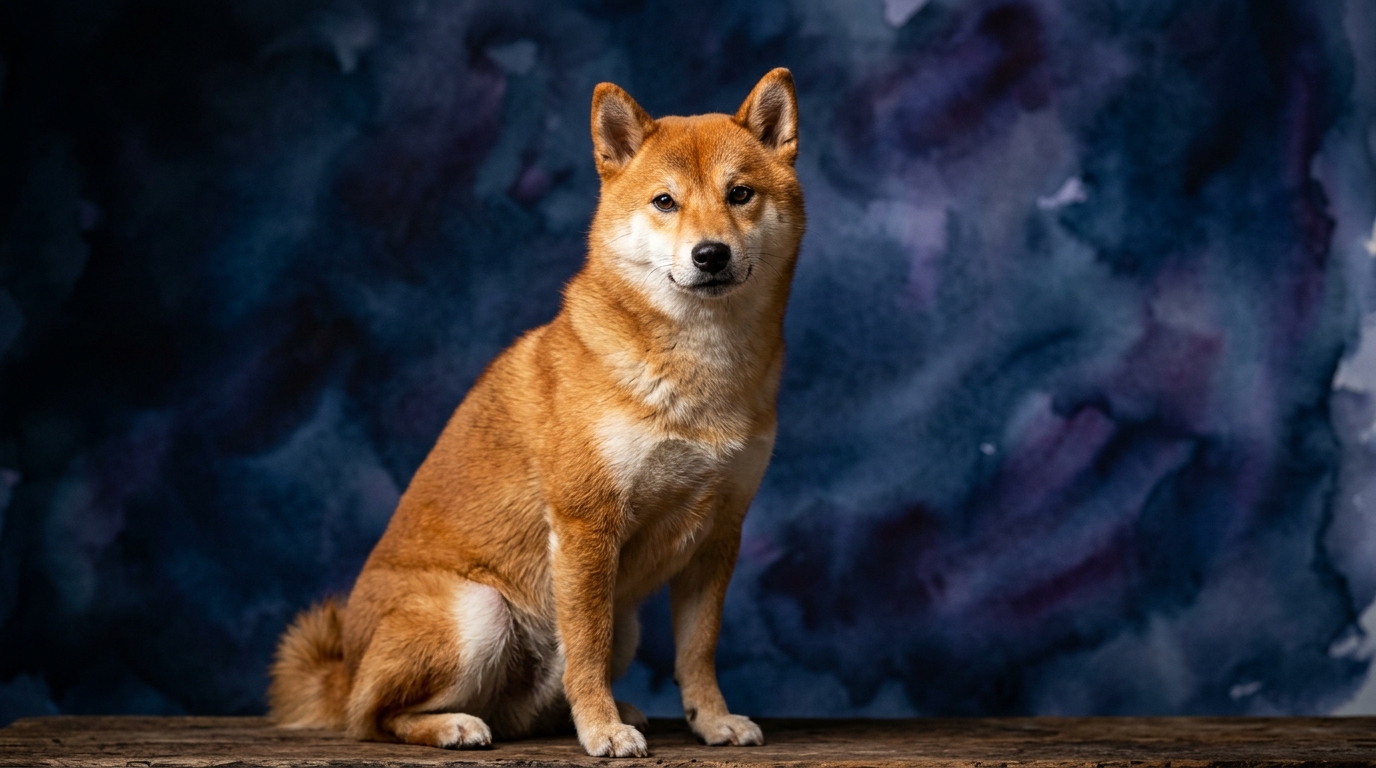
The Shiba Inu demonstrates a problem-solving aptitude rated at 4/5. This breed often exhibits a resourceful approach to challenges, preferring to figure things out independently rather than relying on handler cues. Their training speed is rated 2/5, indicating a strong will and a need for consistent, highly motivating methods; they learn at their own pace and often only if it suits them. Social intelligence for the Shiba Inu stands at 3/5; they are observant of human emotions and social cues but frequently choose to engage on their own terms, often displaying a reserved demeanor. Their instinctive drive is notably high at 5/5, encompassing a powerful prey drive, territoriality, and a strong sense of self-preservation. Finally, their memory is rated 4/5, allowing them to retain complex routines, learned experiences, and boundaries with remarkable clarity, even if they sometimes choose to 'forget' commands.
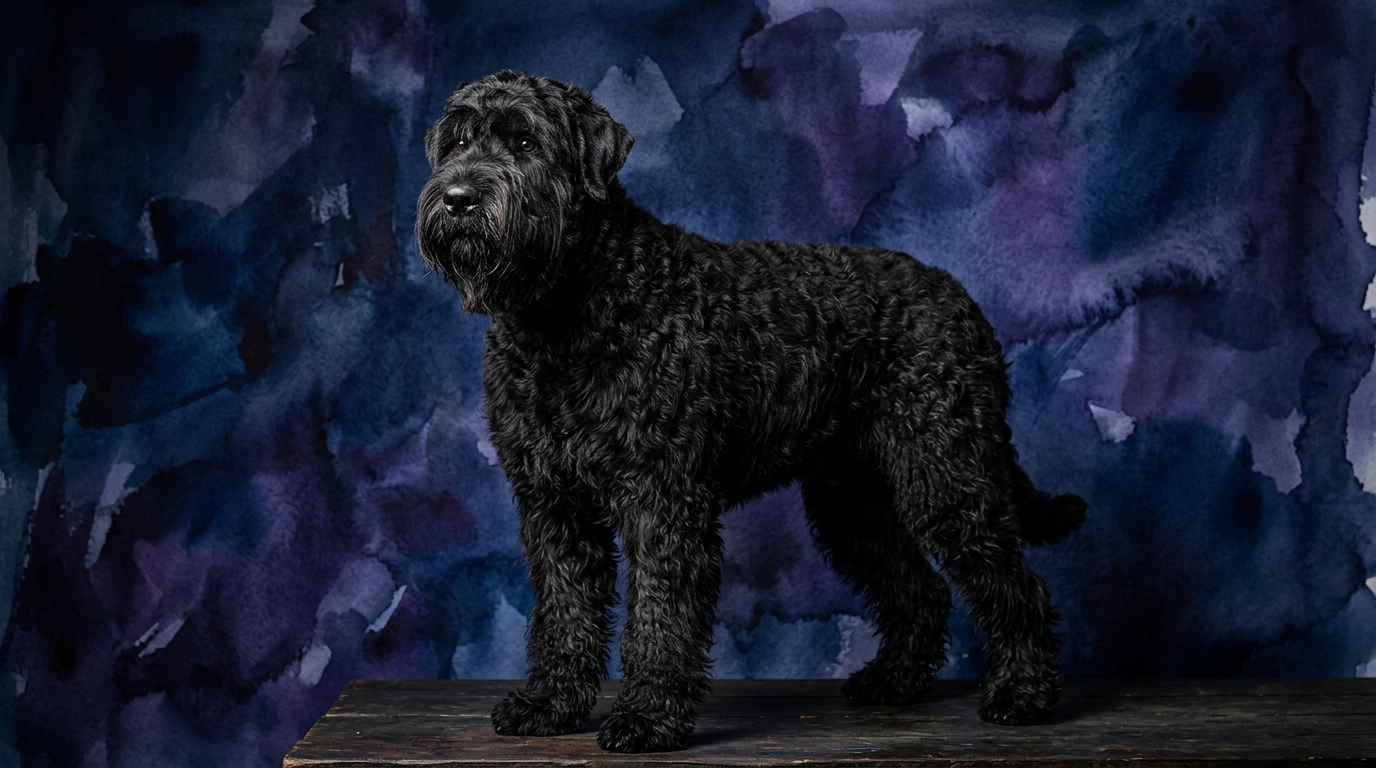
The Black Russian Terrier's problem-solving capability is rated 3/5. They are capable of learning complex tasks and executing them reliably, particularly when guided by a trusted handler, though they may not display the same independent ingenuity as a Shiba. Their training speed is 3/5, reflecting a moderate pace of learning coupled with a desire to work alongside their family, making them generally receptive to consistent instruction. With a social intelligence rating of 3/5, the Black Russian Terrier is deeply attuned to their family's dynamics and emotions, displaying loyalty and a protective instinct, while often being reserved or wary with strangers. Their instinctive drive is rated 3/5, primarily manifesting as a strong guardian instinct and a moderate prey drive, rather than the independent hunting focus seen in other breeds. Their memory is rated 3/5, allowing them to effectively recall commands, routines, and the social hierarchy within their household.
Where the Shiba Inu Excels Cognitively
The Shiba Inu truly distinguishes itself in domains requiring independent thought and primal instinct. Their 4/5 problem-solving score means they are adept at navigating complex environments, often finding creative solutions to obstacles, such as figuring out how to open gates or outsmarting puzzle toys designed for higher-rated breeds. This isn't about rote obedience, but an innate cunning and ability to analyze situations for personal gain.
Furthermore, their 5/5 instinctive drive is a powerful cognitive asset, manifesting as exceptional situational awareness, a relentless pursuit of small game, and an acute understanding of their territory. This drive isn't just physical; it’s a deep cognitive blueprint for self-preservation and resourcefulness, making them masters of their immediate environment and highly attuned to subtle changes that other breeds might miss. Their memory, rated 4/5, underpins this, allowing them to recall successful strategies and environmental nuances for future use.
Where the Black Russian Terrier Excels Cognitively
Where the Black Russian Terrier shines cognitively is in its capacity for structured learning and its focused social engagement within its trusted circle. While its problem-solving is 3/5, its strength lies in applying learned solutions to real-world scenarios, particularly in protection or working roles. Unlike the Shiba’s independent approach, the BRT's 3/5 training speed, combined with its desire for purpose, makes it a more willing participant in extended learning sequences. This allows for the development of sophisticated behaviors and reliable responses under direction.
Their social intelligence, also 3/5, is geared towards understanding and responding to their family's needs, making them highly perceptive guardians who can discern threats and adapt their protective responses. This nuanced cognitive skill is crucial for their role, allowing them to interpret subtle cues from their family and environment. Their memory, rated 3/5, is perfectly adequate for retaining complex command sequences and the social hierarchy within their household, contributing to their reliability as a working companion.
Training: A Tale of Two Approaches
When considering ease of training, the Black Russian Terrier generally presents a more straightforward path. Their 3/5 training speed reflects a greater receptiveness to instruction and a desire to collaborate with their handler, especially within the context of their protective duties. They are typically eager to please their family and thrive on consistent, clear guidance, making them more amenable to learning complex commands and adhering to established routines. Their working background means they find purpose in directed tasks.
In contrast, the Shiba Inu, with its 2/5 training speed, is often described as challenging. Their independent nature and high instinctive drive (5/5) mean they frequently evaluate whether a command serves their own interests before complying. Training a Shiba requires immense patience, creative motivation, and an understanding that their intelligence often manifests as clever resistance rather than eager obedience. They remember what you ask, but often choose if and when to perform, making consistency and high-value rewards paramount.
Matching Canine Companions to Lifestyles
For owners seeking a highly engaged lifestyle, both breeds require significant commitment, but in different ways. The Shiba Inu, despite its smaller size, is not suited for a truly relaxed owner. Its high instinctive drive and problem-solving acumen mean it needs consistent mental stimulation and outlets for its energy; otherwise, it can become bored and destructive. Owners who enjoy interactive games, puzzle toys, and secure outdoor adventures where the Shiba can explore safely will find a rewarding companion, provided they appreciate an independent spirit.
The Black Russian Terrier, a large working breed, demands an active owner who can provide rigorous physical exercise and structured mental engagement daily. Long, purposeful walks, advanced obedience training, and potentially dog sports are essential to channel their working drive and maintain their physical and mental well-being. A truly relaxed owner unprepared for this commitment would find a BRT overwhelming, as their protective instincts and power require consistent direction and a clear role within the family structure.
The Verdict
Choose the Shiba Inu if you appreciate a clever, independent canine companion with a strong personality and a knack for self-sufficiency, and are prepared to engage in patient, creative training methods.
Opt for the Black Russian Terrier if you seek a loyal, protective, and capable working dog, and are committed to providing consistent training, socialization, and ample structured activity for a powerful breed.
🧠 Find Your Pet's IQ Score
Our Pet IQ Lab assessment covers 25+ tests across 5 cognitive dimensions — personalized to your breed.
Take the Full IQ Test →Frequently Asked Questions
Are Shiba Inus good guard dogs?
While Shiba Inus possess a strong territorial instinct and will alert to strangers with barking, their independent nature means they are not typically trained guard dogs. They are more likely to observe and announce than actively engage in protection.
Do Black Russian Terriers need a lot of grooming?
Yes, Black Russian Terriers have a dense, coarse double coat that requires significant grooming to prevent matting and maintain skin health. Regular brushing several times a week, along with professional stripping or clipping every few months, is essential.
Which breed is better with children?
With proper socialization and training from a young age, both breeds can coexist with children. The Black Russian Terrier's protective nature often extends to family children, while the Shiba Inu can be more aloof and prefers respectful interactions. Close supervision is always recommended to ensure positive interactions.