A Side-by-Side Look at Cognitive Profiles
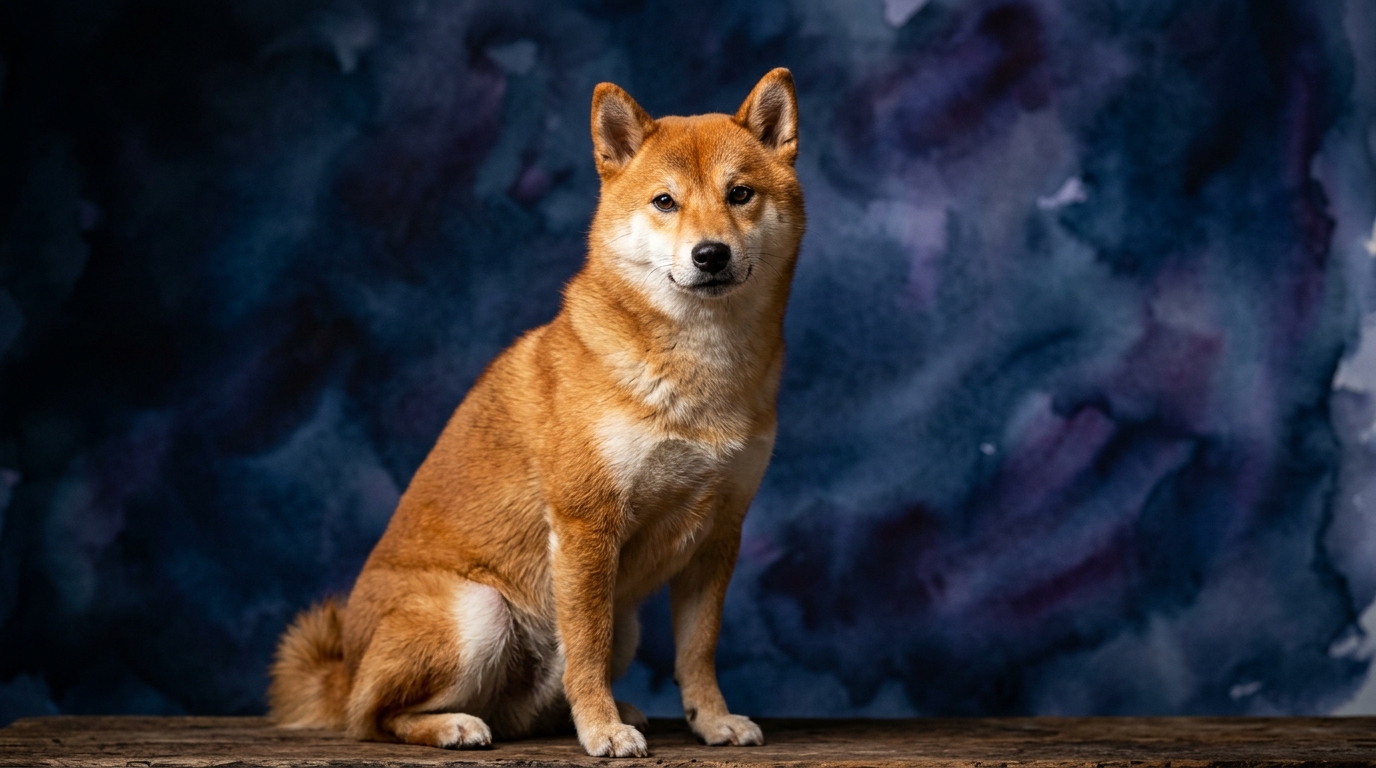
To truly understand these breeds, The Cosmic Pet Pet IQ Lab employs a five-dimensional cognitive framework. For the Shiba Inu, a Non-Sporting breed, its profile includes a Problem Solving score of 4/5, indicating a capacity for independent thought and creative solutions to environmental puzzles. Training Speed is rated at 2/5, reflecting a more deliberate and often selective approach to learning commands, frequently requiring high motivation and patience from their human companions. Their Social Intelligence stands at 3/5, suggesting a moderate ability to interpret human cues and integrate into family dynamics, though often with a preference for personal space. Instinctive Drive is a notable 5/5, highlighting strong inherent behaviors tied to their ancestral hunting and survival roles, manifesting as a keen prey drive and territorial awareness. Finally, Memory is strong at 4/5, meaning once a lesson or experience is ingrained, it tends to stick, whether it's a learned command or a negative association.
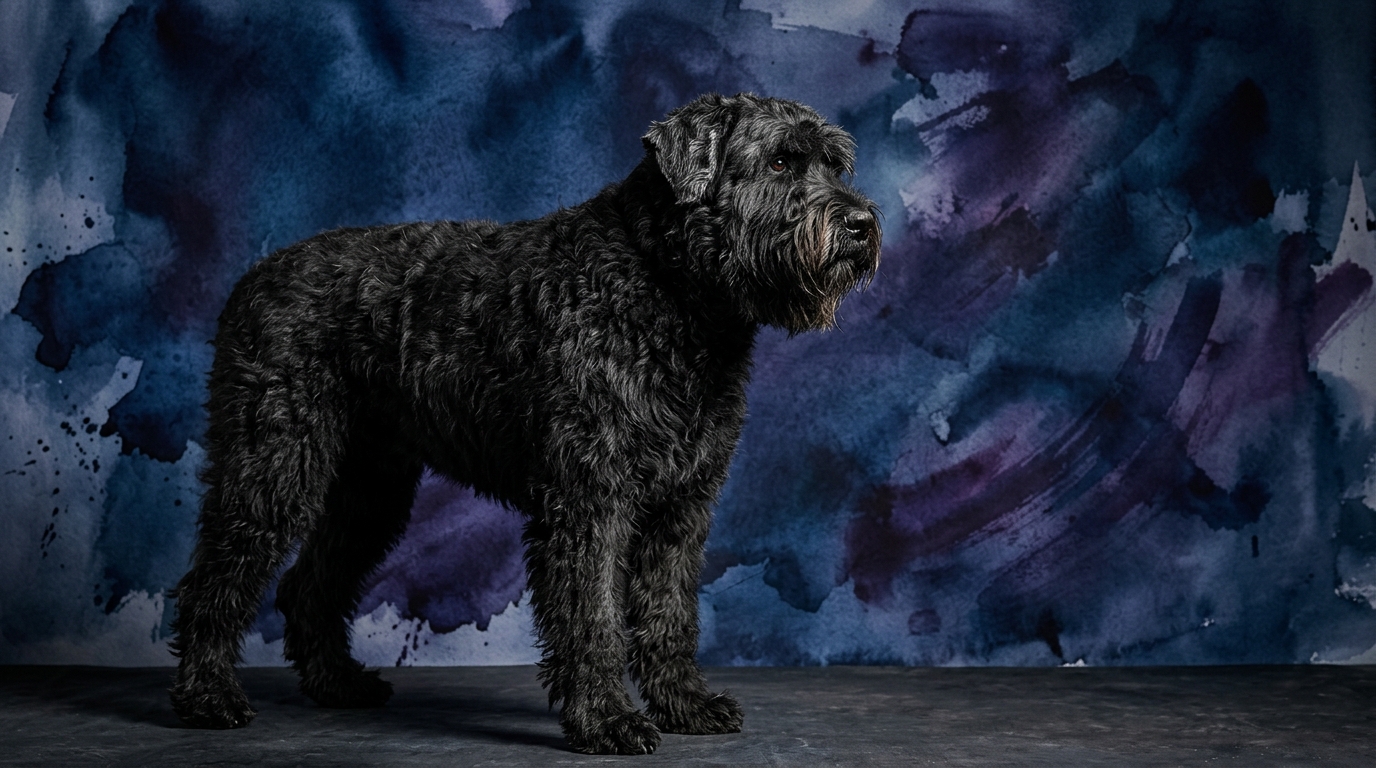
In contrast, the Bouvier des Flandres, a Herding breed, presents a different cognitive landscape. Its Problem Solving score is 3/5, indicating a solid ability to navigate complex situations, often relying on learned strategies rather than spontaneous innovation. Training Speed is rated at 3/5, signifying a steady and generally cooperative learning pace, making them receptive to consistent instruction. Their Social Intelligence also scores 3/5, suggesting a similar capacity to bond with their human family and understand social hierarchies, though often expressed with a more reserved demeanor. Instinctive Drive for the Bouvier is 3/5, a balanced score reflecting their historical role as cattle drovers and farm guardians, exhibiting protective instincts without the extreme prey drive seen in some other breeds. Memory is also 3/5, meaning they retain information adequately, but perhaps not with the same vividness or longevity as a Shiba Inu might for certain events.
Where the Shiba Inu Shines Cognitively
The Shiba Inu's cognitive strengths distinctly lie in its robust Problem Solving abilities and formidable Instinctive Drive. With a 4/5 in Problem Solving, Shibas frequently demonstrate remarkable ingenuity in navigating their environment. This isn't about following instructions; it's about figuring things out on their own, whether it's unlatching a gate, finding a hidden treat, or devising a strategy to avoid an unwanted interaction. This independent problem-solving can be a double-edged sword, as it often means they are adept at outsmarting their owners if management isn't consistent. Their 5/5 Instinctive Drive is deeply rooted in their heritage as small game hunters, manifesting as a powerful prey drive, an acute awareness of their surroundings, and a strong sense of self-preservation. This drive translates into intense focus when something captures their interest, making them incredibly persistent. Furthermore, their 4/5 Memory means that once they've learned a particular successful strategy for problem-solving or a consequence of an action, they are unlikely to forget it, whether it's a clever escape route or a preferred route on a walk. This strong recall, particularly for self-rewarding behaviors, reinforces their independence.
Where the Bouvier des Flandres Holds Its Own
While the Bouvier des Flandres may not boast the Shiba Inu's extreme scores in problem-solving or instinctive drive, its cognitive profile shines in its balanced and practical application, particularly in its Training Speed. Scoring a 3/5 in Training Speed, the Bouvier demonstrates a consistent and reliable capacity for learning, which translates into a more willing and cooperative student. Unlike the Shiba’s selective engagement, a Bouvier is generally eager to absorb commands and routines when presented with clear, consistent instruction. This steady learning curve makes them highly adaptable to various training disciplines, from obedience to protection work. Their 3/5 Instinctive Drive, while not as intense as the Shiba's, is perfectly suited for their historical working roles. It manifests as a reliable protective instinct for their family and property, coupled with a manageable herding drive, allowing them to engage in structured activities without being overwhelmed by uncontrollable urges. This balanced drive, combined with their steady memory and problem-solving, makes them excellent candidates for tasks requiring sustained focus and adherence to learned protocols, making them more predictable and less prone to independent 'scheming' compared to the Shiba.
Ease of Training: A Clear Distinction
When it comes to ease of training, the Bouvier des Flandres generally presents a more straightforward path for most owners compared to the Shiba Inu, and this difference is directly reflected in their Training Speed scores. The Bouvier's 3/5 Training Speed indicates a dog that is typically receptive to learning, eager to please its handler, and capable of processing new commands at a steady pace. Their historical role as working farm dogs fostered a natural inclination towards cooperation and understanding human directives. This means they are often more forgiving of novice trainers and tend to show consistent progress with positive reinforcement. Real behavioral differences include a higher propensity for 'checking in' with their owner and a more intrinsic desire to work alongside humans, making recall and leash training generally less challenging.
The Shiba Inu, with its 2/5 Training Speed, requires a significantly different approach. Their cognitive independence, coupled with a strong instinctive drive, means they often prioritize their own agenda over human commands. Training a Shiba is less about brute force and more about convincing them that your request is ultimately in their best interest or leads to a highly valued reward. They will learn, thanks to their 4/5 Memory, but the speed and willingness of that learning process are often dictated by their perceived value of the task. Behavioral differences include a tendency to 'selective hearing,' a strong prey drive that can override commands, and a general disinterest in repetitive drills. Owners often describe training a Shiba as a constant negotiation, where consistency, creativity, and high-value rewards are paramount to success.
Matching Breeds to Lifestyles: Active vs. Relaxed Owners
Considering their distinct cognitive profiles, the Shiba Inu and Bouvier des Flandres appeal to different owner lifestyles. The Shiba Inu, with its high Problem Solving (4/5) and intense Instinctive Drive (5/5), thrives with active owners who appreciate and can channel a dog's independent spirit and sharp wit. These are not dogs content with simply existing; they demand mental engagement and opportunities to utilize their inherent problem-solving skills. Owners who enjoy puzzle toys, scent work, agility, or trick training that challenges a dog to think for itself will find a rewarding companion in a Shiba. However, their lower Training Speed (2/5) and strong prey drive mean they are less suited for truly 'relaxed' owners who prefer minimal training effort or off-leash reliability in varied environments. They require consistent, creative engagement and secure boundaries to prevent their ingenuity from leading to unwanted adventures.
The Bouvier des Flandres, with its balanced Instinctive Drive (3/5) and steady Training Speed (3/5), is an excellent match for active owners who seek a cooperative working partner. These dogs excel in structured activities like obedience, rally, carting, or even search and rescue, where their steadfast nature and willingness to learn are highly valued. Their cognitive profile suggests a dog that enjoys having a job and responding to direction, making them suitable for owners who want to actively train and participate in canine sports. While they appreciate a good long walk or hike, they also possess a calm demeanor indoors once their physical and mental needs are met, making them adaptable to various active home environments. They are less ideal for owners seeking a purely 'relaxed' companion who requires minimal mental stimulation, as their herding heritage means they still need purpose and regular engagement to prevent boredom and potential behavioral issues, though these are typically more manageable than the independent Shiba's.
The Verdict
Choose a Shiba Inu if you are an experienced owner who appreciates an independent, clever, and often challenging canine companion, ready to engage in mental games and manage a strong innate drive. They suit owners who value intelligence demonstrated through self-reliance and creative problem-solving, rather than eager obedience.
Choose a Bouvier des Flandres if you are an active owner seeking a loyal, trainable, and cooperative working dog, eager to learn and participate in structured activities. They are ideal for those who value a steady learner and a protective companion with a balanced drive, capable of complex tasks and consistent performance.
🧠 Find Your Pet's IQ Score
Our Pet IQ Lab assessment covers 25+ tests across 5 cognitive dimensions — personalized to your breed.
Take the Full IQ Test →Frequently Asked Questions
Is the Shiba Inu truly difficult to train?
The Shiba Inu is often perceived as challenging to train due to their strong independence and selective engagement, reflected in their 2/5 Training Speed. They are capable of learning, but require highly motivating rewards, consistent and creative methods, and an understanding that they will often prioritize their own interests over commands.
What kind of mental stimulation does a Bouvier des Flandres need?
A Bouvier des Flandres thrives on mental stimulation that involves purpose and structure, leveraging their 3/5 Training Speed and balanced Instinctive Drive. This can include obedience training, puzzle toys, scent work, herding games, or even participating in canine sports like rally or carting, which satisfy their need to work and learn.
How do their social intelligence scores impact their family life?
Both breeds score 3/5 in Social Intelligence, suggesting they can integrate well into family life but with nuances. The Shiba Inu might express affection on its own terms and appreciate personal space, while the Bouvier des Flandres, though reserved, often forms deep, protective bonds with its family, showing loyalty through steadfast presence rather than effusive displays.