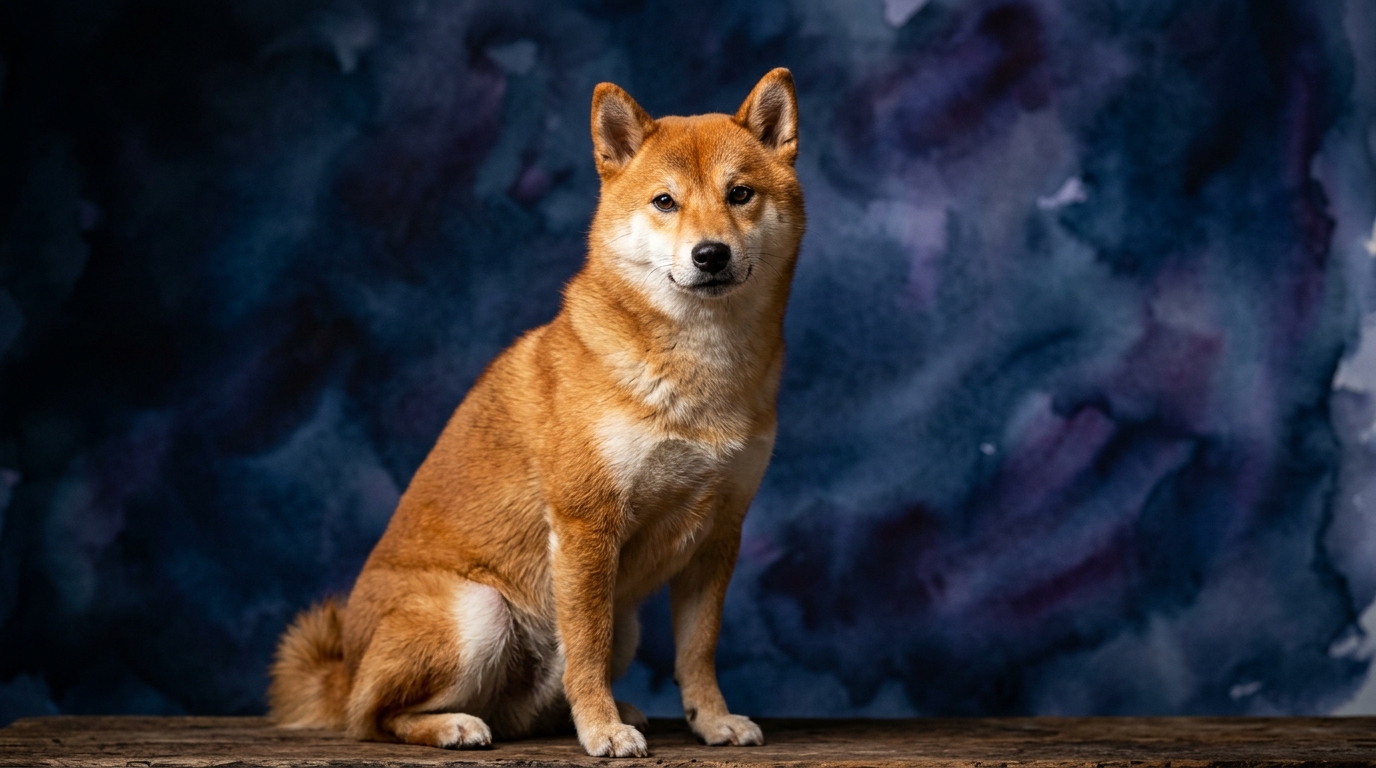
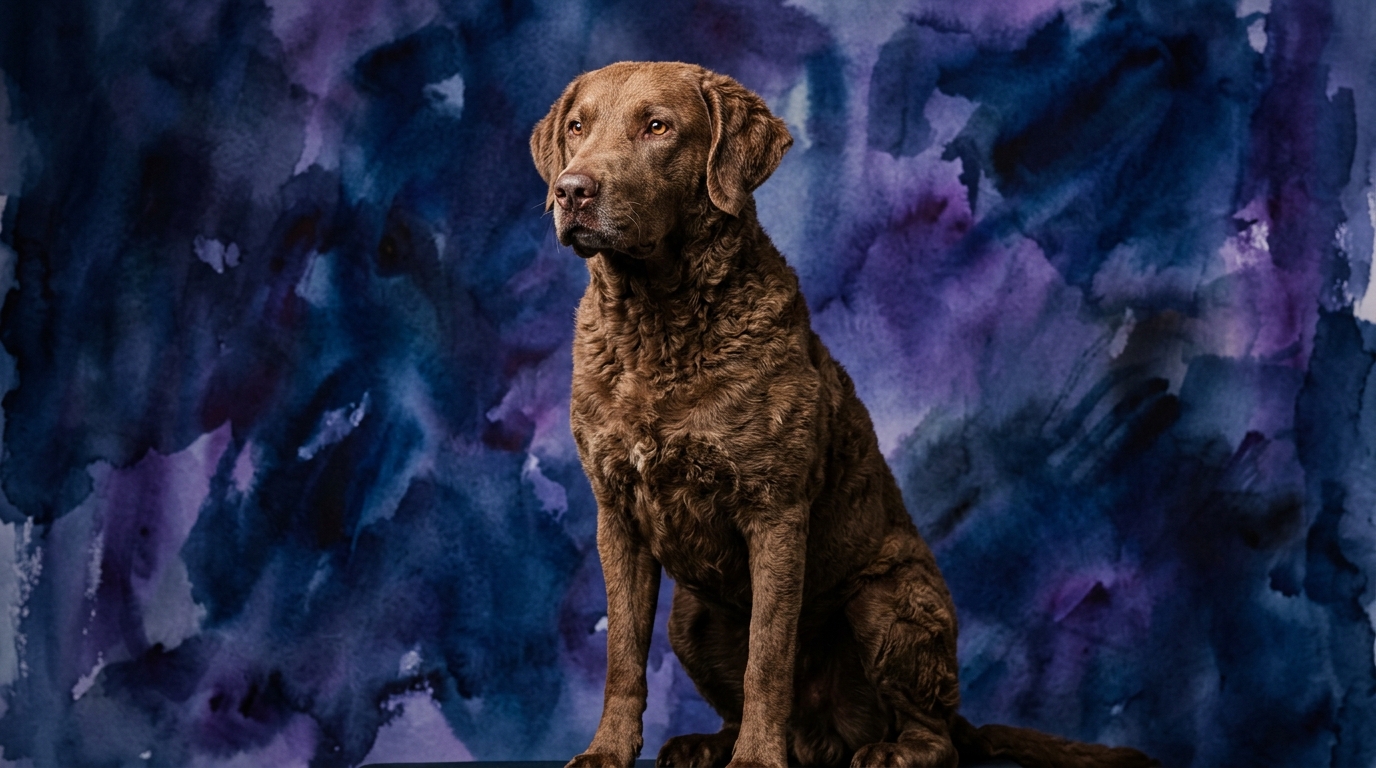
Side-by-Side IQ Profile: Shiba Inu vs. Chesapeake Bay Retriever
The Cosmic Pet Pet IQ Lab provides a detailed breakdown of cognitive strengths, highlighting how these two breeds approach the world. For the Shiba Inu, its Problem Solving is rated 4/5, indicating a strong capacity for independent thought and finding solutions, often through trial and error or by devising their own strategies rather than waiting for human direction. Their Training Speed is 2/5, reflecting an independent nature and strong will where compliance can be conditional. Social Intelligence stands at 3/5, showing they can read cues but often choose to engage on their own terms. Instinctive Drive is a profound 5/5, showcasing exceptionally strong primal instincts guiding much of their behavior, while Memory is a solid 4/5, allowing recall of past experiences and learned routes.
In contrast, the Chesapeake Bay Retriever also scores 4/5 for Problem Solving, but their approach often leans towards finding solutions within a cooperative framework, especially for retrieving tasks. Their Training Speed is a higher 4/5, indicating an eagerness to learn and please, thriving on structure and consistent reinforcement. Social Intelligence is 3/5, similar to the Shiba, capable of understanding cues but often reserved with strangers. Instinctive Drive is 3/5, still strong but channeled more towards cooperative work rather than raw, independent survival. Memory is 4/5, vital for remembering complex retrieving patterns and training sequences, supporting their high training speed. Notably, the Chesapeake Bay Retriever holds a Coren rank of #27, placing it among breeds demonstrating a high capacity for learning and obedience.
Where the Shiba Inu Wins Cognitively
The Shiba Inu's cognitive strengths primarily lie in its profound instinctive drive and self-reliant problem-solving. With an instinctive drive score of 5/5 from The Cosmic Pet Pet IQ Lab, the Shiba navigates the world with an acute awareness of its surroundings and an innate ability to act on its own behalf. This translates into a remarkable capacity for independent decision-making, often assessing situations and devising solutions without human intervention. For instance, a Shiba might independently figure out how to open a child-proof gate or locate a hidden treat using its superior sensory perception and persistent logic, rather than waiting for a handler to show it the way. Their 4/5 problem-solving score reflects this resourcefulness, allowing them to adapt quickly to environmental changes or obstacles through their own initiative. This breed excels at tasks requiring individual ingenuity and a strong sense of purpose, often driven by their own motivations rather than external commands. Their excellent memory (4/5) further enhances this, allowing them to recall successful past strategies for navigating challenges or achieving desired outcomes, reinforcing their self-sufficient nature.
Where the Chesapeake Bay Retriever Wins Cognitively
The Chesapeake Bay Retriever's cognitive prowess shines in its cooperative intelligence and rapid training acquisition. Ranked #27 by Stanley Coren for obedience and working intelligence, and scoring 4/5 for training speed by The Cosmic Pet Pet IQ Lab, the Chessie demonstrates a remarkable aptitude for learning and executing commands quickly and reliably. This breed thrives on partnership, excelling in scenarios where problem-solving (also 4/5) involves working in tandem with a human. For example, a Chessie will efficiently learn complex retrieving patterns, remember specific drop zones, or navigate challenging water obstacles to retrieve game, all under the direction of its handler. Their strong memory (4/5) underpins this, allowing them to retain intricate sequences and extensive vocabulary with ease. While their instinctive drive is rated 3/5, it's a channeled drive, focused on fulfilling a working role rather than pure self-preservation, making them highly receptive to instruction. This makes them exceptional at tasks requiring precision, consistency, and a strong desire to collaborate towards a shared goal.
Which is Easier to Train and Why
Without question, the Chesapeake Bay Retriever presents a significantly easier training experience compared to the Shiba Inu. The Chessie’s training speed score of 4/5, contrasted with the Shiba's 2/5, directly reflects this difference. Chesapeake Bay Retrievers possess an inherent biddability and a strong desire to please their owners, which are foundational to rapid learning and consistent obedience. They are typically eager to engage in training sessions, quickly grasp new concepts, and respond reliably to commands because their cognitive design leans towards cooperation. Their problem-solving abilities are often directed towards understanding and executing human requests, making them highly responsive to positive reinforcement and clear guidance.
In stark contrast, the Shiba Inu’s independent nature and high instinctive drive (5/5) mean that while they are capable of learning, their willingness to comply is often negotiable. A Shiba's problem-solving might involve figuring out how to *avoid* a command or achieve its own objective rather than yours. Their lower training speed doesn't imply a lack of intelligence, but rather a lack of motivation to consistently obey when their own desires conflict with the command. Training a Shiba requires immense patience, creativity, and a deep understanding of their independent spirit, often feeling more like a negotiation than a direct instruction. Real behavioral differences include the Chessie's natural 'soft mouth' and eagerness to retrieve versus the Shiba's tendency to ignore calls when something more interesting captures its attention, or its inclination to bolt when off-leash, showcasing its strong self-preservation and exploratory drives.
Which Suits Active Owners vs. Relaxed Owners
Both breeds require active engagement, but the *nature* of that activity differs significantly, influencing their suitability for various owners. The Chesapeake Bay Retriever is an ideal match for highly active owners who enjoy structured outdoor activities and mental challenges. Their moderate instinctive drive (3/5) is channeled into cooperative pursuits, meaning they thrive with owners who can provide consistent training, participate in dog sports like agility or dock diving, or engage in hunting and retrieving activities. They need a purpose and a job to do, and their physical stamina demands vigorous, directed exercise, such as long runs, swimming sessions, or extensive fetch games. A Chessie will not be content with a purely relaxed owner; they require an owner who actively participates in their daily mental and physical stimulation, fostering their cooperative problem-solving.
The Shiba Inu, while also active with a 5/5 instinctive drive, might suit an owner who is active but appreciates a more independent companion. Shibas need daily exercise to manage their energy and strong prey drive, but they are often content with brisk walks, secure off-leash play in fenced areas, or independent exploration. They don't necessarily crave the constant, cooperative engagement of a retriever. Their problem-solving (4/5) and memory (4/5) mean they need mental stimulation, but this can often be achieved through puzzle toys, scent work, or simply navigating their environment. A relaxed owner who can provide consistent, stimulating walks and a safe, engaging home environment, but doesn't necessarily want a dog constantly at their heels or needing a 'job,' might find a Shiba more compatible. However, 'relaxed' does not mean sedentary; it means an owner who understands and respects the Shiba's need for self-directed activity and independent thought.
The Verdict
Choose the Shiba Inu if you appreciate a clever, independent companion with a strong sense of self, capable of charming you with its unique problem-solving and self-reliance, and you are prepared for a training journey that prioritizes negotiation over strict obedience.
Opt for the Chesapeake Bay Retriever if you seek a dedicated, cooperative partner eager to learn and work alongside you, thriving on structured activity and consistent training to channel its formidable intelligence and drive.
🧠 Find Your Pet's IQ Score
Our Pet IQ Lab assessment covers 25+ tests across 5 cognitive dimensions — personalized to your breed.
Take the Full IQ Test →Frequently Asked Questions
Are Shiba Inus difficult to live with due to their independence?
Shiba Inus can be challenging for inexperienced owners due to their strong will and independent nature. Their problem-solving often involves figuring out how to get their way, and their instinctual drives are very strong, requiring consistent boundaries and early socialization to ensure a well-adjusted companion.
How much exercise does a Chesapeake Bay Retriever need daily?
Chesapeake Bay Retrievers require a significant amount of vigorous daily exercise, typically 60-90 minutes of high-intensity activity like running, swimming, or retrieving. They also benefit greatly from mental stimulation through training and dog sports to satisfy their cooperative intelligence.
Do either of these breeds get along well with other pets or children?
Shiba Inus, with their moderate social intelligence and strong prey drive, often require careful supervision with other pets and can be aloof with children. Chesapeake Bay Retrievers, while generally good with their family, can be reserved with strangers and other dogs, and early socialization is key for harmonious multi-pet or child households.