Side-by-Side IQ Profile: Unpacking Canine Cognition
The Cosmic Pet Pet IQ Lab evaluates canine intelligence across five key dimensions, offering a granular view into each breed’s mental strengths and tendencies. Understanding these profiles is crucial for appreciating how each dog perceives and interacts with the world.
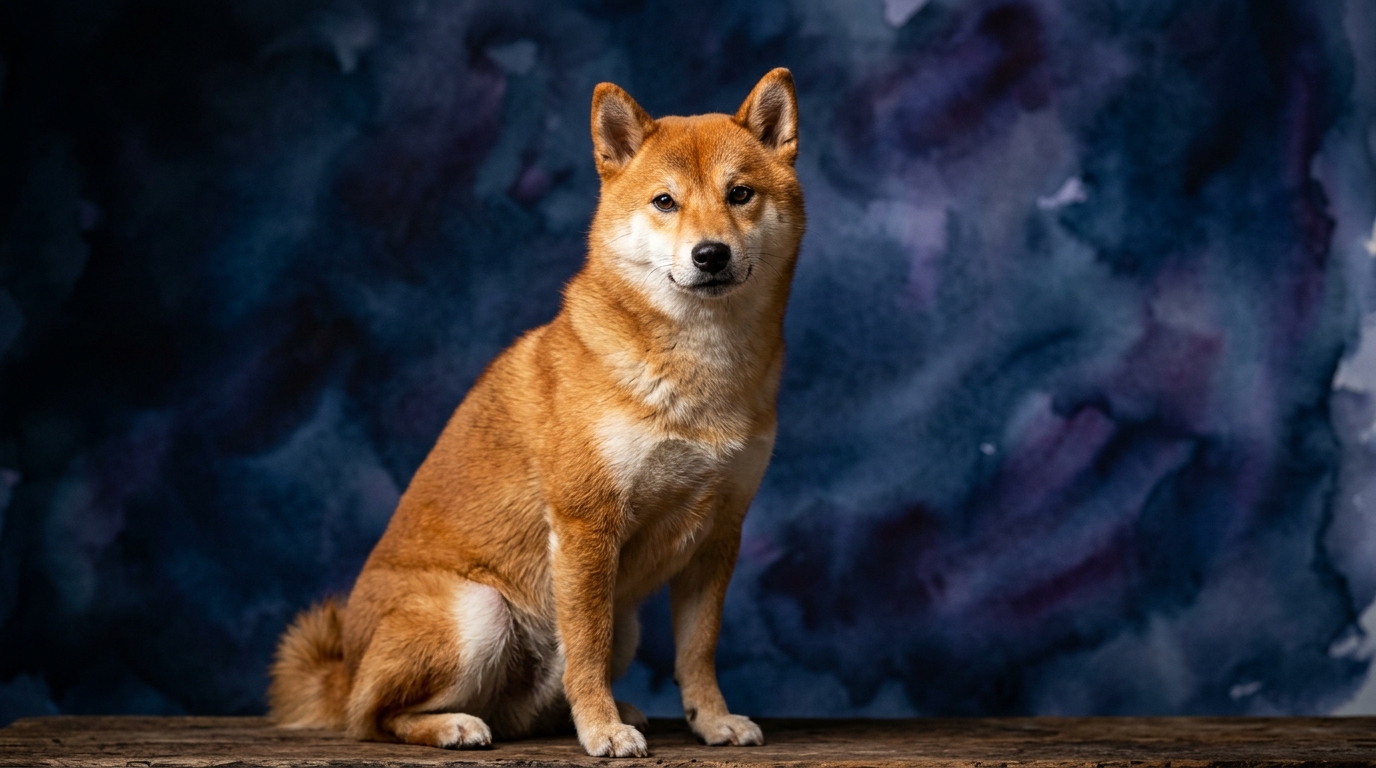
For the Shiba Inu, our analysis reveals a Problem Solving score of 4/5, indicating a keen ability to figure things out independently and often displaying cleverness in navigating challenges or achieving desired outcomes. Their Training Speed is 2/5, suggesting that patience and consistent, engaging methods are essential, as their independent streak can make rapid acquisition of commands less straightforward. Social Intelligence stands at 3/5, meaning they are capable of forming strong bonds and understanding social cues within their trusted circle, though often reserved with strangers. A robust Instinctive Drive of 5/5 highlights their profound awareness of their environment and strong primal instincts, guiding many of their natural behaviors. Finally, their Memory at 4/5 demonstrates excellent recall for experiences, routines, and learned associations, both positive and negative, shaping future responses.
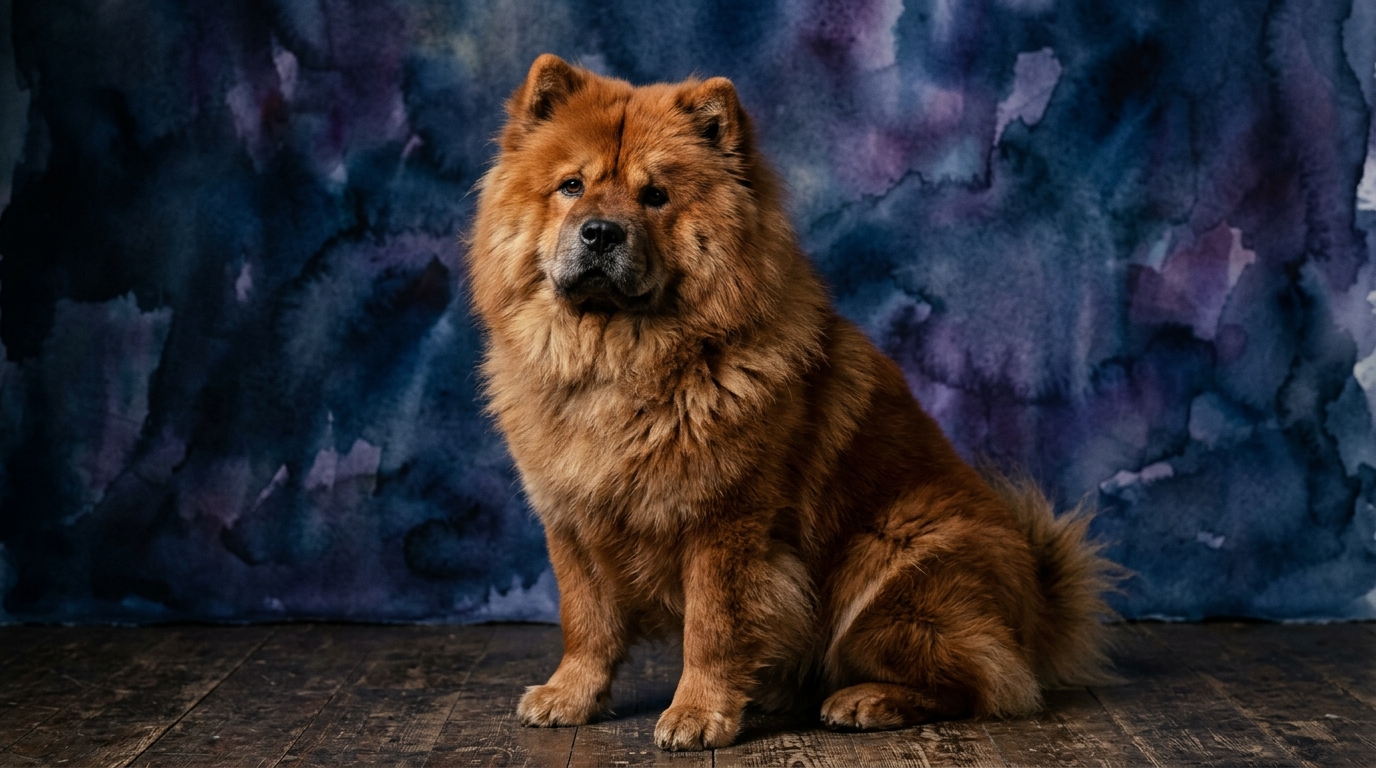
In contrast, the Chow Chow presents a different cognitive blueprint. Their Problem Solving score of 3/5 indicates they approach new situations with a moderate, steady capacity for independent thought, often preferring methodical solutions over impulsive ones. Their Training Speed also scores 3/5, showing a reasonable aptitude for learning commands and responding best to clear, consistent instruction without excessive repetition. Social Intelligence, like the Shiba, is 3/5; they form deep connections with family members and exhibit a dignified understanding of social dynamics, typically aloof with outsiders. An Instinctive Drive of 3/5 suggests a moderate level of inherent drives, including protective instincts and a measured awareness of their surroundings, less overtly driven than some breeds. Their Memory, at 3/5, means they retain information and routines reliably, forming stable associations over time and contributing to their predictable nature.
Where the Shiba Inu Shines Cognitively
The Shiba Inu clearly shines in areas requiring independent thought and primal awareness, setting them apart with a distinct cognitive edge. Their Problem Solving score of 4/5 indicates a dog that can strategize and innovate, often finding creative ways to achieve their goals, whether it's figuring out how to open a cabinet or outsmarting a complex puzzle toy. This cognitive strength, combined with an exceptional Instinctive Drive of 5/5, means Shibas are acutely aware of their environment, driven by strong predatory instincts, and possess a deep understanding of natural cues. They are natural explorers and highly attuned to their surroundings, always processing and reacting to subtle changes. This combination makes them incredibly resourceful and self-reliant, capable of navigating complex situations with an innate cleverness, contrasting sharply with breeds that rely more on constant human direction. Their 4/5 Memory further solidifies these wins, allowing them to learn and adapt from their independent problem-solving experiences, both successes and failures, with lasting recall, making them formidable in their self-directed endeavors.
Where the Chow Chow Excels Cognitively
While the Shiba Inu excels in independent problem-solving, the Chow Chow demonstrates a distinct cognitive advantage in practical trainability and a measured, predictable approach. Their Training Speed score of 3/5 directly outperforms the Shiba Inu’s 2/5, indicating that Chow Chows, despite their dignified and sometimes aloof reputation, are generally more receptive to formal training and consistent instruction. This makes the learning process potentially smoother and more consistent for dedicated owners. Furthermore, the Chow Chow holds a Coren rank of #76, which, while not at the top, signifies a measurable baseline of working and obedience intelligence within a standardized framework. The Shiba Inu, being 'Not Coren-ranked,' suggests their type of intelligence doesn't align as readily with the obedience-focused metrics of that scale, highlighting a difference in how their cognitive abilities are expressed in a training context. The Chow Chow's balanced cognitive profile, with consistent 3/5 scores across Training Speed, Social Intelligence, Instinctive Drive, and Memory, suggests a reliable and predictable mental framework. This consistency provides a steady foundation for learning and interaction, offering a different kind of cognitive strength compared to the Shiba’s more extreme, independent profile, appealing to owners who value a steady, dependable canine mind.
Training Dynamics: Shiba Inu vs. Chow Chow
Based on their Cosmic Pet Pet IQ Lab profiles, the Chow Chow is generally easier to train than the Shiba Inu, though both require a thoughtful approach. The Chow Chow scores a 3/5 in Training Speed, indicating a moderate receptiveness to learning commands and a tendency to thrive on clear, consistent communication. Their cognitive makeup suggests they are capable of steady progress when guided by a patient and firm hand, often responding well to routines and a structured environment. Their dignified nature means they are not typically eager to please in a boisterous way, but they are capable of understanding and complying with expectations when the rationale is consistent and fair. This translates to a training experience that, while not always rapid, is often predictable and rewarding for an owner who values a steady pace.
In contrast, the Shiba Inu scores a 2/5 in Training Speed, reflecting a more independent and often willful nature. This breed's high Problem Solving (4/5) and Instinctive Drive (5/5) mean they are often busy figuring things out for themselves rather than waiting for human instruction. A Shiba’s mind is constantly analyzing and making decisions based on their own internal logic and strong drives, which can manifest as a perceived reluctance to comply with human commands. While capable of learning, a Shiba's strong self-reliance and tendency to assess 'what's in it for me' can make them less inclined to comply readily, requiring more creative motivation, high-value rewards, and a deeper understanding of their unique behavioral quirks. Therefore, an owner seeking a more straightforward training experience might find the Chow Chow's cognitive approach more accommodating, while a Shiba owner must embrace the challenge of engaging a truly independent thinker.
Matching Cognition to Lifestyle: Active vs. Relaxed Owners
The choice between these two breeds largely depends on an owner's lifestyle and their preferred level of engagement with their canine companion. The Shiba Inu, with its robust Instinctive Drive (5/5) and high Problem Solving (4/5), thrives with active owners who enjoy engaging their dog's mind and body. They are keen explorers, often driven by a strong prey instinct, and benefit immensely from varied activities, puzzle toys, and opportunities to expend their considerable mental and physical energy. A Shiba needs an owner who can anticipate and direct their independent cleverness into constructive outlets, transforming potential mischief into engaging challenges. Their cognitive makeup demands an owner who is not just physically active, but also mentally stimulating, providing consistent novelty and opportunities for their dog to think and explore.
Conversely, the Chow Chow, with its more balanced Instinctive Drive (3/5) and moderate Problem Solving (3/5), aligns well with more relaxed owners. While they still require regular exercise and mental stimulation, their dignified and often aloof demeanor means they are content with a steady routine and do not demand constant, high-octane engagement. They appreciate a calm household and a predictable environment, often preferring to observe rather than actively participate in every activity. They are not typically a breed that will relentlessly demand attention or invent complex games. This makes them suitable for individuals or families who prefer a less overtly demanding canine companion, provided their social intelligence and training needs are met with consistency and respect for their independent, yet steady, temperament. Their cognitive profile suggests a dog that is self-contained and appreciates a peaceful existence, making them a good fit for a serene home.
The Verdict
Opt for a Shiba Inu if you are an experienced, active owner who appreciates a clever, independent companion with a strong will and a knack for problem-solving, ready to invest in consistent, creative training methods.
Select a Chow Chow if you are a calm, consistent owner seeking a dignified, loyal companion who values predictability and a steady pace, willing to engage in patient, firm training and respect their inherent reserve.
🧠 Find Your Pet's IQ Score
Our Pet IQ Lab assessment covers 25+ tests across 5 cognitive dimensions — personalized to your breed.
Take the Full IQ Test →Frequently Asked Questions
Is the Shiba Inu truly 'stubborn' or just independent?
The Shiba Inu's perceived stubbornness often stems from their high problem-solving abilities and strong instinctive drive. They aren't defying you out of malice; they're simply choosing to prioritize their own clever solutions or follow their natural instincts, which requires an owner to understand and redirect effectively with engaging, high-value motivation.
How does the Chow Chow's Coren ranking impact its intelligence perception?
The Chow Chow's Coren rank of #76 places them in the category of fair working/obedience intelligence, meaning they generally require more repetitions to learn new commands and are less consistent in obeying them than higher-ranked breeds. This ranking doesn't imply a lack of intelligence, but rather a specific learning style and a preference for independent thought over eager, rapid compliance in obedience tasks.
Do both breeds require extensive socialization despite their reserved nature?
Yes, both breeds benefit significantly from early and ongoing socialization, even with their naturally reserved tendencies. For the Shiba Inu, it helps temper their strong instincts and fosters appropriate interactions with various people and environments. For the Chow Chow, it supports their social intelligence, helping them develop into well-adjusted, confident adults who can navigate diverse situations with their family, rather than becoming overly wary or reactive.