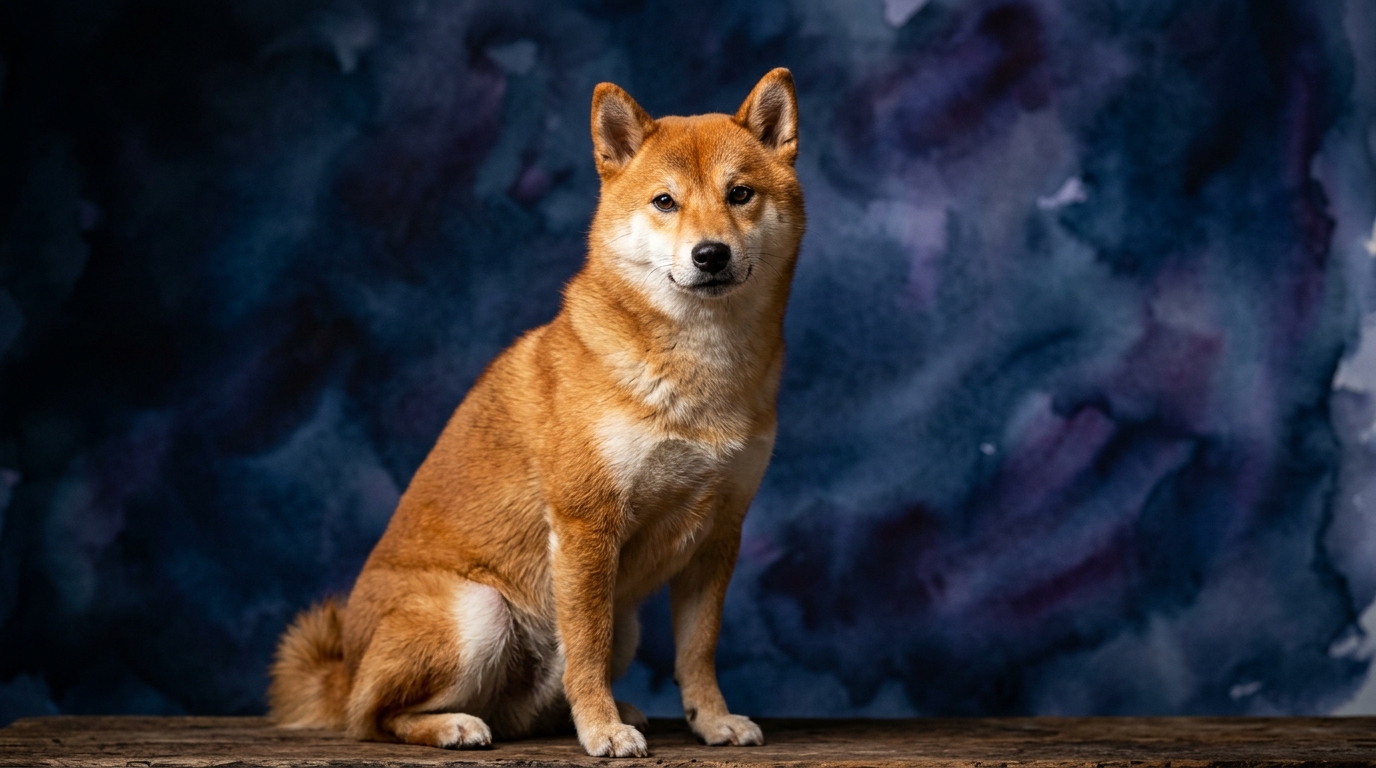
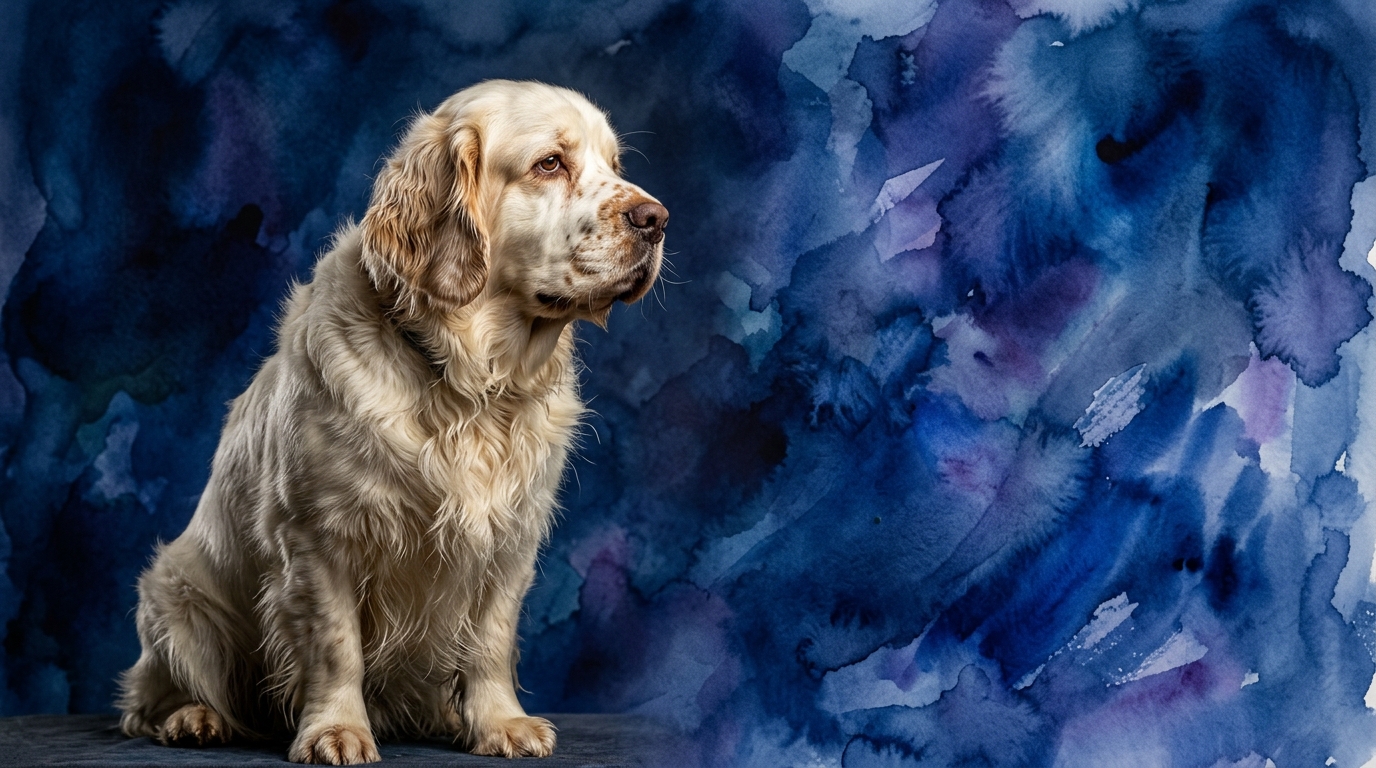
Side-by-Side IQ Profile: Shiba Inu vs. Clumber Spaniel
At The Cosmic Pet Pet IQ Lab, we assess canine intelligence across five key dimensions, providing a nuanced understanding of each breed's cognitive strengths. Let's examine how the Shiba Inu and Clumber Spaniel measure up.
The Shiba Inu, a non-sporting breed, demonstrates a Problem Solving score of 4/5, indicating a strong capacity for independent thought and clever solutions to obstacles. Its Training Speed is rated at 2/5, reflecting a need for more repetition and motivation due to its independent nature. Social Intelligence stands at 3/5, suggesting a moderate understanding of human cues within its established circle, though often reserved with strangers. With an Instinctive Drive of 5/5, the Shiba's ancient hunting heritage is profoundly evident, manifesting as keen senses and a strong prey drive. Finally, its Memory is a robust 4/5, allowing for accurate recall of routines and experiences.
In contrast, the Clumber Spaniel, a sporting breed ranked #55 by Coren, presents a more balanced cognitive profile. Its Problem Solving score is 3/5, signifying practical intelligence, particularly in tasks related to its gundog role. Training Speed is 3/5, indicating a moderate pace of learning and responsiveness to consistent instruction. Social Intelligence is also 3/5, highlighting an affable nature and attunement to human companionship. The Clumber's Instinctive Drive is 3/5, focused on cooperative scent work rather than independent hunting. Its Memory is rated at 3/5, sufficient for retaining a reliable repertoire of commands and routines, making it a consistent companion.
Where the Shiba Inu Shines Cognitively
The Shiba Inu clearly excels in areas demanding independent thought and inherent capability, particularly problem-solving and instinctive drive. Their 4/5 problem-solving score means they are often adept at figuring things out on their own, whether it's manipulating latches, outsmarting barriers, or devising strategies to get what they want. This manifests as a cleverness that can be both admirable and challenging, as they might apply their cognitive skills to unintended “problems” like escaping a yard or opening the treat cupboard. Furthermore, their 5/5 instinctive drive is unmatched in this comparison, reflecting a profound connection to their ancient hunting roots. This powerful drive fuels their acute awareness of their surroundings, their sharp senses, and their unwavering determination when pursuing an objective, making them incredibly self-reliant and resilient. Their 4/5 memory also supports their ability to retain complex spatial information and learned patterns, which, combined with their problem-solving, allows them to navigate intricate environments or remember specific routes and routines with precision.
Where the Clumber Spaniel Holds a Cognitive Edge
While the Shiba Inu shines in independent thought, the Clumber Spaniel demonstrates its cognitive strengths in areas of cooperation and practical application, particularly in its training speed relative to the Shiba. With a Coren ranking of #55, the Clumber's intelligence is geared towards understanding and executing human directives effectively, making them more receptive to instruction. Their balanced 3/5 scores across most cognitive dimensions, especially in training speed, indicate a dog that is generally eager to please and more biddable than the independent Shiba. This translates to a smoother learning curve for obedience and task-oriented training. Their social intelligence, also 3/5, combined with their cooperative nature, means they are often more inclined to work alongside their human companions, readily picking up on social cues and responding to encouragement. The Clumber's cognitive profile emphasizes a steady, reliable intelligence that thrives on partnership rather than autonomous action, making them consistent and predictable learners in a structured environment.
Trainability: A Tale of Two Temperaments
The Clumber Spaniel is generally easier to train than the Shiba Inu, a difference rooted deeply in their behavioral dispositions. The Clumber's working intelligence and Coren ranking of #55 place it squarely in the “average working/obedience intelligence” category, meaning they understand new commands with 25-40 repetitions and obey the first command 50% of the time or better. Their inherent desire to please their handler, a hallmark of many sporting breeds, provides a strong motivational foundation. They are less likely to question commands and more inclined to cooperate, making training sessions productive and rewarding. In contrast, the Shiba Inu's training speed is rated at 2/5, reflecting their independent and often stubborn nature. Shibas learn quickly, but they often choose whether or not to obey based on their own assessment of the situation or their current interest. Their strong instinctive drive and problem-solving skills mean they might find more interesting things to do than follow a command, requiring a trainer to be exceptionally consistent, patient, and creative in maintaining their engagement. Real behavioral differences include the Shiba's tendency to “selective hearing” or even outright defiance when bored, versus the Clumber's more consistent focus and willingness to engage in repetitive tasks for a reward or praise.
Matching Breeds to Lifestyles: Active vs. Relaxed Owners
For truly active owners seeking a canine partner for demanding activities, neither breed is a high-octane choice, but their suitability differs subtly. The Shiba Inu, despite its moderate size, possesses a high instinctive drive (5/5) and requires consistent mental and physical engagement to prevent boredom, which can lead to destructive behaviors. Owners who enjoy varied, stimulating activities like advanced trick training, scent work, or exploring new environments might find a Shiba rewarding, provided they can manage the breed's independent streak and strong prey drive with secure leashes or fenced areas. They are active in their minds and need outlets for their problem-solving and hunting instincts.
For more relaxed owners, the Clumber Spaniel is often a better fit. While they do enjoy moderate daily exercise, such as a leisurely walk or a session of fetch in the yard, their energy levels are generally lower and more manageable than many other sporting breeds. Their 3/5 instinctive drive is geared towards cooperative activities rather than constant independent exploration, making them content with companionship and a predictable routine. They are known for their gentle, laid-back demeanor indoors, often happy to lounge by their owner's side. The Clumber's biddability and lower overall intensity make them less demanding in terms of constant activity and mental stimulation, aligning well with a calmer household seeking a devoted, amiable companion.
The Verdict
Opt for a Shiba Inu if you appreciate a clever, independent companion who thrives on mental challenges and you are prepared for consistent, patient training to navigate their strong will.
Select a Clumber Spaniel if you desire a gentle, cooperative dog that enjoys moderate activity and companionship, and you value a more biddable nature in a canine partner.
🧠 Find Your Pet's IQ Score
Our Pet IQ Lab assessment covers 25+ tests across 5 cognitive dimensions — personalized to your breed.
Take the Full IQ Test →Frequently Asked Questions
Do Shiba Inus understand human emotions well?
Shiba Inus have a moderate social intelligence (3/5), meaning they can understand human cues and emotions within their familiar family circle. They are attuned to their owners but might not express it with the overt effusiveness of some other breeds, often showing affection in more subtle ways.
Are Clumber Spaniels good at learning complex tricks?
Clumber Spaniels have a practical problem-solving ability (3/5) and a moderate training speed (3/5), making them capable of learning complex tricks with consistent positive reinforcement. While they may not pick them up as quickly as some top-ranked breeds, their biddable nature means they are generally willing and able to learn a wide repertoire.
Which breed is more prone to destructive behavior if not stimulated?
The Shiba Inu, with its high problem-solving (4/5) and instinctive drive (5/5) coupled with a lower training speed (2/5), is generally more prone to destructive behavior if not adequately stimulated mentally and physically. Their cleverness and independence mean they will find their own “jobs” if not provided with appropriate outlets, which can sometimes involve chewing, escaping, or other undesired actions.