A Cognitive Blueprint: Shiba Inu vs. Curly-Coated Retriever
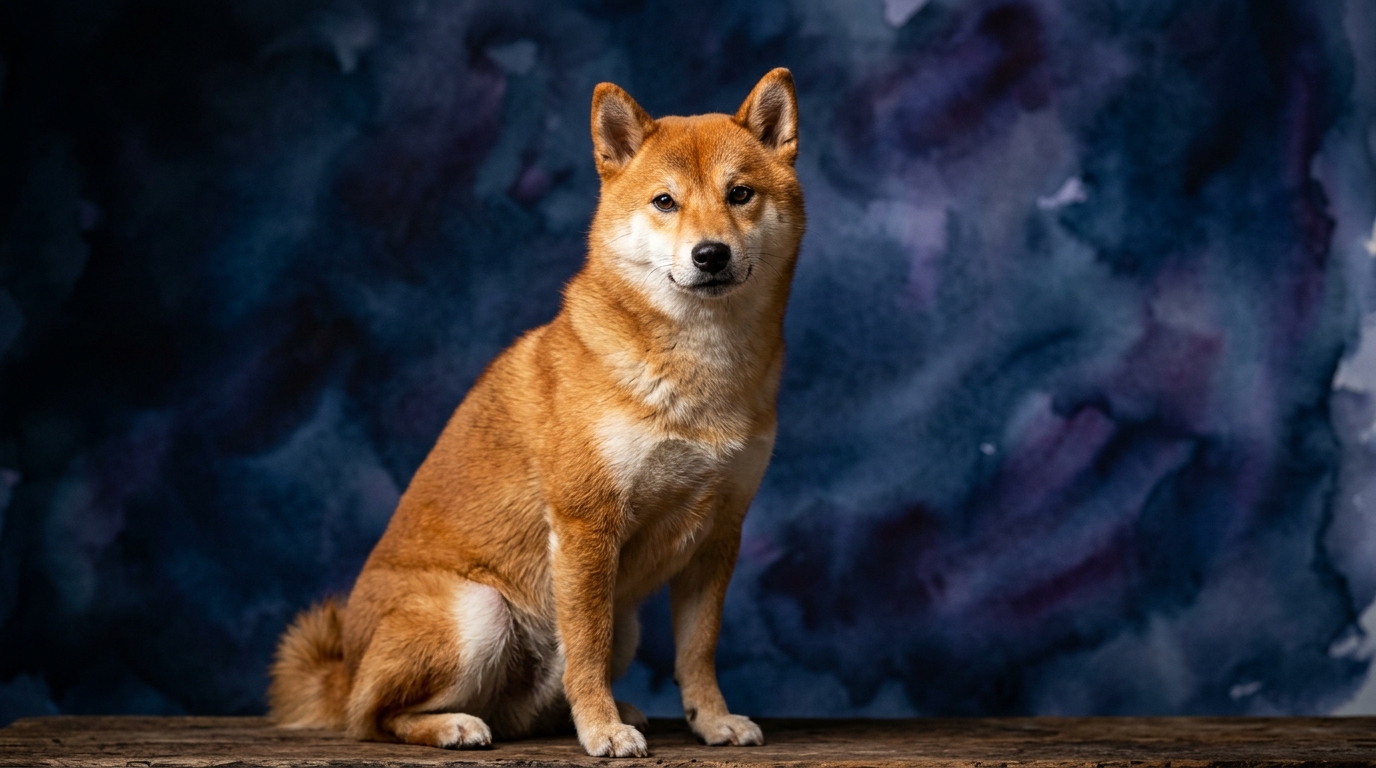
The Cosmic Pet Pet IQ Lab employs a multi-faceted approach to assess canine intelligence, moving beyond simple obedience to evaluate five distinct cognitive dimensions. For the Shiba Inu, a breed with a history spanning millennia as a Japanese hunting companion, this analysis paints a picture of sharp, independent thought. Its problem-solving capacity scores a robust 4 out of 5, indicating a dog capable of devising creative solutions to challenges, often relying on its own judgment rather than seeking human direction. However, its training speed is rated 2 out of 5, suggesting a more deliberate and sometimes stubborn learning curve. Social intelligence stands at 3 out of 5, reflecting an ability to understand social cues but often within its own terms. The Shiba's instinctive drive is notably high at 5 out of 5, underscoring its potent prey drive and self-preservation instincts, while memory is strong at 4 out of 5, enabling it to retain complex information over time.
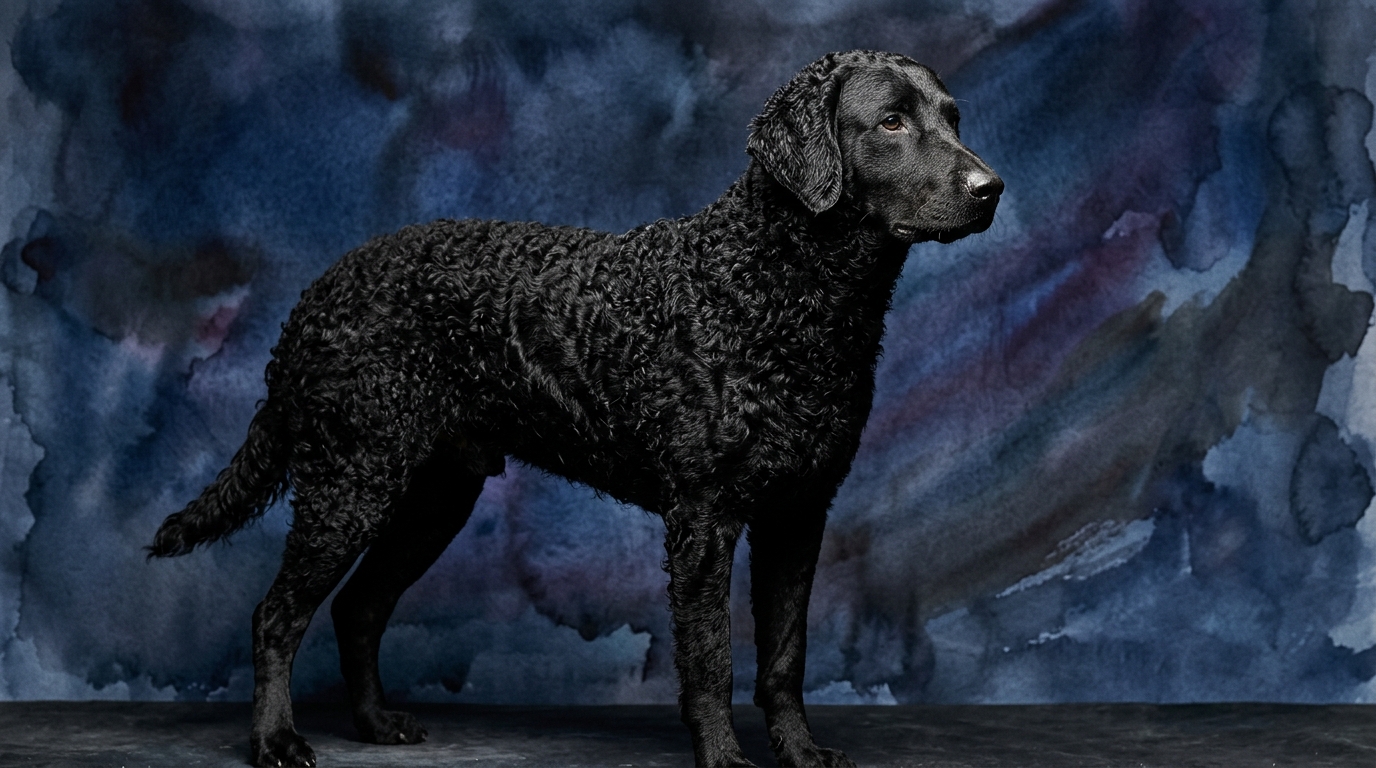
In contrast, the Curly-Coated Retriever, a breed developed in 19th-century England for waterfowl retrieval, exhibits a different cognitive emphasis, shaped by its role as a cooperative working partner. Its problem-solving ability is rated 3 out of 5, indicating competence in navigating tasks but perhaps with less independent innovation than the Shiba. The Curly's training speed receives a 3 out of 5, suggesting a more receptive and generally quicker grasp of new commands and routines compared to the Shiba. Social intelligence matches the Shiba at 3 out of 5, implying a similar capacity for understanding human and canine social dynamics. Its instinctive drive is a moderate 3 out of 5, reflecting a balanced drive for retrieving without the intense, independent hunting focus of the Shiba. Memory for the Curly-Coated Retriever is also strong at 4 out of 5, allowing it to excel in remembering complex sequences and retrieving locations.
The Shiba Inu's Cognitive Strengths
The Shiba Inu truly distinguishes itself in two key cognitive areas: problem-solving and instinctive drive. With a problem-solving score of 4 out of 5, the Shiba frequently demonstrates an impressive capacity for independent thought and strategic action. This isn't about following instructions flawlessly; it's about assessing a situation and formulating a solution, often leveraging its environment or past experiences. For instance, a Shiba might ingeniously manipulate a gate latch or discover an unconventional route to a desired object, actions that showcase its innate cleverness and self-reliance. This cognitive strength, rooted in its ancient role as a hunter of small game in challenging terrain, meant survival often depended on its individual ingenuity rather than strict adherence to human commands.
Furthermore, the Shiba Inu's instinctive drive, rated a perfect 5 out of 5, is a dominant force in its cognitive makeup. This manifests as a powerful prey drive, an acute awareness of its surroundings, and a strong sense of self-preservation. While the Curly-Coated Retriever possesses retrieving instincts, the Shiba's drive is more about independent pursuit and territorial awareness. This high instinctive drive fuels its vigilance and makes it an adept observer, always attuned to subtle changes in its environment. This intense internal motivation, while sometimes challenging for owners, also means the Shiba is often self-motivated to explore, hunt, and interact with the world on its own terms, showcasing a distinct form of cognitive engagement focused on autonomy and environmental mastery.
The Curly-Coated Retriever's Cognitive Edge
While the Shiba Inu excels in independent problem-solving, the Curly-Coated Retriever shines in areas that underscore its role as a cooperative working companion. Its primary cognitive advantage lies in its training speed, scoring 3 out of 5 compared to the Shiba's 2 out of 5. This difference reflects the Curly's inherent biddability and eagerness to engage in structured learning with its human handler. Developed specifically to work alongside hunters, the Curly-Coated Retriever processes commands and new routines more readily, demonstrating a stronger inclination to understand and comply. This isn't merely about obedience; it's about a cognitive predisposition towards collaborative learning, making it generally more amenable to complex training regimens and varied tasks that require consistent human-dog teamwork.
Beyond training speed, the Curly-Coated Retriever's overall cognitive profile, particularly its balanced instinctive drive (3/5) and equally strong memory (4/5 as with the Shiba), makes it exceptionally adaptable to diverse human-centric activities. While its problem-solving might be rated slightly lower than the Shiba's, its approach is often more focused on achieving a shared goal with its owner, rather than devising a solitary solution. This translates into a dog that, while capable of independent thought, is more inclined to apply its cognitive abilities within a framework of partnership. Its memory, combined with its willingness to train, allows it to master intricate retrieving patterns and recall a wide array of commands, making it a reliable and versatile partner for activities ranging from advanced obedience to field trials.
Training Dynamics: Shiba Inu vs. Curly-Coated Retriever
When it comes to ease of training, the Curly-Coated Retriever holds a distinct advantage over the Shiba Inu, a difference largely attributable to their divergent historical roles and corresponding cognitive wiring. The Curly-Coated Retriever's training speed, rated 3 out of 5, reflects its heritage as a gundog bred to work in close partnership with humans. This breed typically exhibits a strong desire to please and a natural inclination to follow direction, making it more receptive to learning new commands and behaviors. They often thrive on positive reinforcement and consistent guidance, quickly understanding what is expected of them and performing tasks reliably. Their cognitive framework is geared towards cooperation, making the training process a more fluid and rewarding experience for both dog and owner.
In stark contrast, the Shiba Inu's training speed is rated 2 out of 5, indicating a more challenging and often prolonged training journey. The Shiba's profound independence and high problem-solving capacity, while impressive, can translate into a perception of stubbornness during training. They are not inherently driven to please humans in the same way a retriever is; instead, they often weigh the perceived value of a command against their own desires. This means training a Shiba requires immense patience, creativity, and a deep understanding of their unique motivations. They respond best to positive, engaging methods that make training feel like a game or a challenge, rather than a demand. Real behavioral differences include the Shiba's tendency to 'selective hearing' when something more interesting captures their attention, compared to the Curly's generally more focused engagement during training sessions.
Lifestyle Fit: Matching Dog to Owner Activity Levels
Considering their cognitive profiles, the choice between a Shiba Inu and a Curly-Coated Retriever largely depends on an owner's lifestyle and their willingness to engage with their dog's specific needs. For active owners seeking an independent, mentally stimulating companion, the Shiba Inu presents an intriguing challenge. Its high instinctive drive (5/5) means it requires substantial mental and physical engagement, often in the form of secure off-leash areas for exploration, puzzle toys, and consistent training that taps into its problem-solving skills (4/5). A Shiba thrives with owners who appreciate its independent nature and are prepared to manage its strong prey drive and desire for autonomy. These are not dogs content to be couch potatoes; they need an outlet for their sharp minds and energetic bodies, often enjoying activities like scent work, agility, or simply long, varied walks that allow for ample sniffing and observation.
The Curly-Coated Retriever, with its balanced instinctive drive (3/5) and higher training speed (3/5), is generally a better fit for active owners who desire a more cooperative and versatile partner, as well as potentially more relaxed owners who can still provide consistent activity. While they certainly enjoy and benefit from regular exercise like swimming, retrieving games, or hiking, their activity levels are often more adaptable than the Shiba's intense, self-directed energy. Curly owners will find a willing participant for structured activities, enjoying the process of working together. For more relaxed owners, a Curly can adapt to a slightly less rigorous routine, provided they still receive daily walks and mental enrichment. They are often content to curl up with their family after a good play session, embodying a more balanced approach to activity and downtime compared to the ever-vigilant and independently-minded Shiba.
The Verdict
Choose a Shiba Inu if you are an experienced owner seeking an independent, clever companion who thrives on mental challenges and values autonomy, and you are prepared for a more deliberate training journey.
Opt for a Curly-Coated Retriever if you prefer a cooperative, adaptable dog who enjoys working alongside you, learns commands readily, and can integrate seamlessly into a moderately active family lifestyle.
🧠 Find Your Pet's IQ Score
Our Pet IQ Lab assessment covers 25+ tests across 5 cognitive dimensions — personalized to your breed.
Take the Full IQ Test →Frequently Asked Questions
Is a Shiba Inu difficult to live with due to its high instinctive drive?
A Shiba Inu's high instinctive drive (5/5) means it possesses a strong prey drive and an independent nature, which can present challenges for unprepared owners. This often translates to a need for secure containment, consistent recall training, and ample mental stimulation to prevent boredom-driven behaviors.
How does the Curly-Coated Retriever's social intelligence compare to other retrievers?
The Curly-Coated Retriever's social intelligence (3/5) is comparable to the Shiba Inu's, suggesting a moderate ability to interpret social cues. While generally amiable, they may exhibit a reserved nature with strangers, differentiating them slightly from some more overtly gregarious retriever breeds but still indicating good family integration.
Can a Shiba Inu be trained for advanced obedience or dog sports?
Yes, a Shiba Inu can achieve success in advanced obedience and dog sports, but it requires an owner with exceptional patience, consistency, and a deep understanding of positive reinforcement. Their problem-solving skills (4/5) and strong memory (4/5) mean they are capable, but their independent nature (training speed 2/5) means they need to be convinced it's worth their while.