Side-by-Side Cognitive Profiles
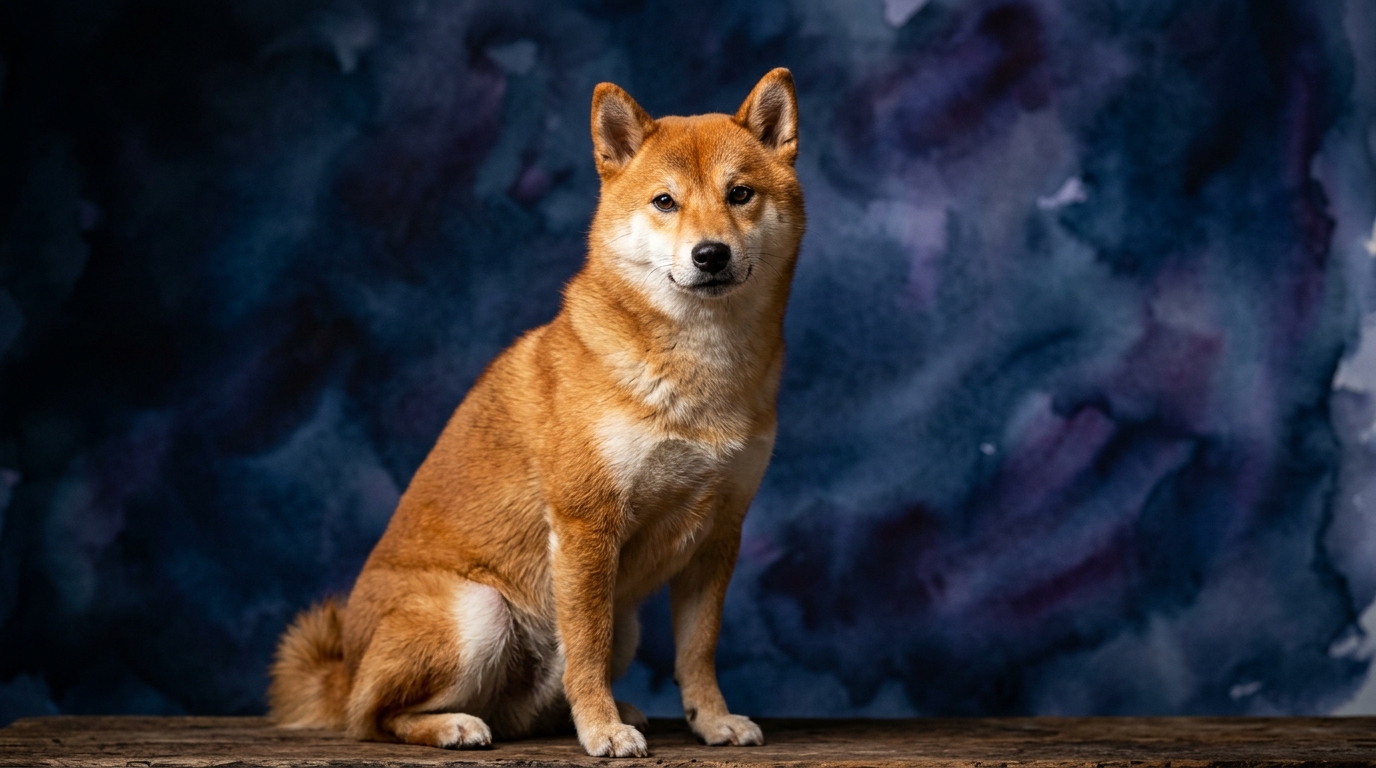
The Cosmic Pet Pet IQ Lab assesses five key cognitive dimensions to offer a nuanced understanding of each breed's mental landscape. For the Shiba Inu, we observe a problem-solving ability rated at 4/5, indicating a resourceful and often independently thinking canine. Their training speed is a modest 2/5, reflecting a strong will and a selective approach to compliance. Social intelligence for the Shiba Inu sits at 3/5, often characterized by discernment and loyalty to a select few, rather than universal amiability. Their instinctive drive is notably robust at 5/5, encompassing a powerful prey drive and territorial awareness. Finally, the Shiba Inu’s memory is assessed at 4/5, suggesting a strong recall of experiences, routines, and boundaries.
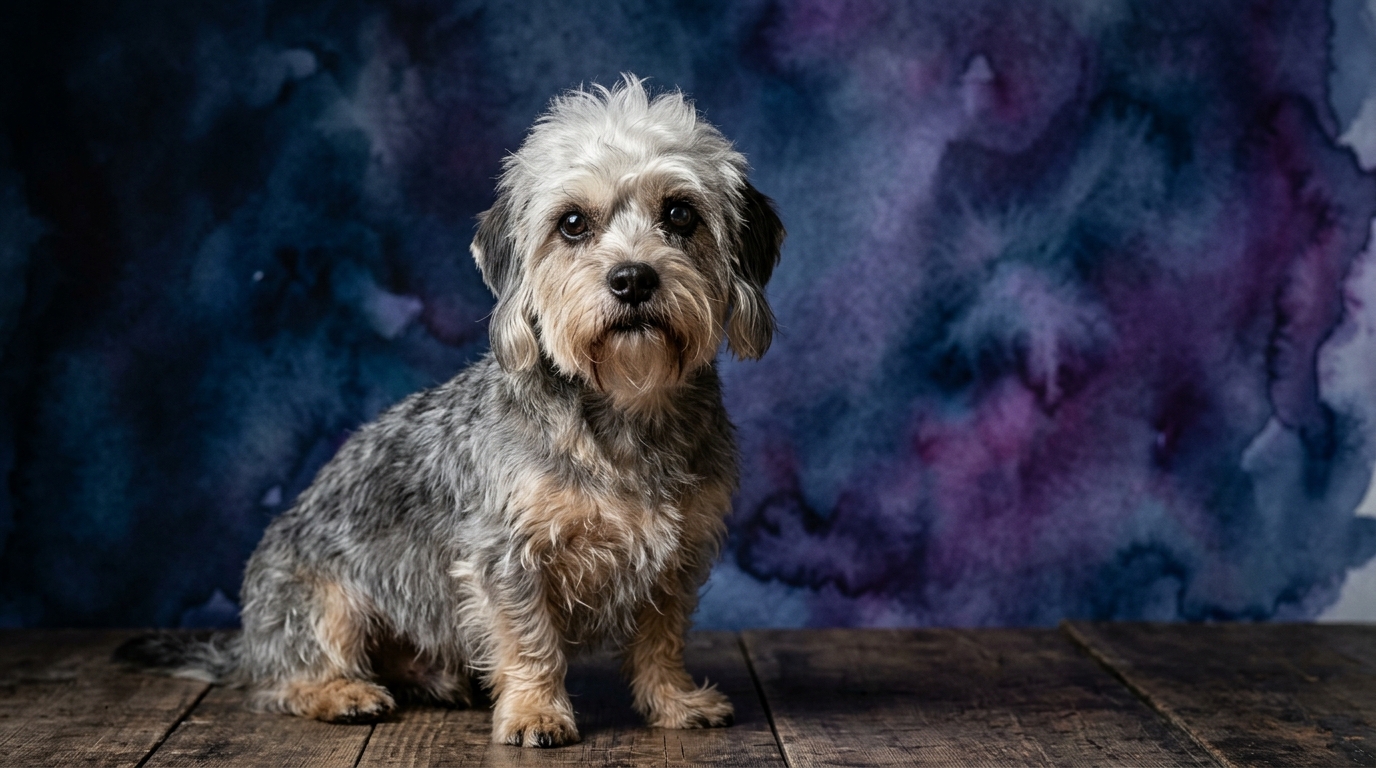
Turning to the Dandie Dinmont Terrier, their problem-solving ability is rated 3/5, showcasing practical intelligence focused on immediate tasks rather than complex, abstract challenges. Their training speed is a balanced 3/5, indicating a generally cooperative nature, though with a characteristic terrier independent streak that can emerge. Social intelligence for the Dandie Dinmont Terrier matches the Shiba Inu at 3/5, often expressing itself as an adaptable, yet sometimes selective, friendliness. Their instinctive drive is a moderate 3/5, present but typically less intense than many terrier relatives, focusing on scent and pursuit. The Dandie Dinmont Terrier's memory also registers at 3/5, reflecting a solid ability to retain commands and routines, though perhaps without the Shiba's tenacity for recalling specific past events.
Where the Shiba Inu Shows Cognitive Edge
The Shiba Inu demonstrates a clear cognitive advantage in several areas, particularly within problem-solving and instinctive drive. Their 4/5 problem-solving score highlights a capacity for independent thought and resourcefulness, often seen when they devise clever ways to achieve a desired outcome, such as opening cabinets or navigating complex spatial puzzles. This isn't about blind obedience but about assessing a situation and formulating a solution, sometimes to their owner's surprise. This strong internal compass allows them to adapt creatively to new environments or challenges, often relying on their own judgment rather than waiting for direction.
Another significant strength lies in their instinctive drive, rated at a powerful 5/5. This manifests as an acute awareness of their surroundings, a sharp prey drive, and a strong sense of territory. While this can present management challenges, it also signifies a highly attuned sensory system and a deep connection to their primal canine heritage. Their ability to track scents, notice subtle environmental changes, and act decisively on instinct is remarkably developed, making them excellent natural watchdogs and highly responsive to their environment.
Furthermore, the Shiba Inu's memory, at 4/5, indicates a superior ability to retain information and learn from past experiences. This means they quickly associate actions with consequences, remember specific training cues over long periods, and recall routines with precision. While this aids in learning desired behaviors, it also means they remember negative experiences or inconsistencies, which can impact future interactions and training success. Their memory contributes to their often-perceived stubbornness, as they distinctly recall previous attempts to negotiate or disregard commands.
Where the Dandie Dinmont Terrier Holds Cognitive Strengths
The Dandie Dinmont Terrier, while possessing a different cognitive profile, excels in areas that make them a more approachable and consistent companion for many households. Their training speed, rated at 3/5, surpasses the Shiba Inu's 2/5, indicating a greater willingness to engage with and retain new commands. This isn't to say they are always effortless, as they possess a terrier's characteristic independent streak, but they generally respond more readily to positive reinforcement and consistent instruction, making the training process smoother and less protracted.
Their moderate instinctive drive, at 3/5, is another key strength for many owners. While they retain a terrier's natural curiosity and hunting instincts, this drive is typically less intense and easier to manage compared to the Shiba Inu's powerful 5/5. This means a Dandie is less likely to bolt after every squirrel or challenge every perceived territorial intruder with the same relentless focus, making them more adaptable to urban or suburban living where constant redirection of high prey drive can be taxing. Their instincts are present but more balanced, allowing for a more relaxed daily existence.
While both breeds score 3/5 in social intelligence, the Dandie Dinmont Terrier's expression of this often leans towards a more consistent amiability and adaptability. Their social intelligence allows them to integrate well into family dynamics and generally accept new people or situations with a more open demeanor than the often-aloof Shiba Inu. This makes them more suitable for households with frequent visitors or those seeking a dog that forms bonds more readily with a wider circle of individuals, demonstrating a practical and agreeable social nature.
Training Dynamics: Shiba Inu vs. Dandie Dinmont Terrier
When it comes to ease of training, the Dandie Dinmont Terrier generally presents a more straightforward experience than the Shiba Inu. The Dandie's training speed of 3/5, coupled with a more moderate instinctive drive (3/5), means they are typically more amenable to learning and less prone to outright defiance. Their behavioral differences include a greater inclination to please their human companions, making them more responsive to positive reinforcement techniques. While they possess a terrier's tenacity, it's often directed towards tasks rather than challenging authority, leading to more consistent progress in obedience and trick training.
The Shiba Inu, in contrast, often requires a more dedicated and creative training approach due to their 2/5 training speed and 4/5 problem-solving ability. Their independent nature often leads them to question the 'why' behind a command, rather than simply complying. This isn't a lack of understanding, but a strong will. Their high instinctive drive (5/5), particularly a strong prey drive, means distractions can be paramount, and they may decide chasing a leaf is more rewarding than a recall command. Owners frequently describe them as 'cat-like' in their independence, requiring highly motivating rewards and a consistent, firm, but never harsh, approach to establish boundaries and achieve compliance. Expect selective hearing and a need for patience when training a Shiba Inu.
Matching Breeds to Lifestyles: Active vs. Relaxed Owners
The Shiba Inu typically suits owners who appreciate a dog with a robust personality and are prepared for active mental engagement and consistent management. While not necessarily requiring hours of high-impact physical exercise daily, they thrive with owners who provide structured routines, engaging mental challenges, and clear boundaries. Their high problem-solving and instinctive drive mean they need owners who are proactive in channeling these traits positively, perhaps through advanced obedience, scent work, or puzzle toys. Owners must be 'active' in their role as leaders and trainers, capable of managing a dog with a strong independent streak and a powerful prey drive, making them less ideal for truly relaxed, hands-off owners.
The Dandie Dinmont Terrier, with its balanced cognitive profile, is a better fit for owners who enjoy a moderate level of activity and seek a companionable dog that integrates well into a consistent family routine. They enjoy regular walks, playtime in the yard, and being involved in family activities, but they don't typically demand the intense mental and physical engagement that some high-drive breeds do. Their more cooperative training speed and moderate instinctive drive make them adaptable to a somewhat more relaxed lifestyle, provided their basic needs for exercise and companionship are met. They are an excellent choice for individuals or families looking for a spirited yet manageable terrier with a generally amiable disposition.
The Verdict: Choosing Your Companion
The Verdict
Choose the Shiba Inu if you appreciate a highly independent, intelligent dog with strong instincts and are prepared for consistent, engaging training and management.
Opt for the Dandie Dinmont Terrier if you prefer a more cooperative, amiable companion with a balanced drive, ideal for moderate activity levels and a consistent family routine.
🧠 Find Your Pet's IQ Score
Our Pet IQ Lab assessment covers 25+ tests across 5 cognitive dimensions — personalized to your breed.
Take the Full IQ Test →Frequently Asked Questions
Are Shiba Inus good for first-time dog owners?
Their independent nature, strong will, and high instinctive drive make them challenging for novice owners who may struggle with consistent training and boundary setting. They require an owner experienced in dog behavior and motivation.
Do Dandie Dinmont Terriers get along with other pets?
With their moderate instinctive drive and generally amiable social intelligence, Dandies can coexist with other pets, especially if introduced thoughtfully and raised together. However, individual personalities and early socialization are key factors.
What kind of mental stimulation do these breeds need?
Shiba Inus thrive on problem-solving toys, scent work, and training that challenges their independent thought. Dandie Dinmont Terriers benefit from interactive games, puzzle feeders, and consistent obedience training to keep their practical minds engaged.