
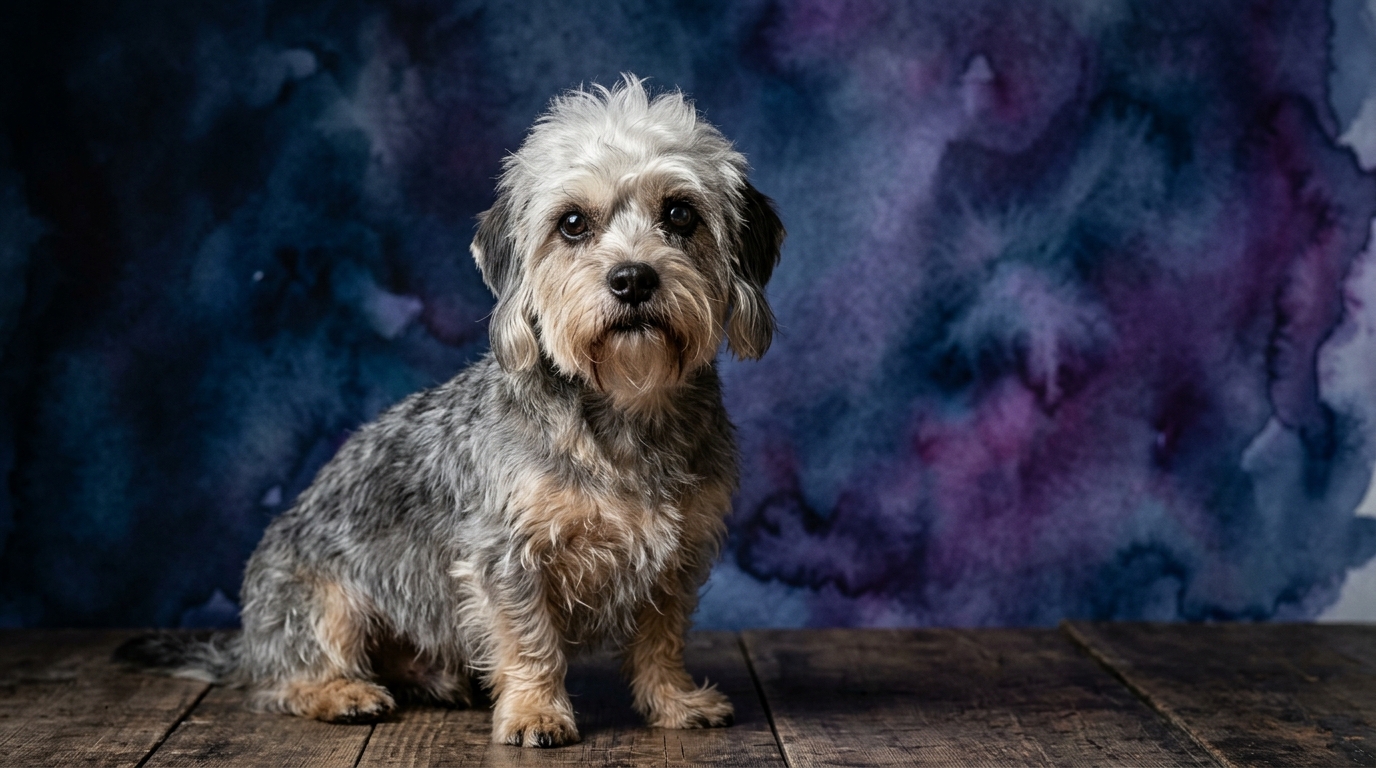
Side-by-Side IQ Profile: German Shepherd vs. Dandie Dinmont Terrier
The Cosmic Pet IQ Lab assesses canine intelligence across five key dimensions, providing a nuanced view of each breed's cognitive strengths. For the German Shepherd, a breed ranked #3 by Dr. Stanley Coren for working intelligence, their profile paints a picture of exceptional capability across the board. Their Problem Solving is rated 5/5, indicating an outstanding capacity to analyze complex situations and devise effective solutions, evident in their roles as service animals and in critical search-and-rescue operations. Training Speed also scores 5/5, meaning they assimilate new commands and routines with remarkable rapidity, often in just a few repetitions, making them highly responsive to instruction. Social Intelligence is 5/5, reflecting their profound understanding of human emotions, intentions, and communication cues, which fosters deep cooperative partnerships. Their Instinctive Drive, rated 5/5, provides the powerful motivation for their purpose-driven behavior, whether herding, guarding, or performing specialized tasks. Finally, Memory at 5/5 signifies robust recall for commands, routines, and specific experiences, crucial for their multi-faceted roles.
In contrast, the Dandie Dinmont Terrier, a breed not specifically ranked by Coren but with a unique terrier heritage, demonstrates a different set of cognitive strengths. Their Problem Solving is rated 3/5, indicating an intelligence focused on independent, task-specific thinking, particularly for their historical role of hunting vermin, which involves strategic navigation and quick decisions in confined spaces without direct human instruction. Training Speed is 3/5; while capable of learning, their independent spirit often requires more repetition and consistent, engaging methods to solidify commands. Social Intelligence also scores 3/5; they form strong, affectionate bonds with their immediate family, displaying loyalty and awareness of their inner circle's dynamics, though they may be more reserved or selective with strangers. Their Instinctive Drive is 3/5, powerfully rooted in their terrier desire to hunt and dig, which can be a dominant force in their self-reliant behavior. Memory, at 3/5, ensures good recall for routines and familiar people but perhaps not the extensive command sets or intricate sequences of a working breed.
Where the German Shepherd Wins Cognitively
The German Shepherd's comprehensive cognitive profile grants them distinct advantages in domains requiring intricate understanding and sustained cooperation. Their 5/5 Problem Solving means they grasp the *purpose* of tasks, adapting their approach if initial methods falter, crucial for dynamic environments like search-and-rescue. Peak Training Speed (5/5) ensures rapid, reliable responses, making them exceptionally dependable partners in high-stakes situations. This breed excels at taking initiative within structured frameworks, demonstrating a profound grasp of their role. Furthermore, their superior Social Intelligence (5/5) allows for seamless partnership, anticipating human needs and responding to subtle cues, creating a deep bond vital for service work or competitive obedience. This cognitive synergy is a hallmark of their mental prowess.
Where the Dandie Dinmont Terrier Wins Cognitively
While their cognitive strengths manifest differently, the Dandie Dinmont Terrier shines in areas demanding self-reliance and tenacious focus on specific objectives. Their 3/5 Problem Solving, perfectly suited for independently tracking and dispatching vermin, requires quick, on-the-spot decisions without direct human instruction. Their intelligence is less about following a human blueprint and more about executing a self-determined strategy. The Dandie's Instinctive Drive (3/5) powers this work, providing relentless motivation to pursue and overcome obstacles. This isn't a drive to please a handler in the same way, but an internal fire for their inherent purpose. Their Social Intelligence (3/5) supports strong, affectionate bonds with their chosen family, demonstrating a keen awareness of their inner circle's dynamics, even if more reserved with strangers. They possess a unique, charming cunning, often finding ingenious ways to get what they want, a testament to their independent, clever nature.
Which is Easier to Train and Why
When evaluating ease of training, the German Shepherd unequivocally holds the advantage due to their inherent cognitive architecture. Their 5/5 Training Speed means they absorb commands quickly, often with just a few repetitions, and their high Social Intelligence makes them eager to cooperate and please their human partners. This results in a dog highly receptive to instruction, making complex obedience or specialized tasks relatively straightforward. Their strong Instinctive Drive, channeled appropriately, fuels their desire to work and excel. In contrast, the Dandie Dinmont Terrier, with its 3/5 Training Speed and independent nature, presents a different training challenge. While capable, their terrier self-reliance means they might prioritize their own interests, like scent tracking, over immediate obedience. Consistency, patience, and highly motivating rewards are essential for Dandies. Their training requires understanding their independent spirit rather than expecting eager compliance, a delightful challenge for experienced owners but potentially frustrating for novices. German Shepherds naturally look to their handler for direction, while Dandies tend to assess and act on their own terms.
Which Suits Active Owners vs. Relaxed Owners
For owners with an active lifestyle and a desire for a canine partner in various endeavors, the German Shepherd is an ideal match. Their robust physical and mental energy demands (reflected in their 5/5 Instinctive Drive and Problem Solving) mean they thrive with consistent exercise, structured training, and engaging mental stimulation. They are perfectly suited for long hikes, dog sports, or roles as service animals. An owner dedicating significant time to their German Shepherd's needs will find a deeply loyal companion. Conversely, the Dandie Dinmont Terrier generally suits owners seeking a more relaxed pace, though not sedentary. While not requiring intense exertion, they still need regular walks and mental engagement to satisfy terrier instincts, perhaps a secure yard for digging or scent games. Their independent nature and moderate energy levels (aligning with their 3/5 instinctive drive and problem-solving) mean they are content with a comfortable home life and affectionate companionship, rather than constant, high-octane activity. They are wonderful for those appreciating a dog with a distinct personality and prepared for occasional bursts of terrier enthusiasm.
The Verdict
Choose a German Shepherd if you seek a highly trainable, versatile working partner eager to engage in complex tasks, dog sports, or dedicated service, and you can provide ample mental and physical stimulation.
Opt for a Dandie Dinmont Terrier if you appreciate an independent, charming companion with a unique terrier spirit, are prepared for patient, consistent training, and desire a loyal family member less focused on intense activity.
🧠 Find Your Pet's IQ Score
Our Pet IQ Lab assessment covers 25+ tests across 5 cognitive dimensions — personalized to your breed.
Take the Full IQ Test →Frequently Asked Questions
Do Dandie Dinmont Terriers make good family pets despite their independent streak?
Yes, Dandie Dinmont Terriers can be wonderful family pets. They form strong, affectionate bonds with their immediate family members, enjoying companionship and quiet moments. Their independent nature means they might not be as outwardly demonstrative as some breeds, but their loyalty runs deep.
How much exercise does a German Shepherd truly need daily?
A German Shepherd requires substantial daily exercise, typically 60-90 minutes of vigorous activity, beyond simple leash walks. This should include mentally stimulating activities like training sessions, puzzle toys, fetch, or dog sports, crucial for their overall well-being.
Is a Dandie Dinmont Terrier suitable for a first-time dog owner?
A Dandie Dinmont Terrier can be suitable for a first-time owner who is committed to consistent, positive reinforcement training and understands the terrier temperament. Their independence requires patience and a good sense of humor, making them a rewarding, though sometimes challenging, first dog.