Side-by-Side IQ Profile: Poodle (Standard) vs. Dandie Dinmont Terrier
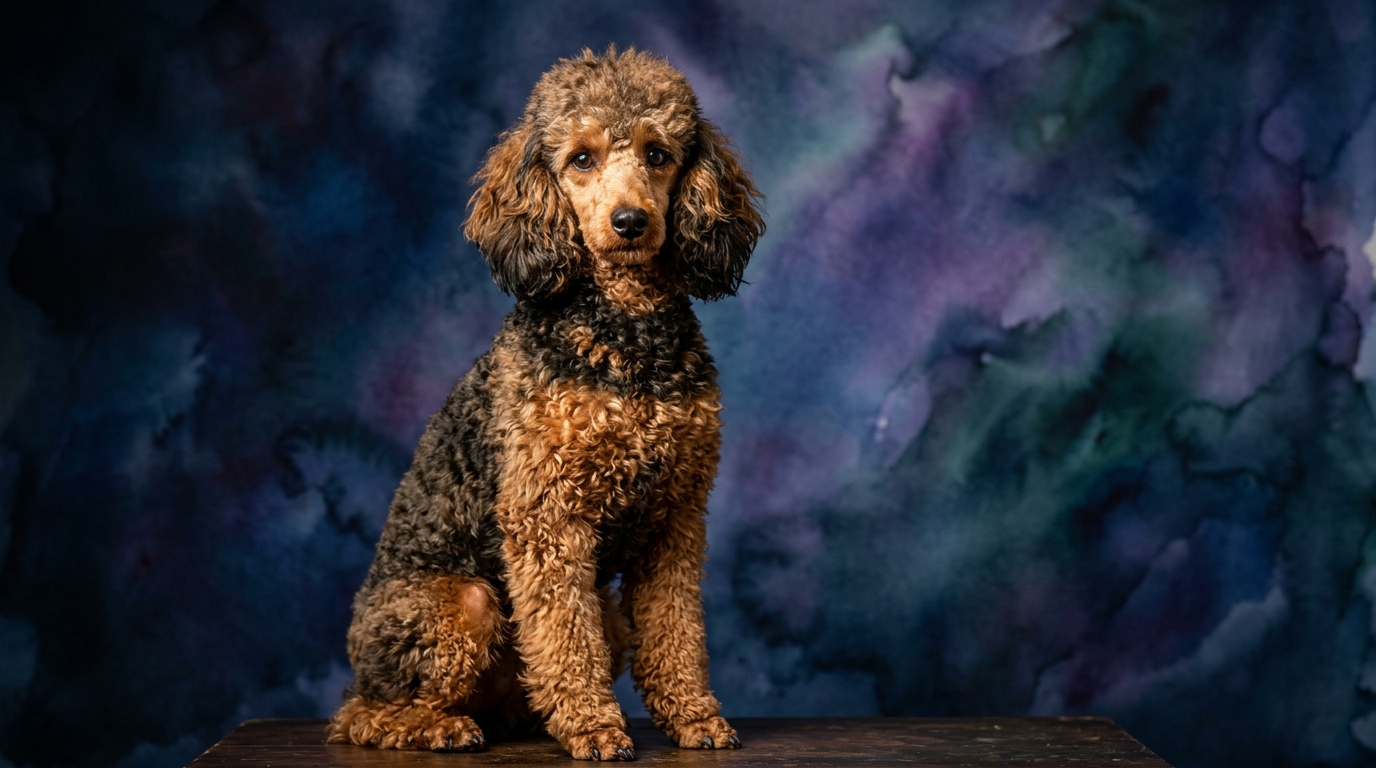
The Cosmic Pet Pet IQ Lab employs a five-dimensional framework to assess canine intelligence, offering a nuanced view beyond simple rankings. For the Poodle (Standard), a breed often recognized for its cognitive prowess, its profile paints a picture of exceptional mental agility across the board. Its Problem Solving is rated 5/5, indicating an advanced capacity for abstract thought, multi-step problem resolution, and adapting strategies to novel situations. Training Speed also sits at a perfect 5/5, demonstrating an ability to grasp new commands and routines with minimal repetition and generalize learned behaviors efficiently. Social Intelligence, another 5/5, reflects their profound understanding of human communication cues, emotional states, and their aptitude for forming complex social bonds. Instinctive Drive, at 4/5, points to a moderate but manageable level of innate behaviors like retrieving or hunting, which can be readily channeled into productive tasks. Finally, Memory, a robust 5/5, ensures they retain vast amounts of information, from command sequences to routines and social experiences, over extended periods.
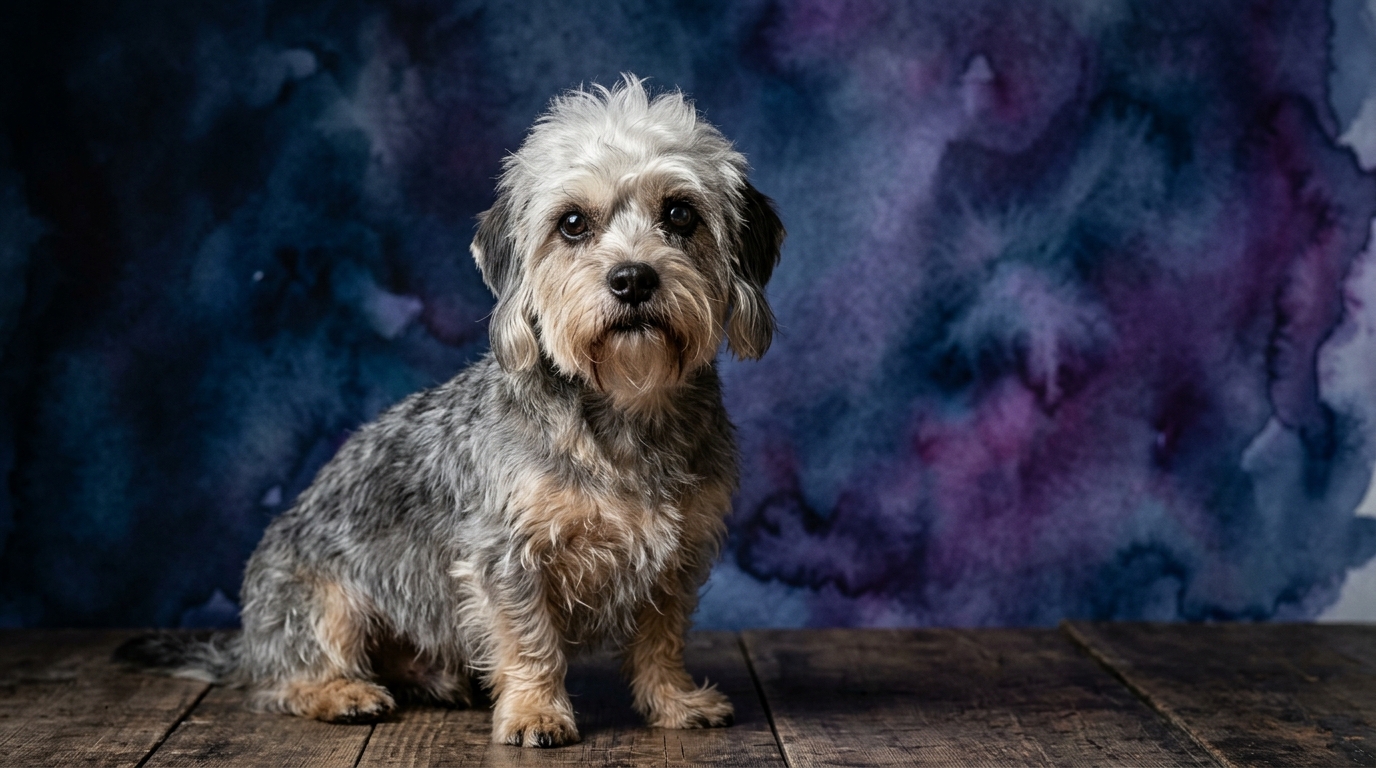
In contrast, the Dandie Dinmont Terrier, a less common but historically significant terrier, presents a cognitive profile optimized for different challenges. Its Problem Solving is rated 3/5, suggesting it excels at practical, concrete tasks and can resolve straightforward obstacles, but may not engage in complex, multi-layered abstract reasoning as readily. Training Speed, also 3/5, means they acquire new behaviors steadily with consistent, positive reinforcement, though they may require more repetitions than their Poodle counterpart and exhibit an independent streak. Social Intelligence, at 3/5, indicates they form strong, loyal bonds with their immediate family but can be reserved or discerning with strangers, communicating their needs and preferences directly. Instinctive Drive, rated 3/5, highlights their inherent terrier tenacity for digging, chasing, and independent exploration, a drive that needs mindful management rather than eradication. Their Memory, at 3/5, allows them to recall basic commands, familiar people, and routines reliably, though perhaps not the intricate sequences or long-term details a Poodle might retain.
Where the Poodle (Standard) Wins Cognitively
The Poodle (Standard) distinguishes itself with an unparalleled cognitive flexibility and depth. Its 5/5 Problem Solving means it can not only understand a command but often *why* the command is given, or how to achieve a desired outcome through novel means. This manifests in their ability to quickly learn intricate agility courses, figure out complex puzzle toys, or even open latches and containers if sufficiently motivated. Their perfect 5/5 Training Speed is a direct win for owners seeking a responsive partner in advanced obedience, dog sports, or even specialized service roles, as they rapidly absorb and apply new information. This quick learning, coupled with their 5/5 Memory, allows them to build an extensive behavioral repertoire and reliably perform tasks even after long breaks. Furthermore, their 5/5 Social Intelligence provides a significant advantage in human-dog interaction. They possess a nuanced understanding of human body language, tone, and intention, making them exceptionally attuned companions who can anticipate needs or offer comfort, thriving in environments where close, communicative interaction is paramount.
Where the Dandie Dinmont Terrier Wins Cognitively
While the Dandie Dinmont Terrier's scores are consistently 3/5, these ratings represent a specialized and robust intelligence, not a deficit. Their 3/5 Problem Solving, for instance, translates into a practical, resilient approach to their environment. They are adept at solving concrete, immediate challenges, such as finding the best route through a dense bush or determining how to access a prized scent, often with a tenacious focus that can be an asset. Their 3/5 Instinctive Drive, a hallmark of their terrier heritage, is a cognitive win in its original context: an unwavering focus on a task, like pursuing quarry, even in challenging conditions. This persistence, while requiring careful management in a domestic setting, reflects a powerful, goal-oriented mindset. Moreover, their 3/5 Social Intelligence can be seen as a strength for owners who appreciate a dog with a discerning loyalty. They form deep, unwavering bonds with their core family, offering a steadfast companionship that doesn't necessarily require constant validation from every new acquaintance. This selective social engagement can lead to a less anxious, more self-assured dog in certain social contexts, valuing quality over quantity in their relationships.
Which is Easier to Train and Why
The Poodle (Standard) is unequivocally easier to train due to its superior cognitive scores across the board. Its 5/5 Training Speed means it picks up new commands and complex sequences with remarkable quickness, often after just a few repetitions. This is bolstered by its 5/5 Problem Solving, allowing it to understand the underlying 'rules' of a task, and its 5/5 Memory, ensuring lessons are retained. Poodles are also highly motivated by interaction and praise, a reflection of their 5/5 Social Intelligence, making positive reinforcement exceptionally effective. They genuinely enjoy the process of learning and engaging with their handler, often eager to please and requiring extensive mental stimulation to remain content.
The Dandie Dinmont Terrier, conversely, presents a different training experience, requiring more patience and a tailored approach. Its 3/5 Training Speed means it will learn, but at a slower pace, demanding consistent and clear instruction. Their 3/5 Instinctive Drive, characteristic of terriers, means they possess an independent mind and can be easily distracted by interesting scents or potential digging opportunities, often prioritizing these over a handler's command. This isn't stubbornness, but rather a strong internal motivation for specific terrier-typical behaviors. Successful training with a Dandie relies on short, engaging sessions, high-value rewards, and a deep understanding of their independent spirit, rather than expecting the rapid compliance seen in a Poodle. Consistency and proofing commands in varied environments are crucial to overcome their tendency to follow their nose or their own agenda.
Which Suits Active Owners vs. Relaxed Owners
For owners who define 'active' as engaging in consistent, high-level mental and physical activities, the Poodle (Standard) is an ideal match. Their 5/5 Problem Solving and Training Speed mean they thrive on structured activities like agility, obedience trials, advanced trick training, or even service dog work. They require significant daily mental engagement to prevent boredom, which can manifest as undesirable behaviors. Physically, they are energetic and enjoy vigorous exercise, but it's the combination of physical exertion with intellectual challenge that truly satisfies them. A 'relaxed' owner for a Poodle would still need to provide ample brain games and regular training sessions, even if daily marathon runs aren't on the agenda, to keep their sharp minds occupied.
The Dandie Dinmont Terrier, while not a sedentary breed, suits owners whose definition of 'active' leans more towards consistent, exploratory walks and engaging in short bursts of play. Their 3/5 Instinctive Drive means they enjoy sniffing out new territories, investigating interesting smells, and perhaps a good digging session, rather than high-impact, repetitive sports. Once their exercise needs are met, Dandies are typically content to relax by their owner's side, appreciating quiet companionship. A 'relaxed' owner who provides consistent daily walks, clear boundaries, and appreciates an independent, less demanding canine companion in terms of constant complex mental challenges, will find the Dandie Dinmont Terrier a rewarding and charming fit. They require routine and consistency, but not the same intensity of structured mental work as a Poodle.
The Verdict
Choose the Poodle (Standard) if you seek a deeply interactive, highly trainable companion eager for advanced mental challenges, dog sports, or roles requiring nuanced understanding and adaptability. Their exceptional cognitive abilities thrive with owners who provide consistent mental engagement and structured learning opportunities.
Choose the Dandie Dinmont Terrier if you appreciate an independent, charming, and loyal companion who thrives on routine, consistent boundaries, and enjoys a more self-directed exploration of their world. They are best for owners who value steadfast companionship over constant complex mental challenges and are patient with their distinct terrier drives.
🧠 Find Your Pet's IQ Score
Our Pet IQ Lab assessment covers 25+ tests across 5 cognitive dimensions — personalized to your breed.
Take the Full IQ Test →Frequently Asked Questions
Are Dandie Dinmont Terriers difficult to train?
Dandie Dinmont Terriers are not inherently difficult, but their 3/5 Training Speed and 3/5 Instinctive Drive mean they require patience and consistency. They learn best with positive reinforcement, short engaging sessions, and a clear understanding of their independent, terrier-focused motivations. Expect a steady learning curve rather than rapid acquisition.
Do Poodles need a lot of mental stimulation?
Yes, Poodles (Standard) require substantial mental stimulation due to their 5/5 Problem Solving, Training Speed, and Memory. They thrive on learning new commands, solving puzzles, and engaging in interactive play. Insufficient mental engagement can lead to boredom and potentially redirected energy.
Which breed is better for a first-time dog owner?
For a first-time owner, the Poodle (Standard) is generally easier to train and more responsive due to its high cognitive scores and eagerness to please. However, their need for significant mental engagement can be a challenge. The Dandie Dinmont Terrier, while loyal, requires a consistent owner prepared for an independent terrier spirit and a slower training pace, making the Poodle a slightly more forgiving choice for novices prepared for their mental needs.