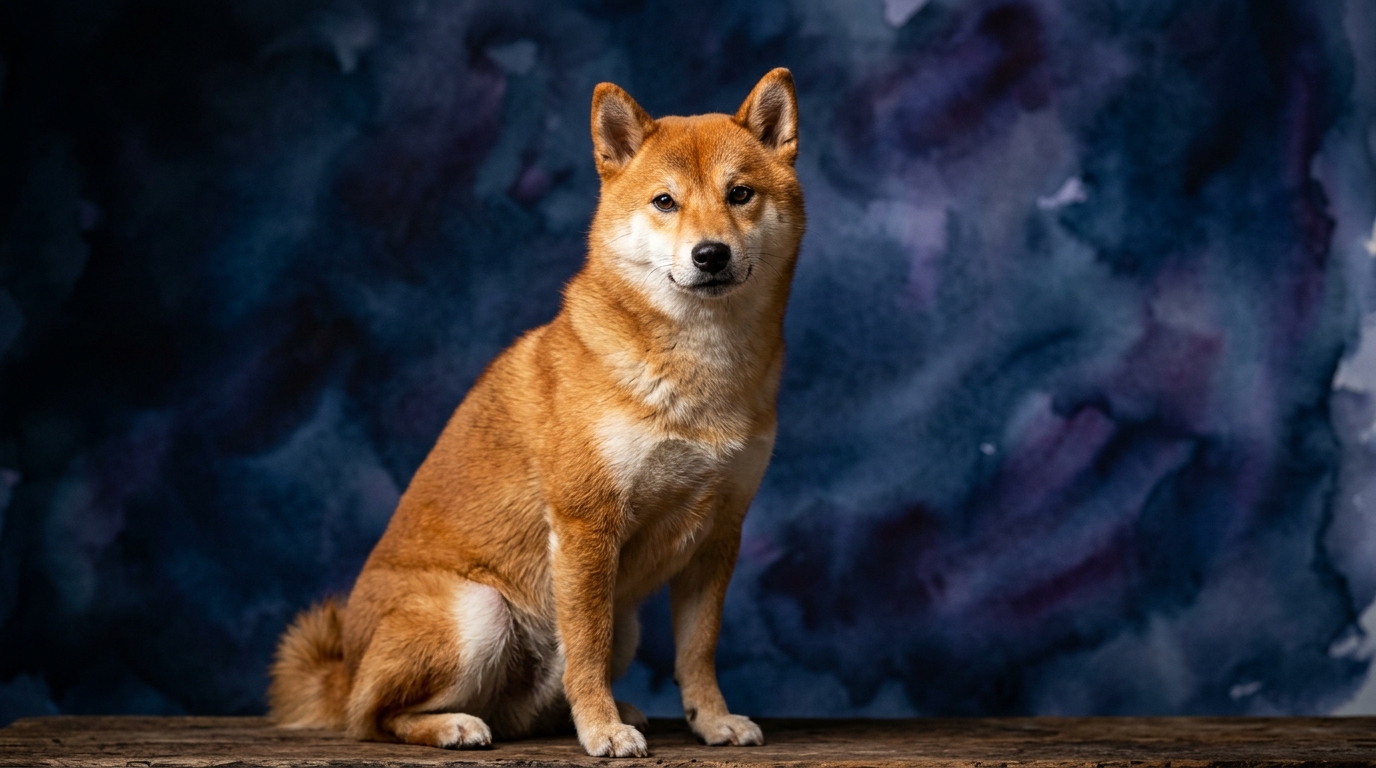
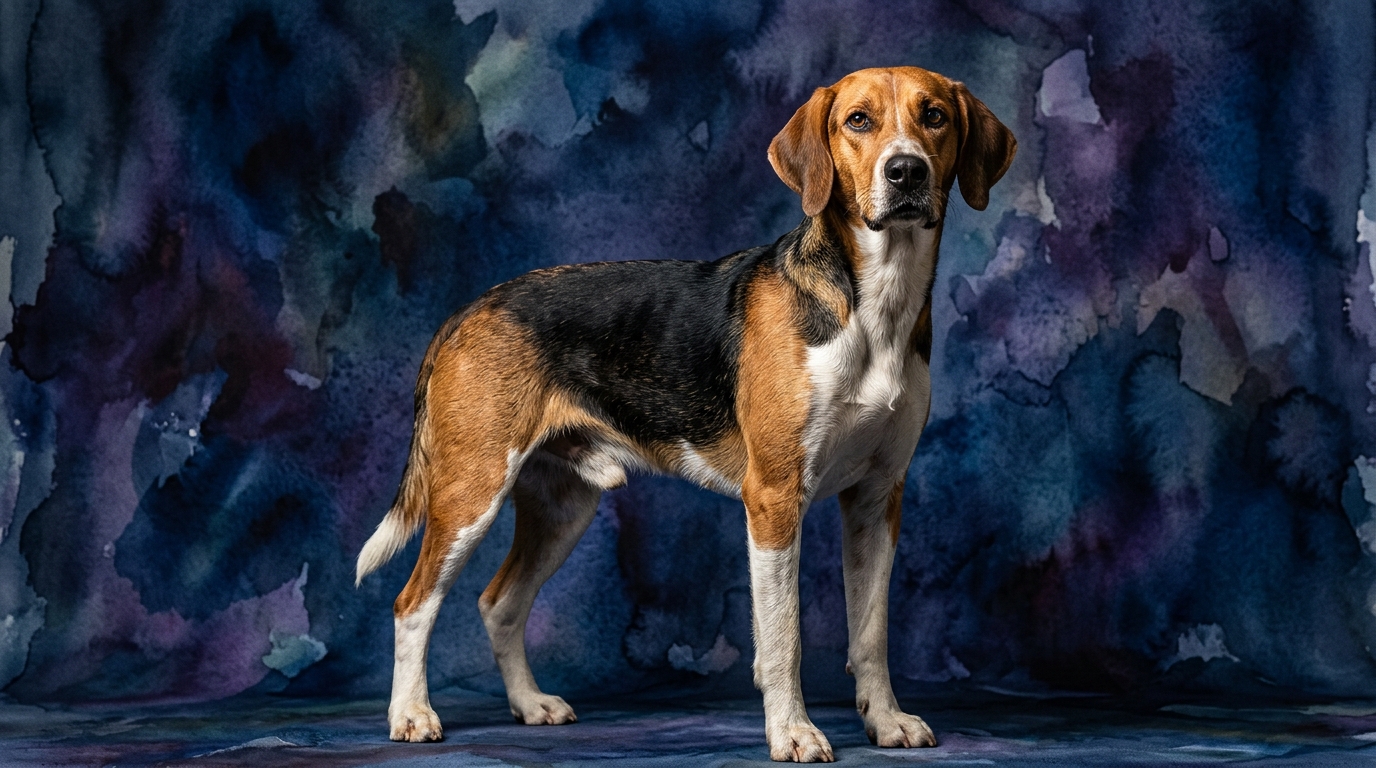
Side-by-Side Cognitive Profiles: Shiba Inu vs. English Foxhound
**Shiba Inu**:
*Problem Solving (4/5)*: Shiba Inus demonstrate a strong capacity for independent thought and creative solutions, often figuring out complex puzzles or navigating challenging environments on their own terms.
*Training Speed (2/5)*: These dogs possess a notable independent streak that can make conventional obedience training a more prolonged endeavor, requiring patience and consistent, positive reinforcement from handlers.
*Social Intelligence (3/5)*: While capable of forming deep, loyal bonds with their chosen family, Shiba Inus often exhibit a reserved demeanor towards strangers and other animals, preferring a select social circle.
*Instinctive Drive (5/5)*: Their potent prey drive and ancient hunting instincts are exceptionally strong, guiding much of their independent exploration and decision-making in the environment.
*Memory (4/5)*: Shiba Inus hold onto experiences and learned associations remarkably well, remembering routines, past interactions, and specific commands, even if their application can be selective.
**English Foxhound**:
*Problem Solving (3/5)*: English Foxhounds approach challenges with a more straightforward, persistent methodology, relying heavily on their keen senses and stamina rather than intricate cognitive workarounds.
*Training Speed (3/5)*: These hounds are generally amenable to training, especially when it involves their natural drives, responding consistently to clear commands and positive reinforcement.
*Social Intelligence (3/5)*: Bred to work harmoniously in a pack, English Foxhounds display a solid understanding of social dynamics, generally getting along well with other dogs and typically being amicable with people.
*Instinctive Drive (3/5)*: Their primary instinctive drive revolves around scent tracking and endurance, a persistent focus that allows them to follow trails for extended periods with unwavering determination.
*Memory (3/5)*: Foxhounds maintain a reliable memory for learned commands, routines, and the intricate scent profiles of their environment, crucial for their work as scent hounds.
Where the Shiba Inu Cognitively Excels
The Shiba Inu clearly shines in areas requiring independent thought and resourcefulness, a direct reflection of their 4/5 Problem Solving score. These dogs excel at tasks that demand a self-directed approach, such as meticulously figuring out how to bypass barriers or manipulating puzzle toys to retrieve treats without much human guidance. This strong capacity for autonomous problem-solving stems from their history as small game hunters, where quick, self-reliant decisions were crucial for success. Furthermore, their impressive Memory score of 4/5 complements this, allowing them to recall successful strategies and apply them in novel situations, or remember specific people and routines with remarkable clarity. This combination often translates into a dog that navigates its environment with a profound degree of self-sufficiency and strategic thinking.
Where the English Foxhound Cognitively Excels
While the English Foxhound might not exhibit the same flash of independent problem-solving as the Shiba, its cognitive strengths are deeply rooted in sustained focus, endurance, and cooperative effort, particularly within its specialized hunting role. Its Training Speed of 3/5, while moderate, surpasses the Shiba's 2/5, indicating a greater willingness to engage with and consistently respond to human direction, especially when tasks align with its innate drives for scent work. This breed's cognitive strength lies in its steadfast application of learned behaviors over extended periods, rather than innovative breakthroughs. Their Social Intelligence, also rated 3/5, is particularly effective in a pack context, fostering harmonious interactions with other dogs and people, a crucial trait for a breed developed to work collaboratively in large groups.
Which is Easier to Train and Why
Based on their Cosmic Pet IQ Lab scores, the English Foxhound generally presents a more straightforward and predictable training experience compared to the Shiba Inu. The Foxhound's Training Speed of 3/5 indicates a dog that is receptive to learning and more inclined to follow instructions, especially if the training incorporates their strong scent drive and desire for activity. Their history as cooperative pack hunters means they often seek to engage and please their human partners, viewing commands as part of a shared endeavor. In contrast, the Shiba Inu's Training Speed of 2/5 reflects a breed with a pronounced independent streak; they possess a strong will and often evaluate commands, deciding if compliance aligns with their own agenda rather than simply obeying. This isn't a lack of understanding, but rather a preference for self-determination and a very high Instinctive Drive (5/5) that makes them more prone to following their nose or instincts than human directives, demanding more creative, patient, and highly consistent training methods.
Which Suits Active Owners vs. Relaxed Owners
For active owners seeking a canine companion for vigorous, sustained outdoor pursuits, the English Foxhound is an excellent match. Their Instinctive Drive of 3/5, primarily focused on endurance and scent work, means they thrive on long walks, runs, or any activity where they can follow a trail and cover significant ground. They require substantial daily exercise to be content and well-behaved indoors, making them ideal for owners who enjoy an active lifestyle and can provide consistent opportunities for physical and mental engagement. The Shiba Inu, with its high Instinctive Drive (5/5) and independent problem-solving, also needs significant activity, but often prefers self-directed exploration, short bursts of intense play, or mental challenges over sustained, structured exercise. While they can keep up with active owners, their independence means they might be less inclined to follow a strict regimen. For more relaxed owners, neither breed is truly suited for a sedentary life; however, a Shiba might adapt better to shorter, varied activities and independent puzzle play indoors, provided their substantial mental and physical needs are still met.
The Verdict
If you seek a clever, independent companion who will challenge your training skills and offer unique insights into canine autonomy through their strong problem-solving and memory, the Shiba Inu is an intriguing choice, best suited for experienced, patient owners.
If you prefer a cooperative, persistent, and moderately trainable partner for an active outdoor life, especially one that thrives on scent work, endurance, and companionship, the English Foxhound offers a robust and engaging option for owners able to provide ample exercise and consistent training.
🧠 Find Your Pet's IQ Score
Our Pet IQ Lab assessment covers 25+ tests across 5 cognitive dimensions — personalized to your breed.
Take the Full IQ Test →Frequently Asked Questions
Are Shiba Inus difficult to train?
Shiba Inus are not inherently difficult to train in terms of understanding commands, but their independent nature and strong will (Training Speed 2/5) mean they require consistent, positive, and highly engaging methods to achieve reliable obedience. They often choose to comply based on their own assessment of the situation rather than automatic submission.
Do English Foxhounds need a lot of exercise?
Yes, English Foxhounds are working dogs with a strong instinctive drive for endurance (Instinctive Drive 3/5), requiring substantial daily exercise, including long walks, runs, or structured scent work, to maintain their physical and mental well-being. Without sufficient activity, they can become restless, vocal, and develop behavioral issues.
How do these breeds typically interact with other dogs?
English Foxhounds, bred to work in packs, generally exhibit good social intelligence (3/5) and tend to get along well with other dogs when properly socialized, often enjoying canine companionship. Shiba Inus, while capable of polite interactions, can be more reserved, selective, or even assertive with other canines due to their independent nature and strong territorial instincts.