The Cosmic Pet Pet IQ Lab: Side-by-Side Cognitive Profiles
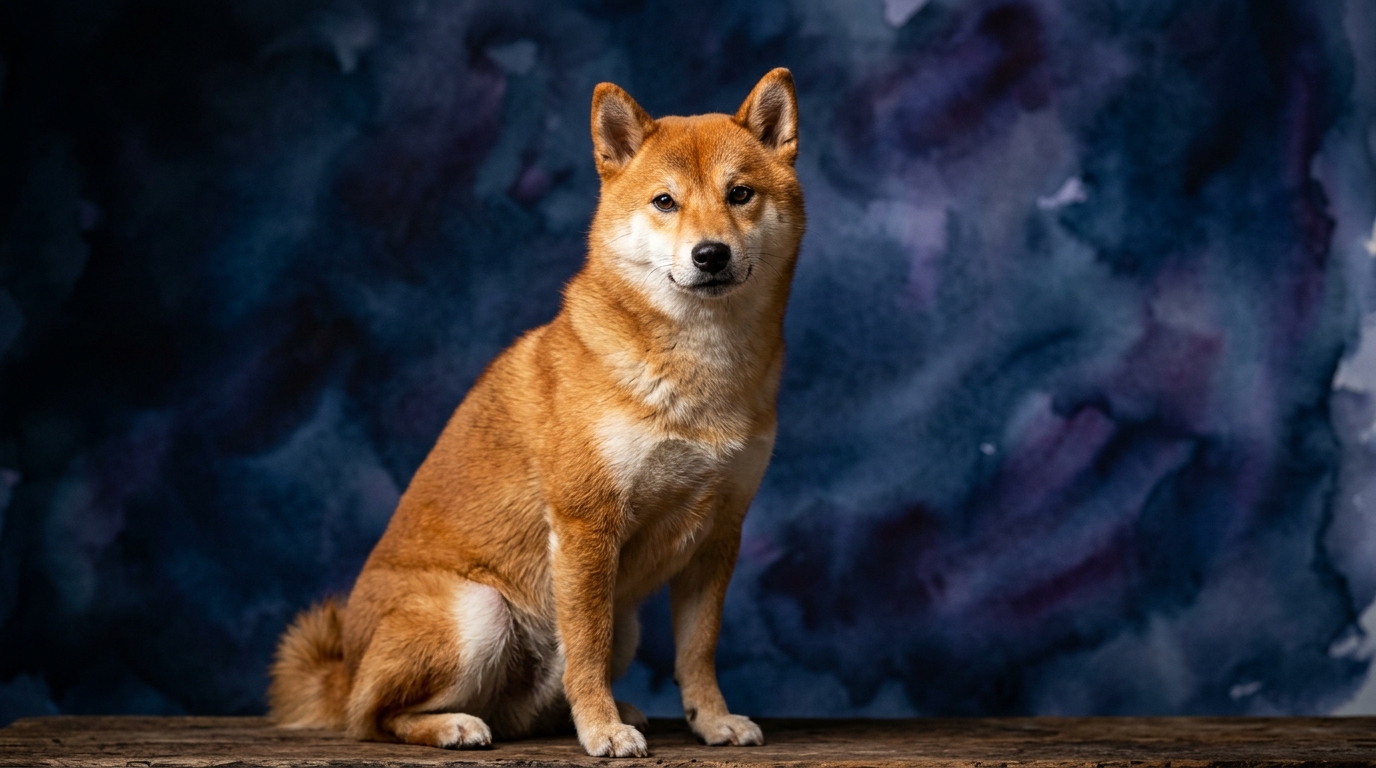
The Cosmic Pet Pet IQ Lab assesses canine intelligence across five critical dimensions, providing a nuanced view of each breed's mental landscape. For the Shiba Inu, a Non-Sporting breed not ranked by Coren, we observe a distinct profile. Their problem Solving capability scores 4/5, indicating a strong aptitude for independently navigating complex situations. Training Speed is rated 2/5, suggesting a more deliberate and self-directed learning approach. Social Intelligence stands at 3/5, demonstrating an understanding of social cues but often prioritizing their own agenda. An impressive Instinctive Drive of 5/5 highlights their profound connection to primal instincts like hunting and self-preservation. Finally, their Memory is rated 4/5, showing a robust ability to retain information pertinent to their experiences and goals.
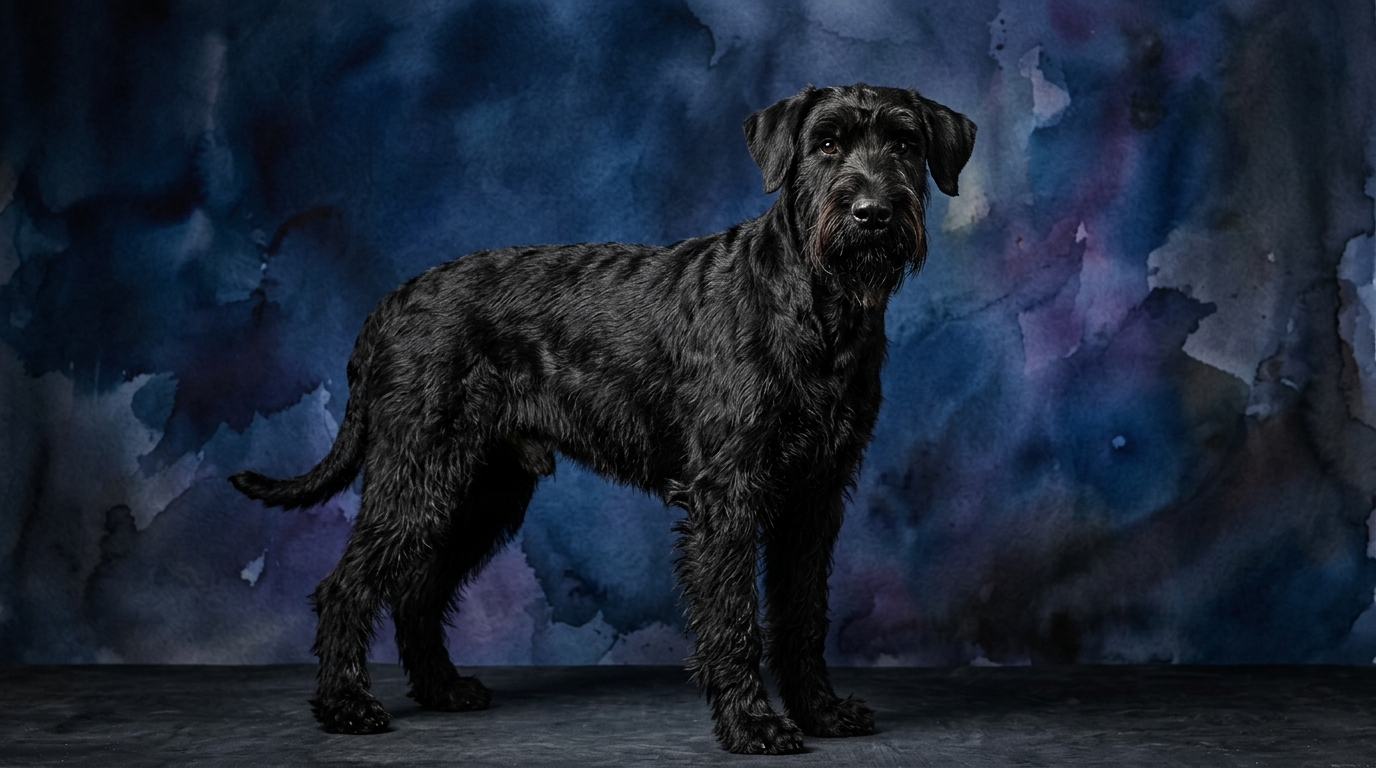
In contrast, the Giant Schnauzer, a Working breed ranked #28 by Coren, presents a different set of cognitive strengths. Their problem Solving also scores 4/5, signifying a capable mind adept at figuring out solutions, often with a more cooperative lean than the Shiba. Their Training Speed is a commendable 4/5, reflecting a keen eagerness and capacity to absorb and execute commands efficiently. Social Intelligence matches the Shiba at 3/5, indicating a moderate understanding of social dynamics. The Giant Schnauzer's Instinctive Drive is 3/5, present but less dominant than the Shiba's, typically manifesting as a strong protective or working drive rather than pure prey instinct. Their Memory, like the Shiba's, is rated 4/5, demonstrating excellent recall for learned tasks and routines.
Where the Shiba Inu's Mind Shines Cognitively
The Shiba Inu excels in areas where independence and an acute connection to primal instincts are paramount. Their 4/5 problem Solving, combined with a 5/5 Instinctive Drive, means they are exceptionally adept at navigating their environment, often devising clever strategies to achieve their own objectives, such as escaping an enclosure or finding hidden resources. This isn't about solving puzzles for human approval, but rather for self-benefit and survival, demonstrating a tenacious, self-reliant intelligence. Their memory, at 4/5, reinforces this by allowing them to recall successful past strategies and locations, making them persistent in their pursuits. For instance, a Shiba might remember the exact weak point in a fence or the sequence of actions that led to a treat, applying that knowledge independently.
This breed's cognitive strengths lean into their ancient heritage as hunting dogs, where self-sufficiency and quick, unassisted decision-making were crucial. They possess an innate ability to assess situations and react with a high degree of self-preservation, which can be perceived as cunning or aloof but is, in fact, a sophisticated form of independent problem-solving. Their moderate social intelligence (3/5) means they understand human cues but often weigh them against their own strong internal drives, making them excellent at making their own choices, even if those choices don't always align with human expectations.
Where the Giant Schnauzer's Mind Triumphs Cognitively
The Giant Schnauzer's cognitive strengths lie in their capacity for structured learning, cooperative problem-solving, and reliable application of learned tasks. Their 4/5 Training Speed is a significant advantage, indicating a quick grasp of commands and a willingness to engage in repetitive training for mastery. This contrasts sharply with the Shiba's more independent learning style. The Giant Schnauzer's problem Solving, also 4/5, tends to manifest in a more collaborative manner, where they can learn multi-step processes or adapt their behavior based on human instruction to achieve a shared goal. They are often keen to understand what is expected of them and to perform accordingly.
Their 4/5 Memory is particularly effective in retaining complex sequences and a vast vocabulary of commands, which is why they have historically excelled in roles requiring precision and consistency, such as police or military work. While their Instinctive Drive (3/5) is present, it is more readily channeled into purposeful activities under human direction, making them highly trainable for specific tasks. They thrive on having a 'job' and using their cognitive abilities to fulfill it, demonstrating a reliable and focused intellect geared towards partnership and performance.
Trainability: A Tale of Two Temperaments
The difference in training ease between these two breeds is one of their most prominent distinctions, stemming directly from their cognitive profiles. The Giant Schnauzer, with a Training Speed of 4/5 and a more moderate Instinctive Drive (3/5), is generally more amenable to traditional obedience training. They possess a natural inclination to engage with their handlers, absorb instructions quickly, and find satisfaction in performing tasks. Their working dog heritage means they are often motivated by purpose and consistency, making them responsive to clear, positive reinforcement methods. Behavioral differences such as their desire for a 'job' and a strong bond with their family facilitate a cooperative learning environment, leading to faster progress in command acquisition and reliability.
Conversely, the Shiba Inu's Training Speed of 2/5, coupled with an Instinctive Drive of 5/5 and high independent problem-solving, makes them a more challenging prospect for the average owner. Shibas are not inherently defiant, but their cognitive makeup prioritizes self-interest and autonomy. They will learn, but often on their own terms and at their own pace. Behaviors often perceived as 'stubbornness' are actually manifestations of their strong self-will and independent decision-making. Training a Shiba requires immense patience, creativity, and a deep understanding of their motivations, often needing to convince them that following a command is ultimately beneficial to them. Their tendency to 'selective hearing' is less about lack of understanding and more about a calculated decision not to comply if a higher internal drive is present.
Matching Minds to Lifestyles: Active vs. Relaxed Owners
When considering an owner's lifestyle, both breeds require significant engagement, but the *nature* of that engagement differs profoundly. For active owners who enjoy structured activities, learning complex skills, and a highly responsive canine partner, the Giant Schnauzer is an exceptional match. Their cognitive profile, with a high training speed and a drive for purposeful work, means they thrive on activities like advanced obedience, agility, protection sports, or even service work. They need consistent mental stimulation through training sessions and physical exercise that involves collaboration, such as long hikes or runs where they can accompany their owner. A Giant Schnauzer will be happiest when given a 'job' and a clear role within the family structure, making them ideal for owners who want an engaged, working companion.
The Shiba Inu, while also active, suits owners who appreciate a more independent companion and are prepared for a different kind of mental and physical outlet. Their high instinctive drive and independent problem-solving mean they need outlets that cater to these traits, such as secure off-leash areas for exploration (where safe and appropriate), puzzle toys that challenge their self-directed problem-solving, or scent work that taps into their hunting instincts. They might enjoy long walks or runs, but often prefer to explore on their own terms rather than strictly following a lead. Relaxed owners, in the traditional sense of minimal engagement, would find both breeds demanding. However, an owner who values a dog's self-sufficiency and is content with a companion that often makes its own decisions, while still providing ample exercise and mental challenges tailored to their independent nature, might find the Shiba Inu a rewarding, albeit distinctive, partner.
The Verdict: When to Choose Each Canine Companion
The Verdict
Choose a Shiba Inu if you value an independent, self-reliant companion with a unique, ancient spirit and are prepared for a consistent, patient approach to training that respects their strong will. They are best for owners who appreciate a canine partner that thinks for itself and offers a different kind of bond.
Opt for a Giant Schnauzer if you seek a highly trainable, cooperative working companion that thrives on structured activity, enjoys learning complex tasks, and forms a deep, responsive partnership with its owner. They are ideal for active individuals who want a dog eager to share in their pursuits and excel in obedience.
🧠 Find Your Pet's IQ Score
Our Pet IQ Lab assessment covers 25+ tests across 5 cognitive dimensions — personalized to your breed.
Take the Full IQ Test →Frequently Asked Questions
Is a Shiba Inu difficult to train?
Based on our IQ Lab's 2/5 training speed, Shiba Inus are considered more challenging to train than many breeds. Their independent nature and strong self-will mean they often require patient, consistent, and highly motivating methods, as they respond best when they perceive a direct benefit to themselves.
Which breed is better for first-time dog owners?
For first-time dog owners, the Giant Schnauzer is generally a more manageable choice due to their 4/5 training speed and cooperative nature, making them more responsive to guidance. The Shiba Inu's independent problem-solving and lower training speed can be overwhelming for those new to dog ownership.
Do both breeds require a lot of exercise?
Yes, both breeds are active and require significant exercise, but the type differs. Giant Schnauzers thrive on structured activities and mental challenges, while Shiba Inus need outlets for their high instinctive drive and independent exploration, requiring secure spaces for their physical and mental stimulation.