Side-by-Side IQ Profile: Shiba Inu vs. Harrier
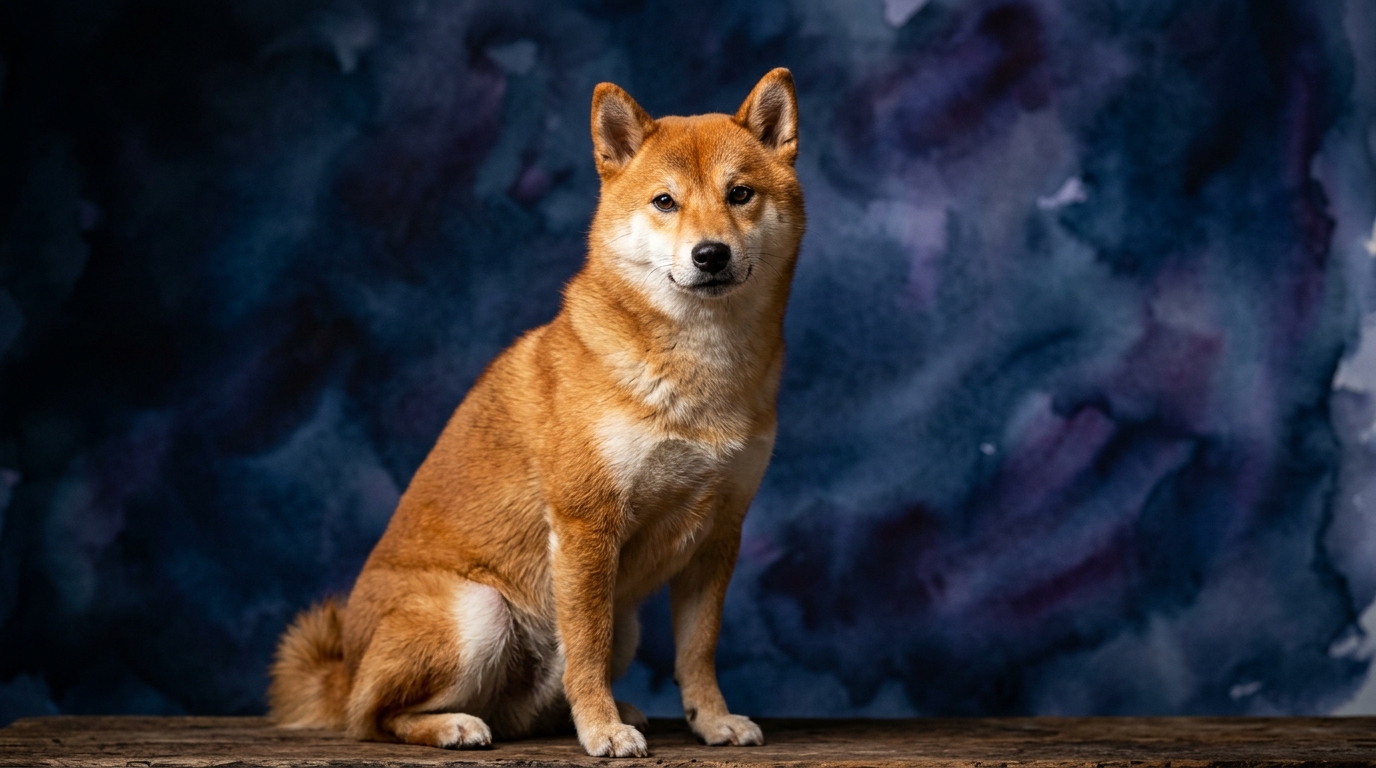
In our Cosmic Pet Pet IQ Lab, we assess canine intelligence across five critical dimensions. The Shiba Inu, a breed hailing from Japan, demonstrates a Problem Solving score of 4/5, indicating a strong capacity for independent thought and figuring out complex situations without direct human intervention. Its Training Speed is rated 2/5, reflecting a selective willingness to comply and a need for consistent, patient methods. Social Intelligence stands at 3/5, suggesting a moderate ability to understand human cues and interact appropriately, often with a reserved demeanor. Its Instinctive Drive is a formidable 5/5, highlighting a powerful inherent motivation to follow its natural urges, particularly in hunting and guarding. Finally, the Shiba Inu's Memory is rated 4/5, showing a robust ability to retain information and learned behaviors over time.
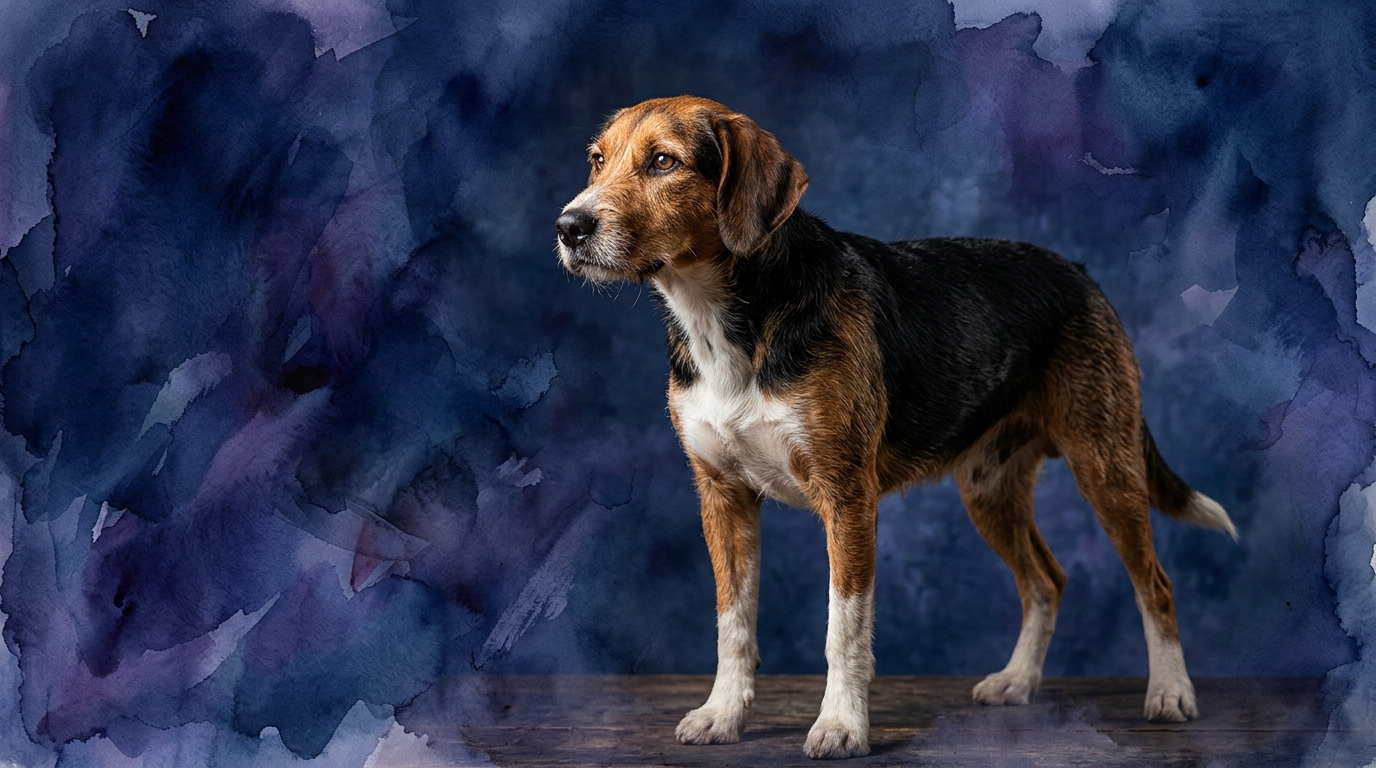
Conversely, the Harrier, a British scent hound, presents a slightly different cognitive makeup. Its Problem Solving ability is rated 3/5, meaning it is competent at navigating challenges but might rely more on trial-and-error or established routines rather than novel solutions. The Harrier's Training Speed is 3/5, indicating a more amenable disposition to learning commands than the Shiba, though still requiring engaging methods to maintain focus, especially amidst enticing scents. Like the Shiba, its Social Intelligence is 3/5, signifying a solid capacity for interacting with its human pack and other canines. The Harrier's Instinctive Drive is 3/5, a balanced score that points to a persistent but manageable drive, primarily focused on scent work and pack cooperation. Its Memory also scores 3/5, suggesting it can recall tasks and commands reliably, though perhaps not with the same depth as the Shiba Inu.
Where the Shiba Inu Wins Cognitively
The Shiba Inu clearly excels in areas demanding independent thought and self-reliance, primarily reflected in its superior Problem Solving (4/5) and Memory (4/5) scores. This breed exhibits a cunning ability to navigate its environment, often devising its own solutions to obstacles, whether it's escaping a yard or figuring out how to retrieve a hidden treat. This isn't just about raw cleverness; it's about a dog that can process information and strategize autonomously. Their robust memory further enhances this, allowing them to recall past successes and failures, contributing to their independent decision-making process. This cognitive strength means a Shiba Inu can often outmaneuver or outthink situations that might leave other breeds stumped without human guidance. The Shiba’s exceptional Instinctive Drive (5/5) also contributes to its cognitive wins when tasks align with its inherent motivations, allowing it to pursue goals with unmatched focus and determination, whether it’s hunting small prey or guarding its territory, often requiring complex sequences of actions and memory recall to achieve success.
Where the Harrier Wins Cognitively
While the Harrier's scores might appear more moderate across the board, its cognitive strengths lie in areas that foster cooperation and sustained effort within a specific context. The Harrier’s Training Speed (3/5) is a distinct advantage over the Shiba Inu’s 2/5. This indicates a greater willingness and aptitude for absorbing and responding to human commands, making the initial stages of obedience training generally smoother. This isn't to say a Harrier is always easy to train, especially when a compelling scent distracts it, but its baseline receptiveness to instruction is higher. Furthermore, the Harrier’s Instinctive Drive (3/5), while lower than the Shiba’s, is often more directed and manageable for owners. This drive is typically channeled towards sustained scent work and cooperative hunting, making it an excellent candidate for activities like tracking or agility where consistent engagement with a handler is key. Its cognitive profile supports endurance in focus and task execution rather than independent problem-solving, making it highly effective in roles requiring teamwork and perseverance over individual cunning.
Which is Easier to Train and Why
When it comes to ease of training, the Harrier generally presents a more straightforward path for most owners compared to the Shiba Inu. The Harrier’s Training Speed of 3/5 reflects a greater inherent desire to work alongside its human companion and a more receptive attitude towards learning commands. While its hound nature means it can be easily distracted by compelling scents, a Harrier typically responds well to positive reinforcement and consistent methods, driven by a desire to please its pack. Its social intelligence (3/5) supports this cooperative learning environment. In contrast, the Shiba Inu's Training Speed of 2/5 is a significant indicator of its independent and often stubborn nature. This breed possesses a strong will and a deep-seated self-reliance, making it less inclined to blindly follow commands. Training a Shiba requires immense patience, creativity, and a deep understanding of canine motivation, often feeling more like a negotiation than a command-and-response session. Their high instinctive drive (5/5) means they prioritize their own impulses over human directives, frequently leading to selective hearing, especially if something more interesting catches their attention. Therefore, while both breeds can be trained, the Harrier’s cognitive inclination towards cooperation makes the process less challenging on average.
Which Suits Active Owners vs. Relaxed Owners
For active owners seeking a canine partner for sustained physical and mental engagement, both breeds offer distinct appeals, but the Harrier often aligns better with consistent, cooperative activity. The Harrier’s 3/5 instinctive drive, combined with its higher training speed, makes it an excellent companion for activities like long-distance running, hiking, or scent work, where it can engage with its owner in a structured manner over extended periods. It thrives on having a job and being part of a team, making it suitable for owners who enjoy shared outdoor adventures and training sessions. Its moderate problem-solving and memory scores mean it learns routines well and can be relied upon to perform tasks consistently.
The Shiba Inu, with its high instinctive drive (5/5) and strong problem-solving skills (4/5), also requires significant activity but often prefers it on its own terms. An active owner for a Shiba Inu needs to be prepared for a dog that enjoys independent exploration, challenging puzzles, and bursts of intense activity rather than sustained, cooperative efforts. They thrive on mental stimulation that allows them to use their cunning and memory, such as complex puzzle toys or secure off-leash areas for exploration. For more relaxed owners, neither breed is ideal as a couch potato. However, a relaxed owner seeking a dog that is less demanding in terms of structured, cooperative engagement might find the Shiba Inu's independent nature more fitting, provided they can offer ample secure space for self-directed activity and mental enrichment. The Harrier, on the other hand, would likely become bored and potentially destructive without regular, engaging activity alongside its human, making it less suitable for a truly relaxed lifestyle.
The Verdict
Choose the Shiba Inu if you appreciate an independent, cunning companion that thrives on solving problems autonomously and offers a unique, often reserved, bond, provided you are prepared for its strong will and selective obedience. This breed is for those who value a dog with a mind of its own and are ready for the patience required in training.
Opt for the Harrier if you desire a cooperative, persistent companion for active pursuits, especially those involving scent work or sustained outdoor activity, and are looking for a dog that is generally more receptive to training commands. This breed suits owners who enjoy a strong partnership in their adventures and can provide consistent engagement.
🧠 Find Your Pet's IQ Score
Our Pet IQ Lab assessment covers 25+ tests across 5 cognitive dimensions — personalized to your breed.
Take the Full IQ Test →Frequently Asked Questions
Is the Shiba Inu a good choice for first-time dog owners?
The Shiba Inu's strong independent streak and 2/5 training speed can make it challenging for first-time dog owners. They require consistent, patient training and an understanding of their unique motivations, which might be overwhelming without prior experience.
Do Harriers get along well with other pets?
Harriers, with their 3/5 social intelligence and history as pack hounds, generally get along well with other dogs and can adapt to living with other pets if properly socialized from a young age. Their cooperative nature makes them good multi-pet household candidates.
How much exercise does a Shiba Inu need compared to a Harrier?
Both breeds require significant exercise, but the nature differs. A Shiba Inu needs intense bursts of activity and mental challenges for its 5/5 instinctive drive, while a Harrier needs sustained, vigorous exercise, often involving scent work or long runs, to satisfy its 3/5 drive for endurance and cooperation.