Side-by-Side IQ Profile: A Deeper Look at Canine Minds
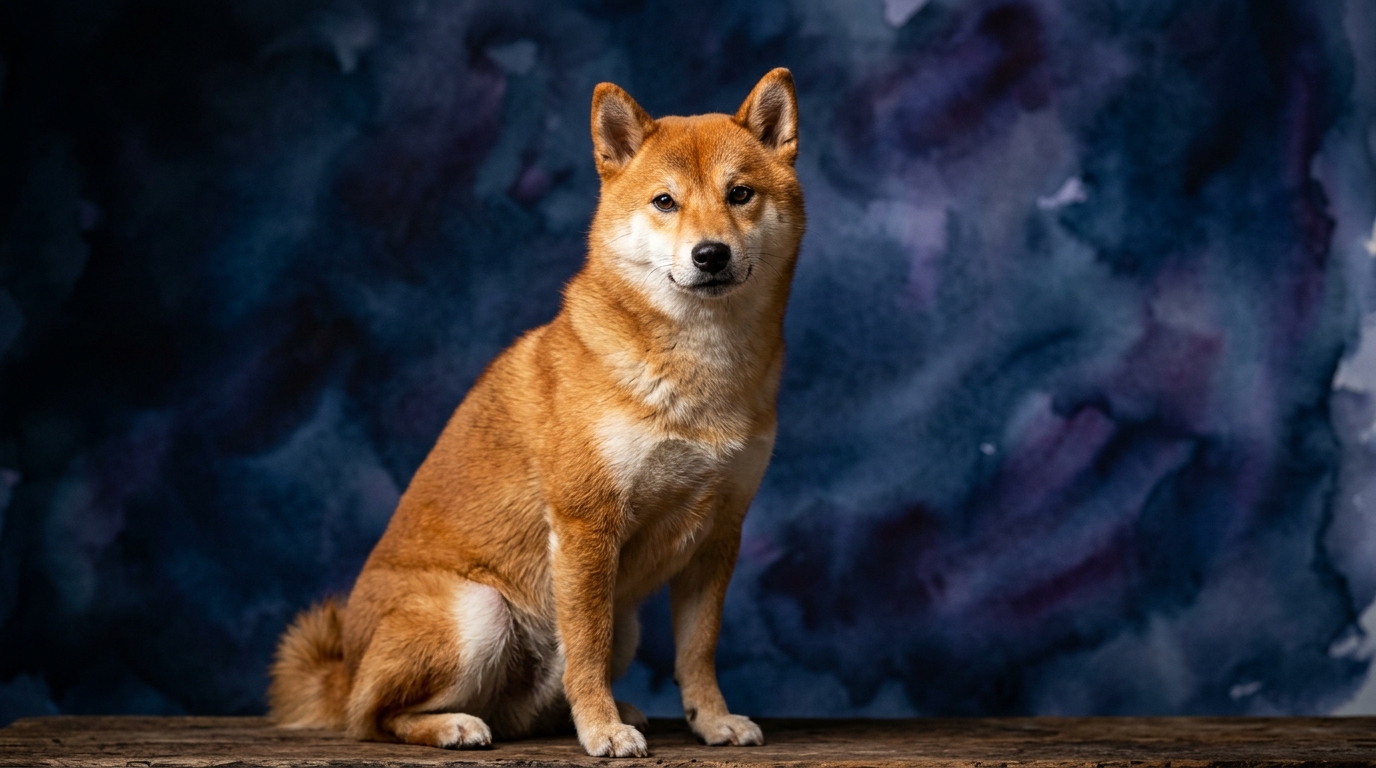
The Cosmic Pet Pet IQ Lab employs a five-dimensional framework to assess canine intelligence, offering a nuanced perspective beyond simple obedience. For the Shiba Inu, a breed rooted in hunting and survival, its scores reflect a self-reliant nature: problem Solving 4/5, training Speed 2/5, social Intelligence 3/5, instinctive Drive 5/5, and memory 4/5. This profile paints a picture of a dog adept at independent thought and action.
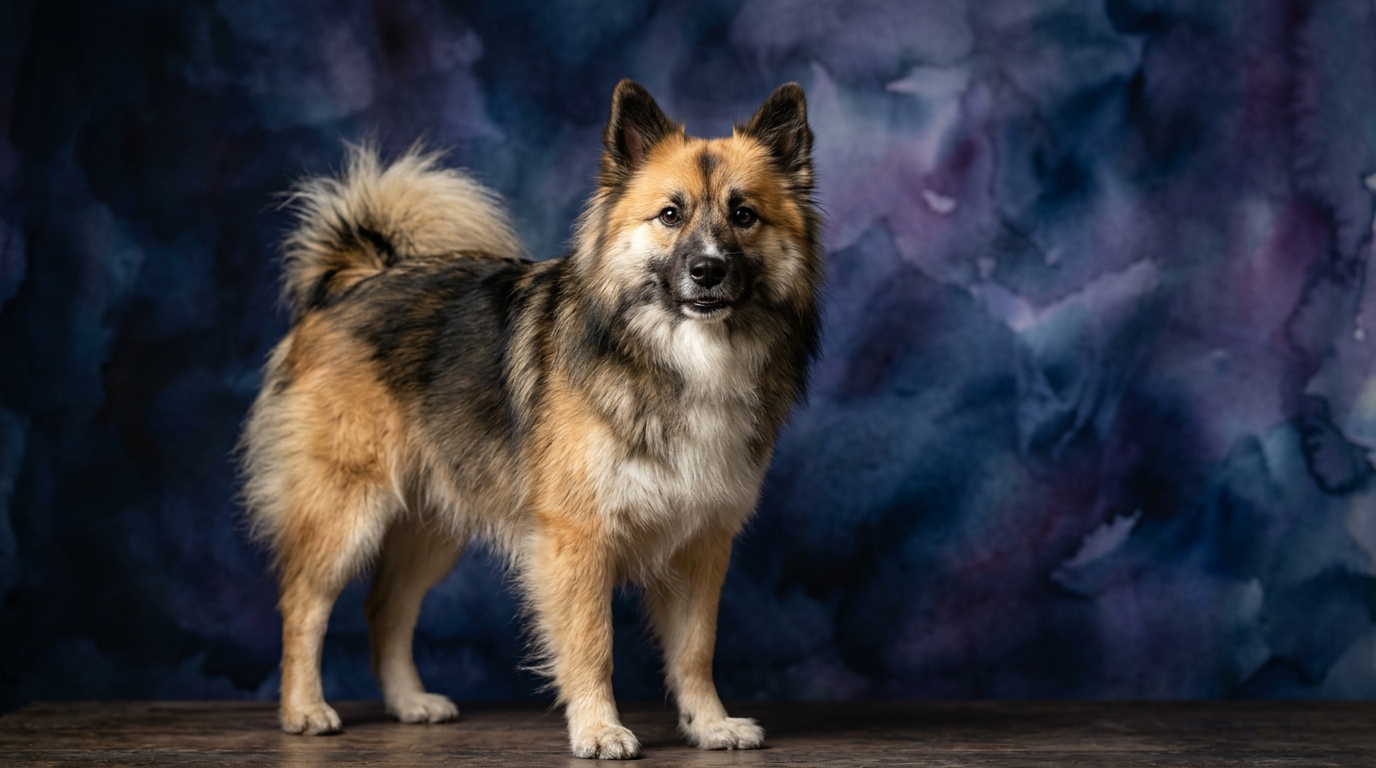
In contrast, the Icelandic Sheepdog, bred for herding in challenging terrain, exhibits a more collaborative intelligence: problem Solving 3/5, training Speed 3/5, social Intelligence 3/5, instinctive Drive 3/5, and memory 3/5. Its scores suggest a dog more inclined towards teamwork and responsiveness, reflecting centuries of working closely with humans to manage livestock.
Where the Shiba Inu Excels Cognitively
The Shiba Inu's cognitive strengths truly shine in areas demanding independent thought and self-sufficiency. With a problem Solving score of 4/5, this breed frequently demonstrates a knack for figuring things out on its own, whether it's navigating complex environments or devising novel ways to access desired objects. Owners often report Shibas mastering intricate puzzle toys quickly or even learning to open doors through observation and trial-and-error, a testament to their individualistic approach to challenges.
Complementing this is their impressive memory (4/5), allowing them to retain solutions and experiences, both positive and negative, for extended periods. This strong recall, combined with a formidable instinctive Drive (5/5), means a Shiba remembers where resources are hidden and how to obtain them, often driven by a powerful internal motivation to explore and secure its own interests. Their high drive translates into persistent pursuit of goals, be it a squirrel in the yard or a treat stashed away, making them incredibly resourceful.
Where the Icelandic Sheepdog Shines Cognitively
The Icelandic Sheepdog's cognitive strengths are rooted in its cooperative heritage, making it an excellent partner in shared tasks. While its problem Solving score of 3/5 is slightly lower than the Shiba's, the Icelandic Sheepdog often applies its intellect to understanding human cues and working within a structured environment, focusing on practical solutions that benefit the group. They are adept at reading situations and responding appropriately within a team context.
Their training Speed, at 3/5, surpasses the Shiba's, indicating a greater willingness and aptitude for learning human-directed commands and routines efficiently. This responsiveness makes them quicker to pick up new skills in a positive reinforcement setting, demonstrating a desire to please and engage. Furthermore, their instinctive Drive (3/5), while present, is typically channeled into manageable herding behaviors rather than purely self-serving pursuits. This allows for easier redirection and integration into a family unit, as their natural inclinations lean towards monitoring and guiding rather than independent hunting. Their social Intelligence, matching the Shiba at 3/5, often manifests as a keen awareness of pack dynamics and a desire to communicate effectively with their human companions, making them perceptive to moods and intentions.
Which Breed is Easier to Train, and Why
When it comes to ease of training, the Icelandic Sheepdog generally presents a more straightforward experience for most owners. Their training Speed of 3/5, coupled with a moderate instinctive Drive of 3/5, means they are typically eager to please and respond well to consistent, positive reinforcement. An Icelandic Sheepdog's inherent desire to work alongside humans, stemming from centuries of herding partnership, translates into a dog that readily engages in training sessions and seeks to understand what is expected of it. They tend to form strong bonds and value cooperation, making them highly receptive to learning obedience cues and participating in dog sports, often with enthusiasm.
The Shiba Inu, by contrast, with a training Speed of 2/5 and an instinctive Drive of 5/5, presents a more significant training challenge. Their strong independent streak means they often question commands or decide if a given task aligns with their own interests before complying; they are not inherently driven to please. While they possess excellent problem-solving skills, these are frequently applied to outsmarting their trainers or finding loopholes in rules rather than dutifully performing tasks. Their high prey drive and self-preservation instincts mean they can be easily distracted by environmental stimuli, and their memory, while strong, can also mean they remember past negative experiences vividly, making consistent, patient, and engaging training absolutely crucial to build trust and cooperation, alongside a robust understanding of canine psychology.
Which Suits Active Owners vs. Engaged Owners
The distinction between 'active' and 'engaged' owners is crucial when considering these two breeds. The Icelandic Sheepdog is an ideal companion for truly active owners who desire a canine partner for shared adventures and structured activities. Their moderate instinctive drive and cooperative nature mean they thrive on daily walks, hikes, dog sports like agility or herding trials, and consistent mental stimulation through training. They are typically eager to participate and form a close bond through shared experiences, making them excellent companions for those who enjoy integrating their dog into an energetic lifestyle and providing ample interaction and purpose.
The Shiba Inu, while possessing a high instinctive drive, doesn't necessarily demand the same type of 'active partnership.' Instead, they suit engaged owners who appreciate independence and can provide consistent mental stimulation and secure boundaries without requiring constant physical interaction or a highly biddable companion. A Shiba needs owners who are proactive in managing their strong drive, providing secure yards, long leash walks, and puzzle toys to satisfy their problem-solving instincts. They thrive with owners who understand their nuanced communication, respect their personal space, and are prepared for a dog that often prefers to observe rather than constantly participate. They may not be the dog for someone seeking a constant shadow, but rather a confident, self-possessed companion who offers affection on their own terms.
The Verdict: When to Choose Each Breed
The choice between a Shiba Inu and an Icelandic Sheepdog ultimately hinges on an owner's lifestyle, training philosophy, and desired canine partnership. Each breed offers a distinct set of cognitive strengths that will either complement or challenge different human approaches to dog ownership.
The Verdict
Choose the Shiba Inu if you appreciate an independent, resourceful companion who excels at figuring things out on their own, and you are prepared for a training journey that prioritizes patience, consistency, and respecting their self-assured nature.
Opt for the Icelandic Sheepdog if you seek a cooperative, responsive partner eager to engage in shared activities and training, thriving on consistent interaction and a clear sense of purpose within a family unit.
🧠 Find Your Pet's IQ Score
Our Pet IQ Lab assessment covers 25+ tests across 5 cognitive dimensions — personalized to your breed.
Take the Full IQ Test →Frequently Asked Questions
Are Shiba Inus difficult to train?
While not 'difficult' in the sense of lacking capacity, Shiba Inus present training challenges due to their strong independence (training Speed 2/5) and high instinctive drive (5/5). They require patient, consistent, and reward-based methods to build trust and cooperation, as they often prefer to make their own decisions rather than follow commands blindly.
Do Icelandic Sheepdogs need a lot of exercise?
Icelandic Sheepdogs, with their herding background, do require regular physical activity and mental engagement. Their moderate instinctive drive (3/5) means they thrive on daily walks, playtime, and opportunities for structured activities like dog sports or puzzle toys to keep them content, well-behaved, and prevent boredom-induced behaviors.
Which breed is better with children?
Both breeds can be good with children with proper socialization and supervision, but their temperaments differ. Icelandic Sheepdogs often have a more patient and cooperative nature, making them generally more tolerant and playful with respectful children. Shiba Inus, due to their independent and sometimes aloof nature, may prefer older, calmer children who understand canine body language and respect their boundaries, as they are less inclined to tolerate rough play.