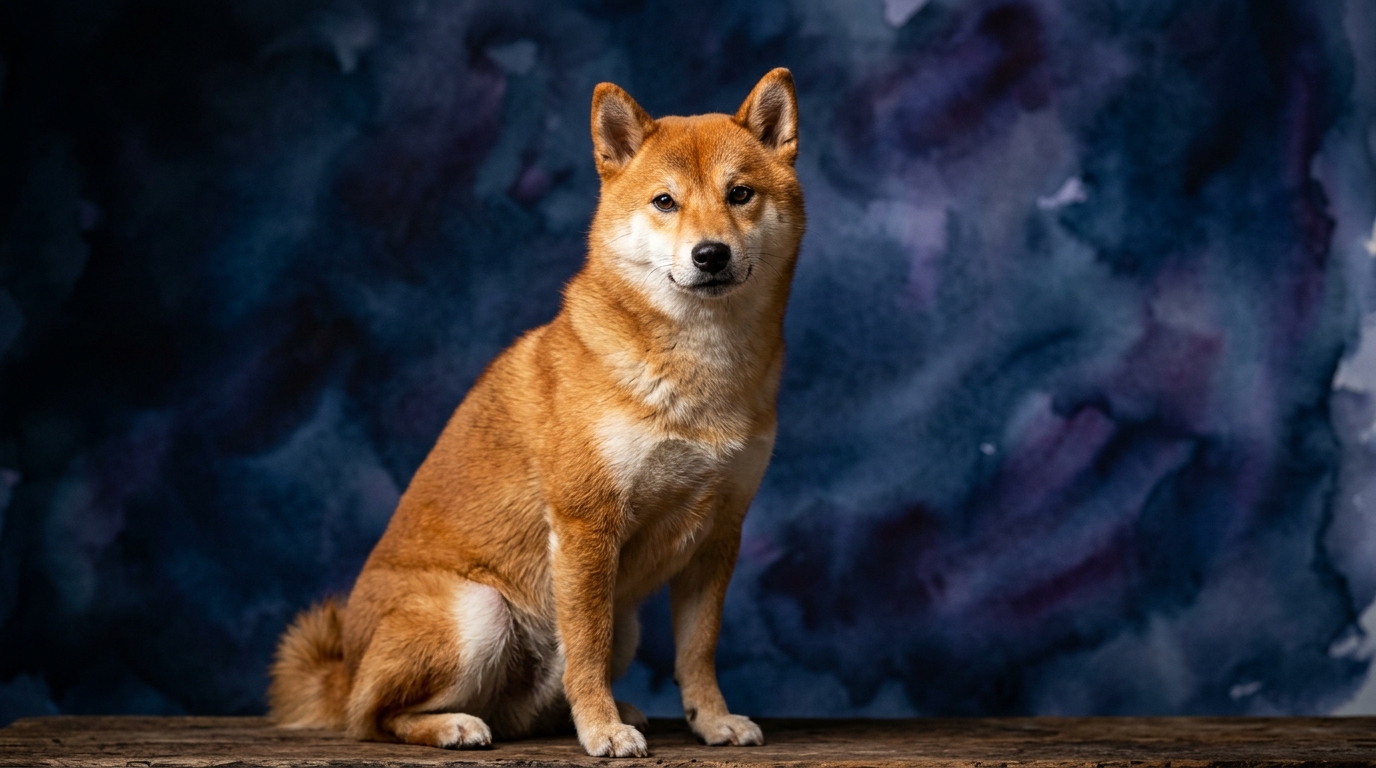
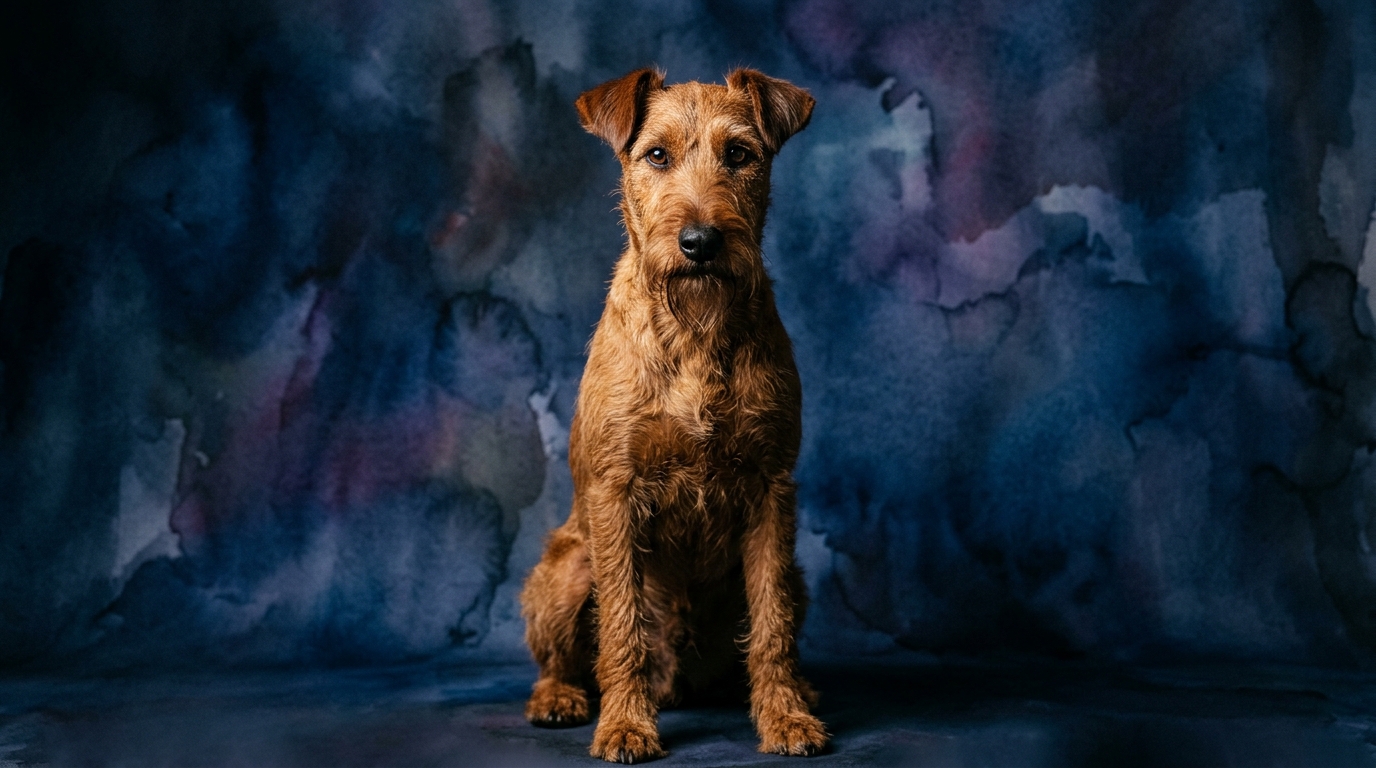
Side-by-Side IQ Profile: Shiba Inu vs. Irish Terrier
The Cosmic Pet Pet IQ Lab provides a comprehensive framework for understanding canine cognition, evaluating breeds across five crucial dimensions. For the Shiba Inu and Irish Terrier, these scores illuminate their unique mental makeups.
Shiba Inu:
Problem Solving (4/5): The Shiba Inu possesses a keen intellect, often demonstrating a knack for independent thought and figuring out complex situations. This breed excels at navigating challenges, whether it's opening a child-proof gate or devising a strategy to obtain a desired item, showcasing a robust capacity for cognitive mapping and strategic thinking.
Training Speed (2/5): Learning new commands isn't necessarily slow for a Shiba, but their willingness to consistently obey them is where the challenge lies. Their independent nature means they quickly grasp what is being asked but will often weigh the personal benefit before complying, making rapid, consistent training a patient endeavor.
Social Intelligence (3/5): Shibas can be discerning in their social interactions, forming deep bonds with their chosen few but often maintaining a reserved demeanor with strangers. They are adept at reading human cues and emotions, though they may not always choose to act on them if it conflicts with their own priorities.
Instinctive Drive (5/5): This breed exhibits a powerful, ingrained set of instincts, particularly a strong prey drive and a profound sense of self-preservation. This high drive means they are intensely focused and persistent when pursuing natural urges, which influences much of their behavior and requires careful management.
Memory (4/5): Shiba Inus demonstrate excellent memory, recalling past experiences, learned commands, and routines with notable accuracy. This strong recall contributes to their problem-solving abilities, allowing them to remember successful strategies or past negative associations for future reference.
Irish Terrier:
Problem Solving (3/5): The Irish Terrier shows a solid capacity for problem-solving, capable of navigating everyday challenges with practical intelligence. While perhaps less inclined towards independent, intricate strategizing compared to the Shiba, they are resourceful and can adapt effectively to new situations.
Training Speed (3/5): Irish Terriers generally exhibit a good willingness to learn and engage with their handlers, making them responsive to training efforts. They pick up new commands at a moderate pace, demonstrating a cooperative spirit that facilitates consistent learning, though a typical terrier zest for life can sometimes translate into spirited distractions.
Social Intelligence (3/5): With a score matching the Shiba, the Irish Terrier's social intelligence manifests differently, often with a more outgoing and overtly friendly disposition. They are generally adept at interpreting social cues and integrating smoothly into family dynamics, building strong, affectionate relationships.
Instinctive Drive (3/5): While possessing the characteristic terrier drive for chasing and exploring, the Irish Terrier's instinctive urges are typically more balanced and manageable than some other breeds. This moderate drive allows them to remain attentive to human direction without being overwhelmingly distracted by primal impulses.
Memory (3/5): Irish Terriers have a reliable memory for commands, routines, and experiences, which aids in their general trainability and adaptability. They retain lessons learned, both positive and negative, contributing to their consistent behavior patterns over time.
Where the Shiba Inu Excels Cognitively
The Shiba Inu’s cognitive strengths are particularly evident in their problem-solving prowess and their potent instinctive drives. Their 4/5 problem-solving score means they are adept at independent thought, often finding ingenious ways to overcome obstacles or achieve desired outcomes without direct human intervention. This can manifest as cleverly figuring out how to open doors, outsmarting barriers to access food, or navigating complex environments with a surprising degree of autonomy. This isn't just about simple tasks; it reflects a capacity for strategic planning and environmental manipulation.
Furthermore, their 5/5 instinctive drive, while challenging in some contexts, is a cognitive advantage in others. It fuels a remarkable persistence and focus when pursuing natural goals, such as tracking a scent or chasing perceived prey. This strong drive, coupled with their 4/5 memory, allows them to recall intricate routes, successful hunting strategies, or the location of interesting stimuli with precision. For owners who can channel this intensity into activities like scent work or agility, the Shiba’s ability to process and act on these deep-seated urges is truly impressive, demonstrating a sophisticated internal compass and a formidable will.
Where the Irish Terrier Shines Cognitively
While the Irish Terrier's individual scores might seem less extreme than the Shiba's in certain areas, their cognitive profile offers a different, often more harmonious, set of advantages within a domestic setting. Their 3/5 training speed, combined with a 3/5 social intelligence, points to a canine that is generally more eager to engage and cooperate with its human companions. This means they are typically more receptive to learning from their handlers and integrating lessons into their behavior patterns.
The Irish Terrier's balanced 3/5 instinctive drive is another significant cognitive asset. Unlike the Shiba’s overwhelming primal urges, the Irish Terrier’s instincts are present but more readily managed, allowing for greater focus on human-directed tasks. This adaptability makes them excellent partners for various activities where cooperation is key, such as obedience training, agility, or therapy work. Their social intelligence, manifesting as a generally more outgoing and robust sociability, enables them to navigate complex social dynamics with ease, often serving as intuitive and engaging family members who readily understand and respond to the emotional climate of their home.
Which is Easier to Train and Why?
When it comes to ease of training, the Irish Terrier generally presents a more straightforward experience for the average owner compared to the Shiba Inu. The Irish Terrier's 3/5 training speed reflects a commendable willingness to learn and please, which is a significant behavioral advantage. They typically respond well to consistent, positive reinforcement methods, showing enthusiasm for working alongside their human. Their moderate instinctive drive (3/5) means they are less prone to being overwhelmingly distracted by internal urges, allowing them to focus more effectively on commands and tasks presented by their handler. This inherent biddability fosters a cooperative learning environment.
In contrast, the Shiba Inu's 2/5 training speed score highlights their independent and discerning nature. While they are certainly capable of understanding commands, their decision to comply often hinges on their perception of its immediate value or interest to them. This isn't a lack of comprehension but rather a strong self-determination. Training a Shiba requires immense patience, creativity, and a deep understanding of canine motivation. Handlers must make training a highly rewarding game, often having to outsmart the Shiba’s own cleverness (4/5 problem solving) to maintain engagement. Their powerful 5/5 instinctive drive can also make recall and focus challenging in environments with tempting distractions, demanding a more experienced hand to navigate effectively.
Cognitive Match: Active Owners vs. Relaxed Owners
Matching a dog's cognitive profile to an owner's lifestyle is crucial for a harmonious relationship. For active owners seeking a canine companion for shared adventures and structured engagement, the Irish Terrier is often a fitting choice. Their 3/5 problem-solving ability, combined with a 3/5 training speed and a manageable 3/5 instinctive drive, means they thrive on participation. They enjoy activities like hiking, running, or dog sports where they can work cooperatively with their human, channeling their energy and intelligence into shared goals. They are adaptable and derive satisfaction from being a part of family activities, making them excellent partners for a consistently active household.
The Shiba Inu, while also active, demands a different kind of engagement, making them a better fit for owners who appreciate and can manage a dog with profound independence and intense drives. Their 5/5 instinctive drive requires significant outlets that tap into their natural behaviors, such as extensive scent work, secure off-leash running in safe areas, or complex puzzle toys that challenge their 4/5 problem-solving skills. Simply providing physical exercise without mental stimulation can lead to a Shiba inventing their own, potentially destructive, forms of entertainment. Owners who are prepared for a dog that thinks for itself, and who can provide consistent mental challenges to satisfy their deep-seated urges, will find a rewarding companion. For truly relaxed owners seeking a low-maintenance mental companion, neither breed is ideal, but the Irish Terrier’s more cooperative nature makes it more adaptable to varied levels of activity, provided its basic needs are met.
The Verdict
Choose a Shiba Inu if you appreciate a clever, independent canine companion, are prepared for a consistent, creative training commitment, and can provide ample mental stimulation to channel their strong instincts.
Opt for an Irish Terrier if you desire a spirited, cooperative partner for various activities, valuing a dog that engages readily in training and family life with a balanced temperament.
🧠 Find Your Pet's IQ Score
Our Pet IQ Lab assessment covers 25+ tests across 5 cognitive dimensions — personalized to your breed.
Take the Full IQ Test →Frequently Asked Questions
Are Shiba Inus stubborn?
Shiba Inus often exhibit independence rather than pure stubbornness; their lower training speed score (2/5) indicates they prioritize their own agenda, requiring highly motivating and consistent training approaches. They understand commands but often choose whether to comply based on their perceived value.
Do Irish Terriers get along with other pets?
Irish Terriers, with their balanced social intelligence (3/5) and moderate instinctive drive (3/5), can typically coexist well with other pets, especially if socialized early. Their terrier nature means some may have a chase instinct, but it's generally more manageable than breeds with higher prey drives.
How much exercise does a Shiba Inu need to stay mentally stimulated?
A Shiba Inu requires significant mental and physical exercise, often needing at least an hour of vigorous activity daily, supplemented with puzzle toys, scent games, and training sessions to satisfy their high problem-solving ability and intense instinctive drive. Without adequate outlets, they may invent their own, less desirable, forms of entertainment.