Side-by-Side Cognitive Profiles
The Cosmic Pet Pet IQ Lab assesses canine intelligence across five key dimensions, providing a nuanced view of each breed's mental landscape.
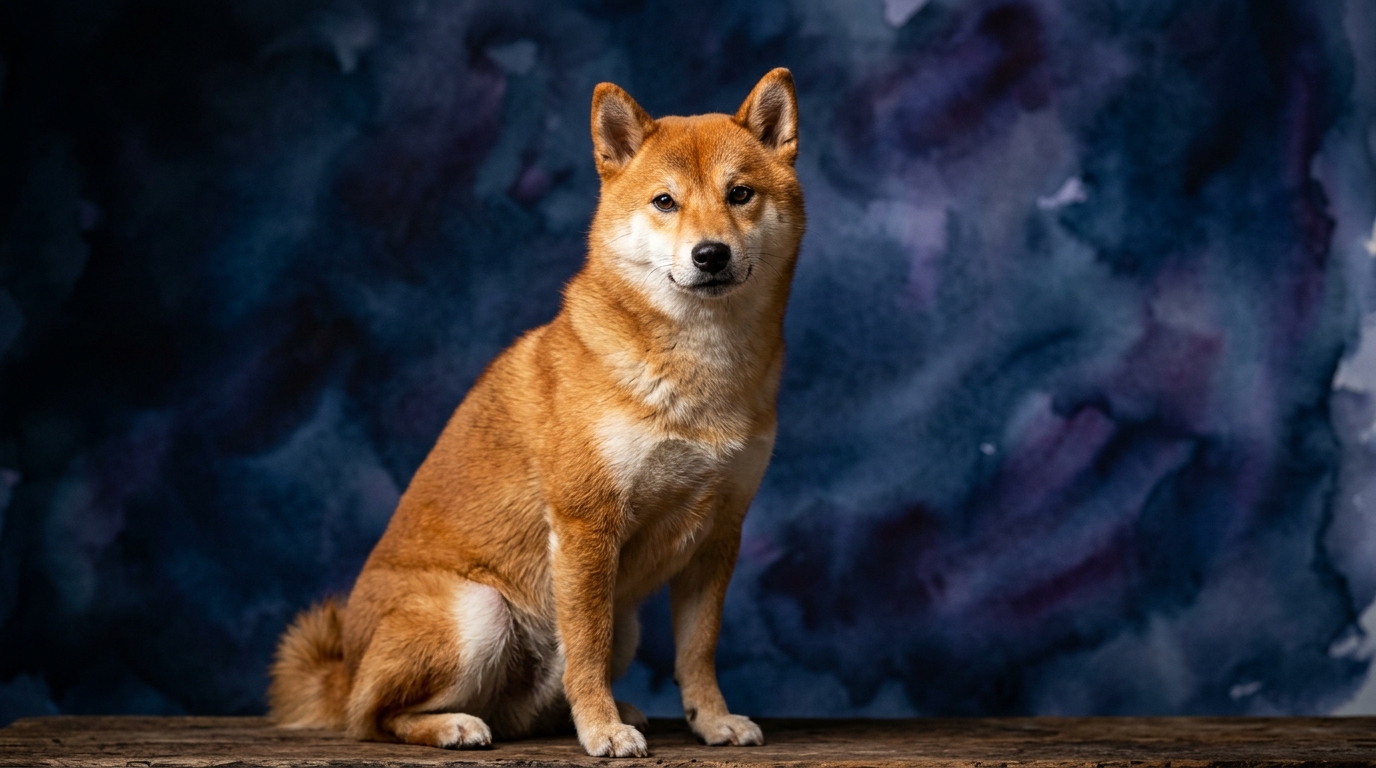
The Shiba Inu, an ancient Japanese hunting dog classified in the Non-Sporting Group, demonstrates a Problem Solving score of 4/5, indicating a strong capacity for independent thought and figuring out complex situations. Their Training Speed is 2/5, reflecting a selective willingness to comply that can make formal instruction a slower process. Social Intelligence stands at 3/5, suggesting a reserved but capable understanding of social cues, often with a preference for their inner circle. An impressive Instinctive Drive of 5/5 highlights their strong prey drive and territoriality, a remnant of their hunting heritage. Finally, their Memory is rated 4/5, showing a robust ability to recall past experiences and learned behaviors.
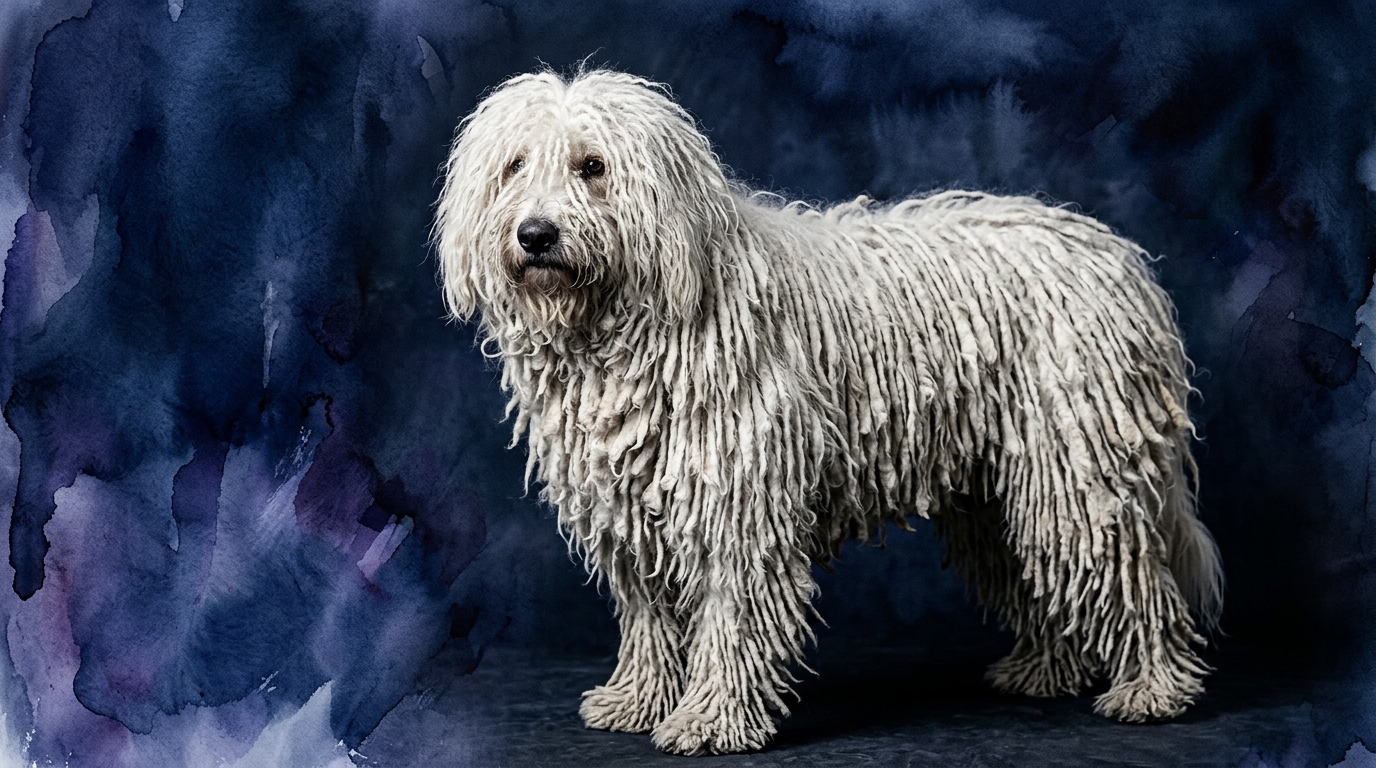
In contrast, the Komondor, a formidable livestock guardian from the Working Group, is Coren-ranked at #67, placing it in the realm of fair working/obedience intelligence. Their Problem Solving ability is 3/5, demonstrating practical, situational intelligence crucial for their guarding duties rather than abstract puzzles. Training Speed is 3/5, suggesting a moderate pace of learning, often requiring clear motivation and purpose. Social Intelligence is 3/5, characterized by a reserved demeanor towards strangers but a deep, discerning bond with their family. Instinctive Drive is 3/5, primarily focused on their inherent guarding behaviors rather than a high prey drive. Their Memory score is 3/5, indicating an adequate ability to retain commands and recognize routines relevant to their protective role.
Where the Shiba Inu Excels Cognitively
The Shiba Inu's superior Problem Solving (4/5) and Memory (4/5) are distinct cognitive advantages. This manifests in their remarkable ability to strategize and adapt, whether it's figuring out how to open a seemingly secure gate, manipulating their environment to their advantage, or remembering specific past events that led to a desired outcome. This higher capacity for independent thought means they often learn from a single negative experience and recall complex sequences of actions.
Their strong Instinctive Drive (5/5) also contributes to a certain cunning, as they are highly motivated to pursue their own interests, often requiring owners to be equally clever in anticipating their next move. This combination of quick thinking and excellent recall makes them adept at navigating their world on their own terms, sometimes to the bewilderment of their human companions.
Where the Komondor Stands Out Cognitively
The Komondor's cognitive strengths lie in their specialized, independent working intelligence, honed over centuries as livestock guardians. While their Problem Solving (3/5) might not involve complex puzzle-solving like the Shiba, it is profoundly effective in practical, real-world scenarios. They excel at assessing threats, making autonomous decisions to protect their charges, and understanding the nuances of their territory without constant human direction.
Their Social Intelligence (3/5) is uniquely tailored to their role; it's not about broad friendliness, but deep loyalty and discernment. They form incredibly strong bonds with their family unit, displaying a profound understanding of their emotional states and a protective instinct that comes from a deep cognitive connection. This translates to an unwavering vigilance and a capacity to differentiate between friend and perceived foe with considerable accuracy.
Trainability: Shiba Inu vs. Komondor
When it comes to trainability, the Shiba Inu (Training Speed 2/5) presents a significant challenge due to their inherent independence and strong will. They learn quickly, remembering commands (Memory 4/5), but their compliance is often optional, driven by whether they perceive a task to be in their own best interest. Training a Shiba requires immense patience, creativity, and positive reinforcement to motivate them, as they are not inherently eager to please and can become bored or stubborn if not engaged.
The Komondor (Training Speed 3/5) offers a moderately easier training experience, though they are far from automatic performers. They respond well to consistent, firm, and fair leadership, understanding the purpose behind commands rather than performing for mere entertainment. Their independent guarding instincts mean early and extensive socialization is crucial, but once they grasp a concept, their moderate memory (3/5) ensures it sticks. Neither breed is suited for a novice owner seeking a highly biddable companion; both require an understanding of their deep-seated behavioral traits.
Lifestyle Match: Active vs. Relaxed Owners
Neither the Shiba Inu nor the Komondor can truly be considered a choice for a 'relaxed' owner in the sense of minimal engagement. The Shiba Inu, despite not requiring endless physical exertion, demands significant mental activity and consistent management of their high Instinctive Drive (5/5). Owners must be proactive in providing outlets for their problem-solving skills and prey drive, whether through puzzle toys, trick training, or secure off-leash areas, making them suitable for owners who enjoy intellectually engaging with their canine companion.
The Komondor, while not a high-energy breed in terms of constant running, is also not for a hands-off owner. They need space to patrol and fulfill their guarding instincts, combined with early, consistent socialization and leadership. They thrive with owners who are present, provide a clear structure, and appreciate a watchful, independent guardian. Both breeds require dedicated owners who understand and respect their unique cognitive and behavioral makeups, rather than seeking a passive companion.
The Verdict
Choose the Shiba Inu if you appreciate a clever, independent companion who will constantly challenge your wits and you are prepared for creative, consistent training to manage their strong drives.
Opt for the Komondor if you seek a devoted, watchful guardian with a profound sense of purpose, and you can provide ample space, early socialization, and firm, consistent leadership.
🧠 Find Your Pet's IQ Score
Our Pet IQ Lab assessment covers 25+ tests across 5 cognitive dimensions — personalized to your breed.
Take the Full IQ Test →Frequently Asked Questions
Are Shiba Inus difficult to train due to their independence?
Yes, Shiba Inus are often considered challenging to train due to their strong independent streak and selective compliance. While they learn quickly, their willingness to perform a task depends on their own motivation, requiring patient and engaging training methods.
How does the Komondor's guarding instinct influence its problem-solving?
The Komondor's problem-solving is primarily practical and situation-specific, rooted in its guarding instincts. They excel at assessing threats and making autonomous decisions to protect their family or territory, rather than solving abstract puzzles for entertainment.
Which breed is better for a first-time dog owner?
Neither the Shiba Inu nor the Komondor is typically recommended for first-time dog owners. Both breeds possess strong, independent personalities and specific cognitive needs that require experienced handling, consistent training, and a deep understanding of their unique temperaments.