Side-by-Side IQ Profile
The Cosmic Pet Pet IQ Lab assesses canine intelligence across five key dimensions, offering a nuanced view of how breeds process information and interact with their world. For the Shiba Inu and Lakeland Terrier, these scores reveal their inherent aptitudes.
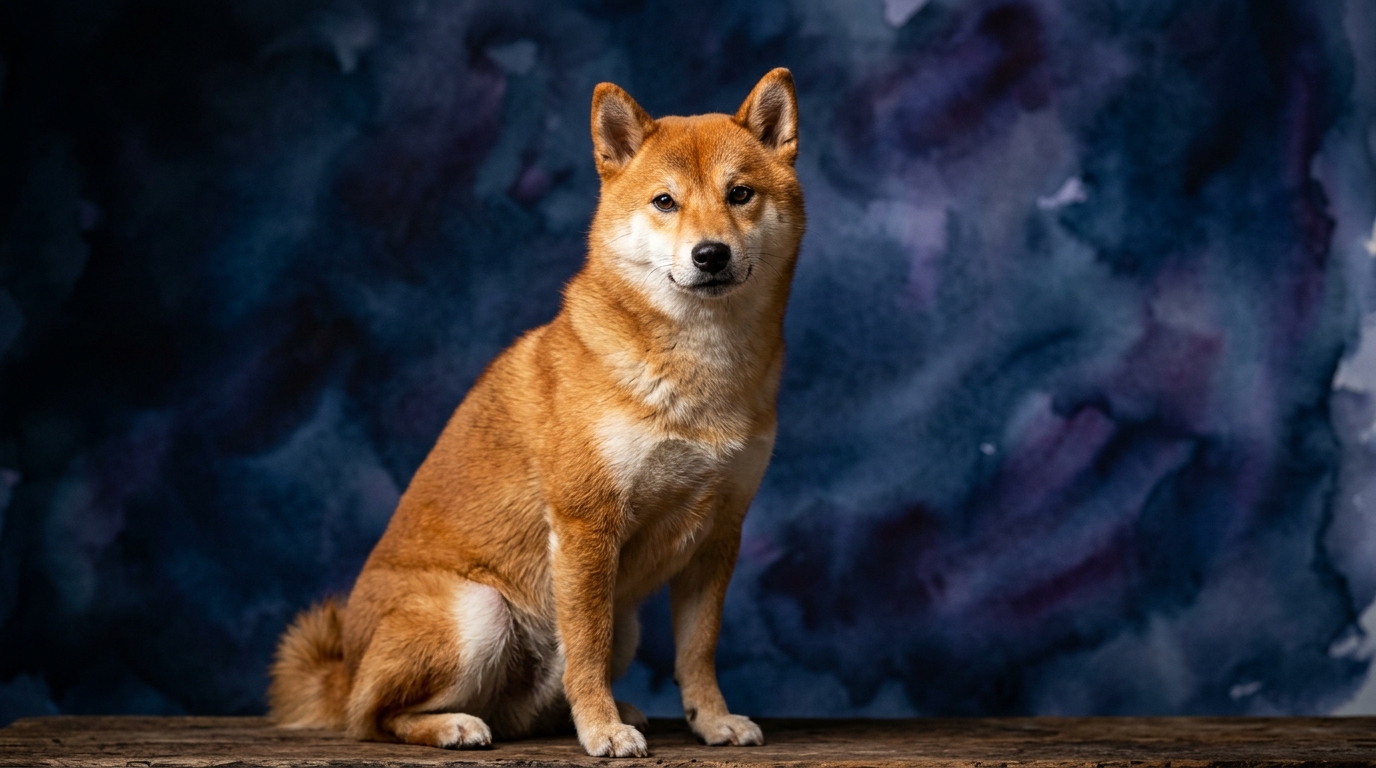
**Shiba Inu (Non-Sporting)**: This breed showcases a distinct cognitive makeup. Their **Problem Solving** is rated 4/5, indicating a high capacity for independent thought and clever solutions, often for self-serving purposes like escape or obtaining forbidden items. **Training Speed** stands at a challenging 2/5, reflecting their independent nature and a tendency to weigh commands against their own desires. **Social Intelligence** is 3/5; they are observant and discerning but often aloof, choosing when and with whom to engage. A powerful **Instinctive Drive** scores 5/5, demonstrating deep-seated prey and territorial instincts that heavily influence their behavior. Finally, their **Memory** is 4/5, allowing them to retain complex experiences and learned behaviors with impressive clarity.
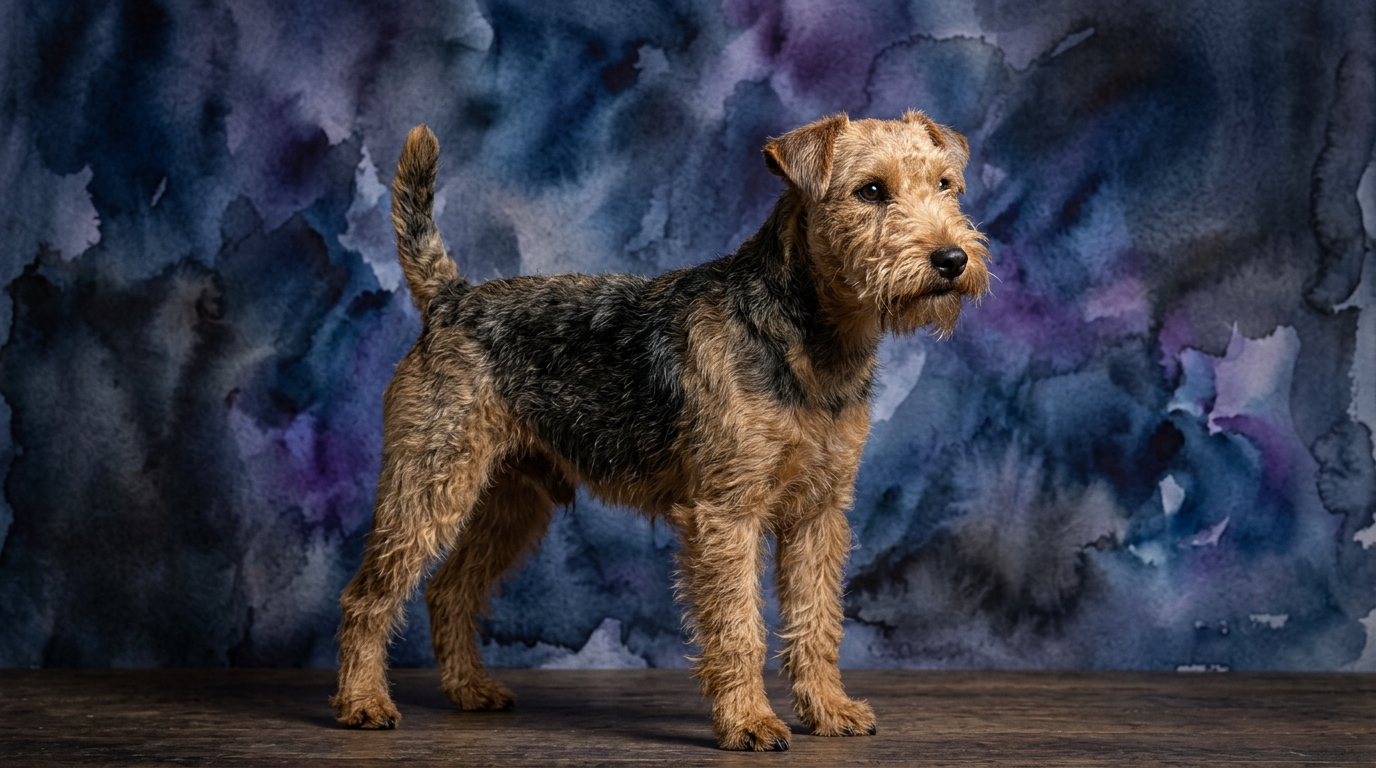
**Lakeland Terrier (Terrier)**: The Lakeland Terrier presents a different intellectual blueprint. Their **Problem Solving** is 3/5, signifying competence in navigating challenges, particularly those related to their terrier heritage, though perhaps less abstractly than a Shiba. **Training Speed** is 3/5, placing them in an average range, capable of learning with engaging, consistent methods. **Social Intelligence** also scores 3/5; they are typically confident and outgoing with their family, assessing new situations and individuals with a degree of wariness. Their **Instinctive Drive** is 3/5, a moderate yet present desire to chase and dig, which is more manageable than some other terrier breeds. Their **Memory** is 3/5, providing a solid recall for commands and routines, ensuring consistent performance once a behavior is established.
Where Shiba Inu Wins Cognitively
The Shiba Inu's cognitive strengths are particularly evident in its superior problem-solving acumen (4/5). This breed consistently demonstrates a remarkable ability to outmaneuver its environment, whether it's figuring out complex latches, opening doors, or devising intricate strategies to reach desired objects. Their solutions are often born from a deep-seated self-reliance, rather than a desire for human approval, showcasing a unique form of practical intellect.
Their profound instinctive drive (5/5) also represents a significant cognitive advantage, reflecting a heightened awareness of their surroundings and an acute ability to react based on ancestral survival instincts. This translates into exceptional vigilance, a strong sense of territory, and an unparalleled drive to track and pursue, demonstrating a complex, innate understanding of their environment that few breeds match in intensity.
Furthermore, the Shiba's impressive memory (4/5) allows them to retain complex sequences of events and learn from single instances with remarkable clarity. This means they can quickly generalize solutions to new problems or remember a specific reward strategy, making them exceptionally adaptive in their own unique, independent way, often to the surprise of their human companions.
Where Lakeland Terrier Wins Cognitively
The Lakeland Terrier's more balanced cognitive profile shines brightly in its comparatively quicker training speed (3/5 compared to the Shiba's 2/5). While still possessing a characteristic terrier tenacity, their slightly higher willingness to engage and learn makes them generally more amenable to command-based training. This reflects a cognitive flexibility that allows them to adapt more readily to human expectations and structured learning environments.
Their instinctive drive (3/5) is also a cognitive advantage in a modern domestic setting. While they retain their terrier spark for digging and chasing, this more moderate drive allows for greater focus on human interaction and less preoccupation with overwhelming primal urges compared to the Shiba's intense (5/5) drives. This balance facilitates integration into a family routine without constant conflict against deeply ingrained instincts, making them more pliable in a human-centric world.
Though their social intelligence score is similar (3/5), the Lakeland often expresses it with a more direct, engaging enthusiasm once bonded with their family. Their confidence and outgoing nature, combined with a solid memory (3/5), mean they reliably recall and respond to social cues from their people, fostering a more overtly reciprocal and cooperative relationship that can be highly rewarding for owners.
Which is Easier to Train and Why
Between these two breeds, the Lakeland Terrier is generally considered easier to train, primarily due to its slightly higher training speed (3/5) and a temperament that, while tenacious, is often more geared towards partnership than the Shiba's profound independence. Lakelands respond well to positive reinforcement and engaging training sessions, where their natural curiosity and desire to interact with their owners can be harnessed. They learn commands at a reasonable pace and, with consistent effort, will reliably perform them, demonstrating a cooperative spirit typical of many terriers when properly motivated.
The Shiba Inu, with a training speed of 2/5, presents a significantly greater challenge to traditional obedience. Their strong will and self-reliant nature mean they often perceive commands as suggestions rather than directives. They are intelligent enough to understand what you want, but their cognitive process involves weighing if it's worth their effort or if there's a more appealing alternative. Training a Shiba requires an owner with exceptional patience, creativity in motivation, and a deep understanding of their unique, often cat-like, approach to obedience; they are not inherently eager to please and require a compelling reason to comply consistently.
Which Suits Active Owners vs Relaxed Owners
Both breeds demand a certain level of engagement, making them less suitable for truly "relaxed" owners who prefer minimal interaction and exercise. However, their activity needs and the nature of that activity differ significantly. The Shiba Inu, with its powerful instinctive drive (5/5) and independent problem-solving (4/5), requires owners who are prepared for substantial mental stimulation and physical outlets that cater to its primitive urges. This often means secure off-leash areas for scent work, puzzle toys that challenge their intellect, and consistent training to manage their tendencies. They suit active owners who appreciate a dog that explores and thinks independently, even if it means occasional challenges to human authority.
The Lakeland Terrier, while active and playful, generally suits owners seeking a more moderately energetic companion. Their instinctive drive (3/5) means they enjoy walks, playtime, and perhaps some digging, but their needs are often more adaptable to typical family routines without the intense, often self-directed, cognitive demands of a Shiba. They are well-suited for active owners who enjoy engaging in structured play, regular walks, and perhaps dog sports that channel their terrier enthusiasm into cooperative activities, offering a spirited and interactive partnership.
The Verdict
Opt for a Shiba Inu if you are an experienced dog owner prepared for a truly independent, intelligent, and often challenging companion who thinks for themselves and values their autonomy.
Select a Lakeland Terrier if you desire a confident, engaging, and moderately energetic terrier who is generally more amenable to training and family life, offering a spirited partnership.
🧠 Find Your Pet's IQ Score
Our Pet IQ Lab assessment covers 25+ tests across 5 cognitive dimensions — personalized to your breed.
Take the Full IQ Test →Frequently Asked Questions
Are Shiba Inus stubborn or just independent?
Shiba Inus are often perceived as stubborn, but it stems from their deep-seated independence and tendency to weigh the personal benefit of compliance. Their high problem-solving ability means they understand commands but often choose whether or not to obey based on their own assessment of the situation.
Do Lakeland Terriers get along with other pets?
Lakeland Terriers can coexist with other pets, especially if introduced early and socialized well. However, their instinctive drive for chasing (3/5) means smaller, prey-like animals might trigger their instincts, requiring careful supervision and training to ensure harmony.
Which breed is better for apartment living?
Both breeds can adapt to apartment living with sufficient exercise and mental stimulation. The Shiba Inu's independent nature and cleanliness can be an advantage, but their potential for escape artistry and strong vocalizations need managing. The Lakeland Terrier's moderate size and energy can also work, provided their exercise needs are met and their tendency to bark is managed.