Side-by-Side IQ Profile: Shiba Inu vs. Lhasa Apso
The Cosmic Pet Pet IQ Lab offers a structured way to understand canine intelligence across five key dimensions. Here’s how the Shiba Inu and Lhasa Apso measure up:
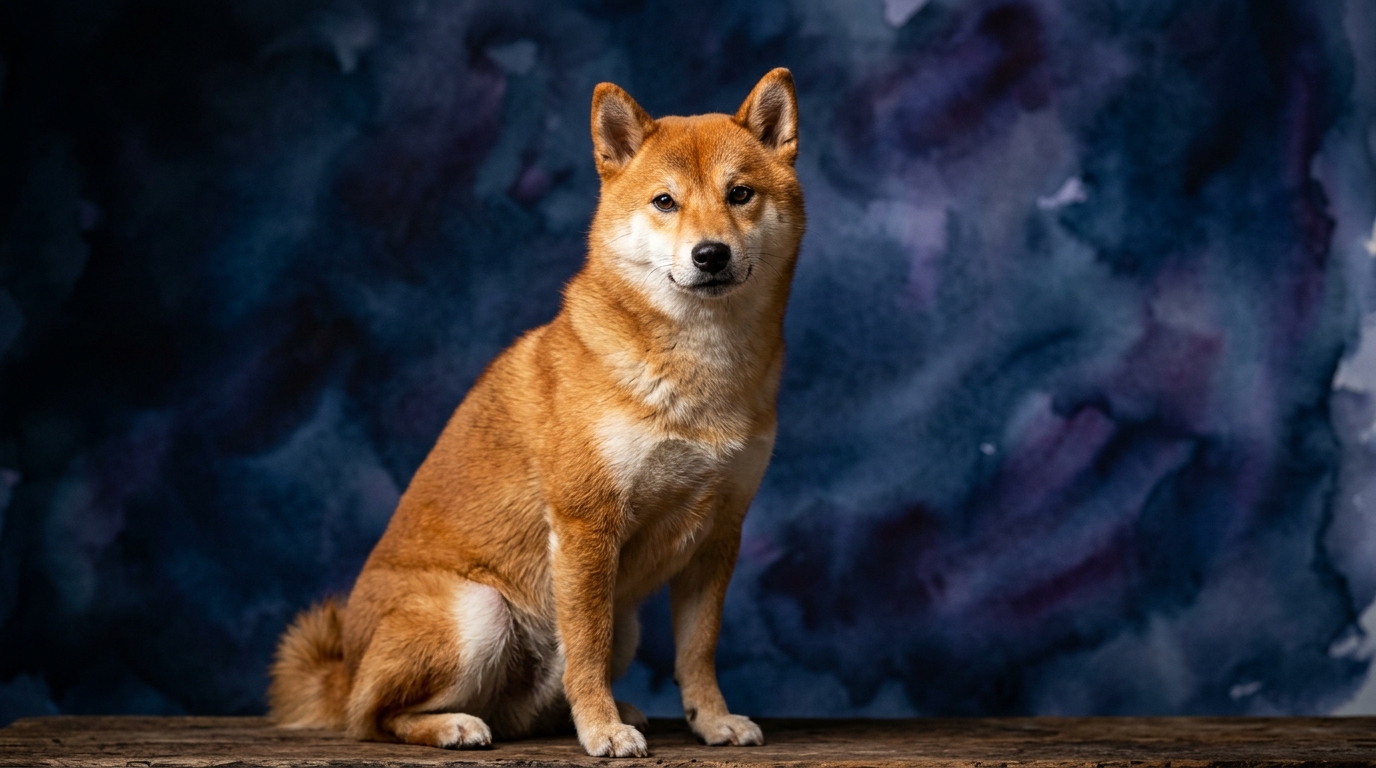
**Shiba Inu (Non-Sporting, Not Coren-ranked):** This ancient Japanese breed is renowned for its independent spirit and fox-like appearance. Their cognitive profile reflects a breed deeply connected to its origins as a hunting companion.
**Problem Solving (4/5):** Shiba Inus exhibit a notable capacity for independent thought and figuring things out, often creatively navigating obstacles or devising ways to get what they want. They thrive on mental challenges and can be quite ingenious.
**Training Speed (2/5):** While capable of learning, the Shiba Inu's strong will and independent nature mean they don't always learn new commands rapidly. Consistency and patience are paramount, as they often prefer to decide if and when to comply.
**Social Intelligence (3/5):** Shibas possess a moderate understanding of social cues, capable of forming strong bonds with their chosen humans but often reserved or aloof with strangers. Their social interactions are typically on their own terms.
**Instinctive Drive (5/5):** A powerful innate drive defines the Shiba Inu, manifesting as a keen prey drive, territoriality, and a strong desire to explore and hunt. This deep-seated instinct heavily influences their behavior and engagement with their environment.
**Memory (4/5):** Shibas display an excellent memory, recalling past experiences, learned behaviors, and even specific people or places over long periods. This contributes to both their loyalty and their ability to hold grudges.
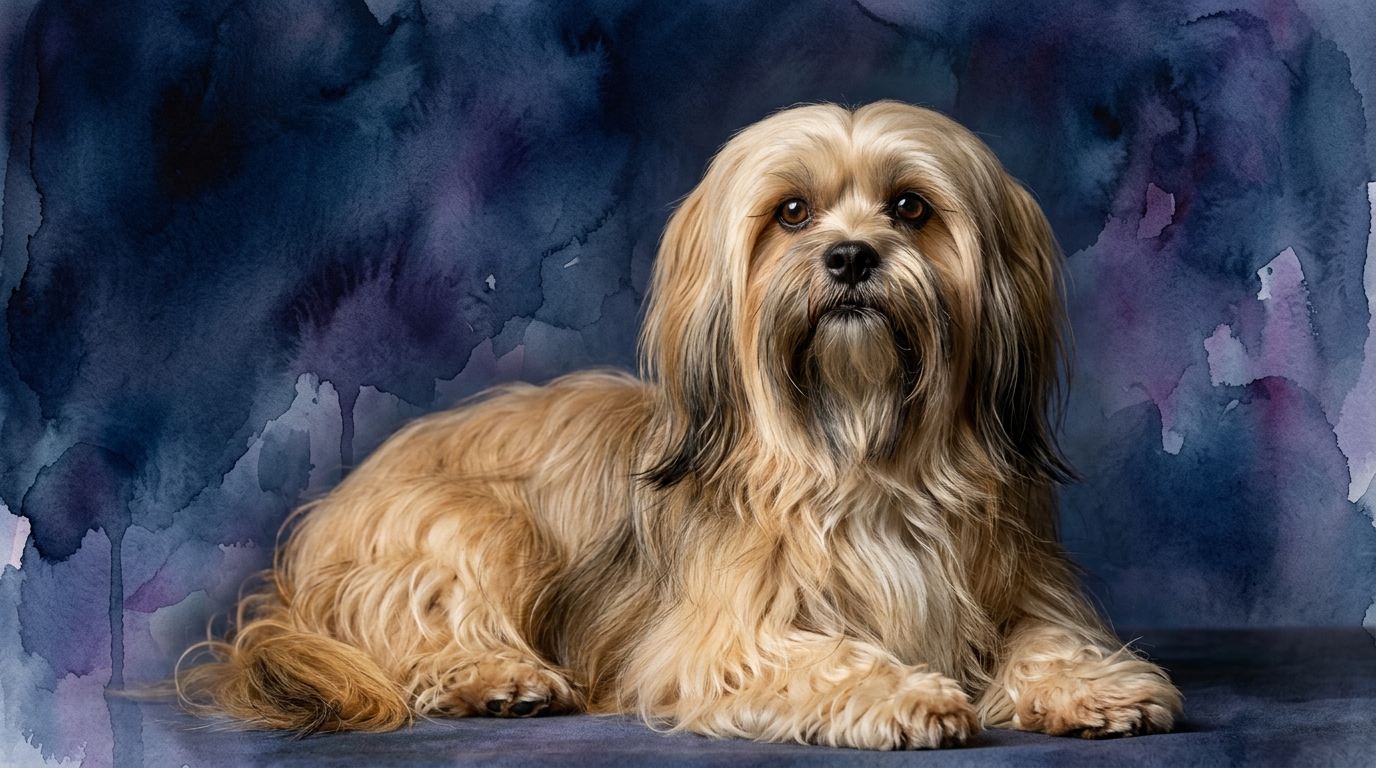
**Lhasa Apso (Non-Sporting, Coren rank #68):** Originating from the mountains of Tibet, the Lhasa Apso served as a sentinel in monasteries and palaces. Their intelligence reflects their historical role as a watchful and devoted companion.
**Problem Solving (3/5):** The Lhasa Apso demonstrates a solid ability to solve problems, often using their wits to achieve comfort or communicate needs. They are observant and can adapt to new situations effectively, though perhaps less inventively than the Shiba.
**Training Speed (3/5):** With a reasonable willingness to learn and a desire to please their family, Lhasa Apsos generally pick up new commands at a moderate pace. They respond well to positive reinforcement and clear communication.
**Social Intelligence (3/5):** Lhasas also exhibit a moderate social intelligence, forming deep attachments to their inner circle while maintaining a cautious, discerning demeanor towards outsiders. They are attuned to their family's emotions and routines.
**Instinctive Drive (3/5):** Their instinctive drives are moderate, including a historical role as watchful sentinels. While they possess some territoriality and a drive for companionship, it's less intense than the Shiba's pronounced hunting and exploratory instincts.
**Memory (3/5):** Lhasa Apsos have a good memory, remembering routines, commands, and the people in their lives. This contributes to their consistent behavior and ability to adapt to established household norms.
Where the Shiba Inu Wins Cognitively
The Shiba Inu clearly shines in areas requiring independent thought and primal engagement. Their **Problem Solving (4/5)** score indicates a breed that doesn't just wait for instructions; they actively analyze situations and devise solutions, sometimes to their owner's amusement or exasperation. This can mean figuring out how to open cabinets, escape enclosures, or manipulate situations to their advantage. Coupled with their exceptional **Instinctive Drive (5/5)**, Shibas are deeply connected to their ancestral roots, displaying strong prey drives, territorial instincts, and an unyielding desire to explore and patrol. This high drive makes them incredibly engaging for owners who appreciate a dog with a profound sense of purpose and self-reliance, even if it means occasional challenges. Furthermore, their superior **Memory (4/5)** means a Shiba rarely forgets a lesson, a person, or an experience, contributing to their loyalty but also their tendency to remember unpleasant encounters, requiring careful socialization and positive experiences from a young age.
Where the Lhasa Apso Wins Cognitively
While the Lhasa Apso might not boast the same raw problem-solving prowess or intense instinctive drives as the Shiba Inu, they demonstrate a distinct advantage in **Training Speed (3/5)**. This breed generally approaches learning new commands with a more cooperative spirit, often showing a greater willingness to engage in structured training sessions. Their moderate pace of learning, combined with a desire to please their primary caregivers, means they can be more straightforward to teach foundational obedience and house rules. Unlike the Shiba, who might weigh the benefit of compliance against their own desires, the Lhasa Apso is often more amenable to following cues when motivated by positive reinforcement and consistent guidance. This makes them a rewarding student for owners who value a dog that readily integrates into family routines through learning.
Which Is Easier to Train and Why?
When evaluating ease of training, the Lhasa Apso generally presents a more straightforward path. Their **Training Speed (3/5)** rating is higher than the Shiba Inu's (2/5), reflecting a more receptive disposition to instruction. Lhasa Apsos, historically bred as watchful companions, often possess a foundational desire to be part of the family unit and understand expectations. They respond well to positive reinforcement, consistency, and clear communication, making them capable learners for basic obedience, house-training, and even some tricks. In contrast, the Shiba Inu's independent nature and strong will, reflected in their lower **Training Speed (2/5)**, mean they often require more patience, creativity, and a deep understanding of their motivations. A Shiba might learn a command quickly but then choose not to perform it if they don't see the immediate benefit or if something more interesting captures their attention. Their high **Problem Solving (4/5)** can also lead them to find loopholes or alternative solutions rather than simply complying. Therefore, while both breeds are capable of learning, the Lhasa Apso typically offers a less challenging and more consistently rewarding training experience for the average owner.
Which Suits Active Owners vs. Relaxed Owners?
The choice between a Shiba Inu and a Lhasa Apso often hinges on an owner's lifestyle and energy levels. The Shiba Inu, with its high **Instinctive Drive (5/5)** and strong **Problem Solving (4/5)** skills, thrives with active owners who can provide consistent mental stimulation and outlets for their natural behaviors. They need regular opportunities to explore, sniff, and engage in activities that challenge their clever minds, such as puzzle toys, obedience work, or securely fenced adventures. Owners who appreciate a dog with a robust personality, a penchant for independent exploration, and a need for consistent engagement will find the Shiba a fulfilling companion. Conversely, the Lhasa Apso, characterized by a more moderate **Instinctive Drive (3/5)** and a good, but not exceptional, **Problem Solving (3/5)** capacity, is often better suited for more relaxed owners. While they still enjoy walks and playtime, their exercise requirements are generally lower, and they are content with a comfortable home environment and consistent companionship. Their slightly higher **Training Speed (3/5)** also means they can more easily integrate into a calmer household routine, making them an excellent choice for those seeking a devoted, watchful, and relatively low-key companion.
The Verdict
Choose the Shiba Inu if you are an experienced, active owner seeking a clever, independent dog with a strong personality who thrives on mental challenges and structured activities.
Choose the Lhasa Apso if you desire a devoted, watchful companion with moderate energy, a cooperative spirit in training, and a preference for a comfortable, stable home environment.
🧠 Find Your Pet's IQ Score
Our Pet IQ Lab assessment covers 25+ tests across 5 cognitive dimensions — personalized to your breed.
Take the Full IQ Test →Frequently Asked Questions
Are Shiba Inus difficult to live with due to their independence?
While their independence (reflected in their 2/5 Training Speed) can present challenges, particularly in recall and off-leash situations, many owners find their self-reliant nature endearing. Consistent positive reinforcement training and early socialization are key to channeling their strong will constructively and fostering a respectful partnership.
Do Lhasa Apsos require extensive grooming because of their coat?
Yes, Lhasa Apsos do require regular grooming to maintain their long, flowing double coat, which was historically important for protection in their native Tibet. Daily brushing is often necessary to prevent mats and tangles, making them a commitment for owners willing to dedicate time to coat care.
How do these breeds typically interact with children or other pets?
Both breeds possess a moderate Social Intelligence (3/5). Shiba Inus can be tolerant but often prefer older, respectful children and may be particular with other pets due to their strong prey drive. Lhasa Apsos are generally good with children who understand boundaries and can coexist peacefully with other pets, especially when socialized from a young age, often taking on a watchful role within the household.