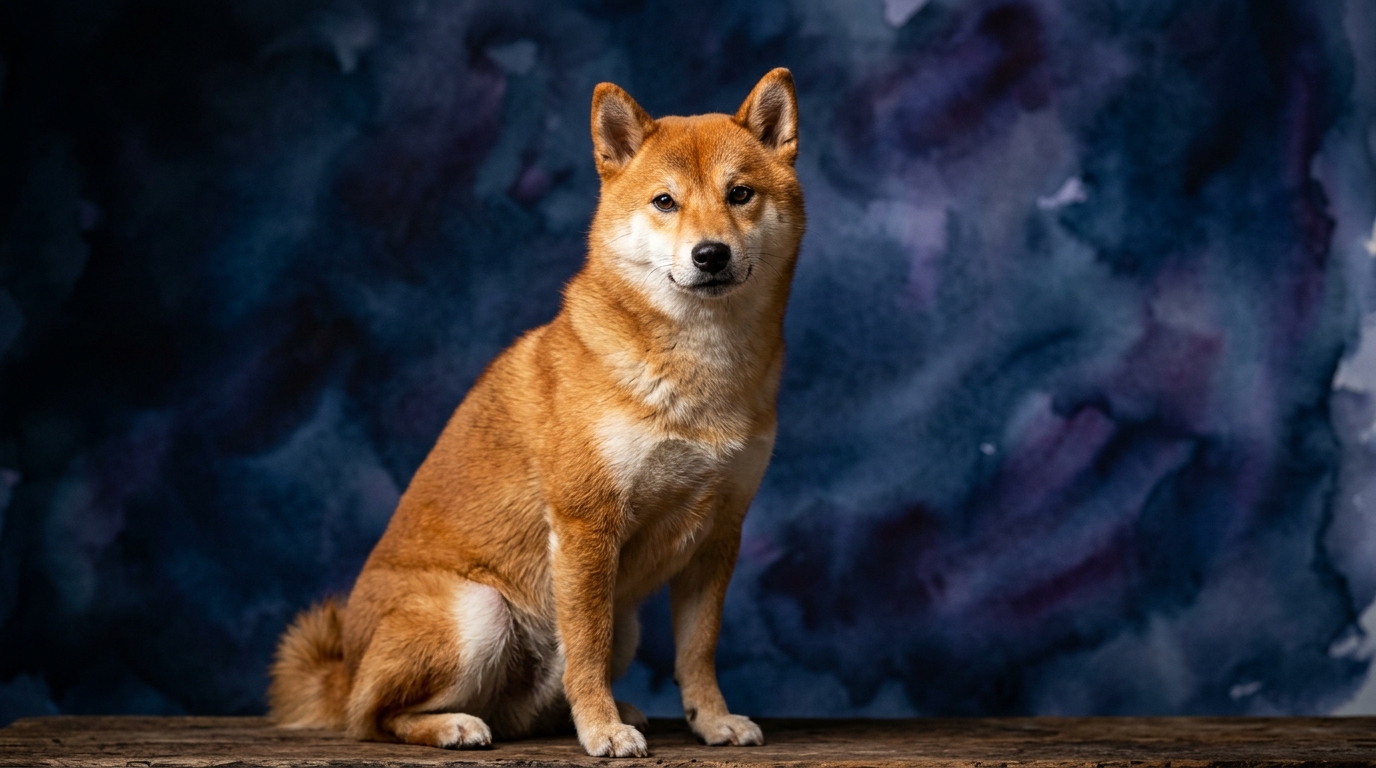
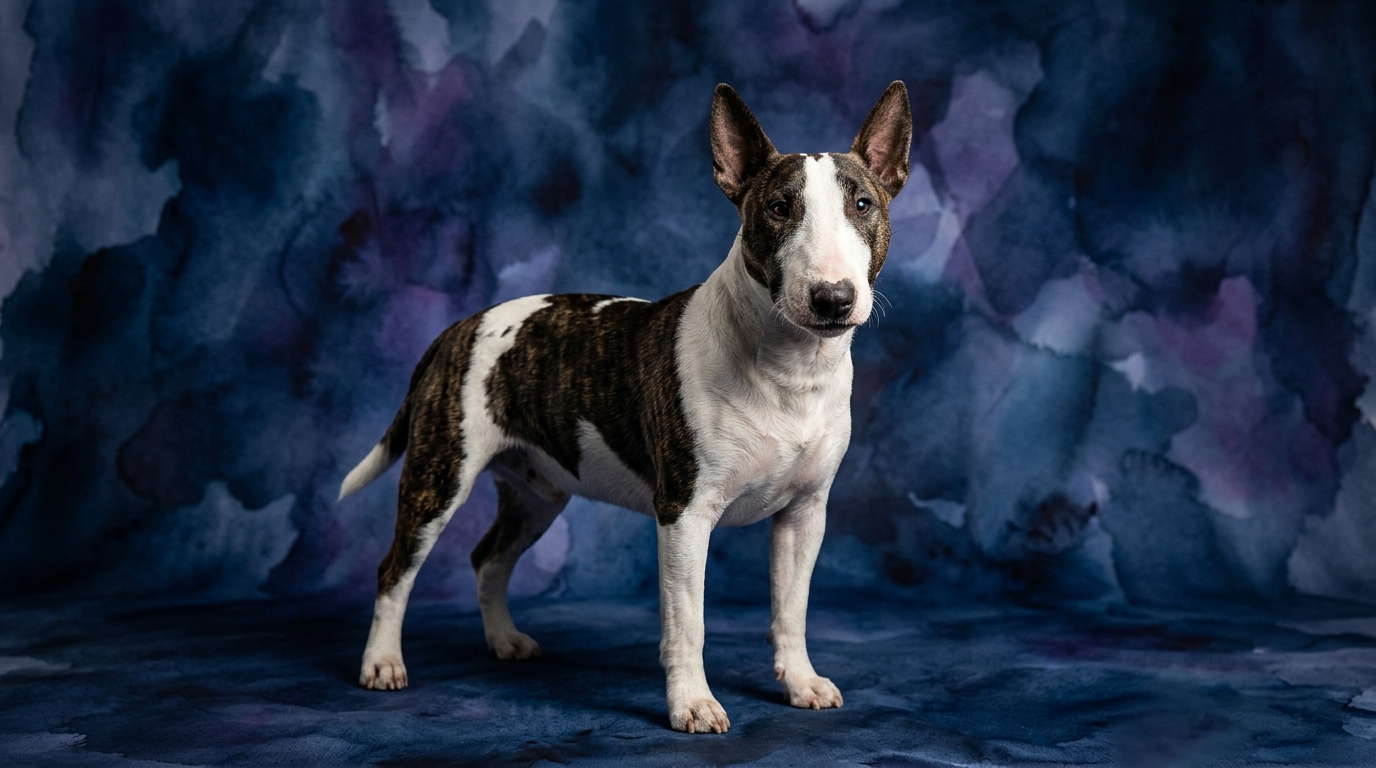
Side-by-Side IQ Profile: Shiba Inu vs. Miniature Bull Terrier
The Cosmic Pet Pet IQ Lab provides a unique lens to examine the cognitive abilities of these two distinct breeds, breaking down their intelligence into five key dimensions. For the Shiba Inu, a breed originating from Japan as a small game hunter, their Problem Solving is rated at an impressive 4 out of 5, indicating a strong capacity for independent thought and resourceful decision-making. However, their Training Speed is a challenging 2 out of 5, suggesting they require significant patience and highly motivating techniques. Social Intelligence for the Shiba Inu sits at a moderate 3 out of 5, meaning they can read cues but often maintain a reserved, independent demeanor. Their Instinctive Drive is exceptionally high at 5 out of 5, reflecting a powerful prey drive and strong self-preservation instincts. Finally, their Memory is solid at 4 out of 5, allowing them to retain learned behaviors and experiences over considerable periods.
The Miniature Bull Terrier, a charming and robust breed from Great Britain, presents a different cognitive profile. Their Problem Solving score is 3 out of 5, indicating a reasonable ability to navigate challenges, though perhaps with less independent ingenuity than the Shiba. Their Training Speed is 3 out of 5, making them generally more receptive to commands and routines. Social Intelligence for the Mini Bull Terrier is also 3 out of 5, portraying a dog that can engage socially but might not always be the most nuanced. Their Instinctive Drive is a moderate 3 out of 5, reflecting their terrier heritage with a moderate prey drive. Their Memory is rated at 3 out of 5, suggesting an average capacity for retaining information, necessitating consistent reinforcement.
Where the Shiba Inu Wins Cognitively
The Shiba Inu demonstrates clear cognitive strengths, particularly in areas demanding independent thought and inherent drive. Their Problem Solving score of 4/5, compared to the Miniature Bull Terrier's 3/5, highlights a superior capacity for autonomous reasoning and creative solutions. This means a Shiba is more likely to devise clever ways to achieve goals, such as figuring out how to open a gate or reaching a hidden toy, often without direct human guidance. This resourcefulness, while impressive, can sometimes translate into a cleverness that challenges their owners.
Furthermore, the Shiba Inu's Instinctive Drive, an exceptional 5/5 versus the Mini Bull Terrier's 3/5, means they possess a deep-seated motivation for activities rooted in their ancient hunting heritage. This involves an intense focus on scent, movement, and exploration, making them formidable participants in activities like scent work or agility where self-motivation is key. Their Memory, at 4/5 compared to the Mini Bull Terrier's 3/5, means they can recall complex sequences of events or training cues with greater accuracy over longer periods. This strong memory contributes to their ability to learn intricate tricks or navigate familiar environments, but also means they will remember negative experiences, necessitating positive reinforcement in all interactions.
Where the Miniature Bull Terrier Wins Cognitively
While the Shiba Inu excels in independent thought, the Miniature Bull Terrier demonstrates a distinct advantage in its Training Speed, scoring 3/5 against the Shiba's 2/5. This seemingly small difference translates into a more accessible and often less frustrating training experience for owners. Miniature Bull Terriers generally pick up new commands and routines with greater ease and require fewer repetitions to solidify learning. Their moderate social intelligence, combined with this better training speed, means they are often more engaged and willing participants in structured learning environments. They tend to be more receptive to handler cues and less inclined to exercise the 'selective hearing' that Shibas are often known for, making them a more straightforward companion for foundational obedience and trick training.
Which is Easier to Train and Why
Without a doubt, the Miniature Bull Terrier is generally easier to train than the Shiba Inu, a difference directly reflected in their respective Training Speed scores of 3/5 versus 2/5. The Shiba Inu's profound independence and formidable instinctive drive (5/5) means they often operate on their own agenda. They possess a 'what's in it for me?' mentality, making them less inclined to blindly follow commands purely to please their owner. This manifests as a perceived stubbornness or aloofness during training sessions, requiring exceptional patience, high-value rewards, and creative engagement to maintain their focus.
Conversely, the Miniature Bull Terrier, with its moderate training speed and social intelligence, typically shows a greater willingness to engage with its handler during training. While they still have a terrier's spirited nature, they are generally more amenable to learning and less prone to the independent decision-making that can sidetrack a Shiba. Their training sessions can be more collaborative and rewarding, yielding quicker results in basic obedience and manners.
Which Suits Active Owners vs. Relaxed Owners
The distinct cognitive profiles of these breeds significantly influence their suitability for different owner lifestyles. The Shiba Inu, with its exceptional Instinctive Drive (5/5) and strong Problem Solving (4/5), thrives with active owners who can provide consistent mental and physical challenges. They are not content to be couch potatoes; their intelligence and drive demand outlets for exploration, scent work, and activities that engage their resourceful minds, such as advanced obedience, agility, or hiking. A relaxed owner who cannot meet these needs risks a bored and potentially destructive Shiba.
The Miniature Bull Terrier, possessing moderate scores across the board (3/5 for problem-solving, instinctive drive, and memory), suits owners who are active but perhaps seek a more interactive companion. They enjoy engaging play, structured training, and regular exercise, but their needs are generally less intense or independently driven than the Shiba's. While they certainly aren't sedentary, a Mini Bull Terrier can adapt to a slightly less rigorous daily schedule than a Shiba, provided they receive consistent mental stimulation through toys, puzzles, and regular, engaging walks. They are well-suited for owners who enjoy consistent, positive interaction as a core part of their dog's daily routine.
The Verdict
If you seek an independent, resourceful companion with a strong drive for exploration and are prepared for a consistent, engaging training journey, the Shiba Inu is an excellent choice.
Opt for the Miniature Bull Terrier if you desire a spirited, playful, and moderately trainable companion who thrives on interaction and consistent positive reinforcement, bringing a unique charm to your life.
🧠 Find Your Pet's IQ Score
Our Pet IQ Lab assessment covers 25+ tests across 5 cognitive dimensions — personalized to your breed.
Take the Full IQ Test →Frequently Asked Questions
Is the Shiba Inu truly "stubborn"?
Yes, their low training speed and high instinctive drive often lead to a perceived stubbornness. They prioritize their own motivations, requiring handlers to make training exceptionally rewarding and engaging to overcome their independent streak.
Do Miniature Bull Terriers need a lot of mental stimulation?
While their problem-solving and instinctive drive scores are moderate, Miniature Bull Terriers still thrive on consistent mental engagement. Interactive toys, puzzle feeders, and regular training sessions prevent boredom and channel their energy constructively.
Which breed is better for first-time dog owners?
The Miniature Bull Terrier, with its moderate training speed and generally more amenable nature, might be a slightly more manageable choice for first-time owners. The Shiba Inu's strong independence and lower training speed can be challenging without prior experience.