A Side-by-Side Look at Cognitive Profiles
The Cosmic Pet Pet IQ Lab employs a multi-dimensional approach to evaluating canine cognition, moving beyond simplistic labels to understand the nuances of how different breeds think and interact with their world. For the Shiba Inu and the Parson Russell Terrier, this framework illuminates distinct strengths and challenges.
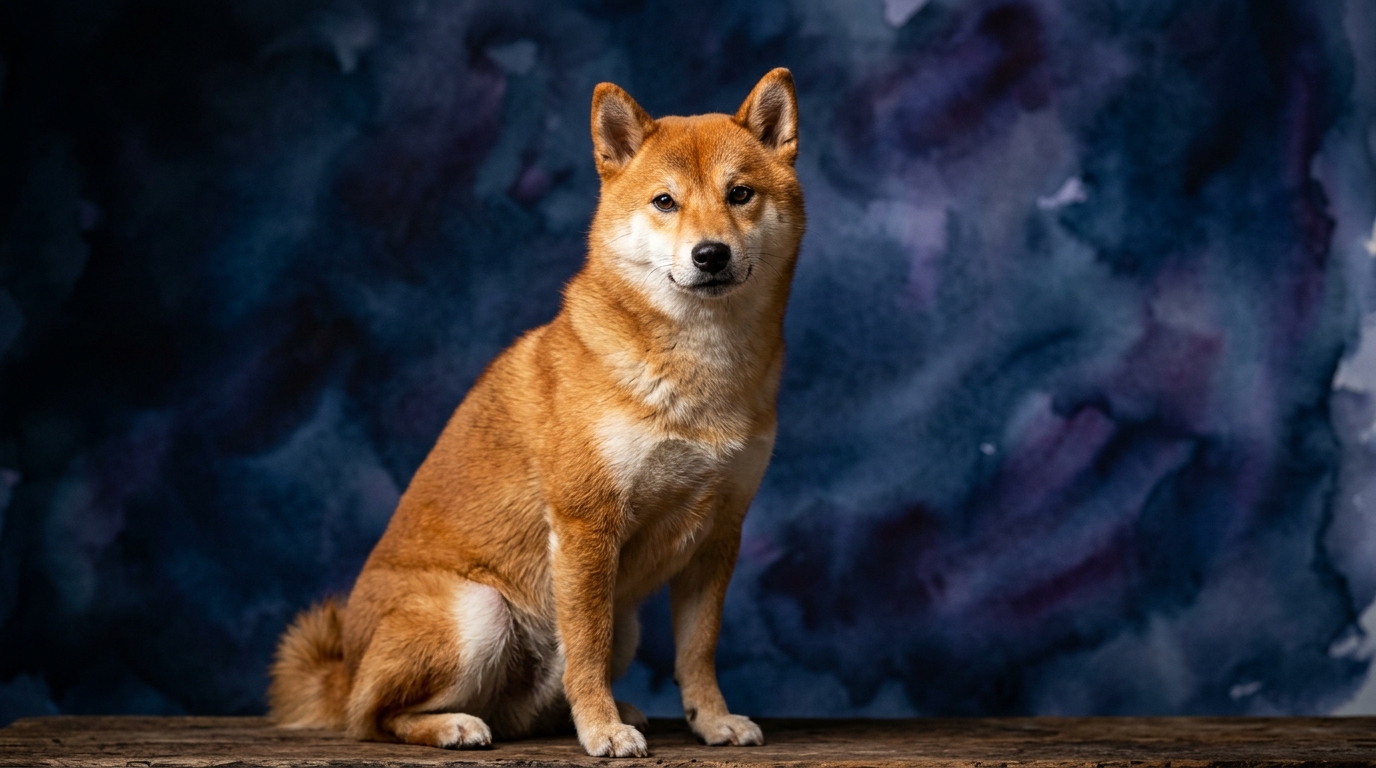
The Shiba Inu, a breed originating from Japan, presents a unique cognitive profile: its Problem Solving is rated 4/5, indicating a strong capacity for independent thought and figuring out complex situations without direct human guidance. Its Training Speed, however, is 2/5, suggesting a more selective approach to learning commands, often requiring significant motivation. Social Intelligence is 3/5, reflecting a reserved but observant nature, not typically overtly demonstrative. A robust Instinctive Drive of 5/5 highlights its potent prey drive, exploratory urges, and self-preservation instincts. Finally, its Memory is 4/5, demonstrating a good ability to recall past experiences and learned behaviors, for better or worse.
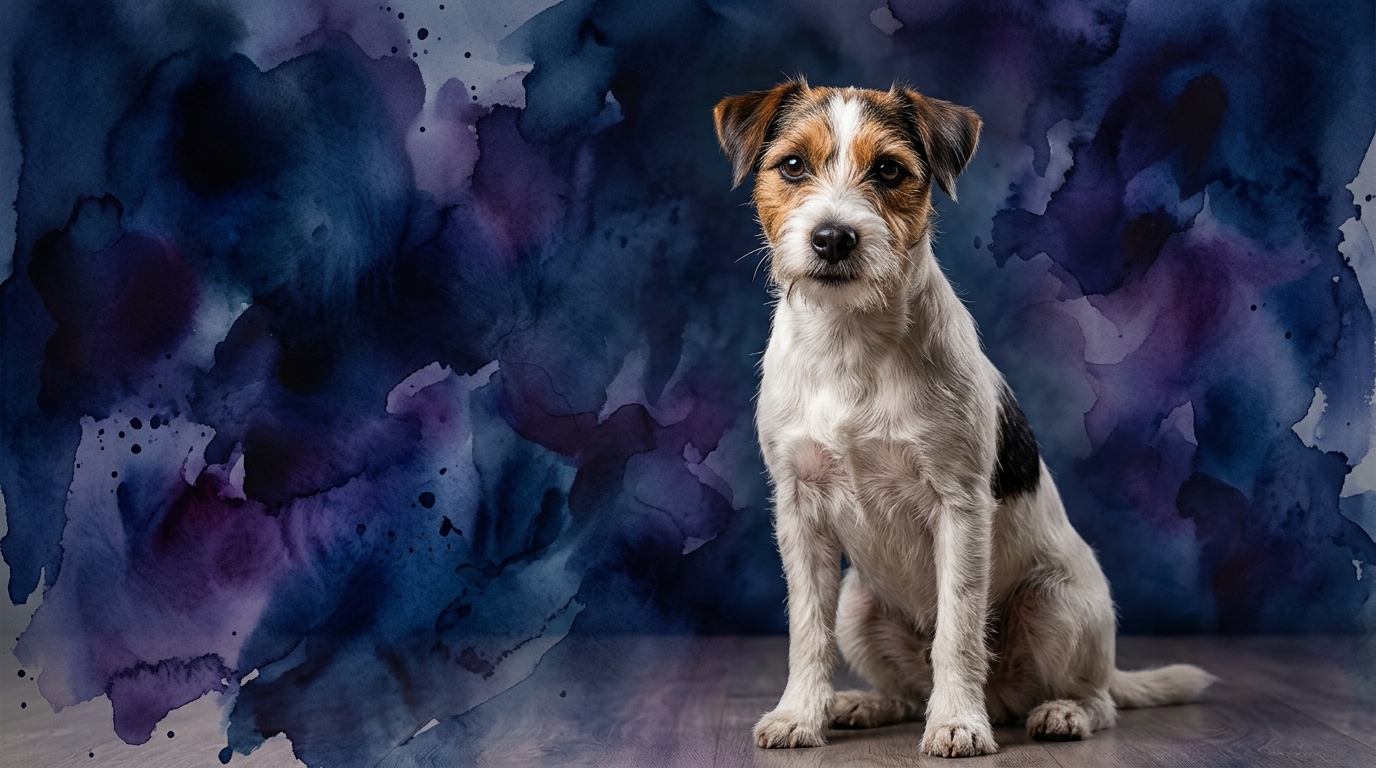
In contrast, the Parson Russell Terrier, a British working terrier, shows a different set of cognitive aptitudes. Its Problem Solving is 3/5, indicating practical intelligence focused on task-specific challenges rather than abstract reasoning. Training Speed is 3/5, suggesting a reasonable eagerness to learn and engage, though sometimes its energy can be a distraction. Social Intelligence is 3/5, reflecting an outgoing and interactive, albeit occasionally boisterous, disposition. An Instinctive Drive of 3/5 points to a functional working drive, less overwhelming than the Shiba's raw instinct. Its Memory is 3/5, indicating a solid ability to retain information relevant to its daily routines and learned tasks.
Where the Shiba Inu Shows its Cognitive Edge
The Shiba Inu often demonstrates a cognitive edge in areas demanding independent thought and resourcefulness. Its 4/5 Problem Solving score signifies a dog that can logically navigate complex environments or situations, often finding solutions on its own. For instance, a Shiba might meticulously figure out how to open a seemingly secure gate or retrieve a toy from an inaccessible spot through trial and error, rather than waiting for human intervention. This isn't about being 'stubborn,' but rather about possessing a distinct internal compass for solving puzzles that matter to them.
Furthermore, the Shiba's 5/5 Instinctive Drive is a profound cognitive asset, albeit one that requires careful management. This drive isn't just about chasing; it encompasses an acute awareness of its surroundings, a strong drive for exploration, and a keen sense of self-preservation. This manifests as a deep-seated ability to assess risks and opportunities in its environment, making it incredibly resourceful in new or challenging outdoor settings. Its higher Memory score of 4/5 complements this, allowing it to remember specific routes, the location of resources, or past successes and failures in its problem-solving endeavors, contributing to its independent nature and often cautious approach to novelty.
Where the Parson Russell Terrier Excels Cognitively
The Parson Russell Terrier's cognitive strengths shine in areas demanding focus, engagement, and a practical application of intelligence. Its 3/5 Training Speed, while not exceptional, is notably higher than the Shiba's 2/5, indicating a greater willingness and capacity to absorb and respond to cues from its human companions. This isn't merely about obedience; it reflects a cognitive wiring that values partnership in learning and performing tasks. A Parson is often quicker to make the connection between a command and a desired action, driven by its desire to participate and its functional working heritage.
While its Problem Solving is rated 3/5, the Parson excels in applying this intelligence to task-oriented scenarios. Unlike the Shiba’s often abstract or self-serving problem-solving, the Parson’s cognitive efforts are frequently directed towards achieving a goal set by its owner, whether it's navigating an agility course, scent work, or retrieving. Its balanced 3/5 Instinctive Drive means it possesses enough focus and tenacity to pursue a task without being overwhelmingly distracted by independent urges, making it a more directed and biddable cognitive partner in many activities. This breed's cognitive strengths lie in its ability to channel its energy and intelligence into cooperative endeavors, making it a highly effective working companion.
Training Dynamics: Shiba Inu vs. Parson Russell Terrier
When it comes to training, the core differences between these two breeds become strikingly apparent, largely due to their disparate Training Speed scores. The Shiba Inu, with its 2/5 Training Speed, often requires a patient, consistent, and highly motivating approach. Their independence means they constantly evaluate 'what's in it for me' before complying. If a command doesn't align with their immediate interest, a Shiba might simply ignore it, not out of malice, but because their internal logic prioritizes self-direction. For example, recalling a Shiba off-leash can be a profound challenge if its instinctive drive to explore or chase takes precedence, demanding an owner who understands their selective hearing and works to make training more rewarding than any distraction.
The Parson Russell Terrier, conversely, with its 3/5 Training Speed, generally presents a more eager and biddable student. Their inherent desire to work and engage with their owner means they are typically more responsive to commands and enjoy the process of learning. While they possess an instinctive drive, it's often more manageable and can be channeled into constructive activities like fetch, agility, or obedience training. A Parson is more likely to view training as a fun, cooperative game, making them quicker to pick up new cues and more reliable in applying them. However, their boundless energy and potential for distraction mean that training sessions need to be engaging and relatively short to maintain their focus, preventing their enthusiasm from turning into boisterousness.
Matching Breeds to Lifestyles: Active vs. Relaxed Owners
Choosing between a Shiba Inu and a Parson Russell Terrier often comes down to an owner's lifestyle and their willingness to engage with their dog's unique cognitive and physical needs. For owners who appreciate a dog with a strong sense of self and independent problem-solving skills, the Shiba Inu can be a deeply rewarding companion. These dogs thrive with owners who understand their need for mental stimulation through challenging puzzle toys and secure environments that allow for safe exploration. While they need regular exercise, a Shiba might be content with a good walk and then relaxing independently, rather than demanding constant interactive play. They are often suited for owners who enjoy a dog’s presence without requiring constant, effusive interaction, and who are prepared to navigate a strong-willed personality with patience and humor.
The Parson Russell Terrier, on the other hand, is an ideal match for active owners who thrive on consistent engagement and enjoy participating in various canine activities. These dogs possess considerable stamina and cognitive drive that needs an outlet. They excel in activities like agility, flyball, earthdog trials, or long hikes, where their problem-solving and instinctive drive can be channeled productively. A Parson needs an owner who is ready to provide daily vigorous exercise, consistent training, and ample opportunities for mental stimulation through structured play and learning. They are typically happier when involved in family activities and appreciate an owner who can match their enthusiasm and keep them mentally and physically stimulated throughout the day. A relaxed owner might find the Parson's energy and persistent demands for activity overwhelming.
The Verdict
Choose the Shiba Inu if you appreciate an independent, resourceful companion and are prepared to engage with a dog that thinks for itself, valuing its unique cognitive approach over eager compliance.
Opt for the Parson Russell Terrier if you seek an enthusiastic, biddable partner for active pursuits and consistent engagement, thriving on cooperative tasks and shared adventures.
🧠 Find Your Pet's IQ Score
Our Pet IQ Lab assessment covers 25+ tests across 5 cognitive dimensions — personalized to your breed.
Take the Full IQ Test →Frequently Asked Questions
Is a Shiba Inu difficult to live with due to its independence?
While their independence (Problem Solving 4/5, Training Speed 2/5) means they aren't always eager to please, Shibas are not inherently difficult. They require patient, consistent training and owners who respect their self-reliant nature, providing mental stimulation and secure environments to prevent them from using their problem-solving skills in undesirable ways.
How much exercise does a Parson Russell Terrier need daily?
Parson Russell Terriers are energetic dogs with a functional Instinctive Drive (3/5) and need substantial daily exercise, typically 60-90 minutes of vigorous activity. This can include brisk walks, running, fetch, or participation in dog sports, as their cognitive engagement thrives when their physical needs are met.
Can both breeds be good family dogs?
Both breeds can integrate well into families, though their social approaches differ. Shiba Inus (Social Intelligence 3/5) are often reserved but loyal, typically forming strong bonds with one or two primary caregivers. Parson Russell Terriers (Social Intelligence 3/5) are generally more outgoing and playful, thriving on interaction with all family members, though their exuberance may require supervision with very young children.