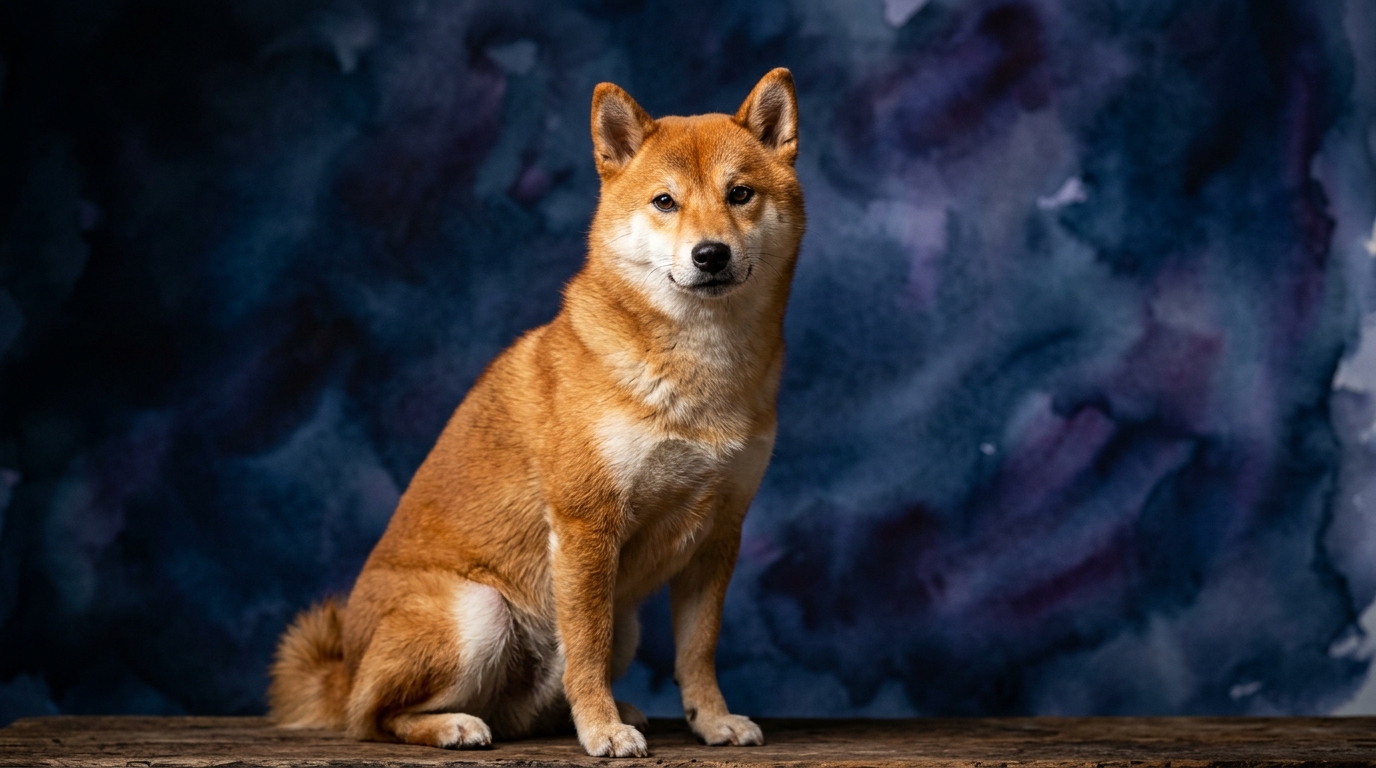
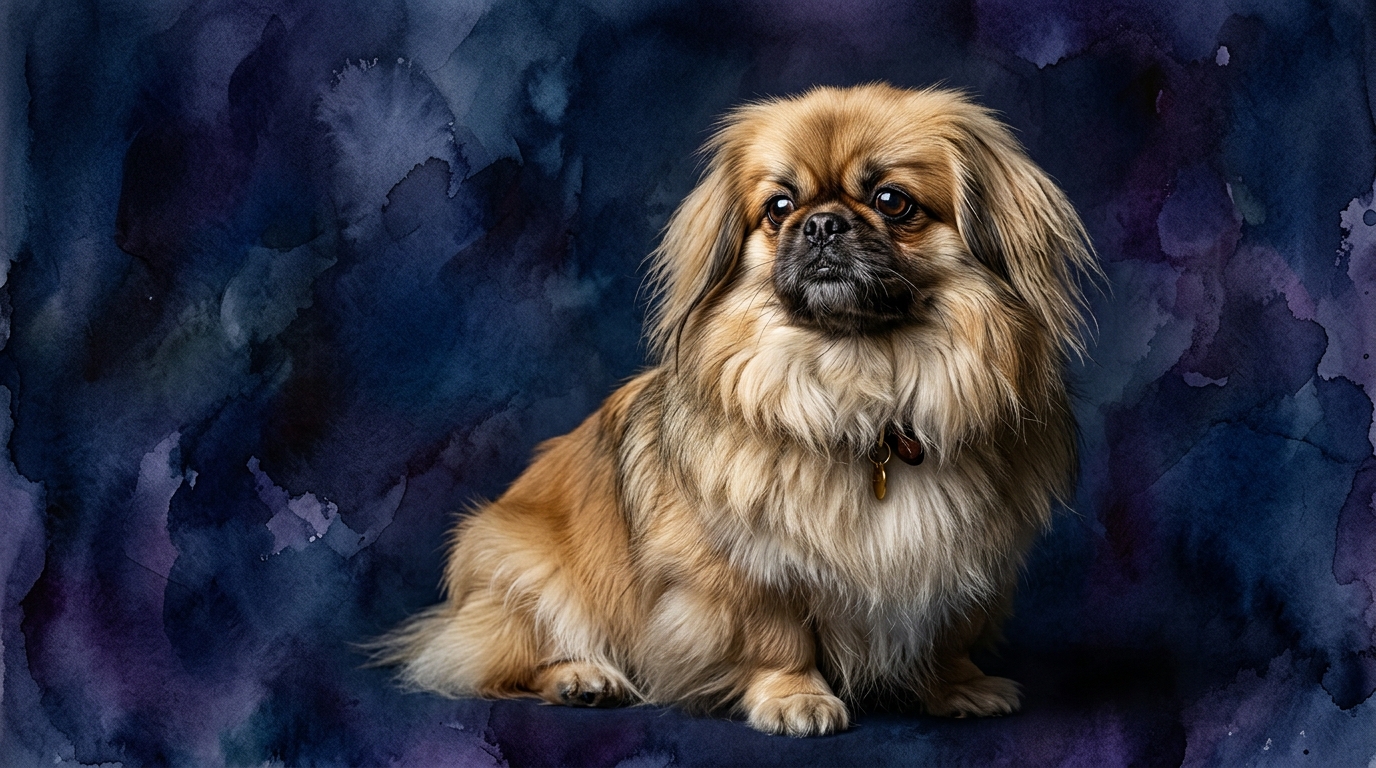
Side-by-Side Cognitive Profiles
At The Cosmic Pet Pet IQ Lab, we analyze canine intelligence across five key dimensions, offering a nuanced understanding beyond simple ranking. The Shiba Inu, a non-sporting breed, presents a captivating cognitive profile marked by significant highs in certain areas. Their Problem Solving ability rates at a robust 4 out of 5, indicating a strong capacity to strategize and navigate complex situations, often to their own advantage. However, their Training Speed is a more challenging 2 out of 5, suggesting a slower acquisition of new commands and a need for patient, consistent methods. Social Intelligence stands at a balanced 3 out of 5, meaning they can form bonds and understand cues but maintain a degree of self-sufficiency. A defining trait is their Instinctive Drive, which scores an impressive 5 out of 5, reflecting powerful natural urges related to hunting, territoriality, and self-preservation. Finally, their Memory is solid at 4 out of 5, allowing them to retain learned experiences and routines effectively. This combination paints a picture of a resourceful and independent thinker, driven by ancient instincts.
In contrast, the Pekingese, a charming toy breed with a Coren ranking of #77, offers a more uniformly balanced cognitive blueprint. Their Problem Solving ability is rated at 3 out of 5, indicating a competent but perhaps less ambitious approach to puzzles and challenges compared to the Shiba. Similarly, their Training Speed is a moderate 3 out of 5, suggesting they are receptive to learning commands at a reasonable pace with appropriate motivation. Social Intelligence also scores a 3 out of 5, indicating they are capable of forming affectionate bonds and interpreting human emotions, albeit without overwhelming neediness. Their Instinctive Drive is a balanced 3 out of 5, meaning while they possess natural urges, these are typically less intense and more manageable than those seen in the Shiba Inu. Memory for the Pekingese also sits at 3 out of 5, allowing them to recall familiar faces, routines, and basic commands without exceptional retention. Overall, the Pekingese presents as a steady and amiable cognitive companion, less prone to the extremes of drive or independence.
Where the Shiba Inu Cognitively Excels
The Shiba Inu clearly shines in areas demanding keen individual resourcefulness and deep-seated natural acumen. Their superior Problem Solving score of 4/5 means they are more likely to independently figure out how to open cabinets, navigate complex environments, or even manipulate situations to get what they want. This isn't about obedience, but about clever strategizing. Coupled with an exceptional 5/5 Instinctive Drive, Shibas possess an unparalleled connection to their ancestral behaviors, making them incredibly adept at tasks requiring innate tracking, hunting, or guarding instincts, even if these manifest as a strong prey drive towards small animals. Furthermore, their 4/5 Memory allows them to recall intricate details of past events, training successes, or even perceived injustices, contributing to their reputation for holding grudges or remembering specific routines over long periods. This combination of high problem-solving, potent instincts, and excellent memory results in a cognitively complex and often self-reliant companion, capable of impressive feats of independent thought and action.
Where the Pekingese Offers Cognitive Advantages
While the Shiba Inu excels in individual resourcefulness, the Pekingese offers a distinct cognitive advantage in terms of general manageability and a more consistent learning pace. With a Training Speed of 3/5, the Pekingese is generally more amenable to traditional obedience training compared to the Shiba Inu's 2/5, making the process potentially less frustrating for a novice owner. Their more moderate Instinctive Drive (3/5) means they are typically less consumed by overwhelming urges like intense prey drive or territoriality, leading to fewer instinct-driven behavioral challenges. This balanced drive allows for a more predictable and often calmer demeanor in various situations. Furthermore, their position as a Coren-ranked breed at #77, while lower than many, signifies a measurable and consistent capacity for associative learning within a recognized framework, suggesting a reliable if not exceptional ability to understand and respond to human cues. The Pekingese's cognitive profile, therefore, often translates into a more straightforward and adaptable companion for a wider range of living situations.
Ease of Training: A Comparative Look
When considering ease of training, the Pekingese generally presents a more accessible experience. Their Training Speed of 3/5 indicates a willingness and capacity to learn new commands at a steady pace, responding well to positive reinforcement and consistent methods. This contrasts sharply with the Shiba Inu's 2/5 Training Speed, which suggests a more independent and often selective approach to obedience. The Shiba Inu's powerful 5/5 Instinctive Drive further complicates training; their innate urges to hunt, explore, or guard can easily override a handler's commands, requiring significant effort to redirect. Their 4/5 Problem Solving also means they are adept at finding loopholes or simply choosing not to comply if they perceive a better alternative. The Pekingese, with its more moderate 3/5 Instinctive Drive and 3/5 Problem Solving, is typically less prone to these strong internal motivators that can make training an uphill battle. They are often more inclined to cooperate, making the training journey smoother and more rewarding for many owners.
Matching Cognition to Lifestyle: Active vs. Relaxed Owners
The distinct cognitive profiles of these two breeds naturally align with different owner lifestyles. The Shiba Inu, with its robust Problem Solving (4/5) and intense Instinctive Drive (5/5), thrives with active owners who can provide consistent mental stimulation and outlets for their powerful natural urges. These dogs require engaging activities, whether it's puzzle toys, advanced obedience, or supervised outdoor exploration, to prevent boredom and channeling their cleverness into less desirable behaviors. An owner who enjoys hiking, training, or engaging in dog sports would find a fulfilling partnership with a Shiba. Conversely, the Pekingese, characterized by its moderate drives and problem-solving capabilities, is an excellent fit for more relaxed owners. Their less intense need for constant mental and physical exertion, coupled with a manageable Instinctive Drive, makes them content with shorter, leisurely walks and indoor companionship. They are generally suited for those who appreciate a calm presence and do not seek a canine partner for demanding athletic pursuits, fitting seamlessly into a quieter home environment.
The Verdict
Choose the Shiba Inu if you are an experienced owner seeking an independent, clever, and instinct-driven companion who thrives on mental challenges and consistent engagement, understanding their strong will requires patience and creativity.
Opt for the Pekingese if you desire a more amenable and moderately trainable companion, valuing a balanced cognitive profile and a less demanding presence that fits well into a relaxed home environment.
🧠 Find Your Pet's IQ Score
Our Pet IQ Lab assessment covers 25+ tests across 5 cognitive dimensions — personalized to your breed.
Take the Full IQ Test →Frequently Asked Questions
Are Shiba Inus truly stubborn or just independent?
Shiba Inus are often perceived as stubborn, but their 2/5 Training Speed and 4/5 Problem Solving, combined with a 5/5 Instinctive Drive, suggest a strong independent streak and a tendency to evaluate commands rather than blindly obey. They are highly capable of independent thought and action, often making choices based on their own perceived best interest rather than human direction.
How does the Pekingese's Coren ranking influence its trainability?
The Pekingese's Coren ranking of #77 places it in the category of 'fair working/obedience intelligence.' This indicates that while they are certainly trainable, they may require more repetitions and patience to learn new commands compared to breeds with higher rankings, aligning with their 3/5 Training Speed. It suggests a consistent, but not exceptionally quick, capacity for understanding and responding to human instruction.
Do either of these breeds excel in specific dog sports?
The Shiba Inu, with its high Problem Solving and Instinctive Drive, can excel in scent work, agility, or lure coursing if properly motivated and engaged, though their independent nature can be a challenge. The Pekingese, while not typically a high-performance sport dog, might enjoy less strenuous activities like rally obedience or canine good citizen titles, where consistency and a moderate pace are valued over speed or intense drive.