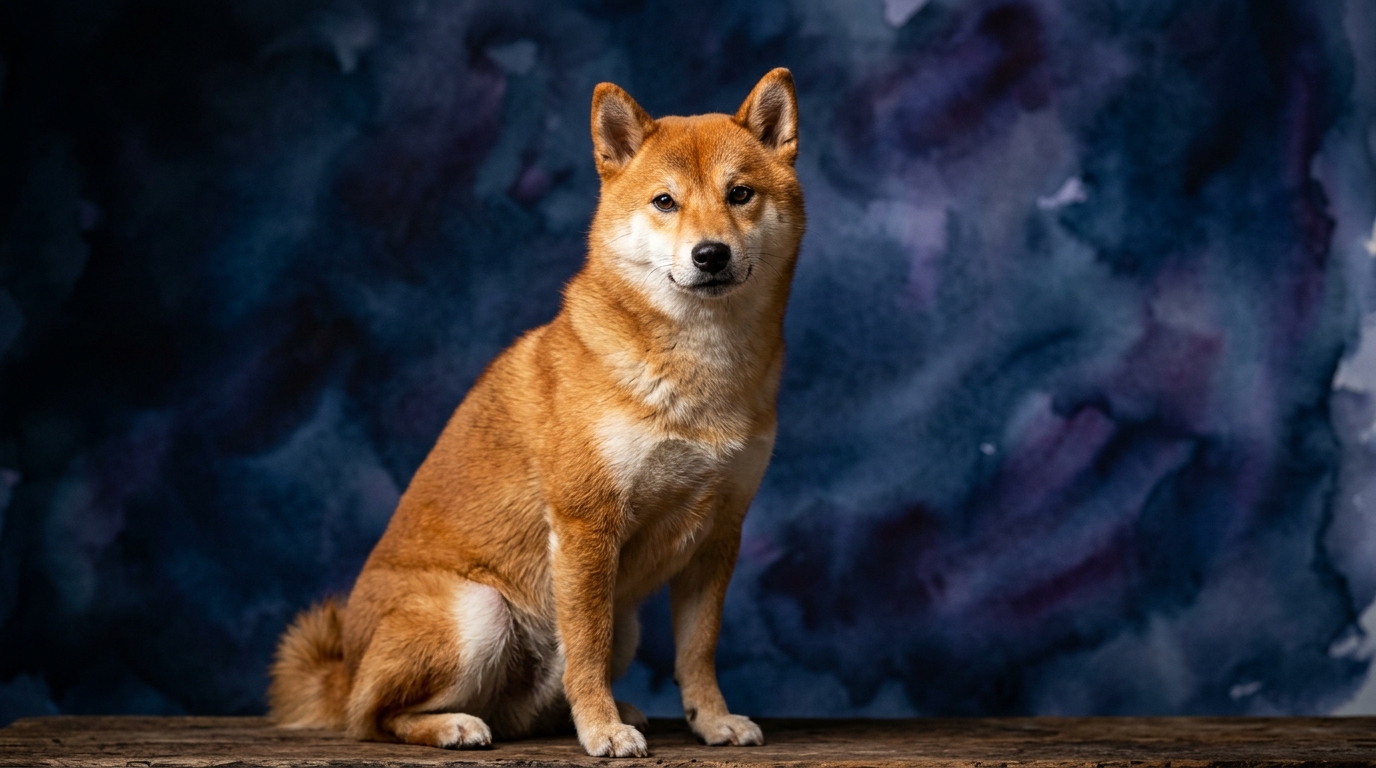
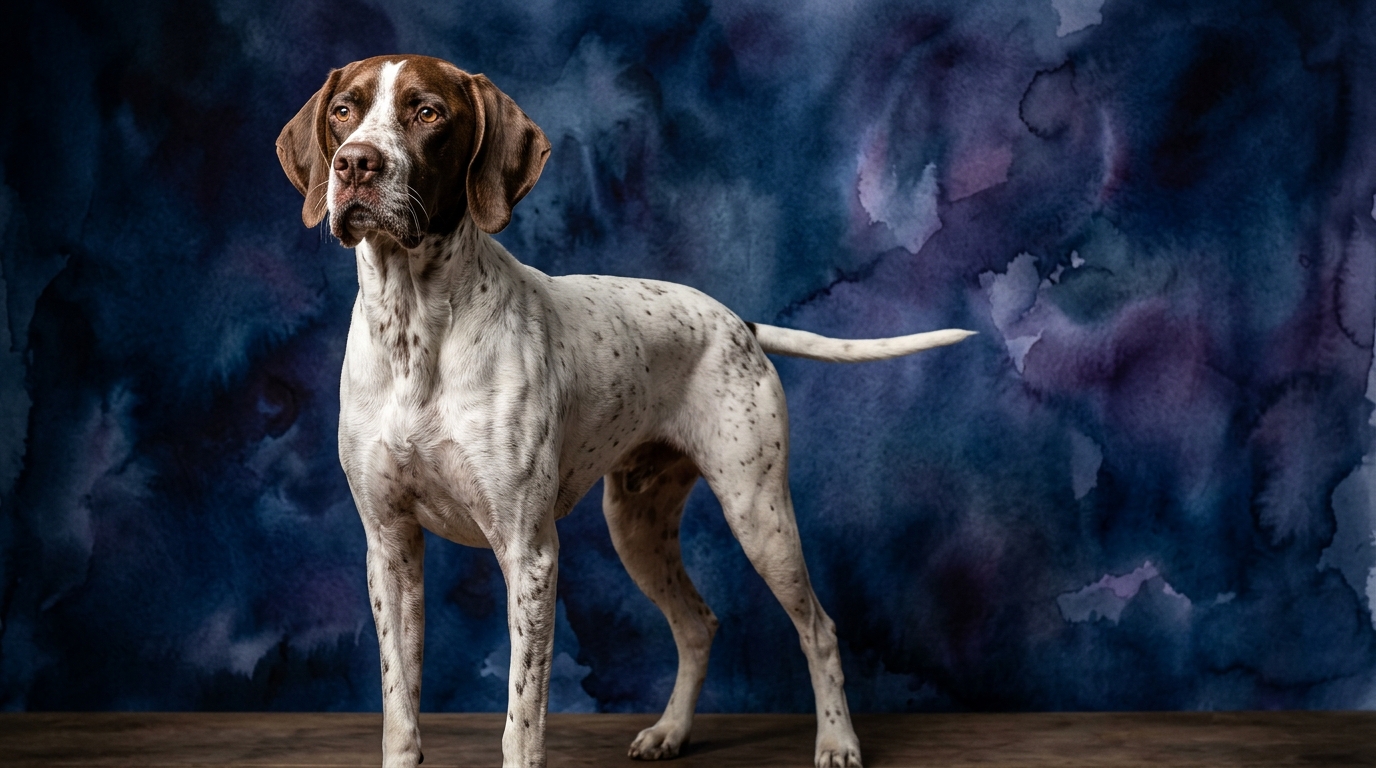
Side-by-Side Cognitive Profile: Shiba Inu vs. Pointer
The Cosmic Pet Pet IQ Lab assesses canine intelligence across five key dimensions, providing a granular view of each breed's unique cognitive strengths. For the Shiba Inu, a breed originating from Japan with a history as a hunting dog in mountainous terrain, we observe a distinct profile that reflects its independent nature and keen survival instincts. Their problem-solving ability scores a notable 4/5, indicating a resourceful mind adept at navigating complex situations. Training speed, however, sits at 2/5, suggesting a more deliberate and often self-motivated approach to learning. Social intelligence is rated 3/5, reflecting their capacity to understand cues while often choosing to act on their own terms. Their instinctive drive is exceptionally high at 5/5, encompassing a strong prey drive and territoriality. Finally, their memory stands at 4/5, enabling them to retain experiences and learned behaviors effectively.
In contrast, the Pointer, a European sporting dog developed for bird hunting, presents a different cognitive blueprint, tailored for partnership and field work. Their problem-solving capacity is rated 3/5, indicating competence in task-oriented challenges but perhaps less independent ingenuity than the Shiba. Training speed is a balanced 3/5, reflecting their willingness to learn and work alongside a handler. Social intelligence also scores 3/5, typically manifesting as an affable and cooperative demeanor. Their instinctive drive is 3/5, specifically focused on scenting and pointing game rather than the broad, intense drive seen in the Shiba. Memory for the Pointer is 3/5, allowing for consistent retention of commands and routines, though perhaps not with the same depth of recall as the Shiba.
Where the Shiba Inu Shines Cognitively
The Shiba Inu’s cognitive strengths are particularly evident in its superior problem-solving acumen and robust memory. With a 4/5 in problem-solving compared to the Pointer's 3/5, Shibas often demonstrate a remarkable ability to independently figure out how to open gates, access treats, or even outsmart their owners in creative ways, reflecting a deep-seated resourcefulness. This isn't just about simple tasks; it’s about applying learned knowledge and innate curiosity to overcome obstacles, a trait vital for a breed historically tasked with independent hunting.
Furthermore, the Shiba's 4/5 memory score surpasses the Pointer's 3/5, suggesting a more vivid and enduring recall of events, routines, and associations. This means a Shiba will likely remember specific past training sessions, positive or negative experiences, and the layout of their environment with impressive detail. This strong memory, coupled with their intense instinctive drive (5/5 vs. Pointer's 3/5), means their behaviors, good or challenging, become deeply ingrained, requiring consistent and thoughtful management to channel their powerful natural inclinations effectively.
Where the Pointer Excels Cognitively
The Pointer's cognitive edge is most apparent in its training speed and its highly focused instinctive drive. While both breeds score 3/5 in social intelligence, the Pointer's 3/5 training speed, compared to the Shiba's 2/5, highlights a more eager and responsive approach to learning from a human partner. Pointers typically demonstrate a stronger desire to please and a greater willingness to engage in repetitive training exercises, making them generally more straightforward to teach foundational obedience and complex tasks required for field work.
Their instinctive drive, rated 3/5, is specifically channeled towards their purpose: scenting and pointing game. This focused drive, while potent, is often more manageable and less broadly disruptive in a home environment than the Shiba's encompassing 5/5 drive. Pointers are driven by a specific, cooperative working instinct that makes them highly receptive to activities like scent games, retrieving, and agility, where they can work in tandem with their owner, leveraging their natural aptitudes for a shared goal.
Training Dynamics: Shiba Inu vs. Pointer
When it comes to ease of training, the Pointer generally presents a more amenable experience due to its higher training speed (3/5) and inherent desire for cooperation. Pointers thrive on positive reinforcement and structured lessons, responding well to clear commands and consistent expectations. Their natural inclination to work with a handler, stemming from generations of selective breeding for field partnership, means they often approach training as a collaborative effort. While their instinctive drive (3/5) can lead to distractions in a stimulating environment, it is typically channeled into their work, making them focused learners when engaged in tasks like scent discrimination or retrieving.
The Shiba Inu, with a training speed of 2/5, presents a distinct challenge for many owners. Their independent problem-solving (4/5) and powerful instinctive drive (5/5) often mean they prefer to assess situations and make their own decisions rather than blindly following commands. Training a Shiba requires immense patience, creativity, and a deep understanding of canine motivation. Owners must find ways to make training intrinsically rewarding for the Shiba, often through play, puzzle-solving, or high-value treats, rather than relying solely on a desire to please. Their strong will means consistency is paramount; lapses in training can quickly be exploited by their clever minds.
Matching Canine Cognition to Lifestyle: Active vs. Relaxed Owners
For the truly active owner seeking a diligent partner in outdoor pursuits, the Pointer often makes an excellent match. Their high energy levels, combined with a cooperative social intelligence (3/5) and a focused instinctive drive (3/5) for scenting and running, mean they excel in activities like long hikes, running, and especially dog sports such as agility or field trials. These dogs thrive on consistent physical exercise and mental engagement that allows them to utilize their natural working abilities, making them ideal for owners who enjoy spending significant time outdoors and engaging in structured activities with their dog.
Owners with a more nuanced approach to activity, appreciating independent thought and mental stimulation over constant physical exertion, might find the Shiba Inu a compelling choice. While they require daily exercise to manage their energy and intense instinctive drive (5/5), their cognitive profile (4/5 problem-solving, 4/5 memory) means they also thrive on mental challenges, puzzle toys, and secure environments where their cleverness can be safely engaged. A 'relaxed' owner for a Shiba isn't one who avoids activity, but one who understands the need for sophisticated enrichment to prevent boredom, which for a Shiba can quickly manifest as destructive or vocal behaviors, making them unsuitable for truly sedentary lifestyles.
The Verdict
Choose a Shiba Inu if you appreciate an independent, resourceful companion with a strong will and are prepared to engage their clever mind through consistent, creative training and ample mental enrichment.
Opt for a Pointer if you desire an eager, cooperative partner for active outdoor pursuits and enjoy a dog that thrives on structured training and working alongside you in the field or in sports.
🧠 Find Your Pet's IQ Score
Our Pet IQ Lab assessment covers 25+ tests across 5 cognitive dimensions — personalized to your breed.
Take the Full IQ Test →Frequently Asked Questions
Do Shiba Inus learn quickly?
Shiba Inus have a training speed rating of 2/5, indicating they are not typically quick learners in a traditional obedience context. Their independent nature and strong will mean they require consistent, patient, and highly motivating training methods tailored to their self-serving inclinations.
Are Pointers good at problem-solving?
Pointers have a problem-solving rating of 3/5, meaning they are competent at solving task-oriented problems, especially when directed by a handler. They excel at deciphering challenges related to their hunting instincts, such as locating hidden scents, but may not show the same independent ingenuity as a Shiba Inu in novel situations.
Which breed has a stronger prey drive, Shiba Inu or Pointer?
The Shiba Inu has a significantly stronger instinctive drive at 5/5, which includes a very high prey drive, compared to the Pointer's 3/5. This means Shibas are much more likely to pursue small animals or anything that moves quickly, requiring secure leashing and fencing, while the Pointer's drive is more specifically focused on scenting and pointing game.