The Cosmic Pet Pet IQ Lab: Shiba Inu vs. Rat Terrier Cognitive Profiles
At The Cosmic Pet Pet IQ Lab, we delve beyond surface behaviors to evaluate a dog's inherent cognitive strengths across five crucial dimensions. For the Shiba Inu and Rat Terrier, this analysis unveils two distinct mental architectures, each shaped by their historical roles and breed development. It's not about which breed is 'smarter' in a general sense, but rather where their specific cognitive talents lie and how these traits influence their trainability and compatibility with different lifestyles.
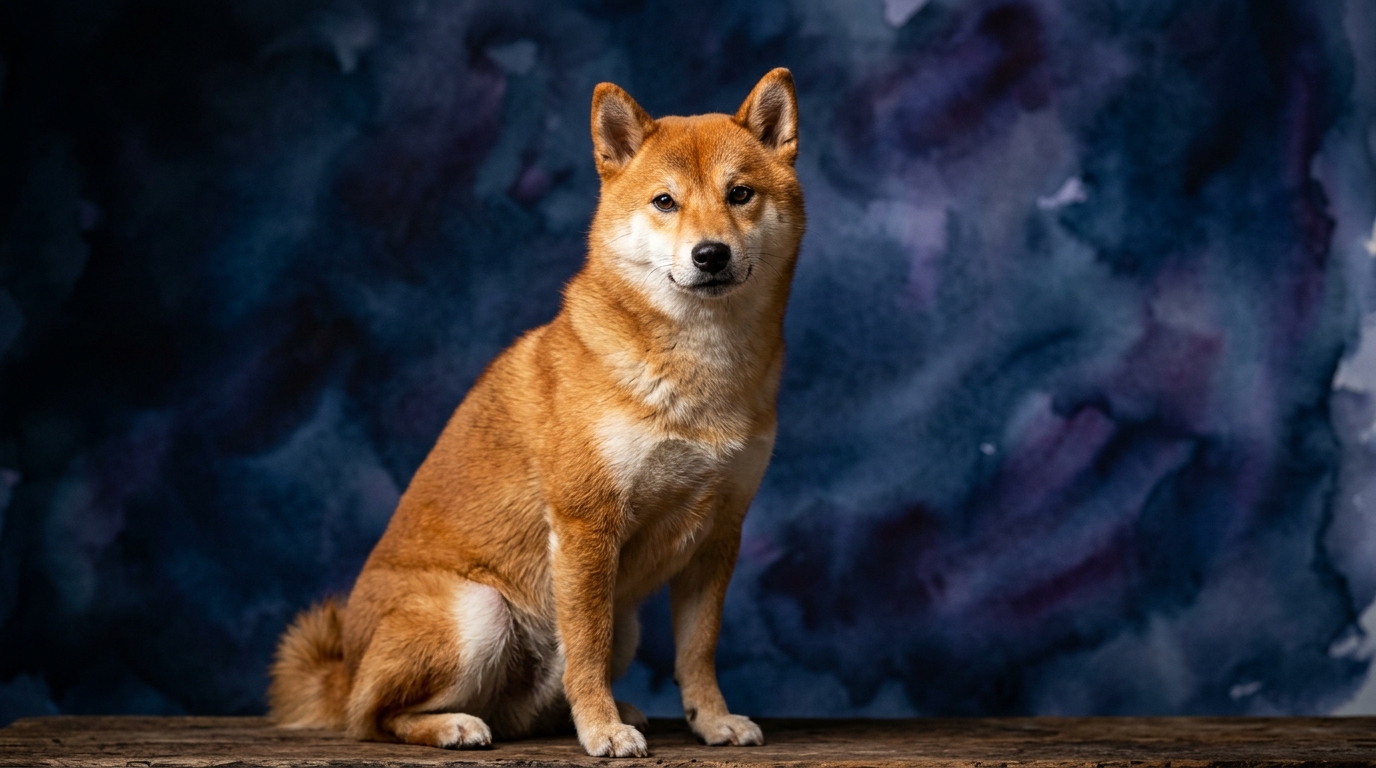
The Shiba Inu, a non-sporting breed, scores 4/5 in Problem Solving, indicating a clever and often resourceful approach to challenges. Their Training Speed is 2/5, reflecting a more deliberate and sometimes independent learning pace. Social Intelligence for the Shiba Inu stands at 3/5, suggesting a discerning social nature. Their Instinctive Drive is a powerful 5/5, speaking to their strong natural impulses, while Memory is robust at 4/5. These scores paint a picture of a dog that thinks deeply and acts with purpose, often on its own terms.
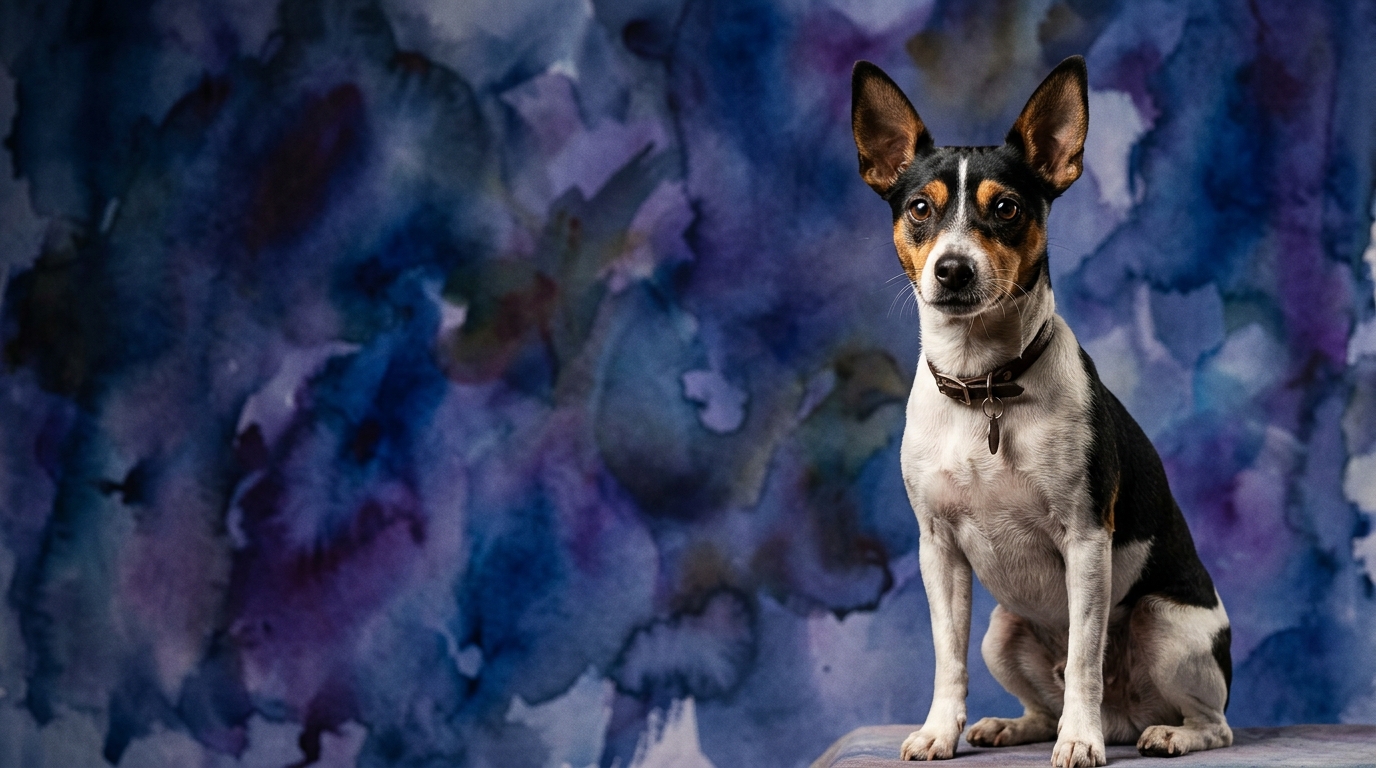
In contrast, the Rat Terrier, a terrier breed, shows a different cognitive blueprint. Their Problem Solving is rated 3/5, demonstrating practical intelligence rooted in task completion. Training Speed for the Rat Terrier is 3/5, indicating a moderate and generally cooperative learning ability. Like the Shiba, their Social Intelligence is 3/5, pointing to adaptable but not universally effusive social interactions. Their Instinctive Drive is 3/5, a balanced drive that can be channeled effectively, and their Memory is 3/5, reliable for everyday tasks and routines. These attributes suggest a dog that is engaged, trainable, and focused on cooperative endeavors.
Where the Shiba Inu Shines Cognitively
The Shiba Inu's cognitive strengths are particularly evident in areas requiring independent thought and strong innate drives. Their 4/5 Problem Solving score means they often excel at figuring out complex environmental puzzles or devising clever strategies to achieve their goals, sometimes to their owner's surprise. This isn't about following instructions, but about independent innovation. Furthermore, their powerful 5/5 Instinctive Drive fuels a keen awareness of their surroundings and a profound motivation for exploration and pursuit, making them adept at tasks that tap into their primal senses, such as scent work or navigating varied terrain. The Shiba's 4/5 Memory also allows them to recall intricate details of past experiences and learned routes with considerable accuracy, contributing to their self-sufficient nature.
Where the Rat Terrier Holds a Cognitive Edge
The Rat Terrier's cognitive advantages lie primarily in their more cooperative learning style and balanced drives. With a Training Speed of 3/5 compared to the Shiba's 2/5, Rat Terriers generally grasp new commands and routines more readily, showing a greater eagerness to engage with their human trainers. This responsiveness makes initial training phases smoother and more rewarding for both dog and owner. While their Instinctive Drive is 3/5, lower than the Shiba's, this actually translates into a more manageable focus during training; their natural drives can be more easily channeled into structured activities, rather than constantly competing with an overwhelming urge for independent action. This balance allows them to maintain focus on the task at hand, making them highly receptive to directed learning and skill acquisition.
Trainability: Shiba Inu vs. Rat Terrier
When it comes to ease of training, the Rat Terrier generally presents a more straightforward experience than the Shiba Inu. The Rat Terrier's higher Training Speed (3/5) is a significant factor; they tend to be more handler-focused and possess a stronger intrinsic motivation to work alongside their human companions, absorbing new commands and behaviors with relative consistency. Their 3/5 Instinctive Drive, while present, is often balanced by their desire for engagement, making them less prone to being distracted by overwhelming urges.
In contrast, the Shiba Inu's 2/5 Training Speed reflects a more independent and sometimes selective approach to learning. While certainly capable of understanding commands due to their high Problem Solving (4/5) and Memory (4/5), their powerful 5/5 Instinctive Drive means they often prioritize their own interests. A Shiba might understand exactly what you want but choose to comply only if they perceive sufficient personal benefit or if it aligns with their current mood. This isn't a lack of intelligence, but rather a strong self-will that requires immense patience, creative motivation, and a deep understanding of their unique personality to achieve consistent results. Owners often describe training a Shiba as more of a negotiation than a command-and-response dynamic.
Suitability for Active vs. Relaxed Owners
Both the Shiba Inu and the Rat Terrier are active breeds that require regular physical and mental stimulation, meaning neither is truly suited for a purely 'relaxed' or sedentary owner. However, the *nature* of that activity and engagement differs significantly, making them fit different types of active lifestyles.
The Shiba Inu thrives with owners who appreciate and can accommodate their independent spirit and powerful instinctive drives. An active owner for a Shiba might be someone who enjoys long, exploratory walks in secure areas, allowing their dog to engage their senses and investigate independently, rather than constantly following a rigid command structure. They need outlets for their 5/5 instinctive drive, perhaps through challenging scent games or opportunities to 'hunt' for toys, but always within a safe, controlled environment due to their strong prey drive and potential for independent exploration. These owners understand that a Shiba's activity might involve less direct interaction and more self-directed engagement.
The Rat Terrier, conversely, suits an active owner who enjoys more structured, cooperative activities. Their moderate instinctive drive (3/5) and higher training speed (3/5) make them excellent candidates for dog sports like agility, obedience, flyball, or earthdog trials, where their quickness, focus, and desire to work with their handler can be fully utilized. They need consistent mental and physical challenges that involve partnership. A 'relaxed' owner for a Rat Terrier would still need to provide significant daily engagement, but the cooperative nature of these dogs means that interaction is typically less about negotiation and more about shared activity, making their energy easier to direct and satisfy through structured play and training.
The Verdict
Choose a Shiba Inu if you appreciate a clever, independent companion with strong self-will, are prepared for creative training approaches, and value a dog that thinks for itself. They suit owners who enjoy observing a dog's profound instinctive behaviors and can provide secure, stimulating environments for their explorations.
Opt for a Rat Terrier if you desire an energetic, cooperative companion eager to learn and participate in structured activities, making training a more collaborative experience. They are ideal for owners who enjoy engaging in dog sports and providing consistent, directed mental and physical challenges.
🧠 Find Your Pet's IQ Score
Our Pet IQ Lab assessment covers 25+ tests across 5 cognitive dimensions — personalized to your breed.
Take the Full IQ Test →Frequently Asked Questions
Are Shiba Inus stubborn?
Their 2/5 training speed and 5/5 instinctive drive can make them appear stubborn, but it's often a manifestation of their independent nature and strong self-will. They understand commands but may choose to comply only if they perceive sufficient motivation or if it aligns with their current interest.
Do Rat Terriers need a lot of exercise?
Yes, Rat Terriers are energetic dogs with a moderate instinctive drive (3/5) that needs a consistent outlet. Daily vigorous walks, playtime, and mental stimulation through training or puzzle toys are essential to keep them happy and prevent boredom-related behaviors.
How do their social intelligence scores (3/5 for both) compare in real life?
Both breeds generally form strong bonds with their immediate family, but their expression differs. Shibas tend to be more reserved, showing affection subtly and often preferring a smaller social circle, while Rat Terriers are typically more outwardly engaging and adaptable in social settings once they've established trust.