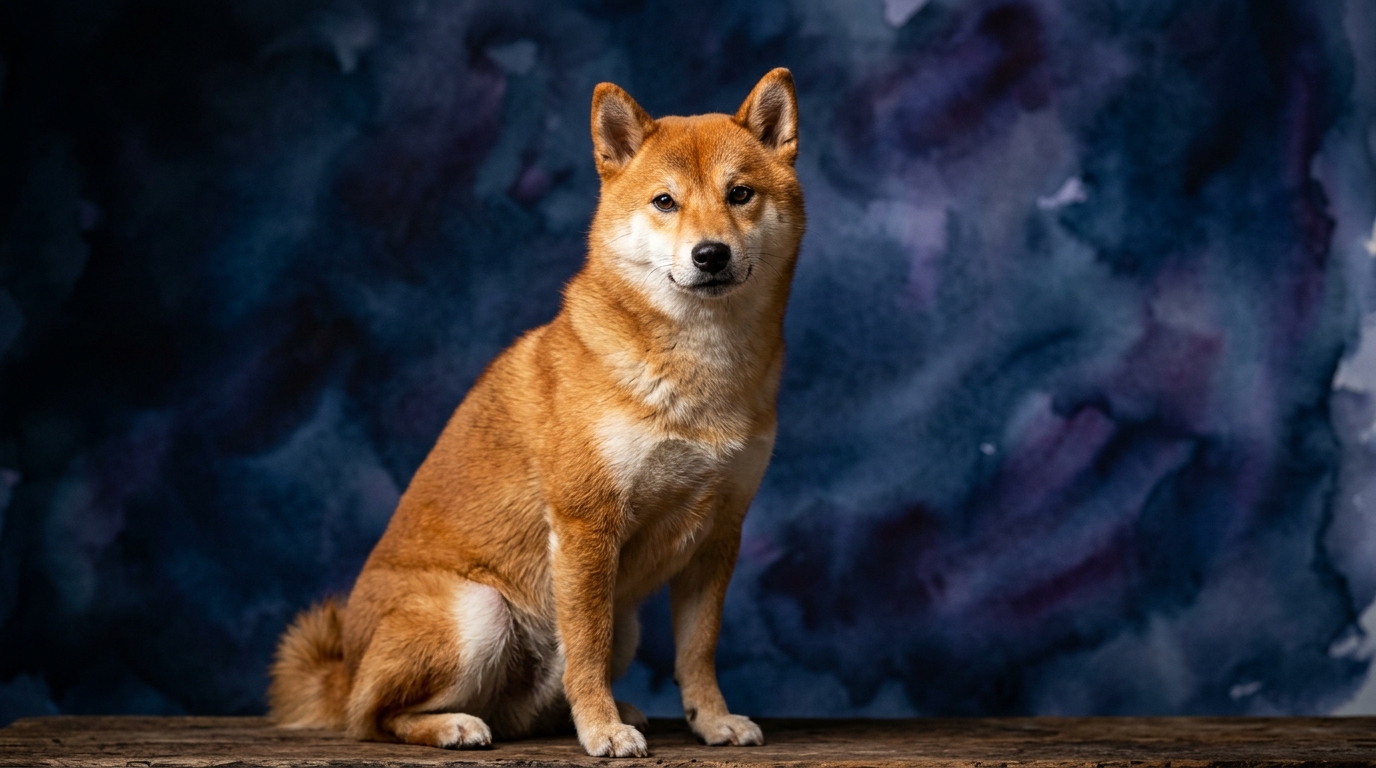
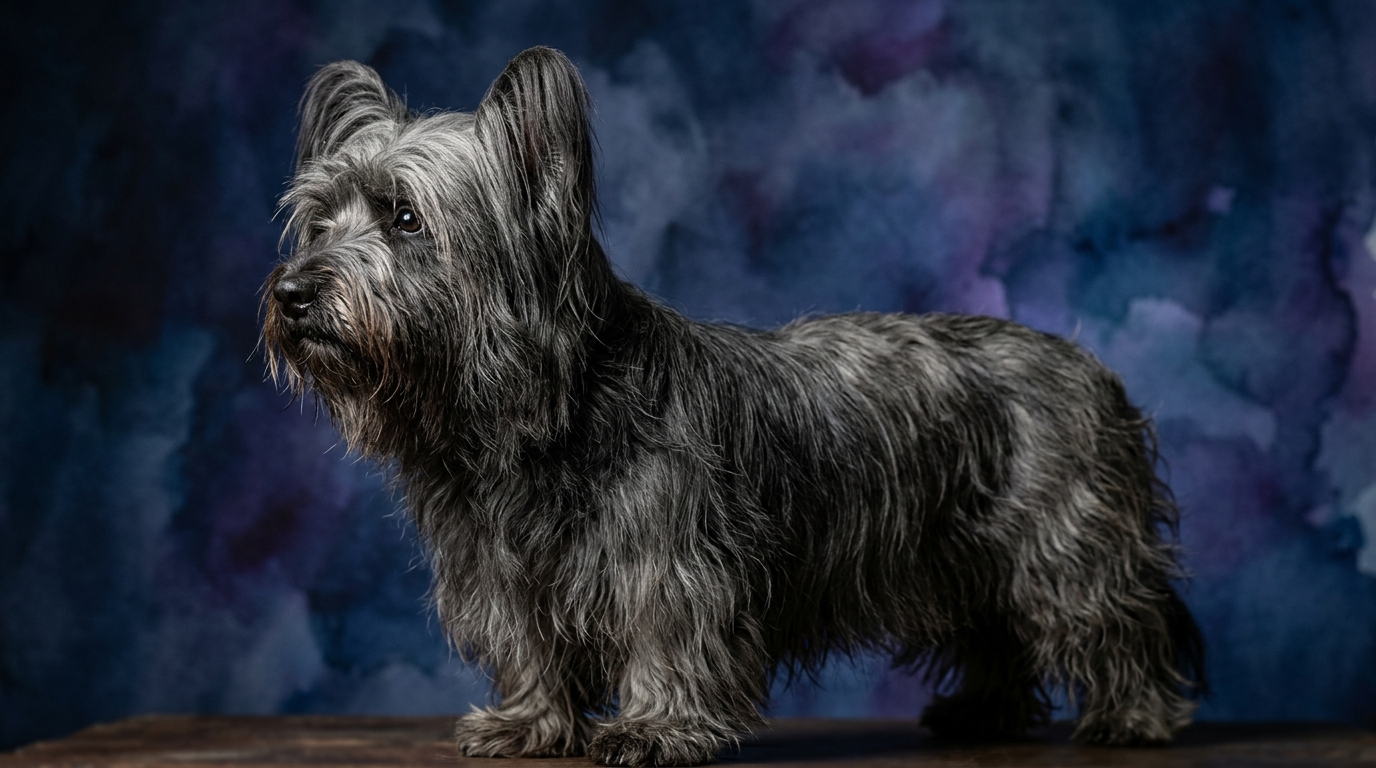
Side-by-Side IQ Profile: Shiba Inu vs. Skye Terrier
The Cosmic Pet Pet IQ Lab's assessment provides a granular look into the cognitive dimensions of these two distinct breeds. The Shiba Inu, a spirited companion from Japan's mountainous regions, exhibits a strong aptitude for independent thought and action. Its Problem Solving is rated 4/5, indicating a capacity for figuring out complex situations on its own, often through trial and error or observation. However, its Training Speed is 2/5, suggesting a more deliberate and often self-motivated approach to learning commands rather than an eagerness to please. Social Intelligence stands at 3/5, meaning they can navigate social cues but may not always prioritize human interaction over their own agenda. A striking 5/5 in Instinctive Drive highlights their deep-seated prey drive and tenacity, while Memory at 4/5 shows they retain information and learned experiences effectively.
In contrast, the Skye Terrier, an elegant and resilient breed hailing from the Isle of Skye, presents a more balanced cognitive profile across several dimensions. Its Problem Solving capability is 3/5, indicating a solid ability to navigate challenges, perhaps with a touch more reliance on established patterns or handler guidance. Training Speed is rated 3/5, suggesting a moderate pace of learning new commands and a reasonable willingness to cooperate, though still possessing the characteristic terrier determination. Social Intelligence also scores 3/5, indicating they are capable of forming strong bonds and understanding social dynamics, but may reserve their affection for a select few. An Instinctive Drive of 3/5 points to a manageable prey drive compared to some terriers, while Memory at 3/5 suggests they retain information adequately for daily life and training, without the same level of recall for intricate patterns as the Shiba.
Where the Shiba Inu Excels Cognitively
The Shiba Inu's cognitive architecture truly shines in scenarios demanding independent thought and self-reliance. Its 4/5 rating in Problem Solving, combined with a robust 4/5 in Memory, means a Shiba can often devise ingenious solutions to perceived obstacles. For instance, if left in a secure yard, a Shiba might meticulously test gates, observe weak points in fencing, or even learn to manipulate latches through repeated attempts and memory of past successes. This isn't about simple obedience; it's about a dog actively processing its environment and formulating strategies to achieve its goals, whether that's escaping or acquiring a coveted item. Their formidable 5/5 Instinctive Drive fuels this ingenuity, making them incredibly persistent in pursuing their objectives, such as tracking a scent or outsmarting a food puzzle. This combination fosters a cunning and resourceful companion, capable of surprising owners with their cleverness in navigating their world.
Where the Skye Terrier Shows Distinct Cognitive Strengths
While the Shiba excels in independent cunning, the Skye Terrier's cognitive strengths lie in a different realm, leaning towards a more cooperative yet still persistent engagement. Their 3/5 Training Speed, which is higher than the Shiba's 2/5, indicates a greater receptiveness to learning from their human companions. This isn't to say they are always eager to please, but they typically process commands and associate actions with outcomes more readily. Their 3/5 Instinctive Drive, while present, is often more directed and less overwhelming than a Shiba's, allowing for a more balanced focus during training sessions. This means a Skye might be more consistently engaged in learning a new trick or following a complex routine, especially when motivated by positive reinforcement, rather than constantly evaluating whether the task serves their own immediate, instinctual agenda. Their cognitive profile suggests a steady learner who, once committed, applies consistent effort, making them reliable partners in activities that require sustained attention and a willingness to work alongside their handler.
Ease of Training: Shiba Inu vs. Skye Terrier
When it comes to ease of training, the Skye Terrier generally presents a more straightforward experience than the Shiba Inu. The Shiba's 2/5 Training Speed is a direct reflection of their independent nature and strong self-will. They often require significant motivation and patience, as they are not inherently driven by a desire to please their human companions. A Shiba might understand a command perfectly well but choose not to execute it if they perceive no immediate benefit or if it conflicts with their current interest, like chasing a squirrel. Their 5/5 Instinctive Drive means they are easily distracted by environmental stimuli, making consistent focus a challenge. Training a Shiba often feels like negotiating rather than instructing, demanding creative reinforcement and a deep understanding of their motivations to build compliance.
Conversely, the Skye Terrier's 3/5 Training Speed, while not setting records, indicates a more amenable disposition. They are often more willing to engage in training exercises, even if they can still exhibit the characteristic terrier stubbornness. Their 3/5 Instinctive Drive is more manageable, allowing them to maintain focus for longer periods without becoming completely fixated on external stimuli. While they will test boundaries, a Skye is typically more responsive to consistent positive reinforcement and clear communication. Their training success often hinges on establishing a strong, respectful bond and ensuring sessions are engaging and varied to keep their attention. Owners are likely to see more consistent progress with a Skye Terrier, provided they employ patient and firm methods.
Suitability for Active vs. Relaxed Owners
The choice between a Shiba Inu and a Skye Terrier also hinges significantly on an owner's lifestyle and energy levels. The Shiba Inu, with its high Instinctive Drive (5/5) and independent Problem Solving (4/5), thrives with owners who can provide consistent mental and physical stimulation that respects their self-sufficient nature. They need structured outlets for their prey drive, such as secure off-leash areas for running or engaging scent work, and owners who appreciate a dog that thinks for itself. These are not 'couch potato' dogs; they require regular engagement to prevent boredom, which can lead to inventive, often destructive, problem-solving within the home. An active owner who enjoys exploring, hiking, or engaging in dog sports where a dog's independence is an asset would find a fulfilling partnership with a Shiba.
The Skye Terrier, while not a sedentary breed, generally suits a slightly more relaxed pace than the Shiba. Their Instinctive Drive (3/5) is present but less all-consuming, and their moderate Problem Solving (3/5) means they might be content with less intense, but still regular, mental exercises. They enjoy a good walk and playtime, but are often equally happy to cuddle on the couch after their needs are met. Owners who enjoy a comfortable daily routine with moderate walks, puzzle toys, and consistent training sessions will find a Skye Terrier a delightful companion. They prefer a predictable environment and thrive on companionship, making them suitable for owners who value a loyal presence and are prepared for a dog with a charming, albeit sometimes stubborn, personality.
The Verdict
Choose a Shiba Inu if you appreciate a cunning, independent companion capable of impressive self-reliance, and you are prepared for the dedication required to manage their strong drives and unique training approach.
Opt for a Skye Terrier if you seek a loyal, moderately active companion who is generally more amenable to cooperative training, offering a steady presence and characterful charm with a manageable terrier spirit.
🧠 Find Your Pet's IQ Score
Our Pet IQ Lab assessment covers 25+ tests across 5 cognitive dimensions — personalized to your breed.
Take the Full IQ Test →Frequently Asked Questions
Are Shiba Inus good for first-time dog owners?
Shiba Inus are often not recommended for first-time dog owners due to their independent nature, strong prey drive, and challenging training speed. They require consistent, experienced handling and a deep understanding of their unique motivations to thrive.
Do Skye Terriers get along well with other pets?
Skye Terriers can coexist with other pets, especially if socialized from a young age. Their instinctive drive is moderate, but proper introductions and supervision are always important, particularly with smaller animals due to their terrier heritage.
Which breed requires more grooming?
The Skye Terrier typically requires more extensive grooming due to its long, flowing double coat, which needs regular brushing to prevent mats and tangles. The Shiba Inu has a shorter, dense double coat that sheds seasonally but generally requires less frequent brushing.