Side-by-Side Cognitive Profile: Unpacking Each Breed's Mental Landscape
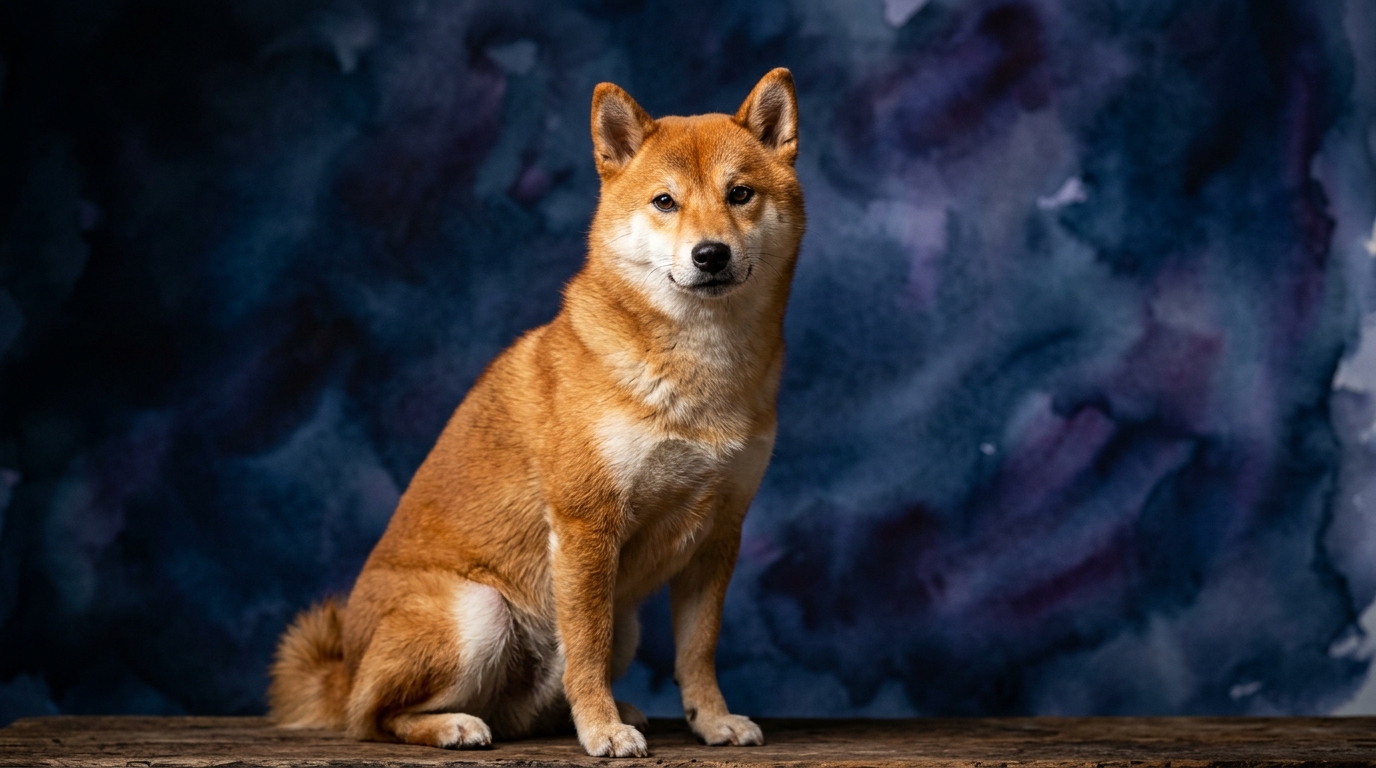
The Shiba Inu, a venerable Japanese breed, presents a captivating cognitive blueprint. Their Problem Solving score of 4/5 indicates a keen ability to figure out complex situations independently, often demonstrating cleverness in manipulating their environment to achieve goals, such as opening cabinets or escaping enclosures. However, their Training Speed, rated at 2/5, suggests a deliberate and sometimes stubborn approach to learning new commands, requiring consistent and patient methods. Social Intelligence, at 3/5, reflects a capacity for understanding human cues and social dynamics, though often from a more independent stance rather than an eagerness to please. A commanding Instincive Drive of 5/5 underscores their strong prey drive and ancestral hunting instincts, making them highly motivated by scent and movement. Finally, their Memory, scoring 4/5, allows them to retain learned behaviors and past experiences with impressive recall, whether it’s a trick mastered or a boundary crossed.
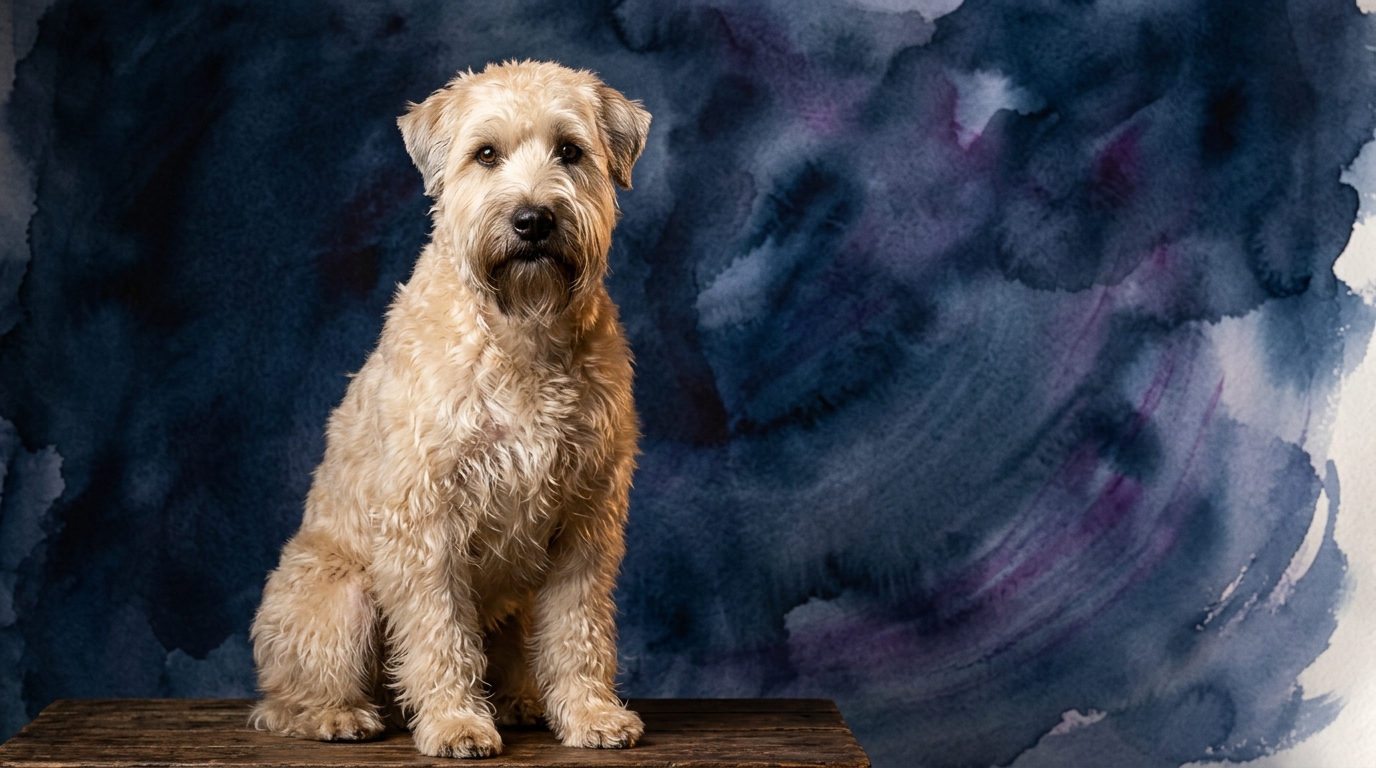
In contrast, the Soft Coated Wheaten Terrier, originating from Ireland, offers a different cognitive tapestry. Their Problem Solving ability, rated 3/5, indicates a moderate capacity for navigating novel challenges, often relying on trial and error or seeking human assistance rather than independent strategizing. The Wheaten's Training Speed, at 3/5, suggests a more cooperative learning style compared to the Shiba, capable of picking up commands at a reasonable pace with positive reinforcement. Their Social Intelligence also stands at 3/5, but this manifests as a more overtly friendly and engaging demeanor, eager to interact and connect with their human companions. An Instinctive Drive of 3/5 highlights their terrier heritage, manifesting as a moderate inclination for chasing and exploring, but generally less intense than the Shiba's predatory focus. Their Memory, scoring 3/5, means they can retain information adequately, but might require more frequent refreshers for less frequently practiced commands or routines.
Where the Shiba Inu Excels Cognitively
The Shiba Inu truly shines in independent problem-solving and leveraging their environment. With a 4/5 rating in this dimension, they are adept at devising solutions to perceived obstacles, whether it's figuring out how to unlatch a gate or strategically positioning themselves to gain access to forbidden treats. This cognitive strength often translates into a resourceful and self-sufficient nature, making them fascinating to observe as they strategize. Their high Memory score of 4/5 complements this, allowing them to remember what works and what doesn't, quickly learning from past experiences and adapting their tactics accordingly. This means a Shiba who successfully “escapes” once is likely to remember the method and attempt it again.
Another area of distinct advantage for the Shiba is their powerful Instinctive Drive, rated 5/5. This isn't just about a strong prey drive; it speaks to a deep connection with their ancestral purpose. This drive fuels their curiosity and exploration, making them exceptional at tracking scents and alert to subtle environmental changes. While this can present training challenges, it also means Shibas are often highly motivated by scent-based games or activities that tap into their natural hunting instincts, offering a unique avenue for engagement that leverages their innate cognitive strengths. Their ability to quickly process and react to these environmental cues showcases a specific type of rapid, instinct-driven cognition.
Where the Soft Coated Wheaten Terrier Holds the Cognitive Edge
The Soft Coated Wheaten Terrier distinguishes itself with a more balanced and accessible approach to learning, particularly in Training Speed, where it scores 3/5, surpassing the Shiba's 2/5. This indicates a greater willingness to engage with human instruction and a more straightforward learning curve for new commands and behaviors. While not the fastest learners, Wheatens generally exhibit a cooperative spirit, making them more amenable to structured training sessions and less prone to the independent streaks seen in Shibas. This cognitive openness to partnership simplifies the process of shaping their behavior and integrating them into household routines.
While both breeds share a 3/5 Social Intelligence rating, the Wheaten's expression of this intelligence often manifests as a more overt desire for interaction and connection. Their cognitive processing of social cues tends to lead to more effusive greetings and a generally more amiable disposition towards both familiar people and sometimes strangers. This social aptitude, combined with their moderate Instinctive Drive (3/5), means they are less likely to be solely driven by primal urges and more inclined to seek companionship and respond to social reinforcement, making them potentially more adaptable in varied social settings and less prone to purely self-serving decisions. Their cognitive framework often prioritizes social engagement as a reward.
Ease of Training: A Tale of Two Temperaments
When evaluating ease of training, the Soft Coated Wheaten Terrier holds a distinct advantage due to its Training Speed of 3/5 and generally cooperative nature. Wheatens typically respond well to positive reinforcement, eager to please their owners and less inclined to question directives. Their moderate Problem Solving (3/5) means they are less likely to devise alternative, non-compliant solutions to training requests. For instance, teaching a Wheaten to “stay” might involve a few repetitions, with the dog understanding the desired outcome and the reward associated with it, exhibiting a willingness to comply. Their cognitive framework supports a more direct path from instruction to execution.
The Shiba Inu, with its 2/5 Training Speed and formidable Problem Solving (4/5), presents a more significant training challenge. Their independent spirit means they often weigh whether a command is truly in their best interest, rather than simply complying. For example, a Shiba told to “stay” might assess the environment for more interesting stimuli or potential escape routes, rather than focusing solely on the owner's request. Their high Instinctive Drive (5/5) means distractions like a squirrel or an interesting scent can easily override training efforts, demanding exceptional consistency, high-value rewards, and often a creative approach from the trainer to maintain engagement. This is not a lack of capacity to learn, but rather a strong cognitive preference for self-determination.
Active Owners vs. Relaxed Owners: Matching Cognitive Needs
For active owners seeking a canine companion for challenging endeavors, the Shiba Inu’s unique cognitive blend can be a rewarding match. Their high Instinctive Drive (5/5) and strong Problem Solving (4/5) make them excellent candidates for activities like scent work, advanced puzzle toys, or agile hikes where their natural curiosity and physical prowess can be fully engaged. Owners who appreciate a dog that thinks independently and requires mental stimulation to channel its sharp mind will find the Shiba stimulating. This breed thrives with consistent mental challenges and opportunities to explore, ensuring their cognitive faculties are constantly engaged rather than becoming bored and potentially destructive.
Relaxed owners, or those seeking a companion that integrates more smoothly into a less demanding routine, may find the Soft Coated Wheaten Terrier a better fit. While still requiring regular exercise, their balanced Instinctive Drive (3/5) and more cooperative Training Speed (3/5) mean they are generally content with regular walks, playtime in the yard, and interactive sessions with their family. They offer a more predictable cognitive landscape, less prone to complex independent schemes or intense predatory pursuits. Their social intelligence, while rated the same as the Shiba, translates into a more overtly affectionate and less aloof presence, making them suitable for owners who value a dog that actively seeks out companionship and is generally easier to manage in varied social situations without constant vigilance over their independent problem-solving attempts.
The Verdict
Choose the Shiba Inu if you are an experienced owner who appreciates a self-reliant, clever companion and is prepared for the mental engagement required to channel their strong instincts and independent problem-solving skills. They thrive with consistent, creative training and opportunities for intellectual challenge.
Opt for the Soft Coated Wheaten Terrier if you desire a cooperative, friendly companion willing to engage in training and social activities, offering a more balanced cognitive profile that adapts readily to family life with moderate mental and physical stimulation.
🧠 Find Your Pet's IQ Score
Our Pet IQ Lab assessment covers 25+ tests across 5 cognitive dimensions — personalized to your breed.
Take the Full IQ Test →Frequently Asked Questions
Do Shiba Inus understand human emotions?
With a Social Intelligence rating of 3/5, Shiba Inus can certainly perceive and react to human emotional states, though their response might be more reserved or independent compared to breeds bred for closer partnership. They often show empathy through quiet presence rather than effusive displays.
Are Soft Coated Wheaten Terriers good at learning tricks?
Yes, with a Training Speed of 3/5 and a cooperative nature, Soft Coated Wheaten Terriers are generally good at learning tricks. They enjoy the interaction and positive reinforcement that comes with training, making them receptive to mastering a variety of commands and fun behaviors.
Which breed is better for first-time dog owners?
For first-time dog owners, the Soft Coated Wheaten Terrier is generally a more suitable choice due to its more cooperative training speed and amiable social intelligence. The Shiba Inu's strong independent streak and high instinctive drive can be challenging for those new to dog ownership.