Side-by-side IQ Profile: A Deep Dive into Canine Cognition
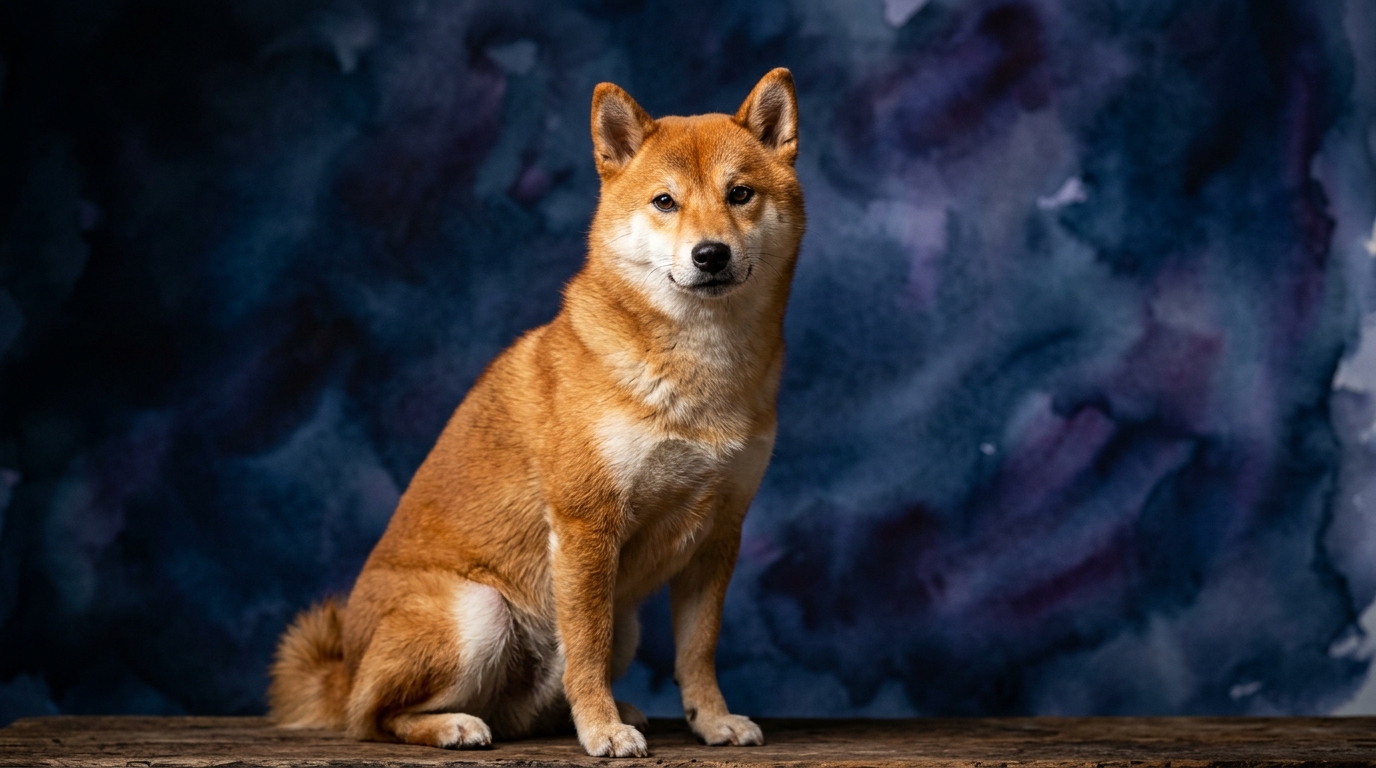
**Shiba Inu:** Originating from Japan, this ancient breed, though not ranked by Coren, presents a unique cognitive profile. Their **Problem Solving** capability scores a robust 4/5, indicating a capacity for independent thought and finding solutions, often on their own terms. **Training Speed** is rated 2/5, suggesting a more deliberate and often challenging approach to absorbing new commands, rooted in their strong-willed nature. **Social Intelligence** stands at 3/5; while they can form deep bonds, their reserved demeanor means they might not always be the most eager participants in social cues from humans or other dogs, preferring a degree of independence. Their **Instinctive Drive** is exceptionally high at 5/5, reflecting their strong prey drive, territorial instincts, and a deep connection to their ancestral hunting roles. Finally, their **Memory** is solid at 4/5, meaning once they learn something, good or bad, it tends to stick.
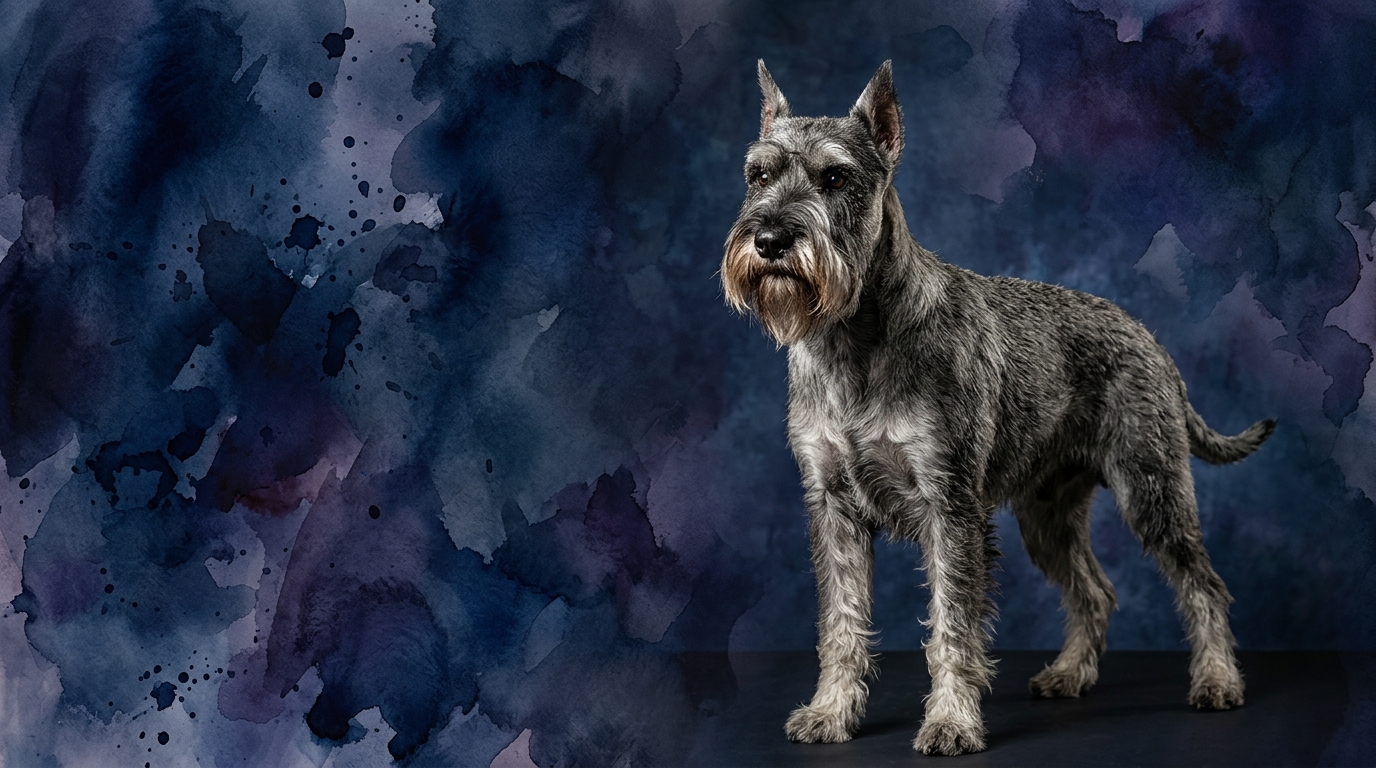
**Standard Schnauzer:** Hailing from Germany, the Standard Schnauzer is recognized for its working heritage and ranks impressively at #22 on Stanley Coren's intelligence scale. Like the Shiba, their **Problem Solving** also rates 4/5, showcasing a strong aptitude for navigating complex situations and adapting to new challenges, often with a purposeful approach. Where they diverge significantly is **Training Speed**, scoring an excellent 4/5; this breed typically picks up new commands and routines with enthusiasm and efficiency, eager to engage with their human partners. Their **Social Intelligence** is also 3/5, suggesting they are capable of understanding and responding to social cues but, similar to the Shiba, may not always be overtly expressive or universally friendly, often forming strong bonds with their immediate family. Their **Instinctive Drive** is a moderate 3/5, present but more manageable than the Shiba’s, often channeled into guarding or working tasks rather than raw prey pursuit. Their **Memory** matches the Shiba at 4/5, allowing them to retain learned behaviors and experiences effectively.
Where the Shiba Inu Shines Cognitively
The Shiba Inu's cognitive strength lies prominently in its extraordinary **Instinctive Drive (5/5)**. This isn't merely about chasing squirrels; it's a deep-seated, self-reliant intelligence that allows them to operate with remarkable autonomy. Their heightened instincts mean they are acutely aware of their environment, possess excellent observational skills, and are quick to react to changes, often making independent decisions based on their primal programming. This strong drive, coupled with a high **Problem Solving (4/5)** score, means a Shiba can devise clever, often unconventional, ways to achieve their goals, whether it's escaping a yard or outsmarting a puzzle toy. Their reserved **Social Intelligence (3/5)** and slower **Training Speed (2/5)** are often direct consequences of this profound internal motivation; they are less inclined to automatically defer to human direction when their instincts or self-interest dictate otherwise. This breed's mental fortitude in pursuing its own agenda, guided by ancient drives, is a true cognitive highlight.
Where the Standard Schnauzer Excels Cognitively
The Standard Schnauzer's cognitive profile truly excels in its **Training Speed (4/5)**, a dimension where it significantly surpasses the Shiba Inu. This rapid learning capability, combined with a robust **Problem Solving (4/5)** score, makes them exceptionally adaptable and versatile in various roles. Their #22 Coren ranking underscores their readiness to learn and execute complex tasks, demonstrating a strong desire to engage with their human companions in structured activities. Unlike the Shiba, whose instincts often guide independent action, the Schnauzer's moderate **Instinctive Drive (3/5)** is more readily channeled into cooperative tasks, making them eager participants in obedience, agility, or protective work. Their ability to quickly grasp and retain commands, supported by a strong **Memory (4/5)**, means they can build an extensive repertoire of behaviors, making them a rewarding partner for those who enjoy consistent training and mental stimulation.
Which Breed is Easier to Train and Why
Based on their IQ profiles, the **Standard Schnauzer is unequivocally easier to train** than the Shiba Inu. The Schnauzer's **Training Speed (4/5)** indicates a willingness and ability to absorb new commands efficiently, thriving on structured interaction and positive reinforcement. Their moderate **Instinctive Drive (3/5)** means natural inclinations are less likely to override learned behaviors, allowing for more predictable responses. In contrast, the Shiba Inu's **Training Speed (2/5)** reflects their inherent independence and strong-willed nature. Their exceptional **Instinctive Drive (5/5)** often means they are more motivated by their own internal agenda or environmental stimuli than by human directives. While capable of learning due to their high **Problem Solving (4/5)** and **Memory (4/5)**, a Shiba will often choose not to comply if they don't see the immediate benefit, making training a continuous negotiation rather than a straightforward instruction-response cycle.
Cognitive Profiles: Active Owners vs. Relaxed Owners
For active owners seeking a consistent training partner and a dog eager for mental challenges, the **Standard Schnauzer** presents a compelling choice. Their high **Training Speed (4/5)** and strong **Problem Solving (4/5)** aptitude mean they thrive on engaging activities like advanced obedience, agility, or scent work, requiring an owner who can consistently provide intellectual stimulation and physical exercise. Their moderate **Instinctive Drive (3/5)** channels well into structured tasks, making them excellent companions for a productive partnership. Conversely, for owners who appreciate a dog with a strong, self-directed personality and are prepared for a nuanced relationship, the **Shiba Inu** could be a match. Their formidable **Instinctive Drive (5/5)** and independent **Problem Solving (4/5)** mean they don't require constant human direction but do need secure environments and understanding of their self-reliant nature. While they enjoy activity, it's often on their own terms, making them less suited for owners seeking a purely compliant companion. Neither breed is truly suited for minimal engagement, but the *type* of engagement differs significantly.
The Verdict
Opt for a Shiba Inu if you appreciate a dog with profound independence, a rich inner life, and are prepared to engage in a relationship built on mutual respect and understanding of their strong instincts.
Select a Standard Schnauzer if you desire a highly trainable, versatile companion eager to participate in structured activities and form a cooperative partnership.
🧠 Find Your Pet's IQ Score
Our Pet IQ Lab assessment covers 25+ tests across 5 cognitive dimensions — personalized to your breed.
Take the Full IQ Test →Frequently Asked Questions
Are Shiba Inus difficult to live with due to their strong instincts?
Shiba Inus possess a profound instinctive drive, which translates to independence and a strong prey drive. While this requires consistent training, secure containment, and understanding, it also means they are self-sufficient and can be fascinating companions for owners who appreciate their unique character.
Do Standard Schnauzers require a lot of mental stimulation?
Yes, Standard Schnauzers with their high problem-solving abilities and rapid training speed thrive on mental engagement. Daily training sessions, puzzle toys, and opportunities for purposeful activity like agility or obedience are crucial to prevent boredom and maintain their well-being.
How do their social intelligence scores impact their interactions?
Both breeds score 3/5 in social intelligence, indicating they understand social cues but might not be universally outgoing. Shibas tend to be more reserved and selective with their friendships, while Schnauzers form strong bonds with their families but can be wary of strangers, requiring proper socialization to ensure polite interactions.