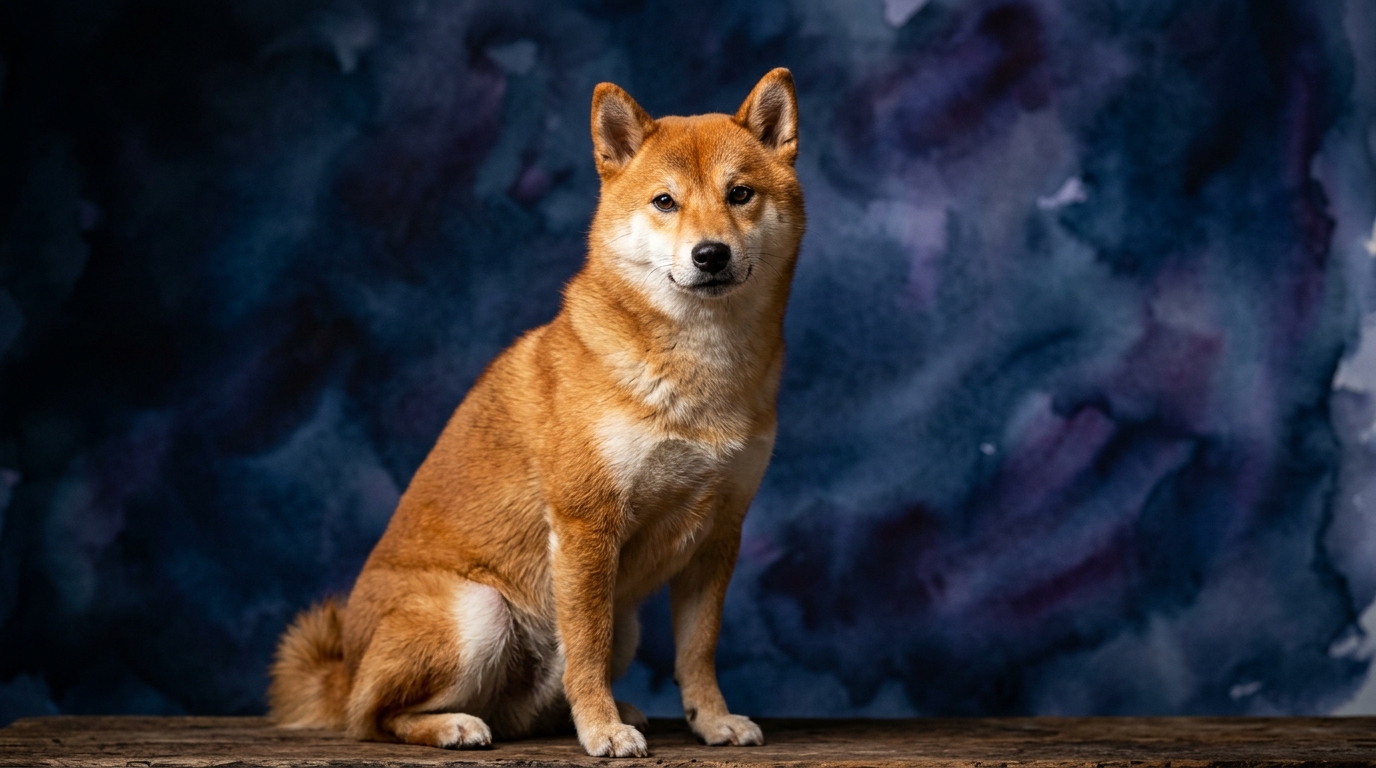
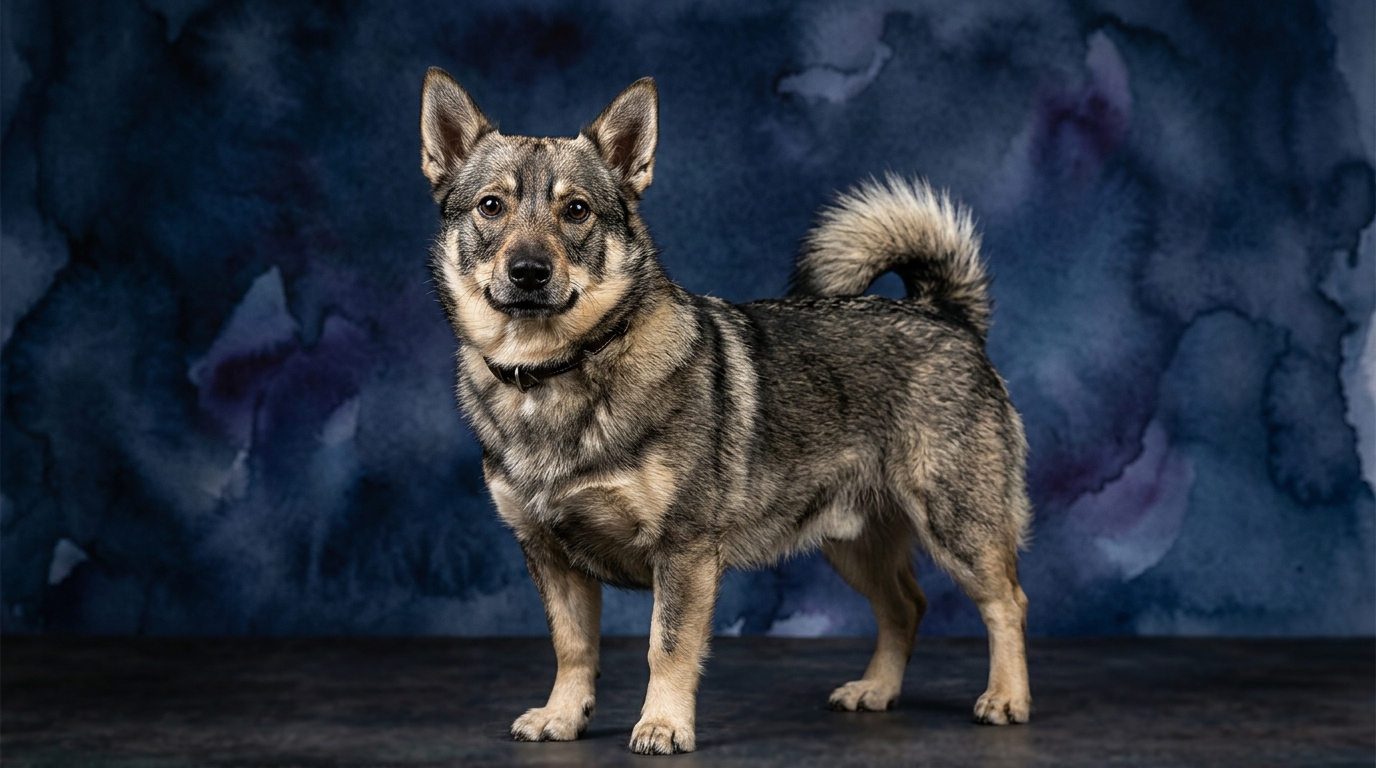
Side-by-Side IQ Profile: Shiba Inu vs. Swedish Vallhund
The Cosmic Pet Pet IQ Lab employs five key dimensions to map a breed's cognitive architecture, providing a nuanced understanding of their mental faculties. For the Shiba Inu, these dimensions paint a picture of an independent and resourceful thinker. Their Problem Solving is rated at 4/5, indicating a strong capacity to strategize and figure out complex situations, often to their own benefit. However, this ingenuity is coupled with a Training Speed of 2/5, suggesting they are not inherently eager to please and require significant motivation and patience during learning. Social Intelligence stands at 3/5; while observant of their environment and human companions, they often prefer a degree of personal space. Their Instinctive Drive is a commanding 5/5, reflecting deep-seated ancestral behaviors like hunting and territoriality. Finally, their Memory is solid at 4/5, meaning they retain lessons and experiences, both positive and negative, over time.
In contrast, the Swedish Vallhund presents a different cognitive profile, indicative of their herding heritage. Their Problem Solving is 3/5, meaning they are capable of learning routines and solving practical, task-oriented puzzles, though perhaps less prone to independent 'scheming' than a Shiba. Their Training Speed is 3/5, suggesting a more cooperative disposition and a greater willingness to engage in structured learning sessions. Like the Shiba, their Social Intelligence is rated 3/5; they are attentive to their family and surroundings, often reserved but polite with strangers. The Vallhund's Instinctive Drive is 3/5, primarily focused on herding behaviors, which, while potent, are often more manageable and less predatory than the Shiba's. Their Memory is 3/5, allowing them to adequately retain training and recall past experiences.
Where the Shiba Inu Excels Cognitively
The Shiba Inu truly shines in areas demanding independent thought and resourcefulness, particularly in Problem Solving (4/5). This breed isn't just capable of figuring things out; they often do so with a cunning that can surprise their owners. Whether it's devising a strategy to access a forbidden treat, manipulating a gate latch, or navigating a complex environment to their desired destination, Shibas demonstrate an impressive ability to assess situations and execute multi-step solutions. This high problem-solving capacity means they require constant mental engagement to prevent boredom, which can lead to them inventing their own 'problems' to solve, such as finding creative ways to redecorate your home.
Furthermore, their formidable Instinctive Drive (5/5) is a cognitive strength rooted in their ancient lineage. This isn't just about raw energy; it's about an acute awareness of their surroundings, a strong prey drive that sharpens their senses, and an inherent self-sufficiency. This drive dictates much of their decision-making in novel situations, often prioritizing their own perceived safety or desire over human directives. Their strong Memory (4/5) further enhances these traits, as a Shiba remembers what works for them – whether it's a successful escape route or a trick that yielded a reward – and will employ that knowledge again.
Where the Swedish Vallhund Has the Cognitive Edge
The Swedish Vallhund's cognitive strengths lie in areas that emphasize cooperation and a more directed application of their intellect, particularly in their Training Speed (3/5). While not a lightning-fast learner like some working breeds, the Vallhund generally possesses a greater eagerness to engage in training sessions and understand human expectations. This biddability means they are often quicker to grasp new commands and respond to cues, making them a more predictable and rewarding partner for structured activities. Their herding background has honed their capacity to process instructions and work alongside a handler, a stark contrast to the Shiba's independent streak.
While their Problem Solving is 3/5, it manifests as a practical intelligence, well-suited for tasks and routines. They can learn complex agility courses or intricate obedience sequences, applying their cognitive skills within a defined framework. Their Instinctive Drive (3/5), while lower than the Shiba's, is a more focused strength. It’s a drive geared towards observation and control of movement, making them adept at tasks requiring vigilance and subtle direction, rather than pure predatory pursuit. This directed drive, combined with their adequate Memory (3/5), allows them to recall and apply learned herding patterns or sports routines effectively.
Training Dynamics: Shiba Inu vs. Swedish Vallhund
When it comes to ease of training, the Swedish Vallhund generally presents a more straightforward experience than the Shiba Inu. The Vallhund's Training Speed of 3/5, coupled with a more cooperative temperament, means they are typically more receptive to instruction. They often enjoy the process of learning and working with their human, making them suitable for various dog sports like agility, obedience, or herding trials where a willing partner is crucial. Their innate desire to please, a common trait in herding breeds, translates into a dog that actively tries to understand and execute commands, even if they require consistent practice.
The Shiba Inu, with a Training Speed of 2/5, offers a significantly different training challenge. They are often described as independent and selective listeners, making them notoriously difficult to motivate if they don't see an immediate benefit for themselves. A Shiba might understand a command perfectly but choose not to obey if they are distracted or simply not in the mood. This requires immense patience, creativity, and high-value rewards from the owner. Their high Problem Solving (4/5) can even work against easy training, as a Shiba might try to 'outsmart' the trainer or find loopholes in commands. For instance, a Shiba might learn 'stay' but only if you are visible and offering a treat, whereas a Vallhund is more likely to generalize the command more readily due to their biddable nature. Training a Shiba is less about teaching them what to do and more about convincing them why they should do it.
Suitability for Active vs. Relaxed Owners
Both the Shiba Inu and the Swedish Vallhund are active breeds that thrive on engagement, but their ideal owners differ significantly based on how that activity and mental stimulation are channeled. The Shiba Inu, with its powerful Instinctive Drive (5/5) and high Problem Solving (4/5), requires an owner who is either exceptionally active and skilled at providing diverse, stimulating outlets, or a more relaxed owner who genuinely appreciates a self-sufficient and independent canine companion. A 'relaxed' owner for a Shiba must understand that the dog will entertain itself, often in ways that challenge household rules, and must be prepared for a dog that won't always seek to engage in cooperative play. They need extensive, safe outdoor spaces for exploration and owners who are diligent about secure containment due to their strong prey drive and tendency to roam. They are not typically suited for owners seeking a constantly engaging, biddable partner for every activity.
The Swedish Vallhund, while also an active dog, is better suited for owners who are active and enjoy structured activities with their canine partner. Their herding background means they appreciate having a 'job' and thrive on mental and physical exercise that involves working alongside their human. This includes dog sports like agility, obedience, rally, or even just consistent, engaging walks and training sessions. A Vallhund will be a willing participant and partner in adventures, making them an excellent choice for active individuals or families who want to involve their dog in their lifestyle. While they can adapt to some downtime, they will quickly become bored and potentially mischievous if their needs for activity and mental engagement are not met through directed, cooperative efforts, making them less ideal for truly 'relaxed' owners who prefer a couch potato.
The Verdict
Choose the Shiba Inu if you appreciate a clever, independent spirit, are prepared for a significant training challenge, and value a dog with deep-seated ancient instincts.
Opt for the Swedish Vallhund if you seek a cooperative, biddable partner for structured activities and training, and desire a canine companion eager to engage with you.
🧠 Find Your Pet's IQ Score
Our Pet IQ Lab assessment covers 25+ tests across 5 cognitive dimensions — personalized to your breed.
Take the Full IQ Test →Frequently Asked Questions
Are Shiba Inus difficult to train?
Shiba Inus are often considered challenging to train due to their independent nature and lower Training Speed (2/5). They require immense patience, consistency, and high-value motivation, as they prefer to make their own decisions rather than simply obeying commands.
Do Swedish Vallhunds have a strong prey drive?
Swedish Vallhunds have an Instinctive Drive of 3/5, which is primarily focused on herding, not a strong predatory drive. While they may chase small animals, it's generally less intense and more manageable than the deep-seated prey drive of a Shiba Inu.
Which breed is better for first-time dog owners?
The Swedish Vallhund is generally a better choice for first-time dog owners due to their higher Training Speed and more cooperative disposition. Their biddable nature makes them more forgiving and easier to guide through the training process compared to the highly independent Shiba Inu.