The Cosmic Pet Pet IQ Lab: Side-by-Side Cognitive Profiles
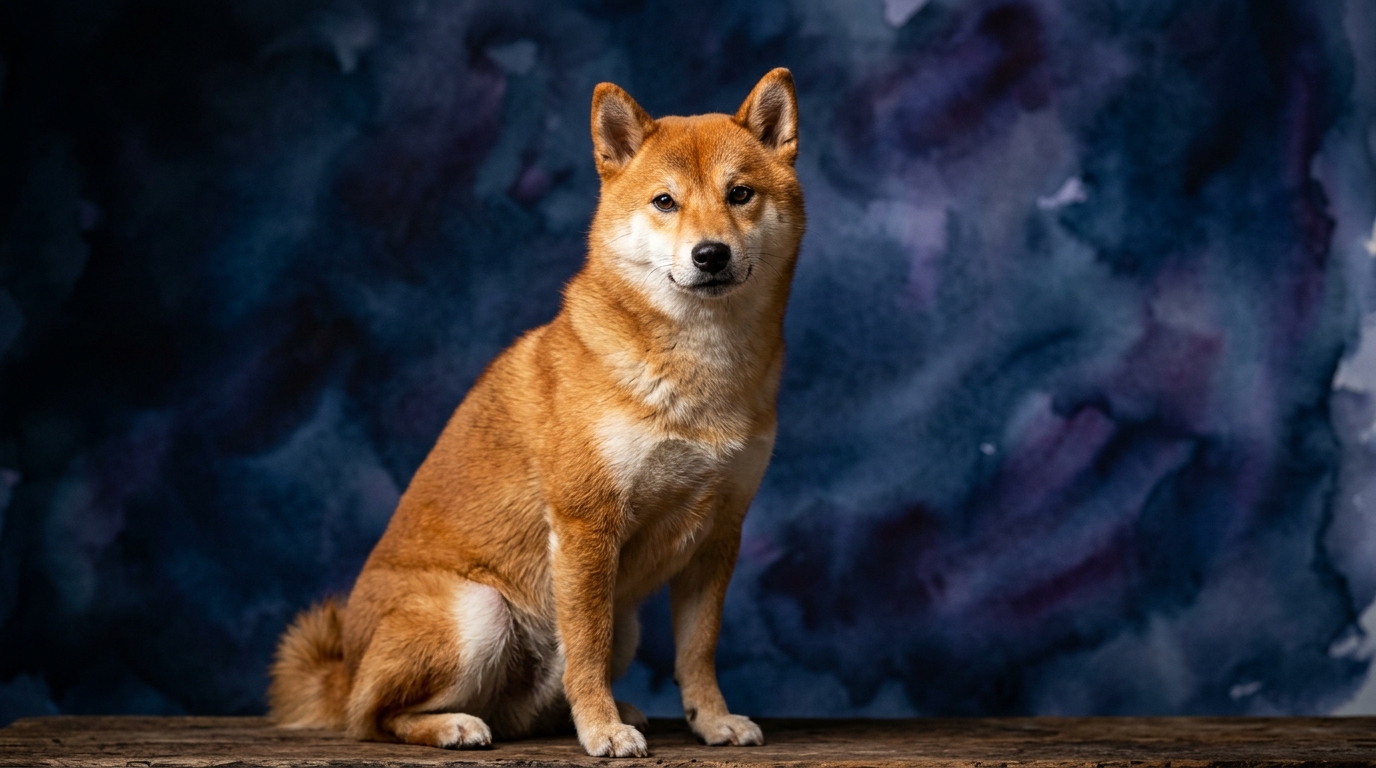
At The Cosmic Pet Pet IQ Lab, we delve into the multifaceted nature of canine intelligence, evaluating breeds across five key dimensions. For the Shiba Inu, a Non-Sporting breed, its cognitive profile paints a picture of a resourceful and instinct-driven animal: Problem Solving at 4/5 indicates a capacity for independent thought and strategic action, while its Training Speed of 2/5 suggests a strong-willed nature that requires clear motivation. Social Intelligence stands at 3/5, reflecting a discerning, sometimes aloof, demeanor. Its Instinctive Drive is exceptionally high at 5/5, showcasing a powerful prey drive and self-reliance, complemented by a solid Memory score of 4/5, meaning it retains learned information and patterns effectively.
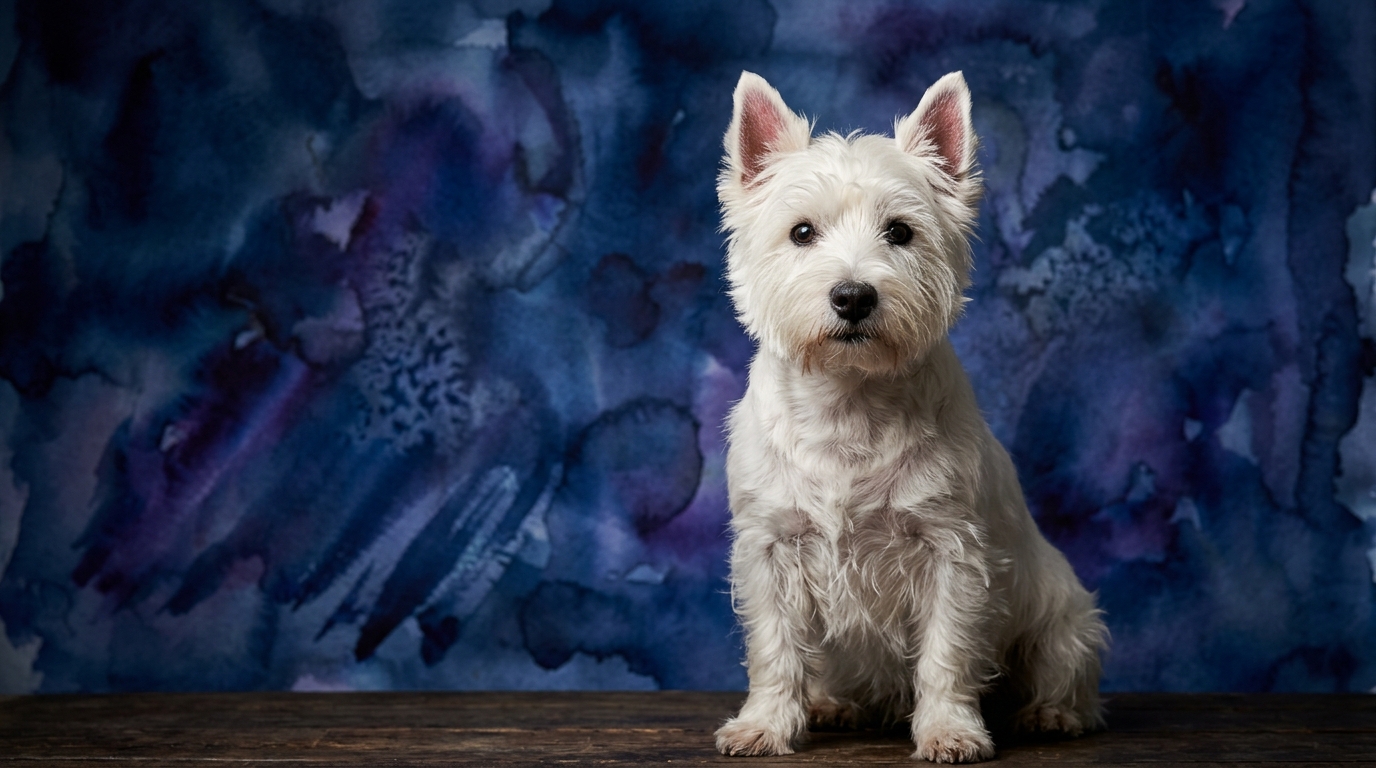
The West Highland White Terrier, a spirited member of the Terrier group and recognized with a Coren rank of #47, presents a more balanced yet equally distinct cognitive makeup. Its Problem Solving score of 3/5 indicates a competent ability to navigate new situations, often learning through experience, and a Training Speed of 3/5 suggests a cooperative spirit, making it receptive to instruction. A Social Intelligence of 3/5 points to a friendly but assertive disposition, typical of its terrier heritage. Its Instinctive Drive is a moderate 3/5, still present but less overwhelming than the Shiba's, focusing on engagement and interaction rather than pure independence. Like the Shiba, the Westie also boasts a strong Memory at 4/5, enabling it to recall commands and routines with consistency.
Where the Shiba Inu Excels Cognitively
The Shiba Inu’s cognitive strengths lie primarily in its independent problem-solving and profound instinctive drives. With a Problem Solving score of 4/5, these dogs are adept at figuring things out on their own, often displaying a cunning resourcefulness that can surprise owners. This might manifest as independently finding ways to access forbidden treats or devising escape routes, rather than waiting for human intervention. Their strong memory (4/5) further enhances this, allowing them to learn from past experiences and refine their strategies over time, making them exceptionally clever at navigating their world.
Furthermore, the Shiba’s formidable Instinctive Drive (5/5) is a testament to its ancient hunting heritage. This isn't just about chasing squirrels; it's a deep-seated drive for self-preservation, exploration, and independent action. This cognitive trait contributes to their renowned independence and often gives them a sense of purpose beyond direct human commands, making them formidable in tasks requiring self-direction and persistence, though it can also make them challenging to redirect once focused on a task.
Where the West Highland White Terrier Shines Cognitively
The West Highland White Terrier, with its balanced cognitive profile, shows particular strengths in areas that foster cooperation and responsiveness. Its Coren ranking of #47 places it firmly in the category of breeds with above-average working and obedience intelligence, a significant advantage over the non-ranked Shiba. This ranking implies that a Westie typically understands new commands with fewer repetitions and obeys them reliably, reflecting its Training Speed score of 3/5. This moderate speed means they are generally eager to engage and learn, making the training process a more collaborative experience.
While its Problem Solving score of 3/5 is slightly lower than the Shiba's, the Westie often applies its intelligence in a more interactive context. They are competent at learning from their environment and adapting their behavior based on feedback, rather than relying solely on independent strategizing. Their solid Memory (4/5) ensures that once a lesson is learned, it tends to stick, making them reliable in established routines. The Westie’s moderate Instinctive Drive (3/5) also means their natural predispositions are generally more manageable and can be channeled into constructive activities, rather than dominating their cognitive landscape.
Training Dynamics: Shiba Inu vs. West Highland White Terrier
When it comes to ease of training, the West Highland White Terrier generally presents a more straightforward path. Their Training Speed score of 3/5, coupled with their Coren rank, indicates a breed that is typically receptive to instruction and enjoys engaging in learning activities with their owner. Westies often display a willingness to please and a terrier's zest for interaction, which can be leveraged in positive reinforcement training. They learn new commands efficiently and reliably adhere to them once understood, making them suitable for various obedience and activity-based training regimens. Their moderate instinctive drive means they are generally less distracted by external stimuli than a Shiba.
The Shiba Inu, on the other hand, with a Training Speed of 2/5, can be a more challenging pupil. Their high problem-solving skills and profound instinctive drive often lead them to question the 'why' behind a command, or to prioritize their own agenda over human instruction. A Shiba's independence means they are not inherently motivated by pleasing their owner; instead, they require highly engaging, reward-based training that convinces them of the personal benefit. Owners frequently report that Shibas will only comply if they perceive a valuable trade-off or if the command aligns with their desires. This isn't a lack of cognitive capacity, but rather a strong sense of self-direction, which requires patient, creative, and consistent training approaches tailored to their unique motivations.
Matching Canine Cognition to Lifestyle: Active vs. Relaxed Owners
For owners seeking a highly active companion who thrives on exploration and independent ventures, the Shiba Inu aligns well. Their robust instinctive drive and problem-solving prowess mean they enjoy mentally stimulating activities that allow them to use their intellect and senses, such as scent work, exploring new environments, or puzzle toys that challenge their resourcefulness. These dogs need owners who appreciate a canine partner with a strong independent streak and are prepared for a dog that might not always follow the most predictable path. They are ideal for individuals who are active themselves and can provide outlets for their dog's natural curiosity and drive, even if it means a less 'relaxed' approach to dog ownership due to their independent nature and potential for mischief.
Conversely, the West Highland White Terrier is often a better fit for owners who desire an engaging, spirited companion that enjoys collaborative activities and consistent interaction. While Westies are energetic and require regular exercise, their cognitive profile leans towards responsiveness and engagement, making them excellent partners for obedience training, agility, or interactive games in the yard. They thrive on human companionship and mental stimulation that involves their owner, offering a more 'relaxed' training experience in the sense that they are generally more cooperative and eager to participate. Owners who enjoy teaching new tricks, participating in dog sports, and having a consistently present and responsive companion will find the Westie's cognitive makeup to be a rewarding match.
The Verdict: When to Choose Each Breed
The Verdict
Choose a Shiba Inu if you admire a dog with strong independent thought, resourceful problem-solving, and a profound sense of self, and you are prepared for a less traditionally compliant companion. They thrive with owners who appreciate their unique personality and can provide consistent, engaging, and highly motivated training.
Choose a West Highland White Terrier if you seek a spirited, engaging companion that responds well to consistent training and enjoys collaborative activities, offering a more cooperative learning partner. They are an excellent choice for owners who enjoy active participation in their dog's mental and physical development.
🧠 Find Your Pet's IQ Score
Our Pet IQ Lab assessment covers 25+ tests across 5 cognitive dimensions — personalized to your breed.
Take the Full IQ Test →Frequently Asked Questions
Are Shiba Inus difficult to train?
Shiba Inus can be challenging to train due to their strong independent nature and lower training speed score. They require patient, consistent, and highly motivating reward-based training that appeals to their self-interest, rather than expecting eager compliance.
What makes Westies good at learning?
West Highland White Terriers are good at learning because of their moderate training speed and Coren rank, indicating above-average working intelligence. They are generally responsive and eager to engage with their owners, making them receptive to consistent training methods and new commands.
How do their social skills differ with other pets?
Both breeds have a social intelligence of 3/5, meaning they can be discerning. Shiba Inus, with their high instinctive drive, may exhibit a stronger prey drive towards smaller animals, while Westies, though terriers, often adapt well to other household pets with proper socialization, though they may retain some terrier assertiveness.