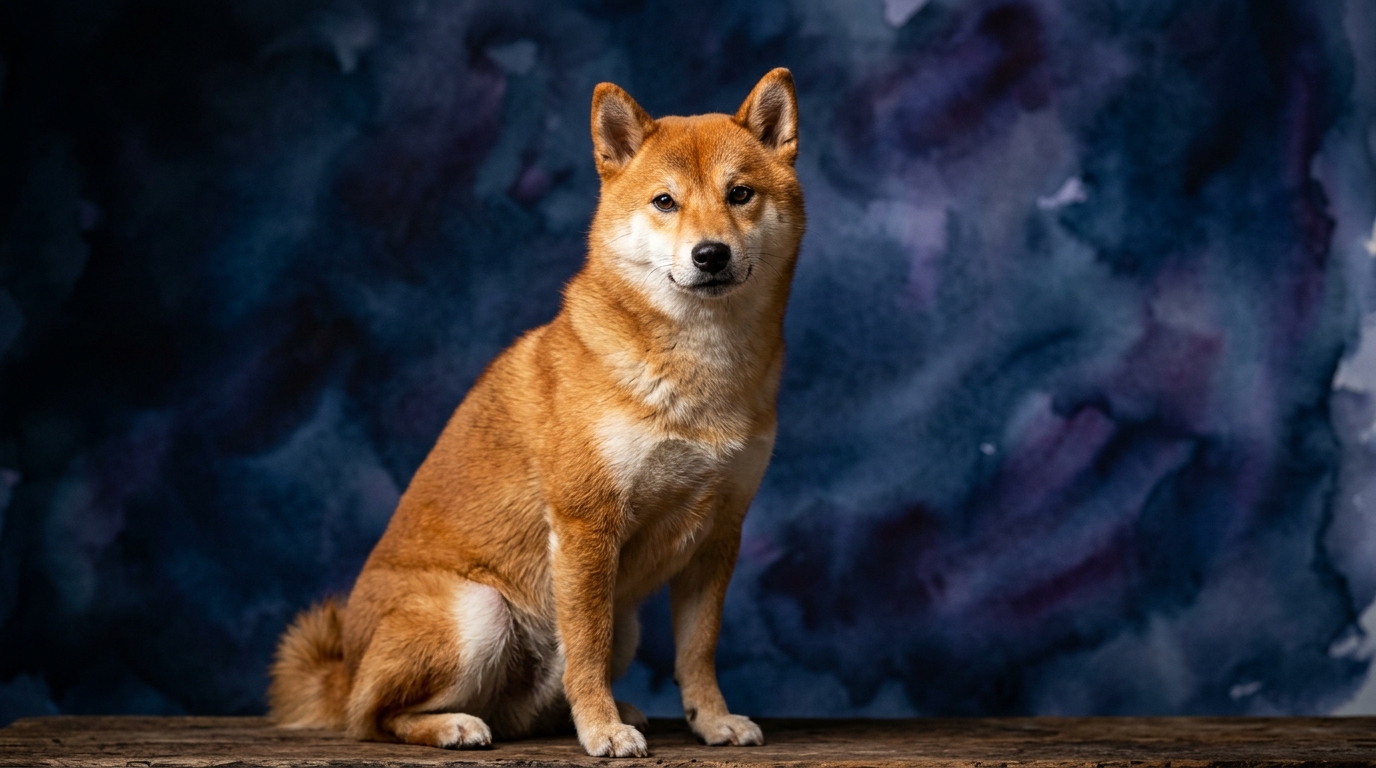
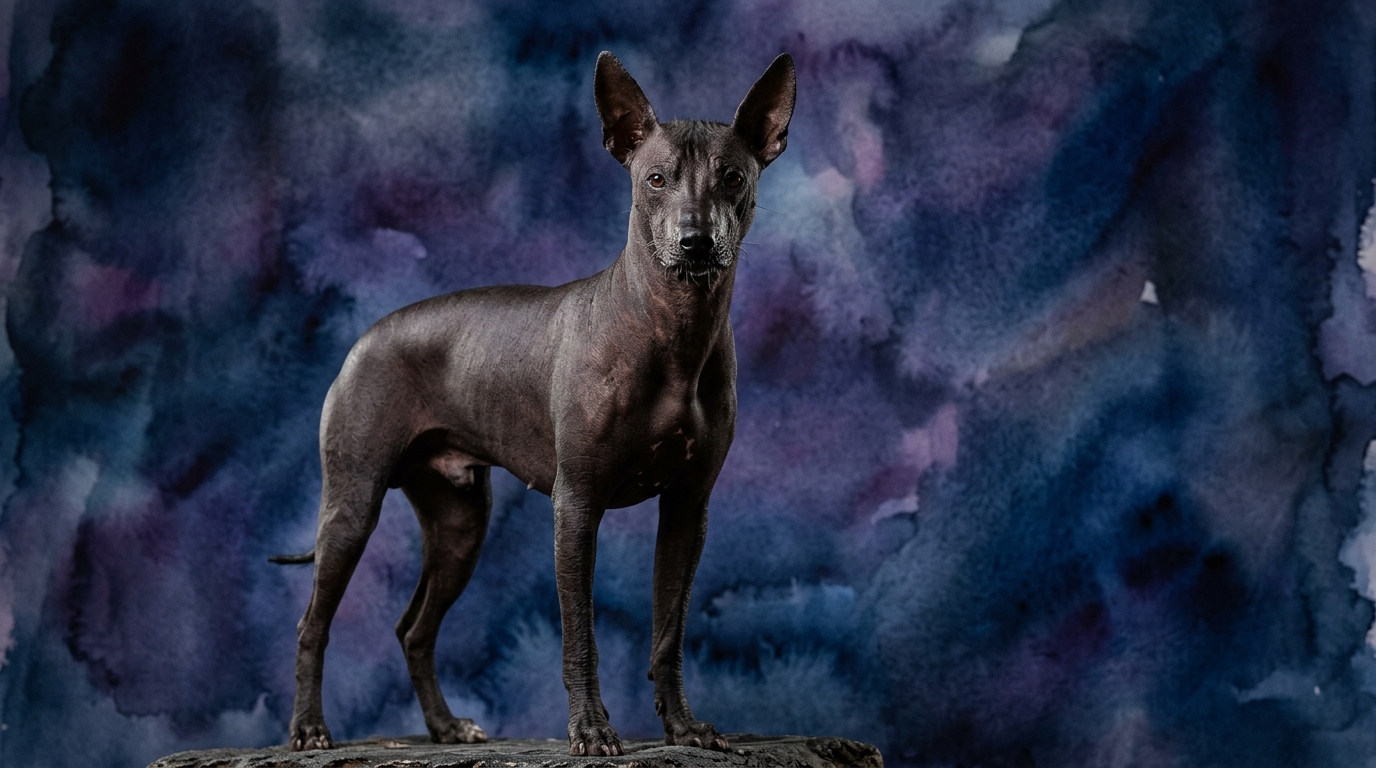
Side-by-Side Cognitive Profiles: Shiba Inu vs. Xoloitzcuintli
The Cosmic Pet Pet IQ Lab employs a multi-dimensional approach to assess canine cognition, moving past a single 'IQ score' to illuminate specific mental strengths and weaknesses. For the Shiba Inu and Xoloitzcuintli, both belonging to the Non-Sporting Group and not ranked by Coren, a deeper dive into their individual cognitive dimensions paints a nuanced picture.
The Shiba Inu demonstrates a remarkable Problem Solving aptitude of 4/5, indicative of a dog that can independently strategize and overcome obstacles to achieve its goals. Its Training Speed, however, registers at 2/5, suggesting a strong-willed nature that prioritizes self-interest over immediate compliance. Social Intelligence is rated 3/5, pointing to a discerning nature that forms deep bonds within its inner circle but can be reserved with outsiders. An Instinctive Drive of 5/5 highlights its profound connection to ancestral hunting and guarding behaviors, manifesting in sharp awareness and territorial tendencies. Finally, Memory at 4/5 signifies a capacity to retain complex information, routines, and experiences over time.
In contrast, the Xoloitzcuintli shows a Problem Solving score of 3/5, indicating competence in learning but perhaps less inclination towards independent, creative strategizing compared to the Shiba. Its Training Speed is 3/5, suggesting a more cooperative and responsive learner, though not without its own sensitivities. Social Intelligence matches the Shiba at 3/5, reflecting a deep, often reserved, connection to its family while maintaining a cautious stance towards strangers. An Instinctive Drive of 3/5 suggests a moderate level of natural behaviors, including a protective instinct, but less intensity than the Shiba. Memory also stands at 3/5, implying a solid ability to recall learned behaviors and past events, sufficient for daily life but perhaps less detailed than the Shiba’s.
Where the Shiba Inu’s Mind Shines
The Shiba Inu truly excels in areas demanding independent thought and innate drive. Its 4/5 Problem Solving score means a Shiba is adept at figuring things out on its own, whether that's opening a child-proof gate or locating a hidden treat. This resourcefulness can be a delight, but also a challenge for owners unprepared for a dog that consistently outmaneuvers perceived barriers. Coupled with a 5/5 Instinctive Drive, Shibas possess a heightened awareness of their environment, a keen prey drive, and a strong sense of territory. This translates into an exceptional ability to detect changes, react swiftly to perceived threats, and often makes them vigilant watchdogs. Their 4/5 Memory supports this, allowing them to recall successful strategies for problem-solving and remember detailed aspects of their surroundings, contributing to their independent nature and ability to navigate complex situations based on past experiences.
Where the Xoloitzcuintli’s Cognition Takes the Lead
While the Shiba’s mind is geared for independence, the Xoloitzcuintli’s cognitive strengths lean towards responsiveness and connection, particularly evident in its Training Speed of 3/5 compared to the Shiba's 2/5. This higher score indicates a greater willingness to engage in learning and a quicker uptake of commands when approached with patience and positive reinforcement. Their Social Intelligence, rated 3/5, combined with their sensitive nature, means they are often acutely tuned into their human companions' emotional states, fostering a profound bond that aids in cooperation. This sensitivity, while requiring a gentle hand, allows them to process cues and respond to guidance more readily, making them more amenable to structured training and less prone to the stubborn standoffs sometimes observed with the more independent Shiba.
Ease of Training: Behavioral Differences Unpacked
When it comes to training, the Xoloitzcuintli generally presents an easier path for owners. Their 3/5 Training Speed reflects a dog that is more inclined to cooperate, often motivated by the desire to please and the strong bond they form with their family. They respond favorably to positive reinforcement, gentle guidance, and consistency, and their sensitive nature means harsh methods are counterproductive. A Xolo is more likely to engage with training as a shared activity, seeking connection and approval.
The Shiba Inu, with its 2/5 Training Speed and formidable 5/5 Instinctive Drive, poses a greater challenge. Their independence means they often evaluate whether a command aligns with their own agenda before complying. They are not inherently eager to please and can quickly become bored by repetitive drills, requiring trainers to be creative, patient, and highly motivating. A Shiba's problem-solving acumen can sometimes be turned towards outsmarting the trainer, making consistency and clear boundaries essential to prevent them from developing their own 'rules' for the household.
Matching Breeds to Lifestyles: Active vs. Relaxed Owners
For owners with an active lifestyle and a desire for a mentally engaging companion, the Shiba Inu often proves a fitting match. Their high instinctive drive and problem-solving abilities thrive with consistent mental stimulation, structured training that challenges their resourcefulness, and outdoor adventures that allow them to explore and utilize their keen senses. They require an owner who understands their independent spirit and is prepared to channel their considerable energy and wit into constructive activities, rather than expecting passive obedience. These dogs appreciate a routine that incorporates exploration and engagement.
Conversely, the Xoloitzcuintli is often better suited for owners who appreciate a deeply bonded companion and a more relaxed home environment. While they do require regular exercise to stay healthy and content, their moderate instinctive drive and profound connection to their family mean they are equally happy to snuggle on the couch after a good walk. They thrive on companionship and gentle interaction, making them adaptable to various living situations as long as they receive consistent affection and mental enrichment through playtime and positive reinforcement-based training. They offer a calm yet engaged presence, valuing proximity to their human companions.
The Verdict: When to Choose Each Breed
The Verdict
Choose a Shiba Inu if you are prepared for a highly independent, resourceful companion and enjoy the challenge of a dog with a strong will and sharp, problem-solving mind, appreciating their unique blend of loyalty and autonomy.
Choose a Xoloitzcuintli if you seek a deeply bonded, sensitive companion who thrives on close connection and responds well to positive, gentle guidance, offering a calm yet engaged presence that integrates seamlessly into family life.
🧠 Find Your Pet's IQ Score
Our Pet IQ Lab assessment covers 25+ tests across 5 cognitive dimensions — personalized to your breed.
Take the Full IQ Test →Frequently Asked Questions
Are Shiba Inus good for first-time dog owners?
Shiba Inus present unique challenges due to their independence and strong will, making them less ideal for first-time owners who may struggle with their particular training needs. They require consistent, patient handling and a deep understanding of their breed specific traits for successful integration.
Do Xoloitzcuintli dogs require a lot of exercise?
Xoloitzcuintli dogs have moderate exercise needs; regular walks and playtime are sufficient to keep them content and healthy. They enjoy being active but are also content to relax with their family, making them adaptable to various lifestyles that offer consistent companionship and mental engagement.
How do these breeds typically interact with other pets?
Shiba Inus, with their high instinctive drive, often require careful socialization from a young age to coexist peacefully with other pets, especially smaller animals, due to their prey drive. Xoloitzcuintli dogs, though also needing early socialization, generally adapt well to other household pets when introduced properly and raised together, often valuing their family unit, including other animals.