
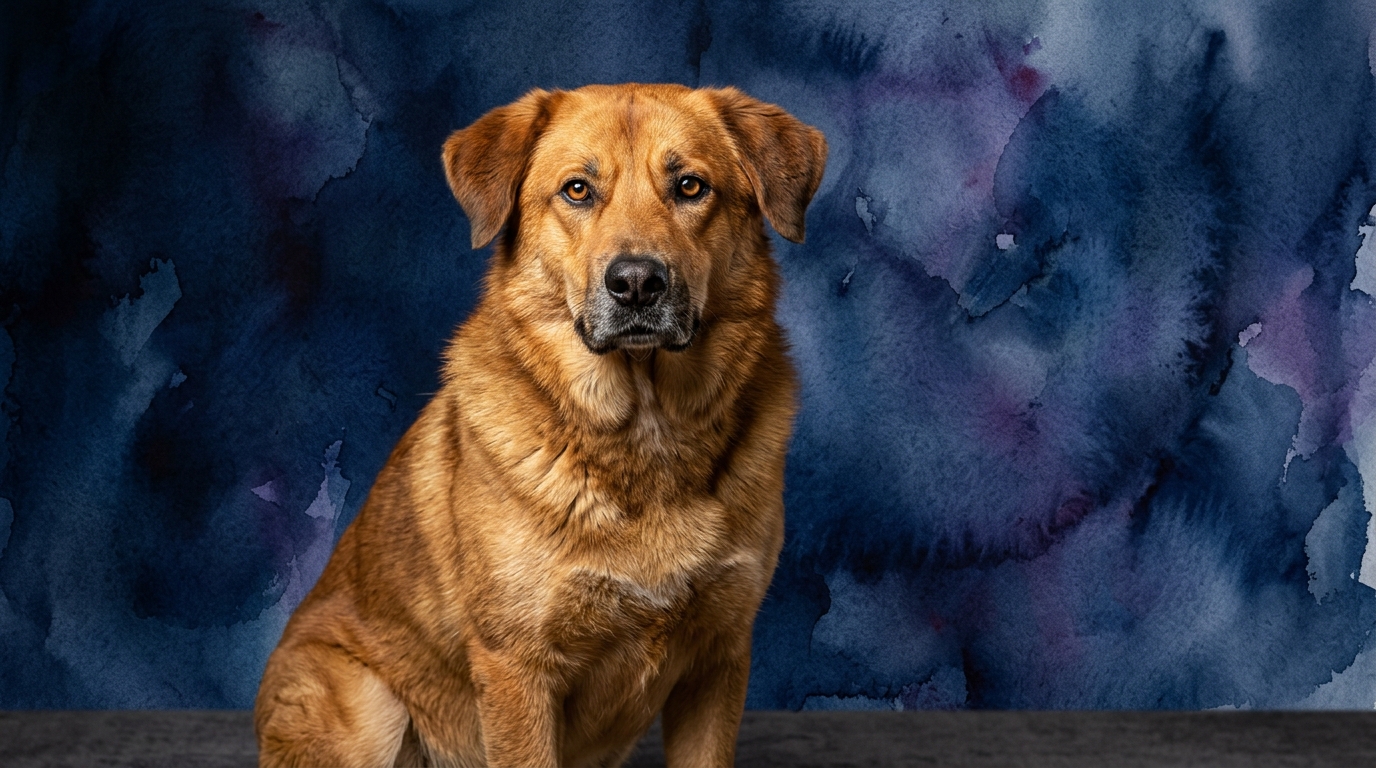
Side-by-Side IQ Profile: Unpacking Their Minds
The Cosmic Pet Pet IQ Lab employs a multi-dimensional approach to assess canine intelligence, moving beyond a single 'smartness' metric. For the Shih Tzu, a Toy breed, we observe a Coren rank of #70, indicating a moderate capacity for understanding new commands. Their problem-solving ability is rated 3/5, suggesting a reasonable aptitude for navigating novel situations. Training speed stands at 2/5, implying they may take more repetitions to master new skills. However, their social intelligence shines at a remarkable 5/5, reflecting an exceptional ability to read and respond to human cues. Instinctive drive is lower at 2/5, as their primary role has historically been companionship, and their memory is a solid 3/5.
In contrast, the Chinook, a Working breed, is not Coren-ranked but presents a distinct cognitive blueprint. Their problem-solving ability matches the Shih Tzu at 3/5, demonstrating a similar capacity for independent thought. Where they diverge is in training speed, rated 3/5, indicating a more efficient learning curve. Social intelligence for the Chinook is 3/5, signifying a good understanding of social dynamics, though perhaps less nuanced than their Shih Tzu counterpart. Their instinctive drive is 3/5, aligning with their heritage as sled dogs and working companions, providing a moderate inclination towards purposeful activity. Their memory also stands at 3/5, on par with the Shih Tzu.
Where the Shih Tzu Wins Cognitively
The Shih Tzu's undeniable cognitive strength lies in their extraordinary social intelligence, scoring a perfect 5/5. This isn't merely about being friendly; it reflects a profound capacity to attune to human emotions and intentions. A Shih Tzu can often seem to anticipate their owner's moods, offering comfort or companionship precisely when it's needed. This superior social perception allows them to form incredibly strong, almost intuitive bonds, making them exceptionally empathetic companions. They excel at reading subtle body language and vocal cues, often leveraging this understanding to communicate their own needs or desires effectively within the household hierarchy. This high social intelligence means they are masters of household dynamics, often knowing just how to charm their way into a lap or a treat.
Where the Chinook Wins Cognitively
The Chinook demonstrates clear cognitive advantages in areas related to learning efficiency and purposeful engagement. Their training speed, rated 3/5 compared to the Shih Tzu's 2/5, indicates they generally pick up new commands and routines more readily. This means fewer repetitions are often needed for a Chinook to grasp a concept, making structured training sessions potentially more fluid and rewarding. Furthermore, their instinctive drive, at 3/5, provides a moderate inclination for engagement in tasks and activities, which is higher than the Shih Tzu's 2/5. This drive, rooted in their working heritage, means they are more likely to enjoy and excel in activities that require focus and a sense of purpose, from hiking to various dog sports, actively seeking opportunities to work alongside their human companions.
Which is Easier to Train and Why
Based on their cognitive profiles, the Chinook is generally considered easier to train than the Shih Tzu. The Chinook's training speed of 3/5, coupled with their moderate instinctive drive (3/5), means they typically respond more readily to commands and show a greater intrinsic motivation to engage in learning. They often have a natural desire to work with their handler, making them more receptive to consistent positive reinforcement. Their moderate drive means they can channel their energy into learning tasks, rather than being solely focused on comfort or independent exploration.
Conversely, the Shih Tzu, with a training speed of 2/5 and lower instinctive drive (2/5), often requires more patience, creativity, and repetition during training. While their high social intelligence means they genuinely desire to please their owners, their learning pace is slower. They can sometimes be perceived as stubborn, not out of defiance, but due to a combination of their independent spirit and a less immediate grasp of complex sequences. Training a Shih Tzu often relies heavily on building a strong, affectionate bond and using highly motivating rewards to overcome their lower drive for structured tasks, rather than relying on an inherent eagerness to 'work'.
Which Suits Active Owners vs. Relaxed Owners
For owners with an active lifestyle, the Chinook often proves to be the more suitable companion. Their moderate instinctive drive (3/5) means they thrive on having a 'job' or regular engagement, whether it's hiking, participating in dog sports, or even just consistent, purposeful walks. Their average training speed (3/5) also means they are capable of learning the skills needed for these activities at a reasonable pace. They benefit from owners who can provide consistent mental and physical stimulation, embracing their heritage as working dogs and companions for the outdoors.
Conversely, the Shih Tzu is an ideal match for more relaxed owners who prioritize comfort and close companionship. Their lower instinctive drive (2/5) means they do not demand intense physical or mental exertion; a leisurely stroll and ample lap time often suffice. Their exceptional social intelligence (5/5) ensures they are deeply attuned to their human companions, making them content to be a devoted, affectionate presence in a calm home environment. They flourish with owners who appreciate a dog whose primary joy is to be near them, offering comfort and unwavering loyalty without requiring strenuous activity.
The Verdict
Choose the Shih Tzu if your priority is an unparalleled emotional connection and a low-maintenance cognitive companion, thriving in a relaxed home environment where affection and intuitive understanding are paramount.
Opt for the Chinook if you seek a balanced companion capable of engaging in moderate activities and learning tasks at a reasonable pace, ideal for owners who enjoy shared purpose and a more active partnership.
🧠 Find Your Pet's IQ Score
Our Pet IQ Lab assessment covers 25+ tests across 5 cognitive dimensions — personalized to your breed.
Take the Full IQ Test →Frequently Asked Questions
Is a Shih Tzu difficult to train?
While their training speed is rated 2/5, indicating they may take longer to grasp new commands, Shih Tzus are certainly trainable. Success hinges on consistent, patient, and positive reinforcement methods, focusing on their desire for social connection rather than relying on high drive.
Do Chinooks need a lot of mental stimulation?
With a moderate instinctive drive (3/5) and average problem-solving ability (3/5), Chinooks benefit from regular mental engagement. This can include puzzle toys, consistent training, or participating in activities that give them a sense of purpose, preventing boredom and fostering their working dog instincts.
How does social intelligence impact daily life with these breeds?
A Shih Tzu's high social intelligence (5/5) means they are exceptionally attuned to human emotions, making them sensitive and empathetic companions who often seem to know what you're feeling. A Chinook's moderate social intelligence (3/5) provides a solid bond and understanding, but perhaps less of the nuanced emotional mirroring seen in the Shih Tzu, leading to a more straightforward, reliable companionship.