A Side-by-Side Look at Canine Cognition
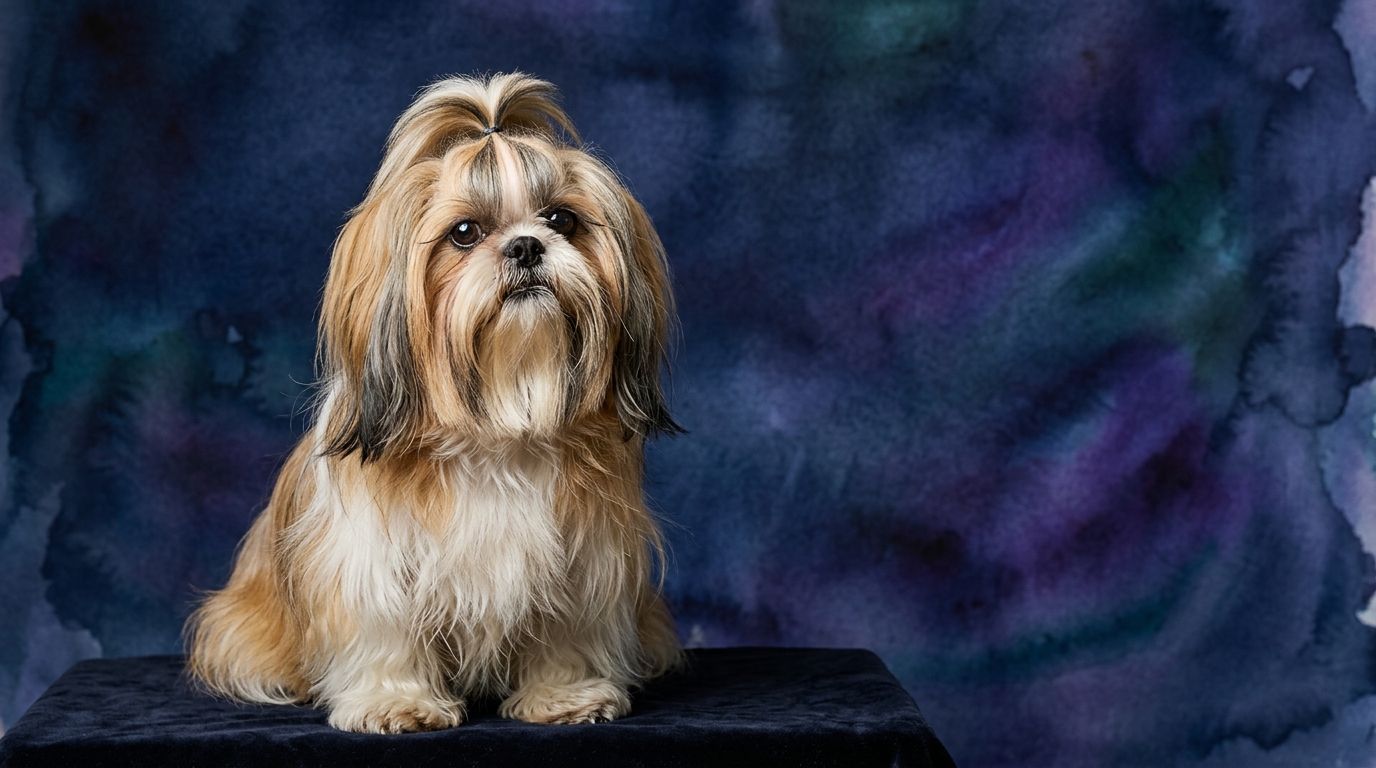
The Cosmic Pet Pet IQ Lab employs a five-dimensional framework to assess canine intelligence, offering a granular view beyond general perceptions. For the Shih Tzu, a breed traditionally valued for companionship, their problem-solving ability scores a moderate 3/5, indicating they can navigate simple challenges but aren't typically driven by complex puzzles. Their training speed is 2/5, suggesting that acquiring new commands requires patience and consistent repetition. However, where the Shih Tzu truly shines is in social intelligence, earning a perfect 5/5, reflecting their exceptional ability to read human cues and integrate seamlessly into family dynamics. Their instinctive drive is a modest 2/5, meaning they aren't predisposed to working tasks, and their memory is a solid 3/5, allowing them to retain important routines and associations.
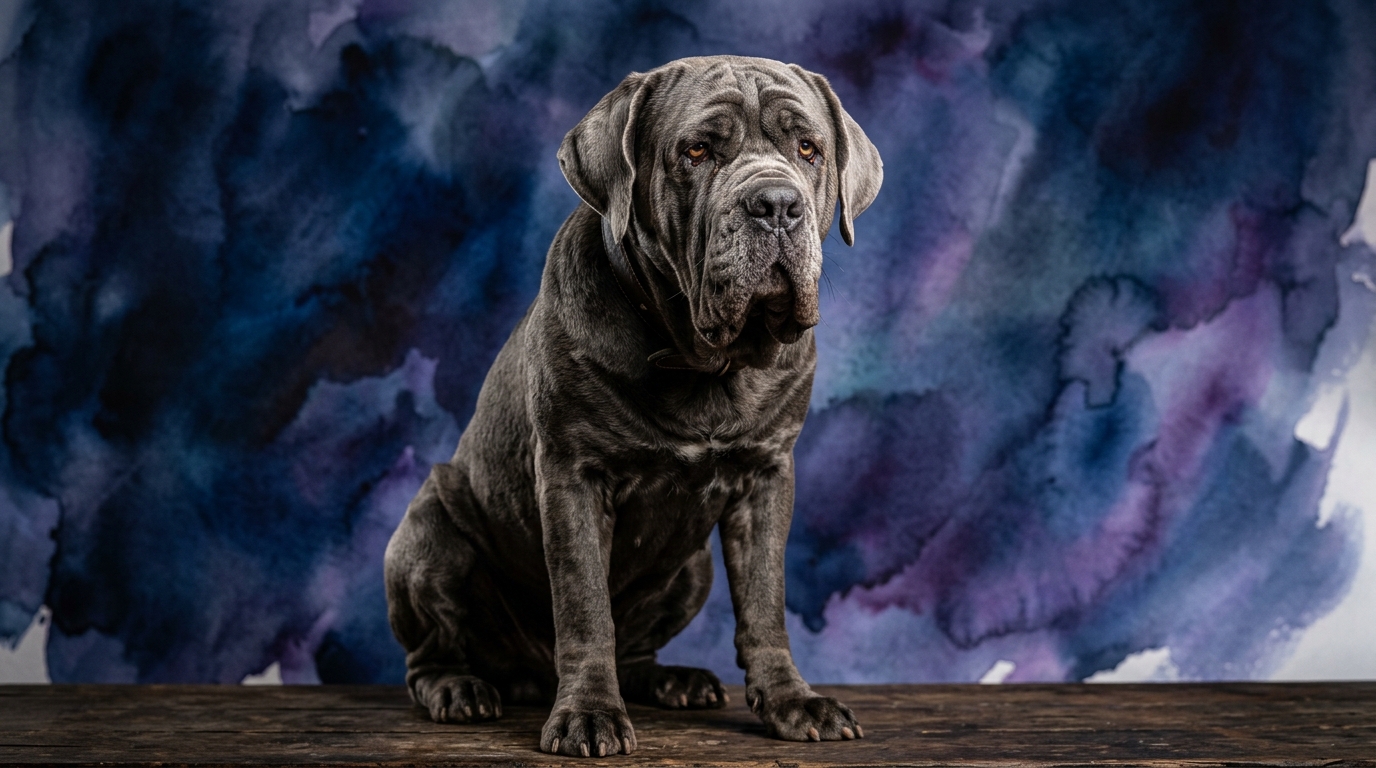
In contrast, the Neapolitan Mastiff, a breed with a historical role as a guardian, presents a different cognitive blueprint. Their problem-solving score matches the Shih Tzu at 3/5, indicating a similar capacity for moderate challenges, though perhaps approached with a different temperament. Their training speed is slightly higher at 3/5, suggesting they can grasp commands somewhat more readily than the Shih Tzu, albeit still requiring dedicated effort. The Neapolitan Mastiff's social intelligence is 3/5, showing they can form strong bonds but might not possess the same nuanced human-reading skills or universal affability as the Shih Tzu. Their instinctive drive is 3/5, reflecting a more pronounced inherent motivation, often channeled into protective behaviors. Like the Shih Tzu, their memory is rated 3/5, enabling them to remember key people, places, and learned behaviors.
Where the Shih Tzu's Mind Shines Brightest
The Shih Tzu's unparalleled social intelligence, scoring a perfect 5 out of 5, is their most significant cognitive advantage. This isn't merely about being friendly; it reflects an advanced capacity for understanding and responding to human emotional states, subtle body language, and vocal inflections. A Shih Tzu can often anticipate a change in mood or a desire for interaction, making them incredibly intuitive companions. This keen social awareness allows them to adapt quickly to new people and environments, navigating complex household dynamics with grace. They excel at forming deep, empathetic connections, often appearing to 'know' what their human is feeling, which is a nuanced form of intelligence often overlooked in favor of task-oriented abilities. Their lower instinctive drive also means they are less likely to be distracted by external stimuli like prey or territory, allowing their social focus to remain paramount.
Furthermore, while their problem-solving score is moderate, their social intelligence often aids them in 'solving' social problems. For instance, a Shih Tzu might not figure out a complex puzzle feeder quickly, but they might master the art of eliciting attention or comfort from a human through a series of learned, socially intelligent behaviors. This skill set makes them particularly adept at companion roles where emotional connection and harmonious living are primary. Their memory, at 3/5, is sufficient to recall the specific individuals and routines associated with their social interactions, reinforcing their role as a highly connected family member.
Neapolitan Mastiff's Cognitive Strengths
The Neapolitan Mastiff, while not possessing the Shih Tzu's extreme social aptitude, demonstrates a more balanced cognitive profile with distinct advantages in certain areas. Their training speed, at 3/5, is a notable step above the Shih Tzu's 2/5, suggesting they can process and execute commands with slightly greater efficiency. This means that with consistent, appropriate training methods, a Neapolitan Mastiff can learn a repertoire of behaviors more quickly, which is crucial given their substantial size and strength. Their 3/5 instinctive drive also plays a significant role here, providing an underlying motivation often associated with their historical duties of guarding and protection. This drive can be harnessed in training to instill a strong work ethic and focus on tasks, whether it's obedience or specific protective roles.
While their social intelligence at 3/5 is not as high as the Shih Tzu's, it indicates a solid capacity for forming bonds and understanding their immediate family. Their protective instincts, combined with their moderate problem-solving (3/5) and memory (3/5) scores, allow them to effectively assess situations and remember what constitutes a threat or a safe presence. This contributes to their effectiveness as a guardian. They are not easily swayed by every new face, instead relying on their established social understanding and memory to distinguish between welcomed guests and potential intruders. Their cognitive strengths lie in their ability to learn and apply rules within their domain, rather than navigating complex social nuances outside their immediate circle.
Training: Patience for the Shih Tzu, Structure for the Mastiff
When considering trainability, the differences between these two breeds become quite clear, stemming from their distinct cognitive profiles. The Shih Tzu, with a training speed of 2/5, requires significant patience and positive reinforcement. While they are incredibly socially intelligent and eager to please their humans (5/5 social intelligence), their capacity to quickly grasp the mechanics of a new command is somewhat slower. This means an owner must be prepared for more repetitions and shorter, engaging training sessions to prevent frustration. Their low instinctive drive (2/5) means they aren't inherently motivated by tasks or 'jobs,' so motivation often needs to come from social rewards like praise and affection.
The Neapolitan Mastiff, with a training speed of 3/5, generally learns commands more efficiently. Their moderate instinctive drive (3/5) can be a powerful asset in training, as they often respond well to consistent, task-oriented instruction. However, their social intelligence (3/5) suggests they might not be as inherently driven by pleasing their owner in the same nuanced way as a Shih Tzu. Training a Neapolitan Mastiff requires a confident, consistent leader who can establish clear expectations and boundaries. Their sheer size means early and effective training is not just beneficial but essential for safe and harmonious living, focusing on foundational obedience and impulse control. For both, positive reinforcement is key, but the *type* of reinforcement and the *pace* of learning will differ considerably.
Matching Canine Minds to Lifestyles
Understanding these cognitive distinctions helps align each breed with suitable lifestyles. The Shih Tzu, with their exceptional social intelligence and lower instinctive drive, is an ideal companion for relaxed owners who prioritize companionship and emotional connection over strenuous activities or complex training regimens. Their moderate problem-solving and memory ensure they can learn household routines and enjoy interactive play, but they thrive in environments where their primary 'job' is to be a beloved family member. They are well-suited for urban living, smaller homes, or individuals seeking a calm, affectionate presence that is highly attuned to human emotions. Their cognitive makeup makes them content with lap time and gentle strolls, rather than demanding intellectual challenges or physical exertion.
The Neapolitan Mastiff, while calm and composed indoors, suits owners who appreciate a substantial presence and are prepared for a more structured approach to pet ownership. Their slightly higher training speed and instinctive drive mean they benefit from consistent guidance and a clear understanding of their role within the family. They are not necessarily 'active' in the sense of needing to run for miles, but they require owners who can provide consistent training, socialization, and a secure environment where their guarding instincts can be appropriately managed. Their cognitive profile makes them excellent, albeit discerning, family guardians, best for owners with experience in handling large breeds and a desire for a loyal, protective companion who thrives on a predictable routine and clear leadership.
The Verdict
Choose the Shih Tzu if your priority is an emotionally intuitive, highly social companion who thrives on close interaction and doesn't require extensive physical activity or complex mental tasks.
Opt for the Neapolitan Mastiff if you're an experienced owner seeking a loyal, protective presence, prepared to invest in consistent training and provide a structured environment for a discerning, calm giant.
🧠 Find Your Pet's IQ Score
Our Pet IQ Lab assessment covers 25+ tests across 5 cognitive dimensions — personalized to your breed.
Take the Full IQ Test →Frequently Asked Questions
Which breed is better for first-time dog owners?
The Shih Tzu is generally more suitable for first-time dog owners due to their smaller size, adaptable nature, and high social intelligence, making them easier to manage and bond with. The Neapolitan Mastiff's size and protective instincts require an owner with more experience and confidence in handling large breeds.
Do Shih Tzus or Neapolitan Mastiffs learn tricks faster?
Based on their training speed scores, the Neapolitan Mastiff (3/5) is likely to learn new tricks and commands faster than the Shih Tzu (2/5). While Shih Tzus are willing to please, their processing speed for new actions is slower, requiring more repetition.
Which breed is more adaptable to different living situations?
The Shih Tzu's superior social intelligence (5/5) and less demanding physical needs make them highly adaptable to various living situations, including apartments and homes with different family dynamics. The Neapolitan Mastiff, while calm, thrives in more consistent and spacious environments where their guarding nature can be managed.