The Cosmic Pet IQ Profiles: Shih Tzu vs. Puli
The Cosmic Pet Pet IQ Lab employs a multi-dimensional approach to assess canine cognition, moving beyond simplistic measures to evaluate five crucial aspects: problem-solving, training speed, social intelligence, instinctive drive, and memory. These metrics provide a nuanced understanding of a breed's mental framework, offering insights into their suitability for various lifestyles and tasks.
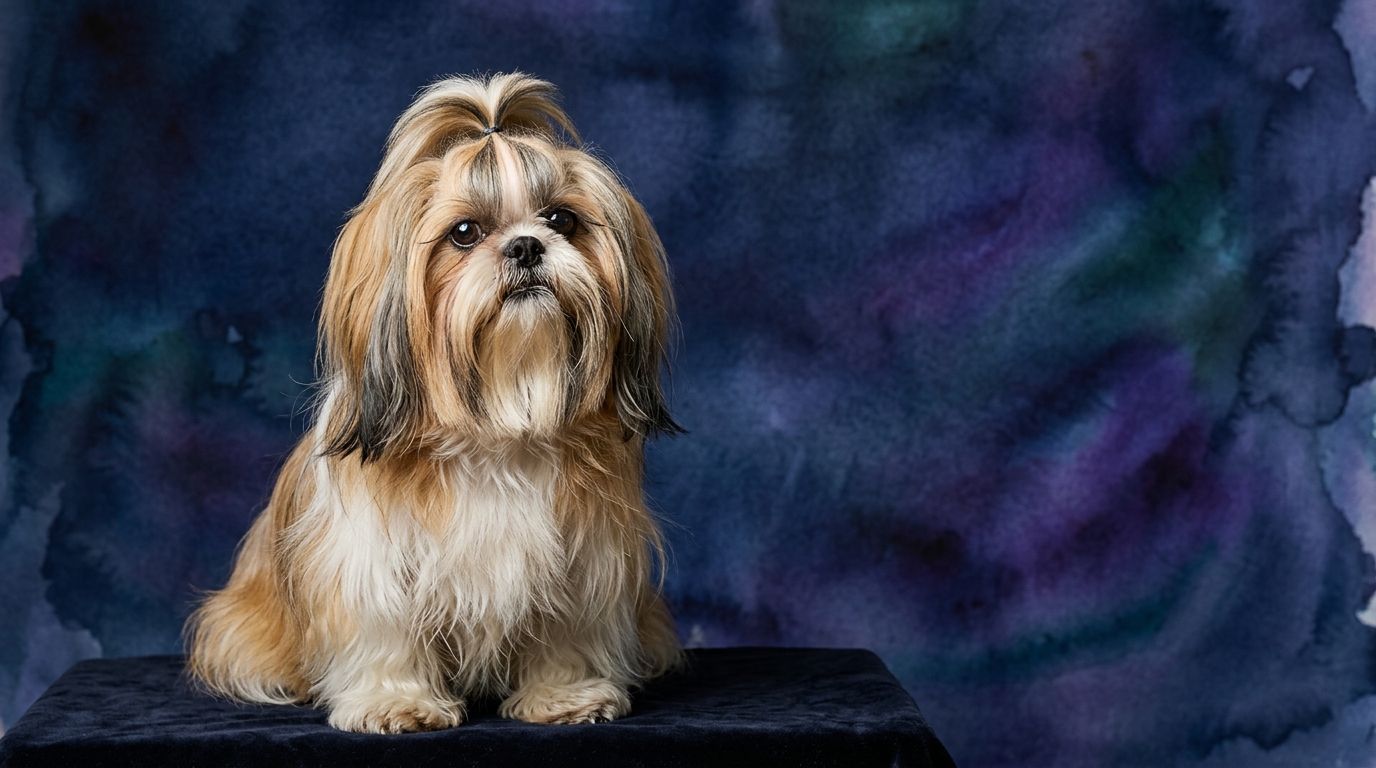
The Shih Tzu, a member of the Toy group, holds a Coren rank of #70, reflecting its primary role as a cherished companion. Its IQ profile reveals a Problem Solving score of 3/5, indicating an adequate capacity for navigating its immediate environment without complex challenges. Training Speed is rated 2/5, suggesting a more deliberate learning pace. Where the Shih Tzu truly excels is in Social Intelligence, scoring a perfect 5/5, highlighting its profound ability to connect with humans. Instinctive Drive is moderate at 2/5, aligning with its history as a lapdog, and Memory stands at 3/5, sufficient for daily routines and familiar faces.
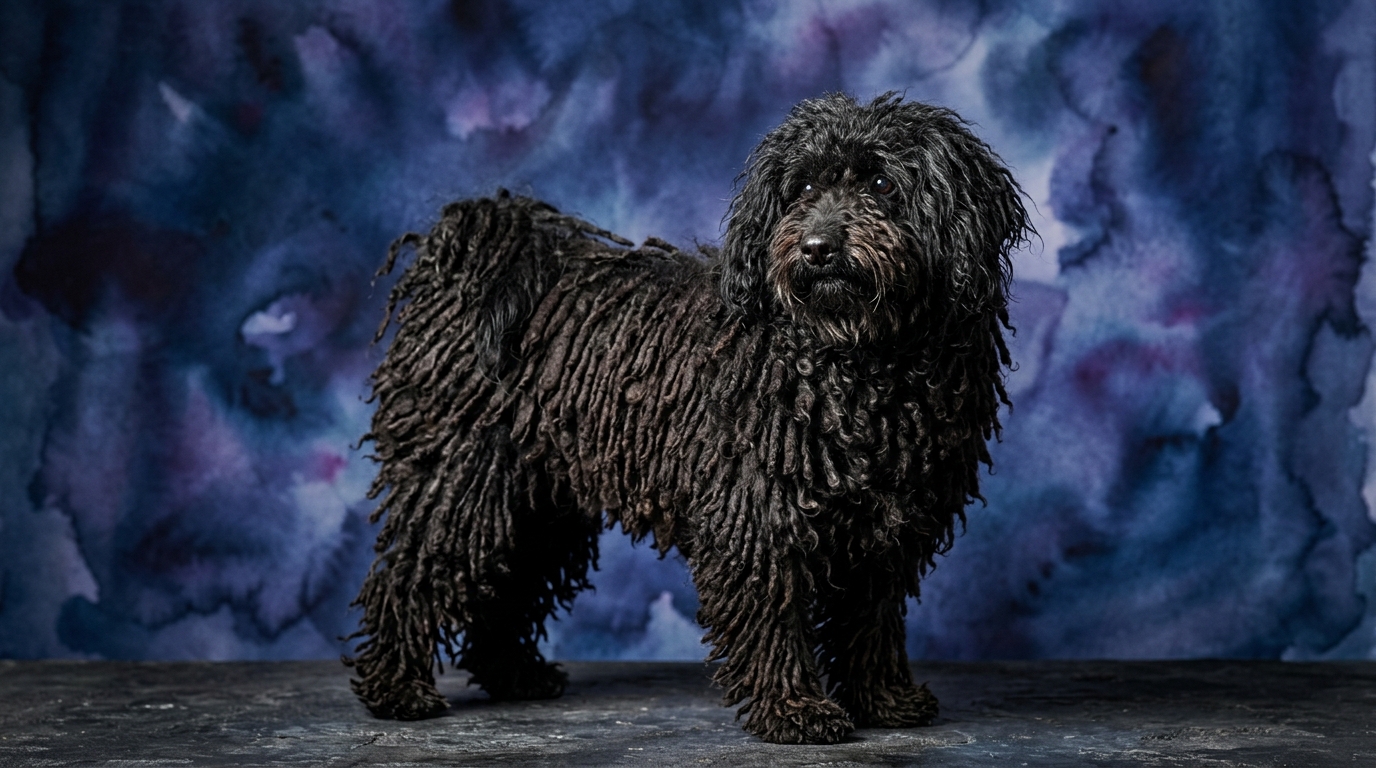
In stark contrast, the Puli, a Herding breed, ranks significantly higher at #25 on the Coren scale, a testament to its working heritage. Its cognitive strengths are evident across multiple dimensions. Problem Solving is strong at 4/5, essential for independent decision-making in the field. Training Speed also scores 4/5, indicating a quick grasp of commands and concepts. Social Intelligence is rated 3/5, suggesting a more task-oriented interaction style compared to the Shih Tzu. Instinctive Drive is notable at 3/5, fueling its desire for purpose and activity, and Memory is robust at 4/5, crucial for retaining complex sequences and spatial awareness.
Where the Shih Tzu's Mind Shines Brightest
The Shih Tzu's cognitive forte lies unequivocally in its exceptional Social Intelligence, scoring a perfect 5 out of 5. This isn't merely about being friendly; it encompasses a sophisticated ability to interpret human emotions, adapt to social cues, and integrate seamlessly into family dynamics. A Shih Tzu excels at reading subtle shifts in tone of voice, facial expressions, and body language, allowing it to provide comfort, solicit attention, or simply share a quiet moment of understanding with remarkable precision.
This high social IQ is a direct reflection of their historical role as companion dogs for Chinese royalty, where their primary 'job' was to offer unwavering affection and companionship. Their moderate Problem Solving (3/5) and Memory (3/5) are perfectly suited for a life centered around human interaction, where complex independent problem-solving or intricate task execution are not primary requirements. Instead, their intellect is finely tuned to foster deep, empathic bonds, making them superb emotional support animals and cherished family members.
Their cognitive strength is not about performing complex tricks or herding livestock, but about mastering the art of companionship. A Shih Tzu understands the rhythm of its human's life, often anticipating needs for snuggles or play, demonstrating an intuitive grasp of interpersonal relationships that few other breeds can match. This makes them profoundly rewarding for owners seeking a dog that truly 'gets' them on an emotional level.
The Puli's Cognitive Edge: A Herding Mastermind
The Puli's cognitive profile reveals a mind built for purpose and independent thought, a stark contrast to the Shih Tzu's social focus. Its high scores in Problem Solving (4/5), Training Speed (4/5), and Memory (4/5) are the hallmarks of a highly capable working dog. These traits are vital for a breed tasked with managing livestock, often in challenging and unpredictable environments, where quick thinking and adaptability are paramount.
A Puli's problem-solving prowess allows it to navigate dynamic flock situations, make on-the-spot decisions, and devise strategies to control animals without constant human direction. This involves complex spatial reasoning, anticipating movements, and reacting effectively to changing circumstances. Their robust memory ensures they can learn and retain intricate multi-step commands and routines, building a vast repertoire of skills essential for effective herding.
The high Training Speed signifies that Pulik are eager and quick learners, thriving on mental stimulation and purpose-driven tasks. They don't just follow orders; they often understand the underlying objective, allowing them to apply learned principles to novel situations. Their Instinctive Drive (3/5), while not as extreme as some other herding breeds, is significant enough to fuel a strong desire for meaningful activity, ensuring they remain engaged and focused when given a 'job' to do. This drive, combined with their sharp intellect, makes them highly responsive to consistent, challenging training.
While their Social Intelligence (3/5) is not their leading attribute, it is perfectly adequate for their role. A Puli needs to observe and react to livestock and its handler, not constantly seek effusive human affirmation. Their cognitive strengths are geared towards practical application and independent action, making them exceptionally competent partners in working roles or advanced dog sports.
Training Dynamics: Patience vs. Precision
When it comes to training, the differences between the Shih Tzu and the Puli are quite pronounced, stemming directly from their respective IQ profiles. The Shih Tzu, with a Training Speed of 2/5, typically requires a more patient and consistent approach. They can be easily distracted, and their lower instinctive drive for structured tasks means that training sessions need to be kept short, engaging, and consistently positive. Owners often find success by making training a fun, bonding experience, leveraging the Shih Tzu's high social intelligence to encourage cooperation through praise and gentle rewards.
While a Shih Tzu's lower training speed might be perceived as stubbornness, it's more accurately a reflection of their cognitive priorities. They understand what you want due to their social acumen, but the physical execution and consistent recall of commands may take more repetitions compared to a working breed. House-training and basic manners are achievable with dedication, but owners should be prepared for a longer learning curve and celebrate small victories.
The Puli, by contrast, with a Training Speed of 4/5, is generally eager to learn and quick to grasp new concepts. Their robust problem-solving abilities mean they often understand the 'why' behind commands, not just the rote action. They thrive on mental stimulation and purpose-driven training, quickly mastering complex sequences and advanced obedience. This capacity for rapid learning is reflected in their higher Coren rank of #25, indicating a greater ease in understanding and executing novel commands.
However, this cognitive strength comes with its own set of challenges. A Puli that isn't sufficiently mentally and physically engaged can become restless or even destructive, channeling its problem-solving skills into undesirable behaviors like 'herding' family members or furniture, or finding creative ways to entertain itself. Effective Puli training requires an owner who can provide consistent structure, varied challenges, and outlets for their innate working drive, turning their intelligence into a cooperative partnership rather than a source of frustration.
Matching Minds to Lifestyles: Active vs. Relaxed Owners
The distinct cognitive profiles of the Shih Tzu and Puli naturally lend themselves to very different owner lifestyles. For individuals or families seeking a more relaxed, companionship-focused pet, the Shih Tzu is an ideal match. Their low instinctive drive (2/5) means they are content with moderate exercise, typically satisfied with short daily walks and indoor play. Their exceptional social intelligence (5/5) ensures they are deeply attuned to their human companions, thriving on close physical proximity and affectionate interaction.
Shih Tzus are particularly well-suited for apartment living, seniors, or those with less active lifestyles, as their primary need is for companionship and emotional connection, not strenuous physical activity or complex tasks. They adapt gracefully to changes in routine as long as they are with their people, embodying the perfect lapdog whose cognitive strengths are dedicated to enhancing the human-animal bond without demanding intense engagement.
Conversely, the Puli is best suited for active owners or those committed to providing substantial mental and physical engagement. Their herding background and robust problem-solving (4/5) and instinctive drives (3/5) necessitate regular outlets for their energy and intellect. Daily vigorous exercise, such as long walks, runs, or off-leash play in secure areas, is crucial. Beyond physical activity, Pulik thrive when given a 'job' to do.
Owners who can channel a Puli's cognitive strengths into activities like dog sports (agility, obedience, herding trials), puzzle toys, or advanced training will find a rewarding and highly capable partner. Without appropriate mental and physical stimulation, a Puli's sharp mind can lead to boredom-driven behaviors like excessive barking, digging, or even attempts to 'herd' children or other pets. Therefore, a Puli thrives with an owner who understands and embraces the demands of a working breed's intellect.
The Verdict
Opt for a Shih Tzu if your lifestyle leans towards relaxed companionship, prioritizing a dog that excels in social interaction and thrives on affectionate bonds within a less demanding routine. They offer profound emotional connection and adapt gracefully to a quieter, indoor-centric life.
Select a Puli if you are an active individual or family prepared to engage a dog's sharp intellect and strong working drive with consistent training, physical challenges, and mental puzzles. They are best suited for environments where their innate problem-solving and herding instincts can be channeled productively.
🧠 Find Your Pet's IQ Score
Our Pet IQ Lab assessment covers 25+ tests across 5 cognitive dimensions — personalized to your breed.
Take the Full IQ Test →Frequently Asked Questions
Is a Shih Tzu difficult to train?
While their training speed is moderate (2/5), Shih Tzus are not inherently difficult to train; they simply require more patience and consistent positive reinforcement. Their strong desire for social connection means they respond well to reward-based methods and thrive when training is a bonding experience rather than a chore.
Do Pulik make good family dogs?
Pulik can be excellent family dogs, especially for active families who understand their need for mental and physical stimulation. Their problem-solving abilities and herding instincts mean they often try to 'manage' children, so early socialization and consistent training are key to ensuring harmonious family integration.
Which breed is better for apartment living?
The Shih Tzu is generally better suited for apartment living due to its smaller size, lower exercise requirements, and high social intelligence, making it content with indoor life and close human proximity. A Puli can adapt to an apartment if its significant needs for outdoor exercise and mental engagement are consistently met, but it requires more dedicated effort from the owner.