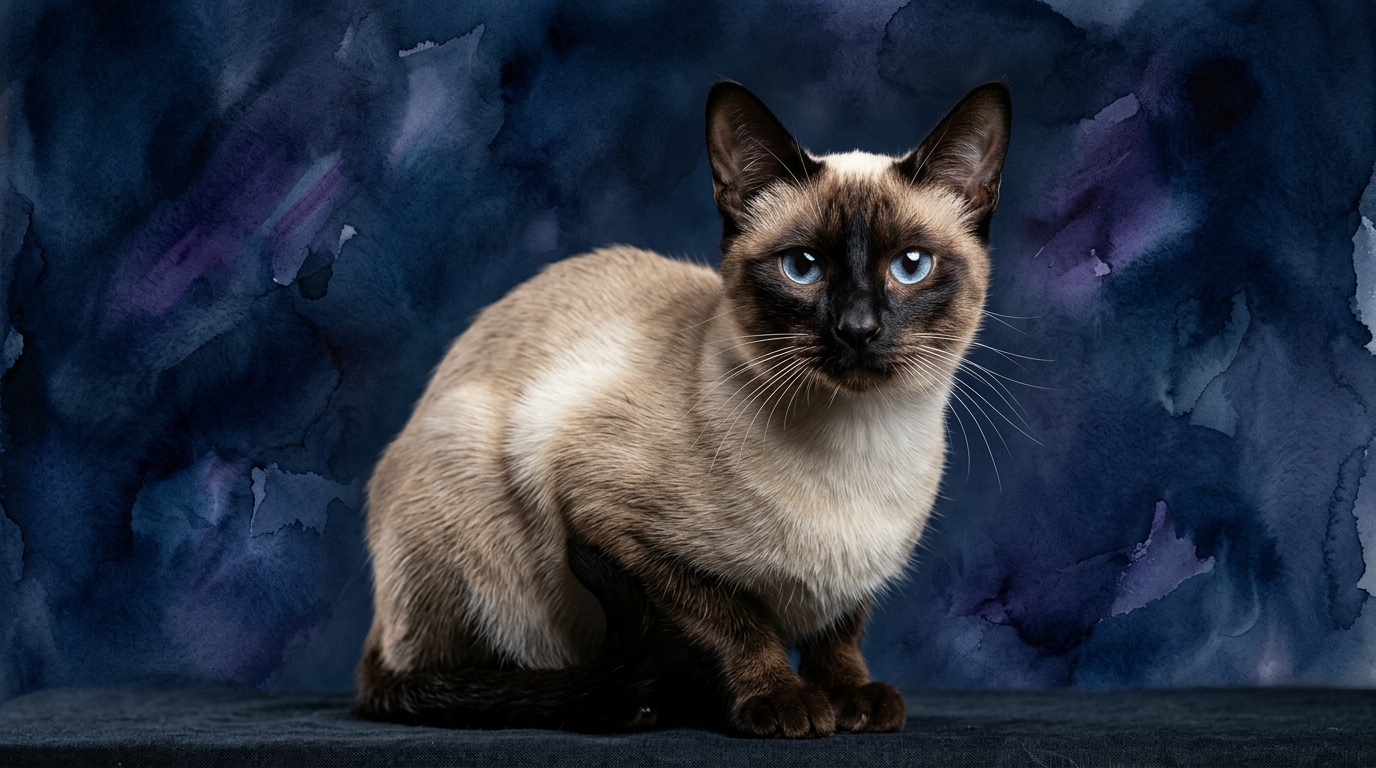
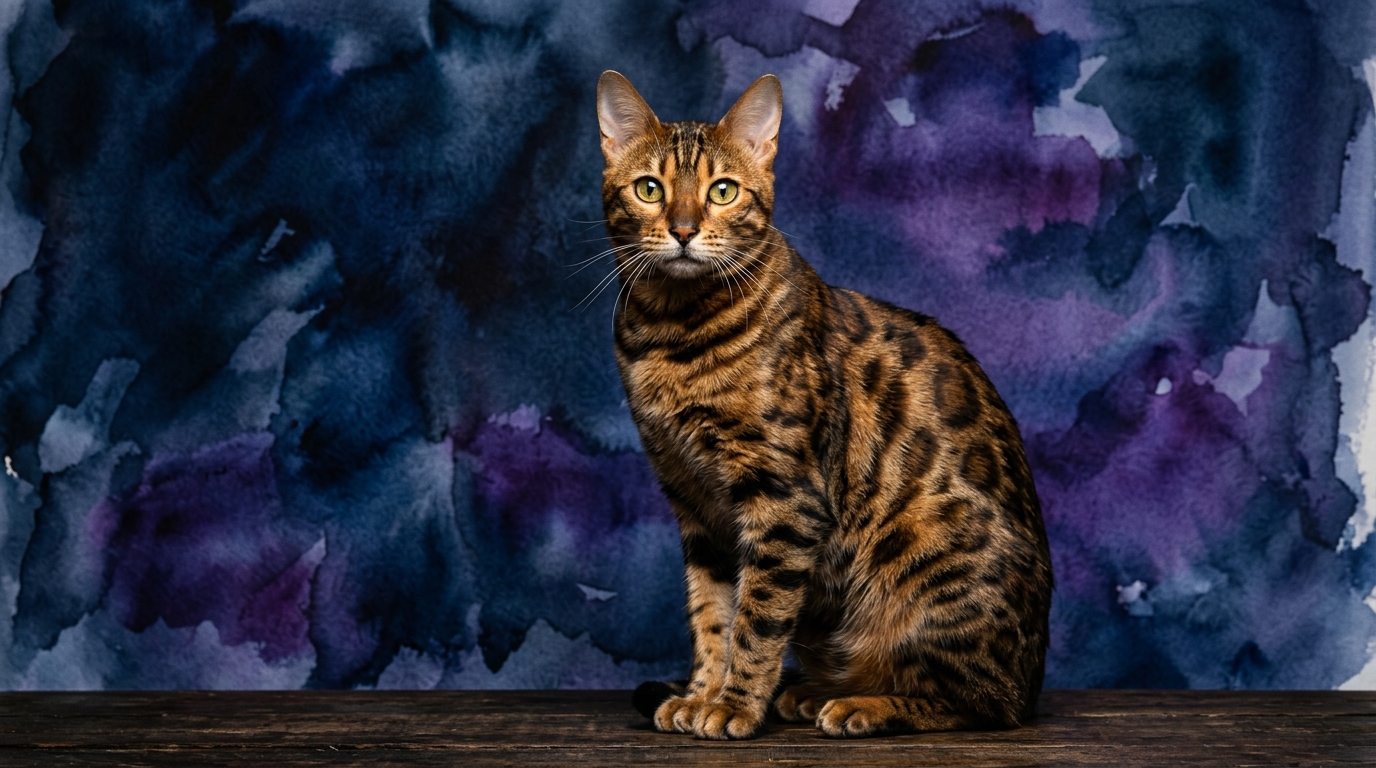
Side-by-Side IQ Profile: Siamese vs Bengal
Both breeds exhibit an exceptional capacity for cognitive innovation. From manipulating puzzle feeders to systematically opening latches, these cats demonstrate a robust ability to assess, strategize, and execute solutions. Their equally high scores signal a shared mental agility for navigating and altering environments.
With matching scores, both Siamese and Bengal cats grasp new commands and routines with commendable quickness. This rapid acquisition suggests efficient association learning. While motivations differ, their intrinsic learning pace is similar, allowing for quick progress in structured training.
The Siamese leads here, with a profound aptitude for understanding human emotions and subtle cues. A Siamese often displays nuanced awareness of an owner's mood, initiating comfort or engaging in tailored vocalizations. The Bengal, while social, directs engagement more outwardly, focusing on play or joint exploration over intricate emotional mirroring.
The Bengal, with its higher score, showcases a potent, ingrained drive for exploration, hunting simulation, and intense activity. This breed frequently seeks climbing, chasing, and intricate stalk-and-pounce sequences. The Siamese possesses instinctive curiosity but operates at a slightly lower intensity, often satisfying urges through interactive games with humans.
Both breeds share a perfect memory score, retaining information over extended periods. This includes remembering specific individuals, toy locations, and daily routines. This robust recall contributes significantly to their problem-solving and ability to learn from past experiences.
Where the Siamese Wins Cognitively
The Siamese cat's cognitive strengths primarily stem from its exceptional social intelligence. Their 5/5 rating indicates active processing and responsiveness to human emotional states and social dynamics. This allows a Siamese to "read the room" with remarkable accuracy, often choosing the perfect moment for comfort or play. Their problem-solving, while equally strong, is frequently channeled into achieving social proximity or eliciting specific responses. A Siamese might develop sophisticated vocalizations and body language to signal desires, demonstrating complex communication strategies. Their flawless memory further enhances this, recalling which actions yield desired social outcomes, making them adept at influencing their environment for emotional connection.
Where the Bengal Wins Cognitively
The Bengal's cognitive advantages are most evident in its unparalleled instinctive drive, scoring a perfect 5/5. This deeply embedded urge for exploration and physical mastery transforms their high problem-solving and memory scores into a distinct intellectual engagement. A Bengal excels at complex environmental manipulation, often for the thrill of discovery or physical challenge. Their problem-solving might manifest as finding elaborate ways to access high shelves or open challenging cabinets. Their memory is critical for mapping territories, recalling hunting strategies for toys, or remembering complex obstacle courses. This breed thrives on intricate challenges engaging their predatory sequence and innate curiosity, making them master strategists in their physical world.
Training: Who Learns More Easily?
Both Siamese and Bengal cats share a 4/5 training speed, indicating a similar baseline for rapid command learning. However, the perceived *ease* of training diverges due to other cognitive attributes. The Siamese, with superior social intelligence, often seems "easier" to train, driven by human interaction and approval. Their desire for connection and cue understanding fosters cooperation in sessions for fetching, leash walking, or vocal responses, as they actively seek social rewards. Conversely, while Bengals learn quickly, their robust instinctive drive makes training challenging if not captivating enough. Their motivation aligns with stimulating natural urges for hunt and exploration. Effective Bengal training requires tapping into this drive with puzzle rewards, agility, or scent work, rather than solely social reinforcement. Thus, Siamese often appear more compliant due to social reciprocity, while Bengals demand a more dynamic approach.
Ideal Companions: Active vs. Relaxed Owners
For active owners, the Bengal cat often aligns seamlessly. Their high instinctive drive demands substantial physical and mental engagement, making them ideal companions for interactive play, structured training, or adventurous outdoor experiences. A Bengal thrives with opportunities to climb, explore, and "hunt" toys, channeling intense energy and problem-solving constructively. Owners dedicating time to complex games and enrichment will find the Bengal a stimulating partner.
For relaxed owners, the Siamese cat is frequently a better fit. While playful, their superior social intelligence means immense satisfaction from close companionship and communicative interaction. They are often content with intricate conversations, cuddling, or less physically demanding games focused on connection. A Siamese thrives where consistent human presence and emotional reciprocity are met, offering a deeper, vocal bond without the constant vigorous activity demands of the Bengal.
The Verdict
Opt for a Siamese if you seek a deeply communicative companion who will engage with your emotions and thrive on consistent social interaction and intellectual games focused on connection.
Select a Bengal if you desire a dynamic, explorative partner who will challenge you with their adventurous spirit and flourish with ample opportunities for physical and mental stimulation.
🧠 Find Your Pet's IQ Score
Our Pet IQ Lab assessment covers 25+ tests across 5 cognitive dimensions — personalized to your breed.
Take the Full IQ Test →Frequently Asked Questions
Do Siamese cats vocalize more due to their social intelligence?
Yes, their elevated social intelligence often manifests as increased vocalization. Siamese cats frequently use a wide range of meows, chirps, and purrs to communicate their needs, desires, and even opinions, actively seeking to engage their human companions in "conversation." This is part of their inherent drive for social connection and interaction.
How do Bengals channel their high instinctive drive indoors?
Bengals channel their instinctive drive indoors through vigorous play, climbing, and "hunting" interactive toys. Providing them with cat trees, puzzle feeders, and regular, engaging play sessions helps satisfy their primal urges for exploration and predatory activity within the home environment. Without adequate outlets, this drive can lead to unwanted behaviors.
Can a Siamese be trained to do tricks like a Bengal?
Absolutely, both breeds possess a 4/5 training speed, meaning they are equally capable of learning tricks. While a Bengal might be motivated by the physical challenge, a Siamese will often be motivated by the shared activity and positive reinforcement from their human companion, making them enthusiastic learners for command-based tricks.