Side-by-Side IQ Profile: Nuance in Identical Scores
At first glance, the Cosmic Pet Pet IQ Lab scores for the Skye Terrier and Italian Greyhound appear identical across the board: Problem Solving (3/5), Training Speed (3/5), Social Intelligence (3/5), Instinctive Drive (3/5), and Memory (3/5). However, these scores are not a measure of absolute capacity but rather a reflection of how each breed’s unique heritage and physiological makeup influence the expression of these cognitive traits. Understanding the 'how' behind these consistent scores is key to appreciating their distinct intellectual styles.
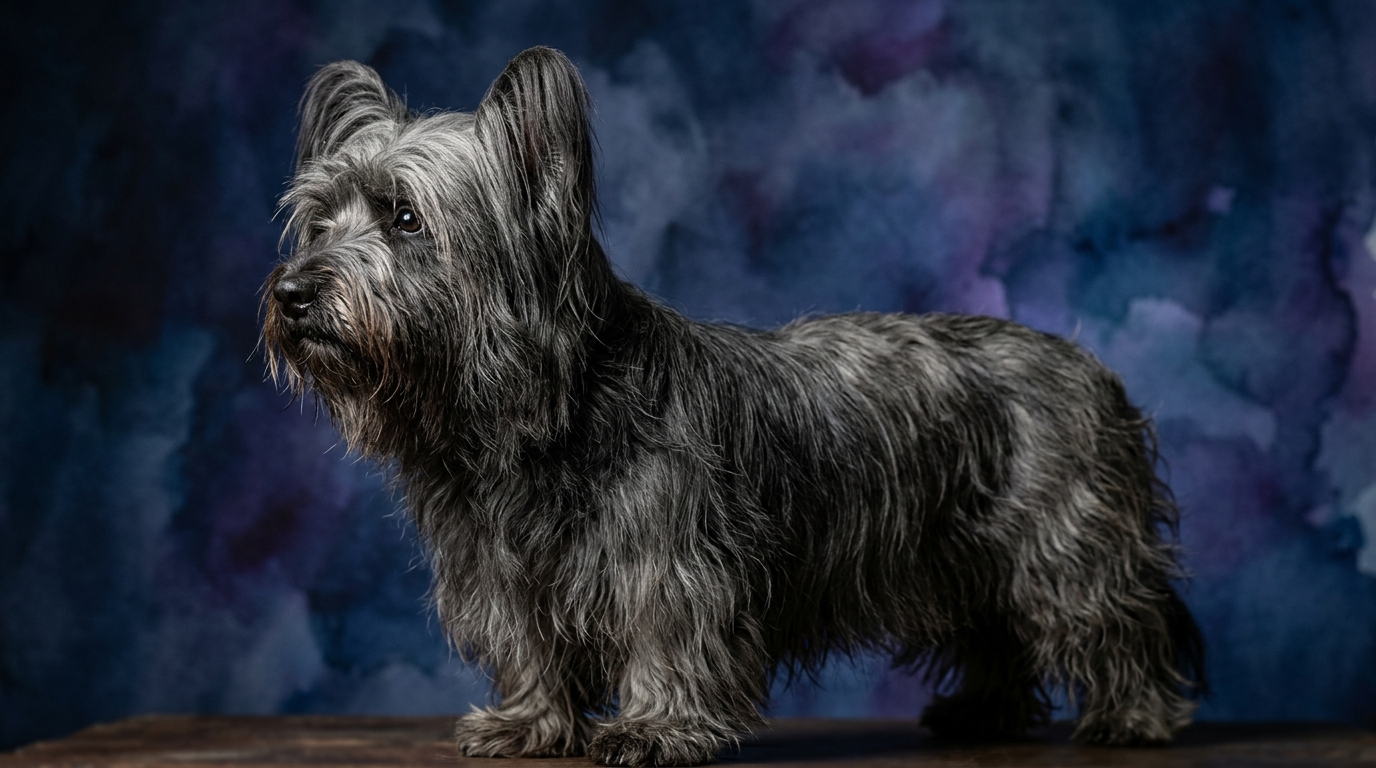
For the Skye Terrier, a 3/5 in Problem Solving speaks to their history as independent hunters, adept at navigating complex underground tunnels and outsmarting quarry. This manifests as a persistent, often self-directed approach to challenges, where they rely on their own cunning to achieve a goal, rather than always looking to a human for guidance. Training Speed at 3/5 indicates they are certainly capable of learning, but their strong will and independent streak mean they must be convinced a command is worthwhile. Social Intelligence at 3/5 suggests a deep, often reserved bond with their inner circle, reading family dynamics acutely but often holding a more aloof stance with strangers. Their Instinctive Drive of 3/5 is unmistakably terrier: a powerful urge to chase, dig, and bark at perceived intruders or prey. Memory at 3/5 means they retain information well, remembering routines, past experiences, and the location of favored objects or scents.
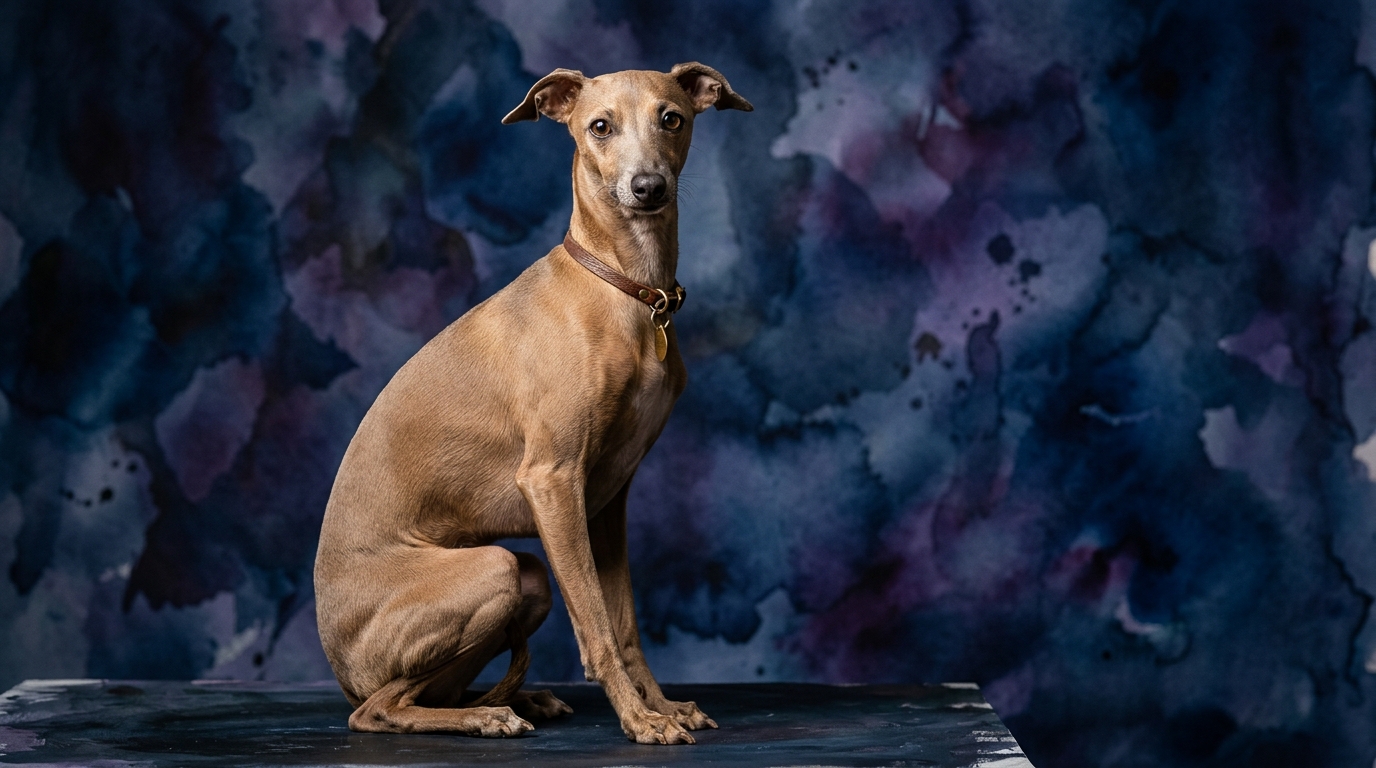
The Italian Greyhound's 3/5 in Problem Solving reflects a different kind of ingenuity. As a sighthound, their problem-solving often involves rapid assessment of their environment for movement, quick navigation of obstacles during a chase, or strategically finding the warmest, most comfortable spot in the house. Training Speed at 3/5 suggests they are quick to grasp concepts with gentle, positive reinforcement, but their sensitive nature and short attention span can make consistency a challenge. Social Intelligence at 3/5 highlights their profound attunement to human emotion and a deep desire for companionship, often anticipating their owner's moods and seeking comfort. Their Instinctive Drive of 3/5 is characteristic of sighthounds: an intense visual prey drive, compelling them to pursue anything that moves swiftly. Memory at 3/5 is often expressed through remembering routines, safe havens, and the comfort of familiar faces, forming strong associations with positive experiences.
Where the Skye Terrier Excels Cognitively
The Skye Terrier's cognitive strengths lie in their robust independence and tenacious problem-solving, especially when faced with physical or environmental challenges. A Skye Terrier's 3/5 in Problem Solving isn't about solving complex puzzles for human amusement; it's about persistent, strategic thinking in pursuit of a goal. Their historical role required them to make decisions autonomously in confined, dark spaces, often without direct human instruction. This translates into a dog that can figure out how to open cabinets, navigate tricky garden spots, or persist in digging until they find what they're looking for, demonstrating a profound self-reliance.
This breed's 3/5 in Instinctive Drive, while presenting training challenges, is also a cognitive win in its own right. It signifies an unwavering focus and drive to complete a task once their instincts are engaged. Whether it's tracking a scent or 'securing' their territory, their mental energy is channeled with purpose. Their memory (3/5) supports this, allowing them to recall past strategies that worked or specific locations where interesting things were found. This blend of self-directed problem-solving, focused drive, and good memory makes them particularly adept at tasks requiring endurance and independent thought, making them excellent companions for owners who appreciate a dog with a strong, individual personality and a clear sense of purpose.
Where the Italian Greyhound Shines Cognitively
The Italian Greyhound's cognitive strengths are rooted in their acute sensitivity, lightning-fast reactions, and profound social attunement. Their 3/5 in Social Intelligence is where they truly shine, demonstrating an exceptional ability to read subtle human cues and adapt to the emotional landscape of their home. They are masters of non-verbal communication, often understanding their owner's intentions or moods with a glance, and excel at forming deep, empathetic bonds. This social awareness allows them to integrate seamlessly into family life, often becoming intuitive companions who offer comfort and seek connection.
Their 3/5 in Problem Solving, while different from a terrier's, is expressed through their agility of mind and body. This breed can swiftly assess a situation, whether it's finding the quickest route across a room to a human, or dodging obstacles with precision during a play session. Their memory (3/5) aids this, as they quickly learn and remember which spots are safe, warm, and offer the most human attention. The Italian Greyhound's Instinctive Drive (3/5), while primarily focused on visual pursuit, also contributes to a quick, decisive cognitive process when something catches their eye. Their blend of social perceptiveness, quick decision-making, and adaptability to human routines makes them exceptional at navigating complex social environments and forming incredibly close, understanding relationships with their people.
Which is Easier to Train and Why?
When considering ease of training, both breeds present unique considerations despite their identical 3/5 Training Speed scores. The Skye Terrier, with its independent nature and strong terrier drive, often requires a trainer with patience, consistency, and a deep understanding of positive reinforcement. They are not dogs that will blindly obey; they need to understand the 'why' behind a command and may challenge authority if they perceive a task as pointless or if there's a more interesting scent to follow. Their inherent stubbornness means training often involves convincing them that cooperation is in their best interest, rather than simply issuing commands. This requires creative motivation and a firm but fair approach, as they can be quite sensitive to harshness, despite their robust exterior. Early socialization and consistent boundary setting are crucial to channel their innate independence positively.
The Italian Greyhound, while also scoring 3/5 in Training Speed, presents a different set of training dynamics. They are highly sensitive and respond best to gentle, reward-based methods, easily shutting down or becoming anxious with harsh corrections. Their desire to please their family and their social intelligence (3/5) can make them quick learners when motivated by affection and treats. However, their sighthound instincts (3/5 Instinctive Drive) mean they can be easily distracted by moving objects, making recall a significant challenge in unsecured areas. House-training can also be a prolonged process due to their delicate bladder and aversion to cold or wet weather. Their attention span can be short, requiring training sessions to be brief, engaging, and fun. While they may pick up basic commands quickly, their sensitivity and prey drive mean consistent, patient effort is needed, particularly for impulse control and outdoor reliability.
Which Suits Active Owners vs. Relaxed Owners?
The distinction between suitability for active versus relaxed owners becomes clear when examining the breeds beyond their core IQ scores. The Skye Terrier, while not necessarily requiring marathon runs, thrives with owners who can provide consistent mental stimulation and a sense of purpose. Their 3/5 Instinctive Drive and Problem Solving mean they enjoy exploring, 'hunting' for hidden toys, and engaging in activities that challenge their mind and body. They are resilient and enjoy outdoor adventures, whether it's a brisk walk through varied terrain or a backyard 'digging' project (supervised, of course). Owners who appreciate a dog with a strong personality and are prepared for regular grooming and engaging play sessions will find a loyal companion. They are not content to be mere lapdogs; they need engagement and a role within the family, making them more suited to owners who are actively involved in their dog's daily life and enjoy a companion with a bit of a 'working' mindset.
The Italian Greyhound, by contrast, is an ideal fit for owners who appreciate a more relaxed lifestyle, albeit with bursts of activity. Their 3/5 Social Intelligence makes them deeply attached and content to spend much of their day curled up beside their human, seeking warmth and companionship. While they are incredibly fast and enjoy spirited 'zoomies' in a secure area, these bursts of energy are typically short-lived. They are not built for endurance and prefer the comforts of home, making them excellent apartment dwellers or companions for less physically demanding owners. Their delicate build also means they are best suited to homes where they are protected from rough play or accidental injury. Owners who prioritize a close, affectionate bond, appreciate a quiet home life, and can provide a warm, soft spot on the couch will find an Italian Greyhound to be a perfect, devoted companion. They are very much 'indoor' dogs, preferring the safety and comfort of their human's presence to extensive outdoor adventures.
The Verdict: When to Choose Each
The Verdict
Choose the Skye Terrier if you appreciate a dog with a robust, independent spirit, a persistent problem-solver, and a deep, loyal bond with an active, engaging owner. They thrive with mental challenges and a sense of purpose, making them ideal for those who enjoy a dog with strong character.
Opt for the Italian Greyhound if you seek a highly affectionate, sensitive companion deeply attuned to your emotions, thriving on comfort and close human companionship. They suit a more relaxed lifestyle, offering bursts of playful energy followed by contented snuggling.
🧠 Find Your Pet's IQ Score
Our Pet IQ Lab assessment covers 25+ tests across 5 cognitive dimensions — personalized to your breed.
Take the Full IQ Test →Frequently Asked Questions
Do Skye Terriers get along with other pets?
Skye Terriers can coexist with other pets, especially if socialized from a young age, but their strong prey drive (3/5 Instinctive Drive) means small, fast-moving animals might trigger their hunting instincts. Supervision and careful introductions are key to maintaining harmony in a multi-pet household.
Are Italian Greyhounds good with children?
Italian Greyhounds can be good with older, respectful children who understand their delicate nature and need for gentle interaction. Their sensitivity (3/5 Social Intelligence) and fragile build mean they may not tolerate rough play, so calm and supervised interactions are essential.
How much exercise do these breeds need daily?
Skye Terriers benefit from daily walks and engaging playtime that stimulates their mind, needing about 30-60 minutes of varied activity. Italian Greyhounds enjoy short bursts of running in a secure area and several short walks, but are largely content to relax indoors for most of the day.