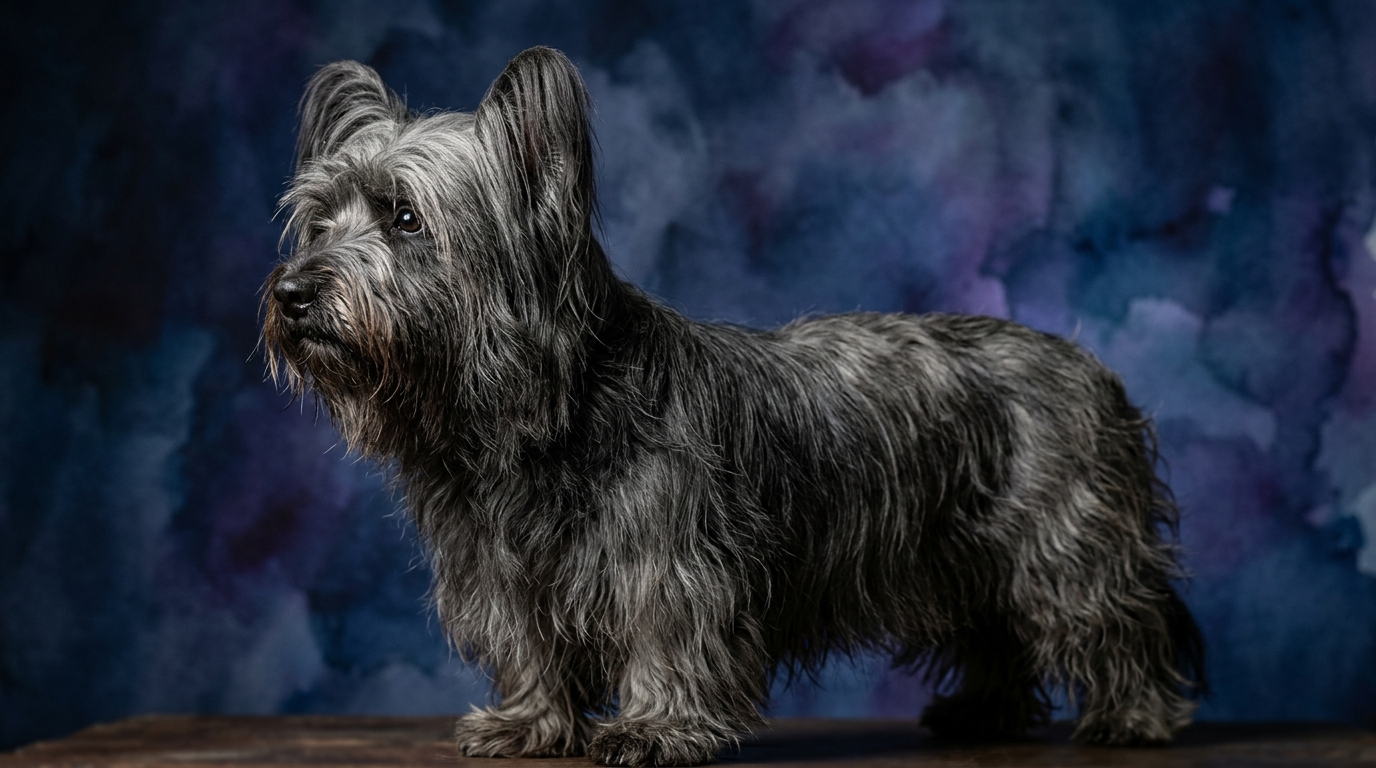
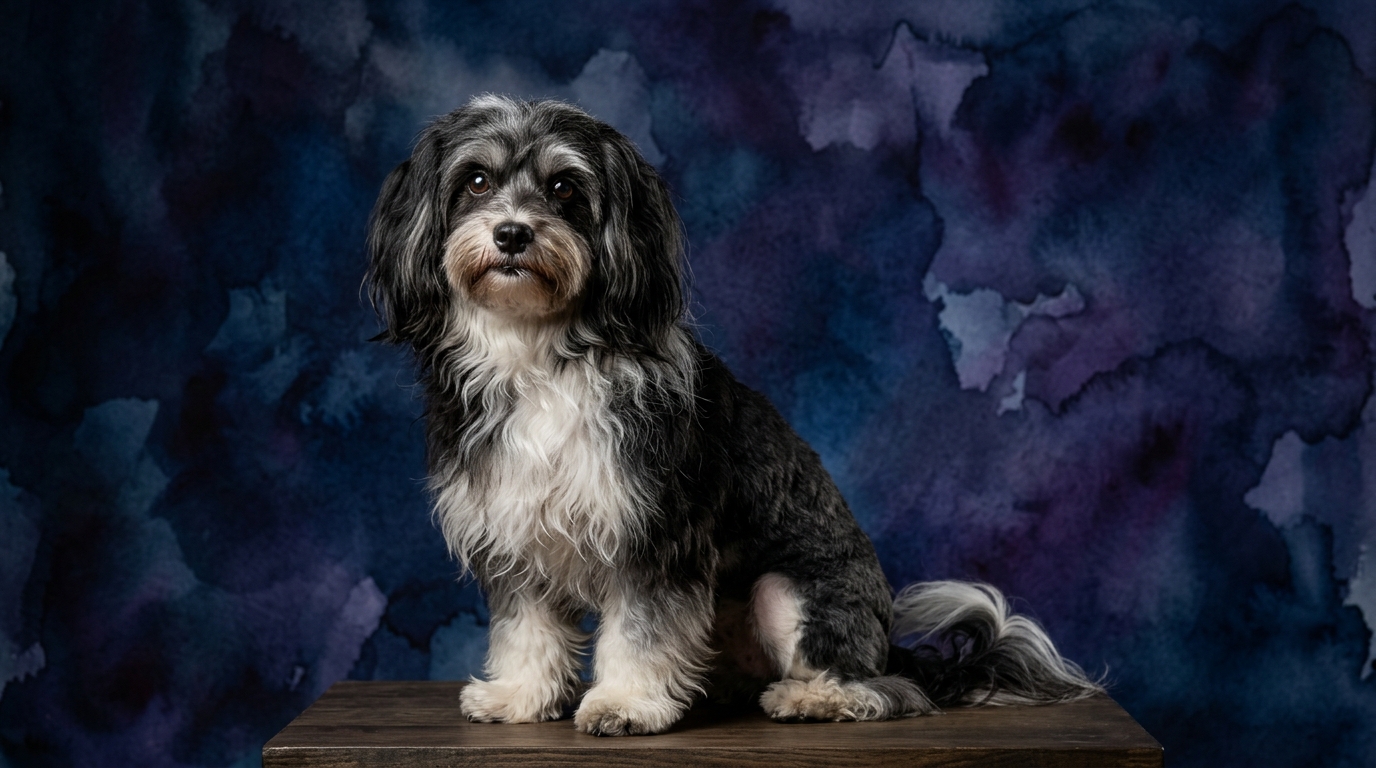
Side-by-Side IQ Profile: Digging Deeper than the Numbers
Both the Skye Terrier and the Löwchen register a consistent 3 out of 5 across all five cognitive dimensions: Problem Solving, Training Speed, Social Intelligence, Instinctive Drive, and Memory. While the numerical parity might suggest identical cognitive function, their breed origins imbue these scores with distinct flavors. The Skye Terrier, a working terrier from the Isle of Skye, traditionally hunted vermin, demanding independence and tenacity. The Löwchen, or 'Little Lion Dog,' historically served as a companion and entertainer, requiring adaptability and social charm. These foundational differences are key to understanding their cognitive application.
For Problem Solving (3/5), a Skye Terrier might exhibit this by persistently working to unearth a hidden toy or finding a way through a secured gate, driven by its tenacious terrier spirit and inherent curiosity about its environment. A Löwchen, conversely, might apply its problem-solving acumen to figuring out how to gain its owner's attention, manipulate a puzzle toy for treats, or creatively navigate social dynamics within the home. Their approaches, while equally effective, stem from different motivations. Training Speed (3/5) in a Skye Terrier often requires patience and varied methods; their independent streak means they learn at a steady pace but may need more convincing that a command is worth their effort. A Löwchen, eager to please and socially attuned, might appear to pick up commands more readily due to their cooperative nature, even if the underlying cognitive processing time is similar. Their motivation for learning differs, impacting the perceived speed of training. Social Intelligence (3/5) for a Skye Terrier typically manifests as a reserved demeanor with strangers but profound loyalty and nuanced understanding of their immediate family's moods and routines. They observe carefully, often preferring to analyze a situation before engaging. A Löwchen's social intelligence shines through its outgoing, affectionate nature, adeptly reading human emotions and adapting its playful or comforting behavior accordingly. They thrive on interaction and are quick to understand social cues, making them engaging companions. Instinctive Drive (3/5) in a Skye Terrier is deeply rooted in its heritage; expect a noticeable prey drive, a love for digging, and an alert nature, responding keenly to environmental stimuli. For a Löwchen, the primary instinctive drive is companion-oriented; they exhibit a strong desire for interaction, play, and close proximity to their human family, fulfilling their historical role as charming lapdogs and entertainers. Memory (3/5) for both breeds means they are capable of retaining commands, routines, and experiences. A Skye Terrier might remember where a squirrel buried its nuts or the location of a favorite digging spot. A Löwchen will likely remember preferred human routines, who gives the best cuddles, or the specific sequence of a beloved game, leveraging memory for social and comfort-seeking purposes.
Where the Skye Terrier Wins Cognitively
The Skye Terrier's cognitive strengths are deeply intertwined with its terrier lineage. Its Problem Solving (3/5) is often characterized by a tenacious, independent approach to challenges. When faced with a physical barrier or a hidden item, a Skye is more likely to employ persistent, trial-and-error strategies, demonstrating an unyielding resolve that can be incredibly effective in overcoming obstacles. This isn't just about raw intelligence, but the application of that intelligence with a strong will. Their Instinctive Drive (3/5) to investigate and pursue, coupled with their problem-solving skills, gives them an edge in tasks requiring sustained focus on a singular objective, like scent work or navigating complex outdoor environments. Their memory (3/5) supports this by retaining spatial information and successful past strategies for overcoming similar challenges, making them effective at navigating familiar terrains and remembering where they last encountered an interesting scent or burrow. This combination of persistence, drive, and recall makes them particularly adept at tasks requiring independent decision-making and follow-through in a challenging environment.
Where the Löwchen Wins Cognitively
The Löwchen's cognitive advantages lean heavily into its role as a companion, excelling in areas that foster human connection and social harmony. Their Social Intelligence (3/5) is particularly pronounced in their ability to read and respond to human emotions and social cues with remarkable sensitivity. A Löwchen often demonstrates a nuanced understanding of household dynamics, adjusting its behavior to soothe a distressed owner or to initiate playful engagement at opportune moments. This skill allows them to integrate seamlessly into diverse family structures and adapt to various social settings, making them exceptional emotional support animals. Their Problem Solving (3/5) often involves clever, charming strategies to elicit desired responses from humans, such as using specific vocalizations or body language to request attention or treats. This social problem-solving, coupled with their adaptable Training Speed (3/5) when motivated by positive interaction, allows them to master complex social behaviors and routines more fluidly than a more independently-minded breed might. Their memory (3/5) is adept at retaining social patterns and preferences, remembering which family member is most likely to offer a specific reward or engage in a particular game, further enhancing their ability to thrive in a human-centric environment.
Which is Easier to Train and Why
Despite both breeds scoring 3/5 in Training Speed, the Löwchen generally presents as an easier dog to train for most pet owners due to fundamental behavioral differences. The Löwchen's inherent desire to please its human companions and its outgoing, cooperative nature mean it is often more receptive to direction and positive reinforcement. They thrive on interaction and praise, which makes them eager participants in training sessions, quickly forming associations between commands and rewards. Their social intelligence allows them to better anticipate owner expectations and respond to subtle cues, fostering a smoother learning experience. Conversely, the Skye Terrier, true to its terrier heritage, possesses a more independent and sometimes stubborn streak. While perfectly capable of learning, their training often requires more patience, consistency, and creative motivation to convince them that complying with a command is more beneficial than pursuing their own interests. Their strong instinctive drives, such as a desire to dig or chase, can also be a distraction, requiring more focused effort to redirect. Therefore, while both can achieve similar levels of obedience, the Löwchen's cooperative spirit typically makes the training journey feel less challenging for the average owner.
Which Suits Active Owners vs. Relaxed Owners
The choice between a Skye Terrier and a Löwchen significantly depends on an owner's lifestyle and activity preferences. The Skye Terrier, despite its moderate size, is an active and robust dog that suits owners who appreciate a companion with a strong will and a need for regular, engaging activity. Their instinctive drives demand mental stimulation through consistent training, puzzle toys, and opportunities for exploration, such as secure off-leash areas or structured walks that allow for sniffing and investigation. They thrive with owners who understand their independent nature and can provide firm, consistent guidance alongside plenty of outlets for their energy and curiosity. They are not necessarily high-octane athletes but require purposeful activity to prevent boredom and channel their terrier tenacity constructively. A relaxed owner who prefers minimal engagement beyond basic walks might find a Skye Terrier's needs challenging to meet, as their cognitive engagement is crucial for their well-being. The Löwchen, on the other hand, is an excellent fit for more relaxed owners or those seeking a highly interactive yet adaptable companion. While they enjoy play and short walks, their primary need is for companionship and social interaction. They are content with indoor play, cuddle sessions, and being an integral part of family activities. Their energy levels are manageable, and they adapt well to various living situations, from apartments to larger homes, as long as they receive consistent human attention. They thrive on being involved in the daily life of their family and are less demanding in terms of strenuous physical exercise, making them ideal for individuals or families who value a constant, affectionate presence.
The Verdict
Choose the Skye Terrier if you appreciate a dog with a tenacious spirit, independent problem-solving skills, and a need for engaging, purposeful activity, thriving with an owner who respects their terrier nature.
Opt for the Löwchen if you seek a highly sociable, adaptable companion whose cognitive strengths shine in reading human emotions and integrating seamlessly into a relaxed, affectionate family environment.
🧠 Find Your Pet's IQ Score
Our Pet IQ Lab assessment covers 25+ tests across 5 cognitive dimensions — personalized to your breed.
Take the Full IQ Test →Frequently Asked Questions
Do Skye Terriers or Löwchens bark more?
Skye Terriers, with their strong instinctive drive and alert nature, tend to be more vocal, often barking to alert their owners to new sounds or perceived threats. Löwchens can be vocal, especially when seeking attention or during play, but typically less persistently than a terrier.
Are Skye Terriers good with children?
Skye Terriers can be good with older, respectful children who understand how to interact gently with dogs, as their independent nature means they may not tolerate rough play. Early socialization is crucial for harmonious family life.
Are Löwchens good for first-time dog owners?
Yes, Löwchens are often recommended for first-time dog owners due to their adaptable, eager-to-please nature and manageable exercise requirements. Their social intelligence makes them relatively easy to train and integrate into a home, provided they receive consistent attention.