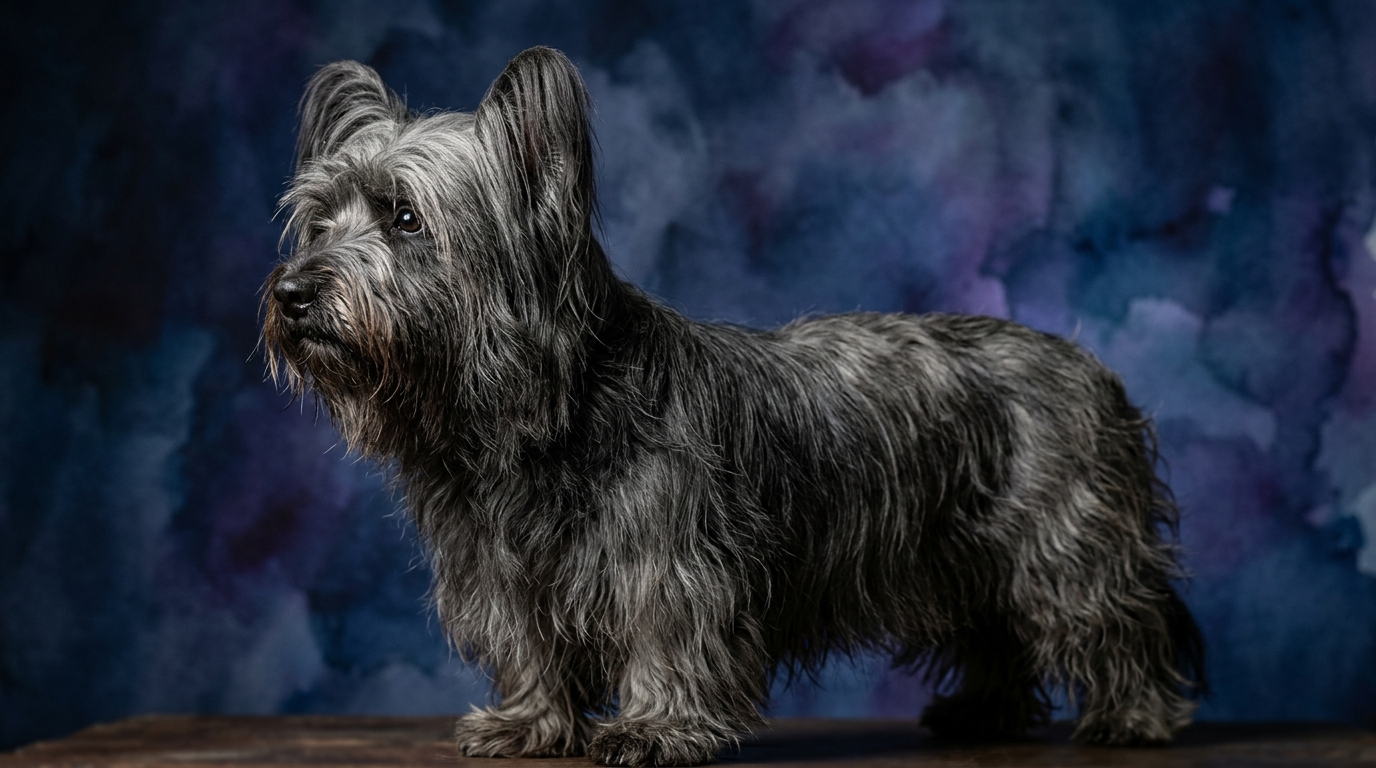
Side-by-Side IQ Profile: Skye Terrier
The Skye Terrier's problem-solving skills, rated at 3 out of 5, often manifest as a determined persistence, especially when faced with tasks that align with their historical role as vermin hunters. They excel at figuring out how to access tight spaces or retrieve objects, demonstrating a focused, albeit sometimes stubborn, approach to overcoming obstacles, rather than seeking quick, novel solutions.
With a training speed score of 3 out of 5, Skye Terriers learn new commands at a moderate pace, but their independent terrier spirit means they require consistent, patient, and engaging methods. They respond best to positive reinforcement and clear boundaries, often showing a deliberate consideration before complying, which can be interpreted as slower processing by impatient trainers.
Their social intelligence, also 3 out of 5, is characterized by a deep, discerning bond with their primary family members, often appearing reserved or aloof with strangers. They are adept at reading the moods and routines of their chosen humans, offering quiet companionship and subtle emotional support, but are less inclined towards broad social interaction.
A score of 3 out of 5 in instinctive drive highlights their inherent terrier nature, which includes a notable prey drive, a propensity for digging, and a protective instinct towards their home and family. These drives are fundamental to their being and influence their focus and motivation, requiring appropriate outlets to prevent unwanted behaviors.
The Skye Terrier's memory, rated 3 out of 5, allows them to retain complex routines, learned commands, and both positive and negative experiences with impressive accuracy. They remember past interactions and environments vividly, which can contribute to their cautious nature with new situations or people, as they recall previous outcomes.
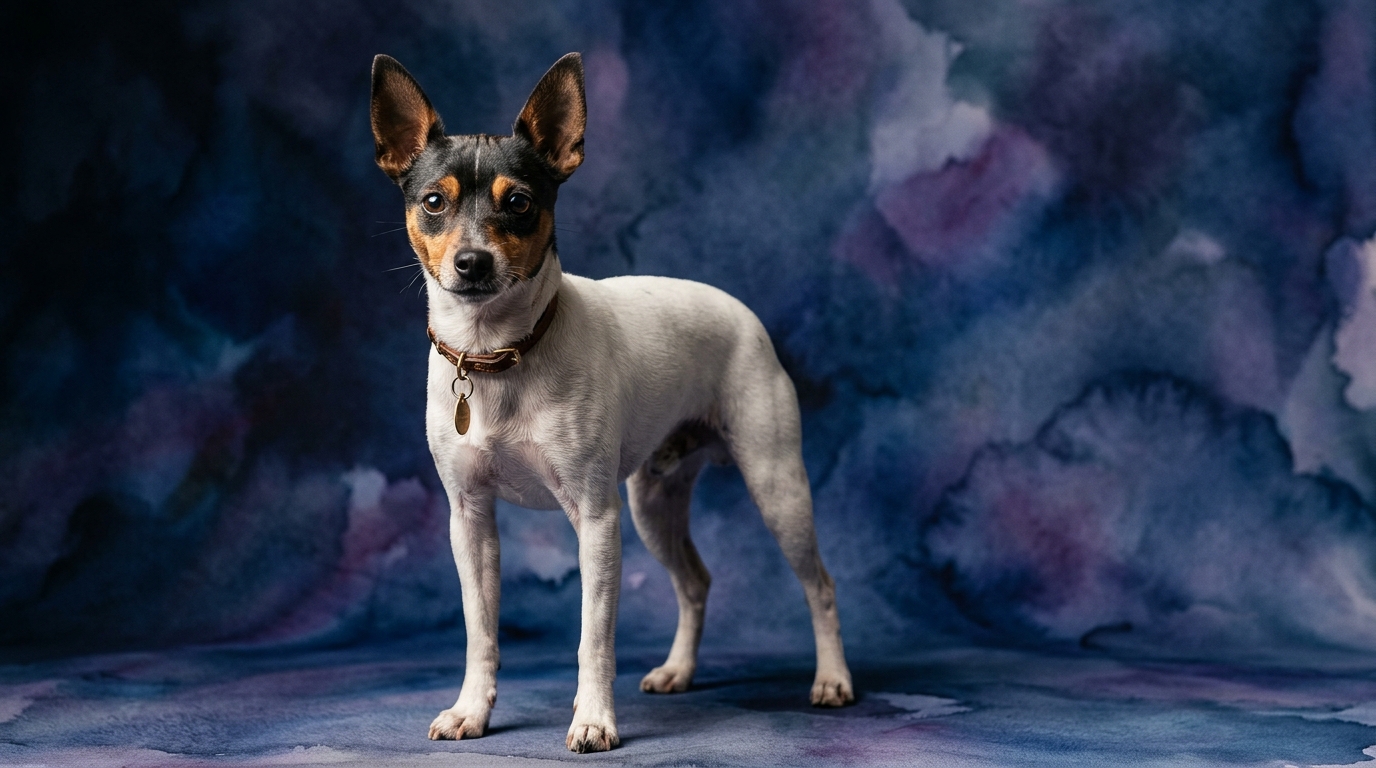
Side-by-Side IQ Profile: Toy Fox Terrier
The Toy Fox Terrier's 3 out of 5 in problem-solving manifests as a quick-witted resourcefulness, often applied to navigating indoor environments, manipulating objects to gain attention, or figuring out how to reach coveted treats. Their agile minds are adept at finding creative, often charmingly mischievous, solutions to everyday puzzles within their domestic sphere.
Scoring 3 out of 5 for training speed, Toy Fox Terriers typically pick up commands at a moderate pace, often with an eager-to-please attitude when properly motivated. However, their lively energy and occasional short attention span mean training sessions need to be kept fun, varied, and relatively brief to maintain their engagement and focus.
Their social intelligence, also 3 out of 5, is evident in their profound attachment to their human families, often acting as 'velcro dogs' who thrive on interaction and companionship. They are highly attuned to human emotions and body language, frequently initiating cuddles or play to gauge and influence family moods, making them excellent companions.
A 3 out of 5 in instinctive drive for the Toy Fox Terrier primarily reflects a strong desire for companionship, play, and vocal alerts to perceived intruders or novelties. While they retain some ancestral ratting instincts, their drive is largely channeled into being an active, engaging family member, rather than intense hunting pursuits.
The Toy Fox Terrier's memory, rated 3 out of 5, is robust, enabling them to recall learned behaviors, household routines, and the precise locations of favored toys or sleeping spots. They are particularly good at remembering sequences of events that lead to rewards or attention, reinforcing their clever and often manipulative tendencies.
Where the Skye Terrier Wins Cognitively
Despite identical numerical scores, the Skye Terrier's cognitive strengths are particularly pronounced in scenarios demanding resolute dedication and an unwavering focus on a solitary task. Their 3/5 problem-solving isn't about quick tricks but rather an enduring resolve, making them exceptional at sustained tasks like tracking a scent or patiently waiting out a burrowing creature. This tenacious application of their problem-solving and instinctive drive, deeply rooted in their working history, allows them to excel in situations requiring independent thought and prolonged effort, often without immediate human intervention.
The Skye's memory (3/5) and social intelligence (3/5) further enhance their ability to navigate complex, familiar environments and to anticipate the routines of their trusted family, forming a deep, intuitive understanding of their home life. This allows them to thrive in structured, predictable settings where their discerning nature leads to a profound, quiet companionship, rather than constant, overt interaction, making them masters of their personal domain.
Where the Toy Fox Terrier Wins Cognitively
Conversely, the Toy Fox Terrier's cognitive prowess shines in environments that reward adaptability, quick social reads, and agile mental processing. Their 3/5 problem-solving and social intelligence combine to make them masters of household navigation and interpersonal dynamics, often figuring out how to get attention or desired outcomes with charming ingenuity. They demonstrate a superior ability to quickly assess and respond to changing social cues, making them adept at engaging with multiple family members and adapting to various social settings with their characteristic vivacity.
Their quick training speed (3/5) and keen memory (3/5) are particularly effective in learning complex sequences that lead to rewards or playtime, making them excellent candidates for trick training or canine sports that emphasize speed and precision. The Toy Fox Terrier's cognitive strengths are thus geared towards dynamic interaction and clever manipulation within a social context, rather than solitary, persistent tasks, showcasing their versatility in a fast-paced world.
Which is Easier to Train and Why
Determining which breed is 'easier' to train, given their identical 3/5 training speed scores, largely depends on the trainer's approach and the desired outcome. The Toy Fox Terrier, with its strong social intelligence and desire for interaction, often presents as more eager to please and quicker to respond to positive reinforcement during initial training phases, especially when the reward is human attention or a fun game. Their lively nature means they thrive on varied, short training bursts, making them appear more responsive in engaging, fast-paced sessions, though their potential for distraction can make sustained focus challenging.
The Skye Terrier, while equally capable of learning, approaches training with a more independent, discerning mindset. Their 3/5 training speed is coupled with a deep-seated terrier stubbornness; they need to understand the 'why' behind a command or find personal value in compliance. Training a Skye requires immense patience, consistency, and a deep understanding of their terrier drive. They are less likely to perform simply to please and more likely to comply when they respect their trainer and the command makes sense to them. Once a Skye learns a command, their 3/5 memory ensures it's deeply ingrained, but getting there requires overcoming their inherent self-reliance and earning their cooperation.
Which Suits Active Owners vs. Relaxed Owners
For active owners seeking a canine companion for diverse adventures, the Toy Fox Terrier often proves to be an excellent match. Their spirited nature and moderate instinctive drive (3/5) mean they enjoy engaging in varied activities, from agility and obedience to brisk walks and interactive play. They possess a surprising amount of stamina for their size and thrive on mental stimulation that keeps their agile minds engaged, making them suitable for owners who enjoy consistent, interactive engagement and structured play sessions that cater to their quick thinking and desire for social interaction.
The Skye Terrier, while not a couch potato, is generally better suited for owners who appreciate a more relaxed pace but are prepared for their unique terrier energy bursts. Their 3/5 instinctive drive translates into a need for purposeful outdoor time, such as exploring secure yards or engaging in scent work, rather than continuous high-impact activities. They are content with a few focused walks and ample indoor companionship, making them ideal for individuals or families who value a loyal, quiet presence and can provide consistent, calm leadership without demanding constant high-energy interaction. Their discerning social intelligence also means they thrive in a stable, predictable home environment.
The Verdict
Choose the Skye Terrier if you appreciate a deeply loyal, discerning companion who offers quiet devotion and possesses a tenacious, independent spirit, provided you can commit to patient, consistent training and respect their reserved nature.
Opt for the Toy Fox Terrier if you desire a lively, highly interactive, and charmingly mischievous companion who thrives on social engagement and can readily adapt to a variety of family activities and routines.
🧠 Find Your Pet's IQ Score
Our Pet IQ Lab assessment covers 25+ tests across 5 cognitive dimensions — personalized to your breed.
Take the Full IQ Test →Frequently Asked Questions
Do Skye Terriers and Toy Fox Terriers respond differently to new people, given their similar social intelligence scores?
Yes, despite identical 3/5 social intelligence scores, their responses differ significantly. Skye Terriers are typically reserved and discerning, taking time to assess new individuals before offering their trust. Toy Fox Terriers, conversely, are often more outgoing and curious, quickly engaging with strangers, though some can be prone to initial alarm barking before settling.
Which breed is better for apartment living, considering their problem-solving and instinctive drive?
The Toy Fox Terrier generally adapts better to apartment living due to its smaller size, adaptability, and problem-solving skills focused on indoor environments. While both have a 3/5 instinctive drive, the Skye Terrier's digging and guarding instincts can be more challenging in confined spaces without ample outdoor access and careful management.
How does their 3/5 memory score impact their long-term behavior or habits?
Both breeds' 3/5 memory means they retain learned behaviors and routines very well. For the Skye, this can mean a long-lasting recall of specific commands or past negative experiences, influencing their caution. For the Toy Fox Terrier, it often translates to consistently remembering where treats are kept or how to initiate their favorite games, reinforcing their established habits and interactions for attention or rewards.