Side-by-Side Cognitive Profiles
The Cosmic Pet Pet IQ Lab assesses canine intelligence across five key dimensions, and interestingly, both the Smooth Fox Terrier and the American Foxhound register a consistent 3/5 score in each. However, what these scores represent in practical application varies significantly between these two distinct breeds.
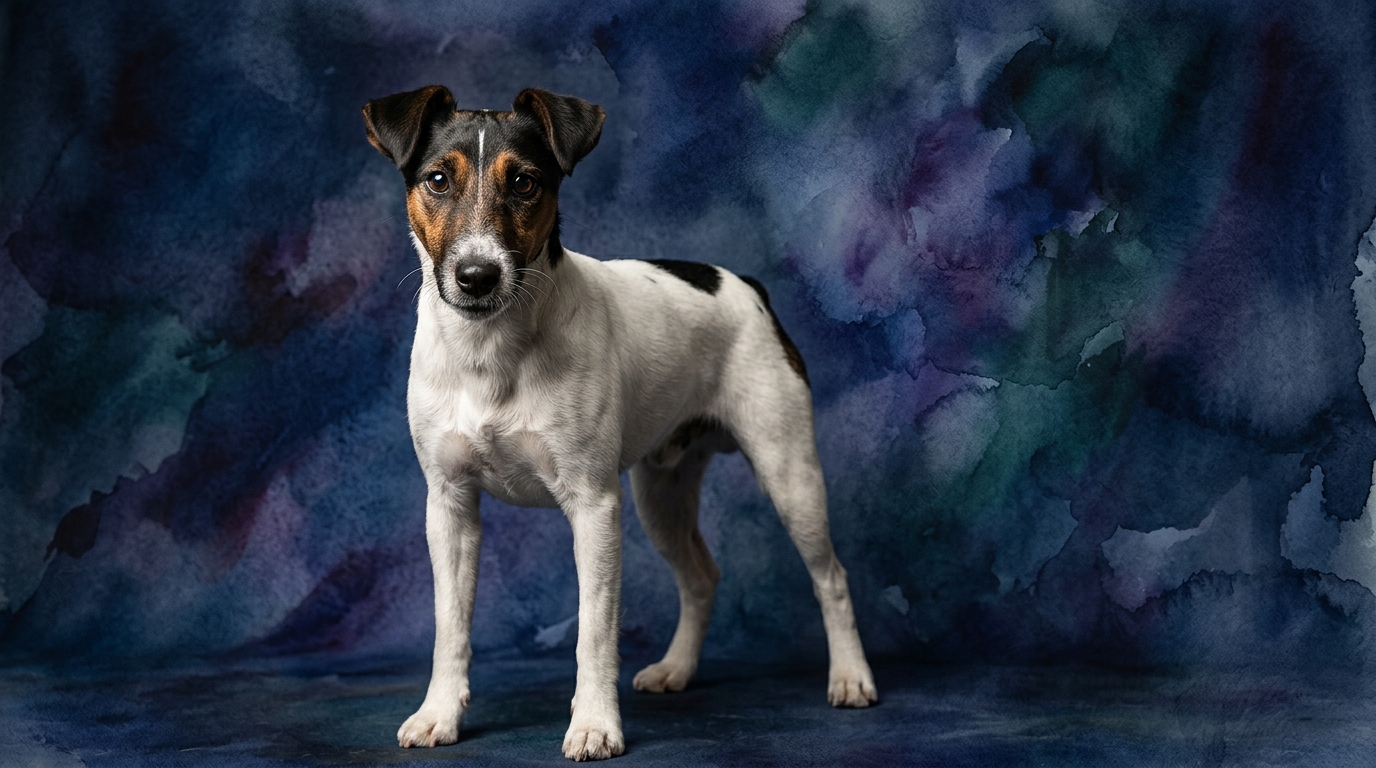
For the **Smooth Fox Terrier**, a 3/5 in **Problem Solving** reflects their terrier tenacity; they are adept at strategizing how to flush out small game from burrows, requiring quick thinking and adaptability in confined spaces. Their **Training Speed** (3/5) indicates they learn new commands at a moderate pace, but their independent spirit often means they require engaging, consistent motivation to comply. **Social Intelligence** (3/5) means they form strong bonds with their primary human companions and can navigate social cues within their immediate family, though they may be reserved or assertive with unfamiliar dogs or people. Their **Instinctive Drive** (3/5) is strongly oriented towards prey pursuit, digging, and barking, deeply rooted in their original function. Finally, their **Memory** (3/5) allows them to recall routines, learned commands, and successful hunting strategies, contributing to their effectiveness in their working role.
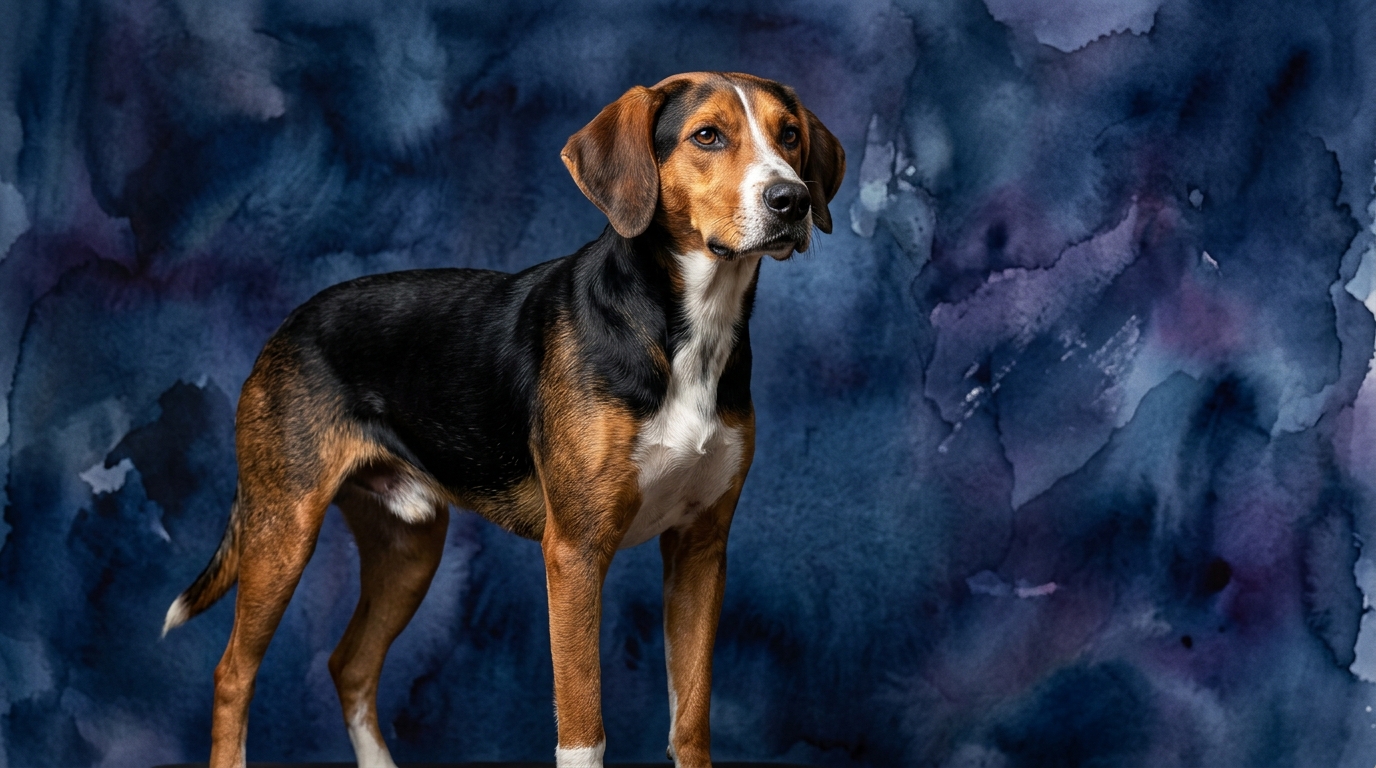
The **American Foxhound**, also scoring 3/5 across the board, exhibits these dimensions differently. Their **Problem Solving** (3/5) is geared towards the methodical pursuit of scent trails, requiring sustained focus, spatial reasoning to navigate varied terrain, and an understanding of how to work with a pack. **Training Speed** (3/5) suggests they can learn commands, but their overwhelming scent drive often serves as a significant distraction, making consistent recall challenging in stimulating environments. Their **Social Intelligence** (3/5) shines in a pack setting, where they communicate and cooperate effectively with other hounds, though they tend to be more reserved and less overtly demonstrative with humans, especially strangers. **Instinctive Drive** (3/5) is dominated by their exceptional olfactory capabilities and an innate desire to follow a scent, often expressed through persistent baying. Their **Memory** (3/5) is particularly strong for scent patterns and established hunting routes, allowing them to pick up trails days after they were laid.
Where the Smooth Fox Terrier Excels Cognitively
The Smooth Fox Terrier's cognitive strengths are rooted in their role as a 'go-to-ground' hunter. Their problem-solving acumen shines in situations requiring quick, independent decisions, such as navigating complex underground tunnels or outsmarting a cunning rodent. This resourcefulness, combined with their agile minds, allows them to adapt rapidly to changing circumstances, making them particularly adept at tasks that demand swift shifts in strategy or novel approaches. Their moderate social intelligence, while not as overtly demonstrative as some breeds, fosters a keen awareness of their immediate human companions' moods and intentions, enabling effective communication in a working partnership. This breed's memory is particularly effective for retaining specific tactics and locations related to their prey drive, often remembering where a squirrel was last seen or a toy was buried, which fuels their persistent and often mischievous nature.
Where the American Foxhound Excels Cognitively
The American Foxhound's cognitive advantages are inextricably linked to their heritage as a scent hound. Their problem-solving abilities are masterfully applied to the intricate challenge of tracking, where they must interpret subtle scent variations, differentiate between multiple trails, and maintain focus over vast distances and varied terrain. This requires an impressive capacity for sustained attention and a methodical approach to information processing that is distinct from the terrier's rapid-fire decision-making. Their social intelligence, while not oriented towards human-centric tricks, facilitates seamless cooperation within a pack, demonstrating an innate understanding of canine hierarchy and collective action. This pack-oriented mindset translates into a remarkable ability to work in concert with other dogs, displaying sophisticated non-verbal communication and coordination. Crucially, their memory is exceptionally tuned to recalling intricate scent patterns and geographical layouts of their hunting grounds, allowing them to persistently pursue a trail with unwavering determination.
Training: Tenacity vs. Scent Drive
When considering trainability, the primary challenges for these breeds stem from their core instincts rather than a lack of learning capacity. The Smooth Fox Terrier, with its 3/5 Training Speed, learns commands but often requires a firm, consistent, and creative approach to training. Their independent nature means they can be opinionated and will test boundaries; they need to understand 'why' they should comply, or at least be highly motivated by a reward that outweighs their self-directed desires. Engaging their problem-solving mind with puzzle toys and agility exercises can make training more successful, as it taps into their inherent cleverness.
The American Foxhound, also at 3/5 Training Speed, presents a different set of hurdles. While capable of learning, their powerful instinctive drive to follow a scent can override all other stimuli. In an outdoor environment, a captivating scent trail can render them momentarily 'deaf' to commands. Training for a Foxhound requires immense patience, positive reinforcement, and a strong emphasis on recall from a very young age, often in progressively more distracting environments. Their social intelligence, while strong within a pack, doesn't always translate to immediate deference to human commands, especially when a compelling scent is present. Successful training often involves leveraging their innate desire to work and providing outlets for their scenting abilities in controlled settings.
Lifestyle Match: Active Engagement vs. Endurance Pursuits
Choosing between these breeds often comes down to the type of active lifestyle an owner can provide. The Smooth Fox Terrier thrives with owners who can offer consistent mental and physical engagement. Their moderate problem-solving and memory scores mean they benefit from structured training, puzzle games, and activities like agility or earthdog trials that channel their natural terrier instincts. They need an owner who appreciates their independent spirit and can provide firm, yet positive, guidance to prevent mischievous behaviors. These dogs enjoy being 'involved' in family activities and can adapt to various living situations as long as their need for mental stimulation and exercise is met.
The American Foxhound, with its enduring stamina and profound scent drive, is best suited for owners who embrace long outdoor excursions. They are not content with short walks around the block; they require extensive opportunities to run and explore, ideally in secure, open spaces where they can indulge their nose. Owners must be prepared for their tendency to bay and their potential for wandering if a compelling scent is encountered. Their social intelligence and pack mentality mean they often do well in homes with other dogs, providing a form of companionship they instinctively understand. They are ideal for active individuals or families who enjoy hiking, jogging, or even participating in organized scent work or field trials, and who have the patience for a dog that is often guided by its powerful nose.
The Verdict
Choose the Smooth Fox Terrier if you seek an agile, clever companion who thrives on interactive mental challenges and consistent, engaging training, and if you appreciate a dog with a spirited, independent personality.
Opt for the American Foxhound if you are an endurance-focused owner who loves long outdoor adventures, has the patience for a scent-driven dog, and can provide ample space for them to explore and potentially socialize with other canines.
🧠 Find Your Pet's IQ Score
Our Pet IQ Lab assessment covers 25+ tests across 5 cognitive dimensions — personalized to your breed.
Take the Full IQ Test →Frequently Asked Questions
Do Smooth Fox Terriers bark a lot?
Yes, Smooth Fox Terriers are generally vocal dogs, often using barks to alert their owners to new sights or sounds, or to express their excitement. Their instinctive drive includes this form of communication, making consistent training important for managing excessive barking.
Are American Foxhounds good family pets?
American Foxhounds can be affectionate and gentle family pets, especially with children, due to their moderate social intelligence and pack-oriented nature. However, their significant exercise needs and strong scent drive mean they require a dedicated owner who can fulfill these requirements to prevent boredom and potential destructive behaviors.
Which breed is better for apartment living?
Neither breed is ideally suited for small apartment living without significant commitment to exercise and mental stimulation. However, a Smooth Fox Terrier might adapt slightly better if its intense need for daily active engagement and mental challenges is consistently met, whereas the American Foxhound's need for extensive running space and potential for baying makes apartment life more challenging.