Side-by-Side IQ Profile: Smooth Fox Terrier vs. Miniature Poodle
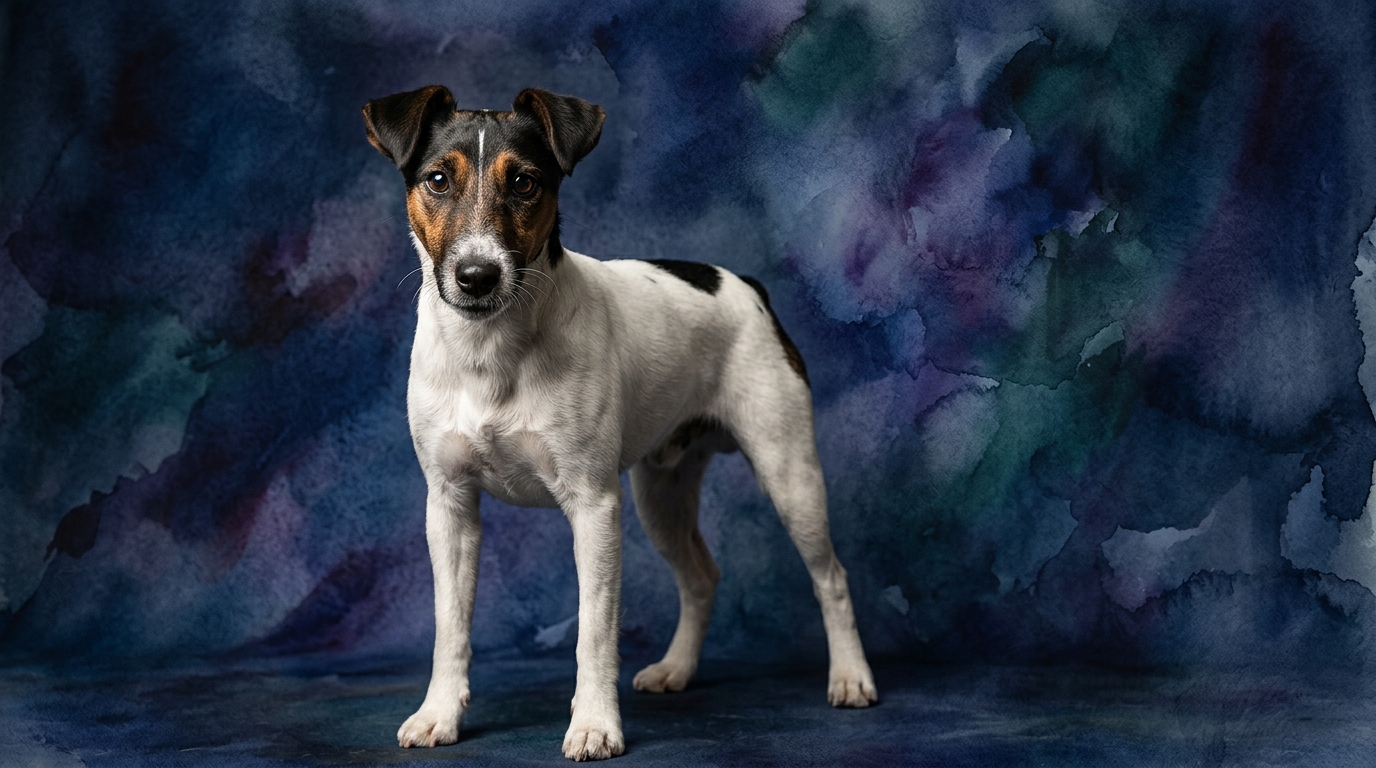
The Cosmic Pet Pet IQ Lab evaluates five key cognitive dimensions, and a direct comparison highlights the distinct mental landscapes of these two breeds. The Smooth Fox Terrier, a breed not ranked by Coren, presents a balanced yet tenacious profile across the board. Its Problem Solving score is 3/5, indicating an ability to navigate challenges with practical, often persistent methods, rather than complex deduction. Training Speed is also 3/5, suggesting a moderate pace of learning new commands, requiring consistency and patience from their human partners. Social Intelligence, at 3/5, means they can understand and respond to human cues, but perhaps with a degree of independent thought. Their Instinctive Drive, also 3/5, points to a moderate but present inclination towards their ancestral hunting behaviors, like chasing and digging. Finally, Memory stands at 3/5, meaning they retain learned behaviors and experiences adequately.
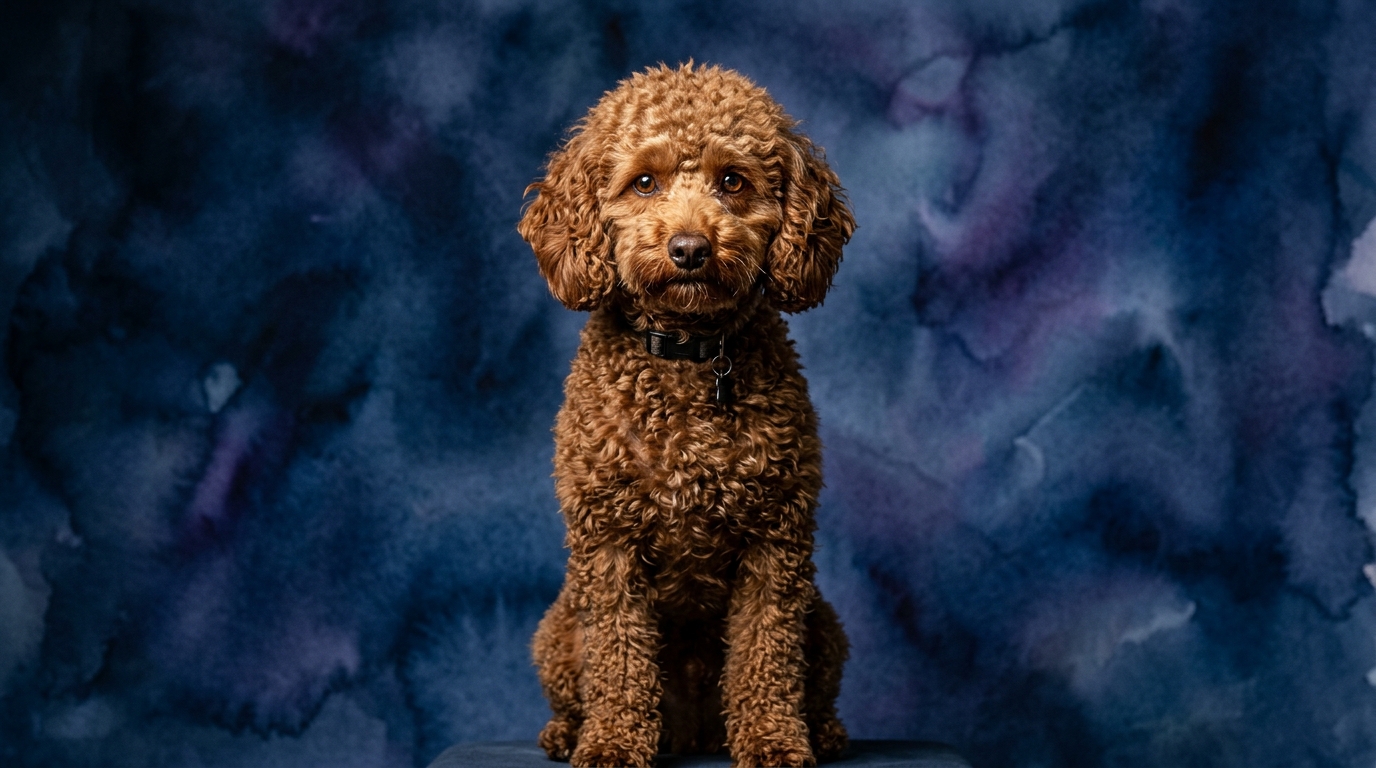
In contrast, the Miniature Poodle, famously ranked #2 by Coren, showcases a remarkable cognitive aptitude in several areas. Its Problem Solving score is an outstanding 5/5, reflecting a keen analytical mind capable of quickly assessing situations and devising effective solutions. Training Speed also reaches 5/5, indicating an exceptional capacity to grasp new commands and routines with minimal repetition. Social Intelligence is 3/5, similar to the Smooth Fox Terrier, implying a solid understanding of human interactions without necessarily being overly deferential. Instinctive Drive is also 3/5, reflecting a moderate, well-managed drive that can be channeled into various activities. However, its Memory is a superb 5/5, allowing it to recall a vast repertoire of commands, tricks, and past experiences with impressive accuracy and longevity.
Where the Smooth Fox Terrier Excels Cognitively
While its scores might appear modest next to the Poodle's peaks, the Smooth Fox Terrier's cognitive strengths lie in its tenacious independence and practical application of its instincts. Its 3/5 problem-solving isn't about complex abstract thought, but rather an unwavering determination to achieve its goal, often through physical means or persistent effort. For instance, if faced with a barrier, a Smooth Fox Terrier is more likely to dig under it, jump over it, or persistently try to find a weak spot, leveraging its physical prowess and resolve. This breed's moderate instinctive drive (3/5) is a well-integrated part of its problem-solving approach, making it particularly adept at tasks requiring focus and follow-through in a real-world, often dynamic environment, such as scent work or agility courses where quick, decisive action is valued over intricate planning.
Their 3/5 social intelligence, combined with their independent streak, means they are not easily swayed or intimidated, possessing a self-assuredness that can be valuable in certain situations. They process information through a filter of self-reliance, making them less prone to 'learned helplessness' and more inclined to try different approaches until they find one that works, even if it's not the one their human initially intended. This makes them excellent partners for those who appreciate a dog with a strong sense of self and an innate drive to explore and conquer.
Where the Miniature Poodle Excels Cognitively
The Miniature Poodle's cognitive superiority shines brightly in its exceptional problem-solving (5/5), rapid training speed (5/5), and outstanding memory (5/5). These traits combine to create a dog that is not only quick to learn but also deeply understands and retains complex information. A Poodle faced with a barrier might analyze its construction, look for a latch, or even attempt to manipulate a mechanism, demonstrating a higher level of abstract reasoning. They excel in environments that demand quick comprehension and precise execution, making them stars in competitive obedience, rally, and canine freestyle, where intricate sequences of commands must be performed flawlessly.
Their ability to absorb and recall a vast vocabulary of commands and cues means they can learn sophisticated routines and adapt to new instructions with remarkable ease. This isn't just about rote memorization; it's about connecting actions with consequences and understanding complex patterns. The Poodle's intellect allows it to not only perform tasks but often to anticipate what is expected, making them incredibly responsive and cooperative partners. This makes them particularly suited for service work or therapy roles where consistent, reliable performance and a calm, adaptable demeanor are paramount.
Which is Easier to Train and Why
Based on The Cosmic Pet Pet IQ Lab scores, the Miniature Poodle is demonstrably easier to train than the Smooth Fox Terrier, primarily due to its superior Training Speed (5/5 vs. 3/5) and Memory (5/5 vs. 3/5). Miniature Poodles grasp new concepts and commands with exceptional speed, often understanding what is expected after just a few repetitions. Their natural eagerness to please and keen analytical abilities mean they quickly form associations between cues and desired actions, and they retain this learning over long periods. This translates into a smoother, less frustrating training experience, allowing owners to progress to more advanced behaviors relatively quickly. For example, a Poodle might master 'stay' in a single session, while a Smooth Fox Terrier might require several, along with more creative reinforcement.
The Smooth Fox Terrier, with its 3/5 training speed, requires a more patient, consistent, and often creative approach. Their independent terrier nature means they are less inclined to blindly follow commands and more likely to question the immediate benefit of a task. While they are certainly capable of learning, their training often feels like a negotiation rather than a direct instruction. They may take longer to generalize commands to different environments and might test boundaries more frequently. For instance, teaching a reliable recall to a Smooth Fox Terrier might involve overcoming its strong prey drive and independent problem-solving (e.g., 'I know you want me to come, but that squirrel is right there!'), whereas a Poodle's excellent memory and responsiveness make recall a more straightforward endeavor.
Which Suits Active Owners vs. Relaxed Owners
The cognitive profiles of these two breeds also offer insights into their suitability for different owner lifestyles. The Smooth Fox Terrier, with its moderate instinctive drive (3/5) and tenacious problem-solving (3/5), thrives with active owners who enjoy engaging in structured activities like earthdog trials, agility, or extensive hiking. Their independent nature and moderate training speed mean they require an owner who is committed to consistent training and mental stimulation to prevent boredom and channeling their energy into unwanted behaviors. They need an outlet for their curiosity and physical prowess, making them ideal for individuals or families who embrace outdoor adventures and enjoy a dog with a spirited, self-reliant personality. A relaxed owner might find the Smooth Fox Terrier's drive and independence challenging to manage without sufficient engagement.
The Miniature Poodle, with its exceptional problem-solving (5/5), training speed (5/5), and memory (5/5), is incredibly versatile and can adapt well to a range of active and moderately relaxed owners, provided their minds are adequately stimulated. While they certainly benefit from physical activity, their primary need is for mental engagement. They excel in dog sports, learning tricks, or even just participating in complex puzzle games. Active owners will find them eager partners for any activity, from competitive obedience to long walks. However, even a more relaxed owner can enjoy a Miniature Poodle if they commit to regular mental challenges through training sessions, interactive toys, or simply teaching new commands. Their adaptability and eagerness to please make them amenable to various living situations, as long as their sharp minds are kept busy.
The Verdict
Choose the Smooth Fox Terrier if you appreciate a tenacious, independent canine partner for active pursuits and are prepared for consistent, patient training tailored to their spirited nature.
Opt for the Miniature Poodle if you seek a highly trainable, exceptionally responsive companion eager to learn complex tasks and thrive on mental stimulation, adaptable to various lifestyles.
🧠 Find Your Pet's IQ Score
Our Pet IQ Lab assessment covers 25+ tests across 5 cognitive dimensions — personalized to your breed.
Take the Full IQ Test →Frequently Asked Questions
How does the Smooth Fox Terrier's 'instinctive drive' manifest in daily life?
Its 3/5 instinctive drive means a Smooth Fox Terrier will likely show moderate interest in chasing small animals, digging, or exploring scents. Owners should provide outlets for these natural behaviors, such as supervised playtime in secure areas or engaging in 'find it' games, to prevent them from becoming problematic.
Can a Miniature Poodle learn complex tricks and routines easily?
Absolutely. With a 5/5 in both problem-solving and training speed, and a 5/5 memory, Miniature Poodles are exceptionally adept at learning and retaining complex sequences of tricks and routines. They thrive on the mental challenge and often enjoy showing off their learned behaviors.
Is the Coren ranking relevant when comparing these two breeds' IQ scores?
The Coren ranking, which places the Poodle at #2, aligns with The Cosmic Pet Pet IQ Lab's high scores for the Miniature Poodle in problem-solving, training speed, and memory. The Smooth Fox Terrier, not specifically Coren-ranked, presents a more balanced profile that highlights its practical, tenacious intelligence, rather than the Poodle's highly responsive, abstract learning capacity.