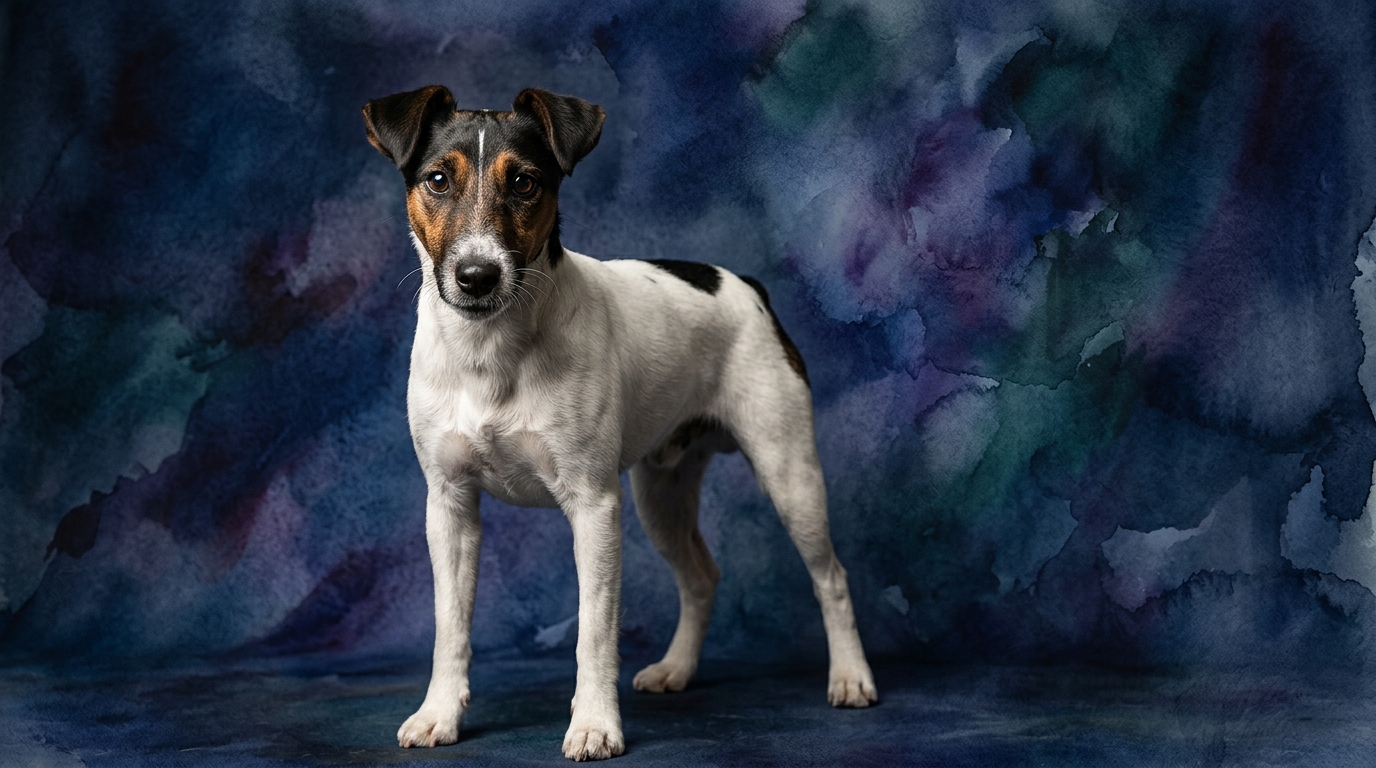
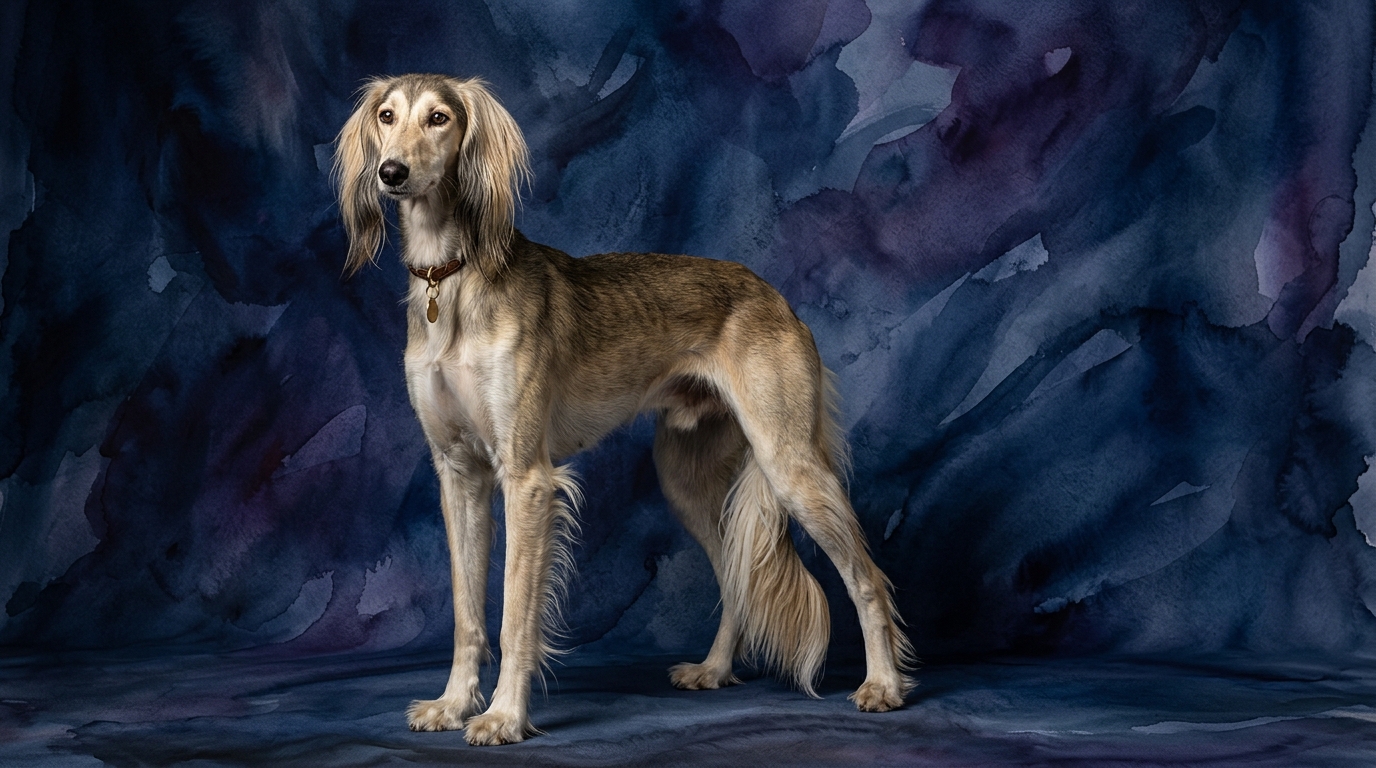
Side-by-Side IQ Profile
The Smooth Fox Terrier, a breed historically developed for flushing out small game, exhibits a distinct cognitive profile within its 3/5 ratings across the board. For Problem Solving (3/5), they are notably resourceful, often finding ingenious ways to overcome obstacles or access desired items through persistence and agility. Their Training Speed (3/5) is moderate; they grasp new commands quickly, but their independent streak and distractibility demand consistent, engaging, and varied training methods. In terms of Social Intelligence (3/5), Smooth Fox Terriers adeptly read human emotions and intentions, often using their charm or manipulation within their family unit. Their Instinctive Drive (3/5) is a powerful prey drive, fueling their natural inclination to chase, dig, and explore, making them highly alert to environmental stimuli. Finally, their Memory (3/5) is solid, remembering routines, commands, and past experiences, both positive and negative, which influences future interactions.
The Saluki, an ancient sighthound revered for its speed and grace, also holds consistent 3/5 ratings in The Cosmic Pet's IQ dimensions, yet their cognitive expression is markedly different. Their Problem Solving (3/5) is often characterized by a thoughtful, independent approach; they may observe a situation for a period before acting, finding the most efficient or comfortable solution with quiet strategy. Regarding Training Speed (3/5), Salukis are capable learners, understanding commands well, but their independent and sometimes aloof nature means compliance is often conditional, requiring patient, positive reinforcement and a strong bond. Their Social Intelligence (3/5) is refined and subtle; they form deep, often exclusive bonds with their chosen family members, exhibiting a sensitive understanding of human moods. The Instinctive Drive (3/5) of a Saluki is overwhelmingly focused on their sighthound heritage, an intense drive to chase anything that moves quickly, demonstrating incredible focus and endurance in pursuit. Their Memory (3/5) is also strong, remembering people, places, and routines, and they are known to hold long-lasting impressions of both positive and negative experiences.
Where Smooth Fox Terrier Wins Cognitively
Despite the identical numerical scores, the Smooth Fox Terrier's cognitive strengths shine in specific areas. Their resourcefulness in navigating complex or confined spaces is a standout; bred to go to ground after quarry, they possess an innate understanding of how to maneuver through tight spots, dig effectively, and overcome physical barriers. This translates into a problem-solving approach that is highly practical and persistent, often requiring agility. Furthermore, their historical role demanded adaptability to varied hunting scenarios, fostering a cognitive flexibility that allows them to switch between different types of mental engagement more readily, provided the activity is sufficiently stimulating. Finally, their quick-witted reactions to sudden environmental changes or stimuli are a distinct advantage, as their high alertness and energetic disposition mean they process and respond to dynamic situations with impressive speed, beneficial in interactive games or situations requiring immediate action.
Where Saluki Wins Cognitively
The Saluki's cognitive advantages, while equally rated 3/5, manifest in a more nuanced and often elegant manner. Their strategic observation and thoughtful approach to challenges are particularly noteworthy; Salukis often exhibit a calm, observant intelligence, assessing a situation from a distance before committing to an action, identifying the most efficient or least effortful solution. Their endurance in pursuit-related tasks is another clear cognitive win. Their sighthound heritage has wired their brains for sustained focus over long distances on a moving target, which isn't just physical stamina but a mental fortitude to maintain concentration on a singular, dynamic goal for extended periods, making them exceptional at activities like lure coursing. Moreover, their subtle communication and heightened sensitivity represent a refined social intelligence. Salukis excel at picking up on faint human emotional cues and intentions, responding to a quiet tone or a slight change in body language rather than needing overt commands, fostering a deep, intuitive bond with their chosen people.
Which Is Easier to Train and Why
Determining which breed is 'easier' to train is complex, as both present unique challenges rooted in their distinct behavioral profiles. The Smooth Fox Terrier can be challenging due to their independent, often mischievous nature and a relatively short attention span. While they grasp new commands quickly, their innate drive to explore, chase, and dig makes them highly susceptible to environmental distractions. A scent or a fleeting movement can easily override a command, making consistent recall particularly difficult in open, stimulating environments. Training requires high-energy, varied sessions to prevent boredom, and a constant rotation of engaging, positive reinforcement methods, as they are intelligent enough to understand what you want but may choose not to comply if something more enticing captures their attention.
The Saluki, on the other hand, presents a different set of training hurdles. Their independent and often aloof nature means they are not inherently driven by a strong desire to please in the same way some other breeds are. They understand commands and learn routines well, but their compliance is often conditional on their own assessment of the situation or their mood. Their powerful sighthound instinct means that once they spot something to chase, all other commands often become secondary, making off-leash reliability in unsecured areas a significant risk. Training a Saluki demands immense patience, gentle consistency, and the establishment of a strong, trusting relationship. Harsh training methods are particularly counterproductive, as Salukis are sensitive and will often shut down or become withdrawn if treated unkindly, making their already independent nature even more challenging to work with.
Which Suits Active Owners vs. Relaxed Owners
When considering an owner's lifestyle, both breeds lean towards active engagement, but their preferred types of activity differ significantly. The Smooth Fox Terrier unequivocally suits active owners who are prepared for a high-energy, constantly engaged companion. They require substantial daily exercise, not just a casual stroll, but vigorous play, long brisk walks, or dedicated training for activities like agility or earthdog trials. Their inquisitive and busy minds also demand consistent mental stimulation to prevent boredom, which can lead to destructive behaviors like excessive digging or chewing. Owners who enjoy an interactive, 'go-go-go' lifestyle and can provide varied experiences will find the Smooth Fox Terrier a delightful and spirited partner.
The Saluki also requires an active owner, but with a specific focus on providing outlets for their incredible running ability. While they are renowned for their speed and need regular opportunities to gallop at full tilt in a safe, securely fenced area, they are equally content to spend significant time relaxing indoors. They are not typically a breed that demands constant mental engagement throughout the day in the same way a terrier might. Owners who appreciate a dog that can explode into action for a high-intensity sprint, then settle gracefully on the couch for hours, are well-suited. They are not for owners who cannot provide safe, regular, and dedicated opportunities for them to stretch their legs and fulfill their sighthound instinct, as this is crucial for their physical and mental well-being.
The Verdict
Choose a Smooth Fox Terrier when seeking a spirited, tenacious, and highly interactive companion who thrives on variety, enjoys problem-solving challenges that involve agility and exploration, and can keep up with an active, engaging lifestyle, appreciating a dog with a bold personality and a mischievous spark.
Choose a Saluki when seeking an elegant, sensitive, and independent companion who values deep, quiet bonds, requires specific outlets for their incredible running ability, and can appreciate an owner who respects their reserved yet affectionate nature, valuing a dog with grace, dignity, and a profound inner calm.
🧠 Find Your Pet's IQ Score
Our Pet IQ Lab assessment covers 25+ tests across 5 cognitive dimensions — personalized to your breed.
Take the Full IQ Test →Frequently Asked Questions
Are Smooth Fox Terriers good apartment dogs?
While adaptable, their high energy, vocal nature, and strong digging instincts mean they are not ideal for small apartments without significant daily exercise and mental stimulation. They thrive with space to explore and consistent outdoor activity, making a yard beneficial for their well-being.
Do Salukis need a lot of grooming?
Salukis have a relatively low-maintenance coat, especially the smooth variety, requiring weekly brushing to remove loose hair and prevent matting in their feathering. Regular nail trims and ear checks are also important for their overall health and hygiene, but they aren't considered high-grooming dogs.
Which breed is generally better with children?
Both breeds can be good with respectful, older children who understand how to interact with dogs, but neither is typically recommended for very young children without close supervision. Smooth Fox Terriers can be boisterous and prone to nipping during play, while Salukis are more reserved and may prefer quieter interactions, potentially finding very young children overwhelming.