Side-by-Side IQ Profile
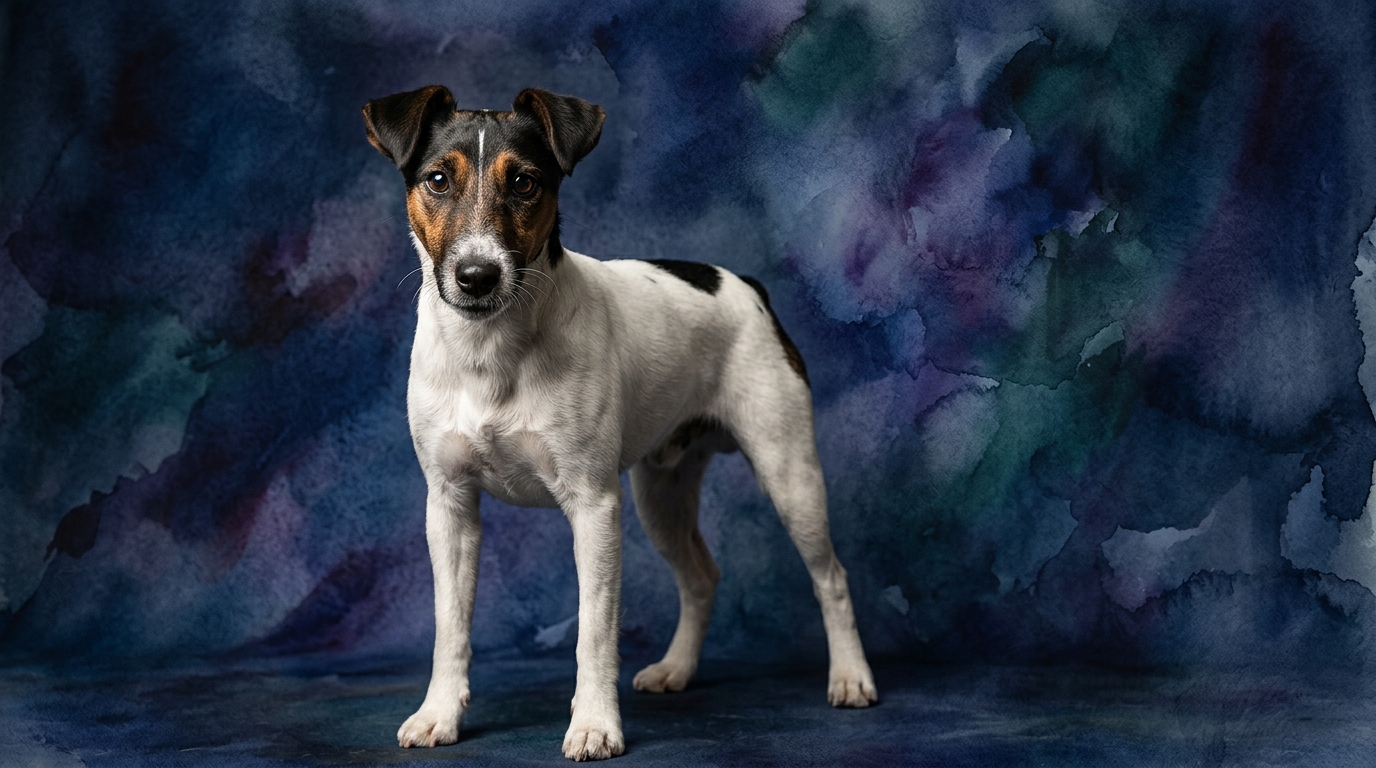
**Smooth Fox Terrier IQ Profile:**
**Problem Solving (3/5):** This breed demonstrates a moderate capacity for independent thought, often applying it to physical challenges like navigating complex outdoor environments or devising ways to access intriguing scents. Their problem-solving is practical and self-serving, rooted in their working background.
**Training Speed (3/5):** Smooth Fox Terriers grasp new commands moderately quickly, but their independent spirit demands consistent, engaging methods. Training success relies on stimulating their interest and clear leadership, rather than expecting eager, instant compliance.
**Social Intelligence (3/5):** They exhibit moderate social awareness, forming strong bonds within their family. Interactions with unfamiliar dogs or people can be reserved or assertive, reflecting their self-assured nature rather than a broad desire for universal camaraderie.
**Instinctive Drive (3/5):** Their moderate instinctive drive is deeply tied to vermin hunting, manifesting as a keen interest in chasing small objects, digging, and persistent focus on scents. This fundamental drive requires appropriate outlets.
**Memory (3/5):** Smooth Fox Terriers possess moderate memory, recalling commands, routines, and past experiences. Both positive and negative associations are retained, emphasizing the need for early socialization and consistent positive reinforcement.
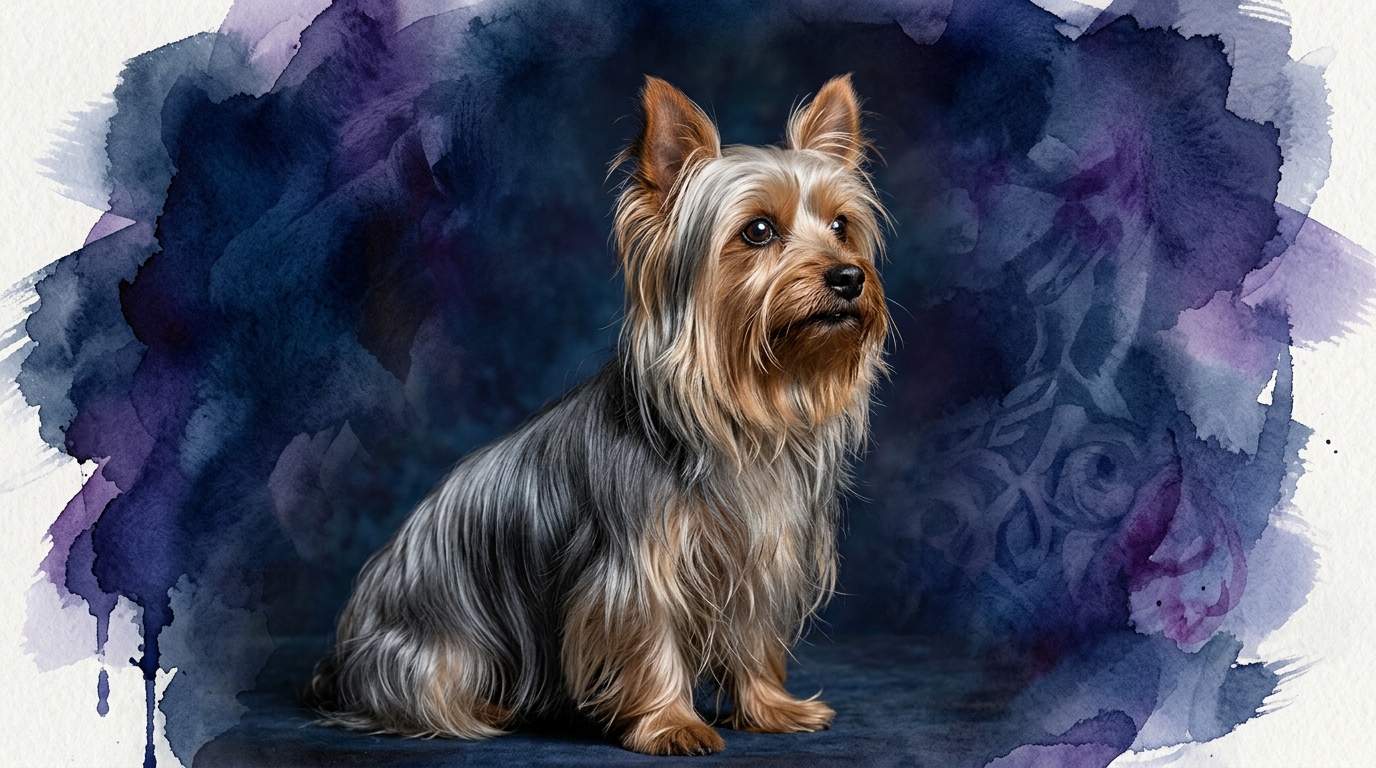
**Silky Terrier IQ Profile:**
**Problem Solving (3/5):** Silky Terriers also show a moderate ability to solve problems, often applied to navigating their home or achieving social outcomes, like getting attention or manipulating a puzzle feeder. Their problem-solving frequently involves understanding and influencing human behavior.
**Training Speed (3/5):** They learn at a moderate pace, mastering commands with patience and positive reinforcement. While eager to please, their terrier tenacity means they can be stubborn, so engaging their playful nature is key for effective training.
**Social Intelligence (3/5):** With moderate social intelligence, Silky Terriers form intensely loyal bonds within their family, sensitive to human emotions. Their small size and protective nature can lead to cautiousness or assertive displays towards strangers, reflecting their keen awareness of their surroundings.
**Instinctive Drive (3/5):** This breed's moderate instinctive drive retains its terrier heritage, manifesting as alertness, chasing small objects, and spirited vocal reactions to perceived intruders. This fuels their lively, watchful demeanor, making them vigilant household members.
**Memory (3/5):** Silky Terriers exhibit moderate memory, recalling training cues, routines, and favored item locations. They remember social dynamics well, making early and consistent positive experiences vital for shaping long-term behaviors and interactions.
Where Smooth Fox Terrier Wins Cognitively
Despite identical IQ scores, the Smooth Fox Terrier’s cognitive strengths are particularly evident in scenarios demanding robust independence and physical engagement. Their problem-solving (3/5) shines brightest when confronted with tangible, environmental challenges, such as determining the best route through underbrush or strategizing how to flush out a small burrowing animal. This is pragmatic, goal-oriented reasoning rooted in their working lineage. Their instinctive drive (3/5) is less about general alertness and more about focused, persistent pursuit, indicating a specialized cognitive pathway for tasks requiring sustained predatory engagement and physical grit. This breed displays mental resilience in overcoming physical obstacles that might deter a less driven canine.
Where Silky Terrier Wins Cognitively
The Silky Terrier, while sharing the same cognitive benchmarks, often demonstrates a nuanced advantage in areas centered around domestic interaction and social manipulation. Their problem-solving (3/5) frequently manifests as an astute ability to "work" their human family, understanding routines and how to elicit desired responses like extra treats. This involves keen observation of human behavior and clever adaptation. Their social intelligence (3/5) appears more finely tuned to the subtleties of household dynamics, showing heightened sensitivity to owner moods and a capacity for intensely personal, deeply bonded relationships, reflecting a specialized cognitive strength in companion roles.
Which is Easier to Train and Why
Both breeds are rated 3/5 for Training Speed, indicating a moderate learning curve, but real-world behavioral differences offer distinct training experiences. The Smooth Fox Terrier, with its deep-seated instinctive drive (3/5) for hunting and an independent streak, often requires a trainer to be particularly engaging and consistent to overcome distractions and self-reliance. Their training can feel like a negotiation, demanding creative methods to channel their prey drive and persistent focus. In contrast, the Silky Terrier, while also possessing terrier tenacity, often has a stronger intrinsic motivation to please its primary human companions, leveraging its social intelligence (3/5). While they can still be stubborn, their desire for attention and affection can be a powerful training tool, often making them more responsive in a home environment where the goal is companionship and family integration, provided training is kept fun and stimulating.
Which Suits Active Owners vs. Relaxed Owners
The Smooth Fox Terrier is unequivocally better suited for active owners. Their robust instinctive drive (3/5) and need for problem-solving (3/5) through exploration mean they thrive on daily, vigorous exercise and mental challenges that go beyond a simple walk around the block. Owners who enjoy hiking, dog sports, or have a secure property for extensive outdoor play will find their energy and curiosity well-matched. A relaxed owner might struggle to provide the necessary outlets, potentially leading to boredom-induced behaviors. The Silky Terrier, while energetic for its size, can adapt to a slightly more relaxed owner, provided they receive consistent daily walks and ample indoor play. Their social intelligence (3/5) means they enjoy being involved in family activities, and their mental stimulation can often come from interacting with their people and engaging with puzzle toys. While they appreciate activity, they don't demand the same intense, outdoor-focused regimen as their Smooth Fox Terrier cousins, making them a more adaptable choice for those who prefer a mix of activity and quiet companionship.
The Verdict
Choose the Smooth Fox Terrier if you are an active individual or family seeking a robust, independent companion for outdoor adventures and enjoy engaging with a dog whose intelligence is geared towards practical, physical challenges.
Opt for the Silky Terrier if you desire a lively, affectionate companion who thrives on close family interaction and whose cleverness is best observed in their domestic adaptability and social engagement within the home.
🧠 Find Your Pet's IQ Score
Our Pet IQ Lab assessment covers 25+ tests across 5 cognitive dimensions — personalized to your breed.
Take the Full IQ Test →Frequently Asked Questions
Do Smooth Fox Terriers and Silky Terriers bark a lot?
Both breeds can be quite vocal, reflecting their terrier heritage and alert natures. Smooth Fox Terriers might bark at perceived intruders or while on a scent, while Silky Terriers often use their voice to express excitement, demand attention, or alert their family to sounds, though individual tendencies vary.
Are these breeds good with children?
Both breeds can be good with respectful, older children who understand how to interact with dogs, especially if raised together. However, due to their terrier exuberance and potential for assertive play, close supervision is always recommended, particularly with very young children who might not recognize a dog's boundaries.
What kind of mental stimulation do these breeds need?
Both require consistent mental engagement. Smooth Fox Terriers benefit from scent work, agility, and problem-solving toys that tap into their hunting instincts, while Silky Terriers enjoy interactive games, learning new tricks, and puzzle feeders that leverage their social cleverness and desire for attention.