Side-by-Side Cognitive Profile: Unpacking Identical Scores
On paper, both the Soft Coated Wheaten Terrier and the Löwchen register a consistent 3/5 across all five cognitive dimensions: Problem Solving, Training Speed, Social Intelligence, Instinctive Drive, and Memory. This parity suggests a moderate, well-rounded cognitive capacity for both breeds, yet their unique ancestries shape how these capacities are expressed.
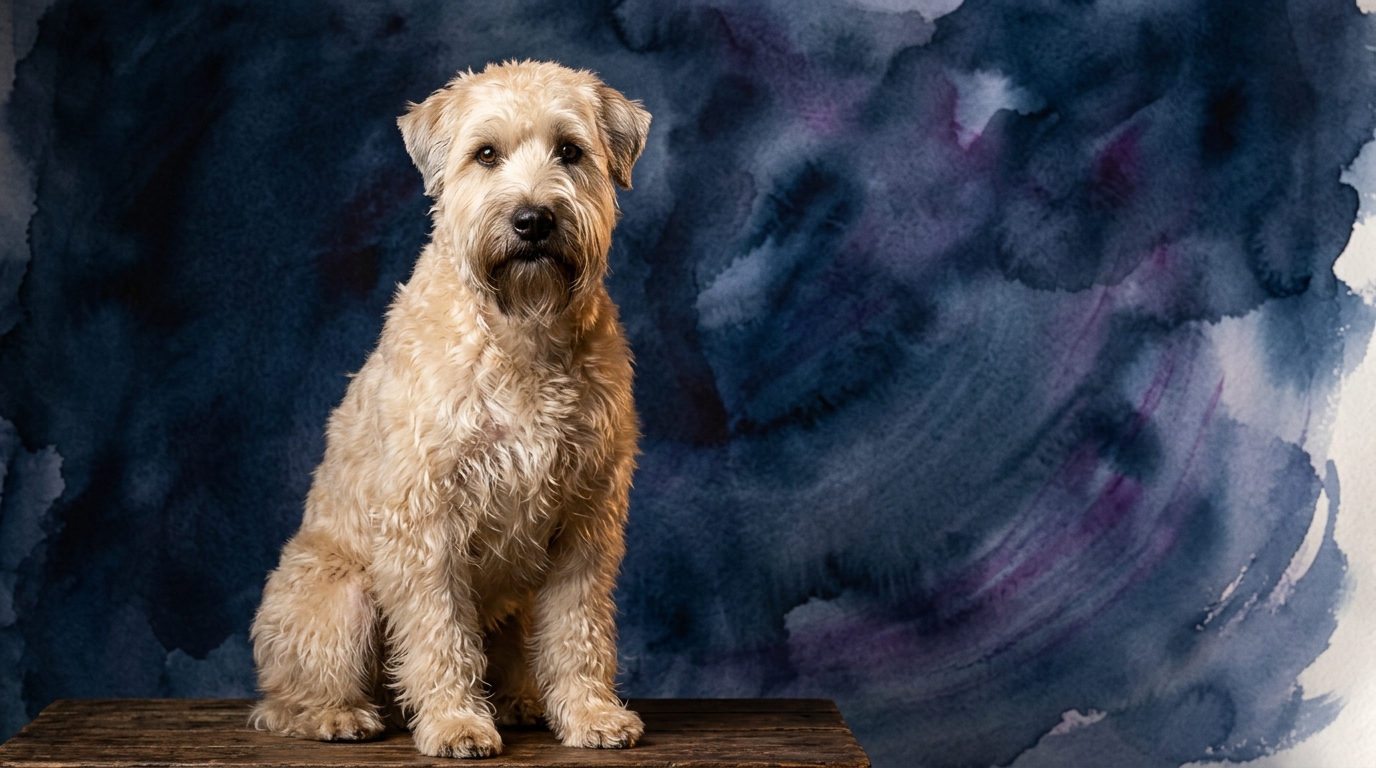
The Soft Coated Wheaten Terrier (SCWT) approaches Problem Solving (3/5) with characteristic terrier tenacity, often engaging in persistent, trial-and-error attempts to achieve a goal, such as retrieving a toy or navigating a familiar obstacle. Their independent nature often means they'll try to solve things their way first. In terms of Training Speed (3/5), Wheatens absorb commands at a moderate pace, but their spirited independence means their compliance can be selective, requiring consistent, positive reinforcement. Their Social Intelligence (3/5) manifests as general outgoingness and friendly exuberance, forming strong family bonds, though they might not always register subtle human emotional nuances as quickly as some more sensitive breeds. Their Instinctive Drive (3/5) is moderate, rooted in their farm dog origins, showing as a desire to chase small animals, explore scents, or dig. Finally, their Memory (3/5) is reliable for routines, commands, and loved ones, retaining information most relevant to their daily lives and interactions.
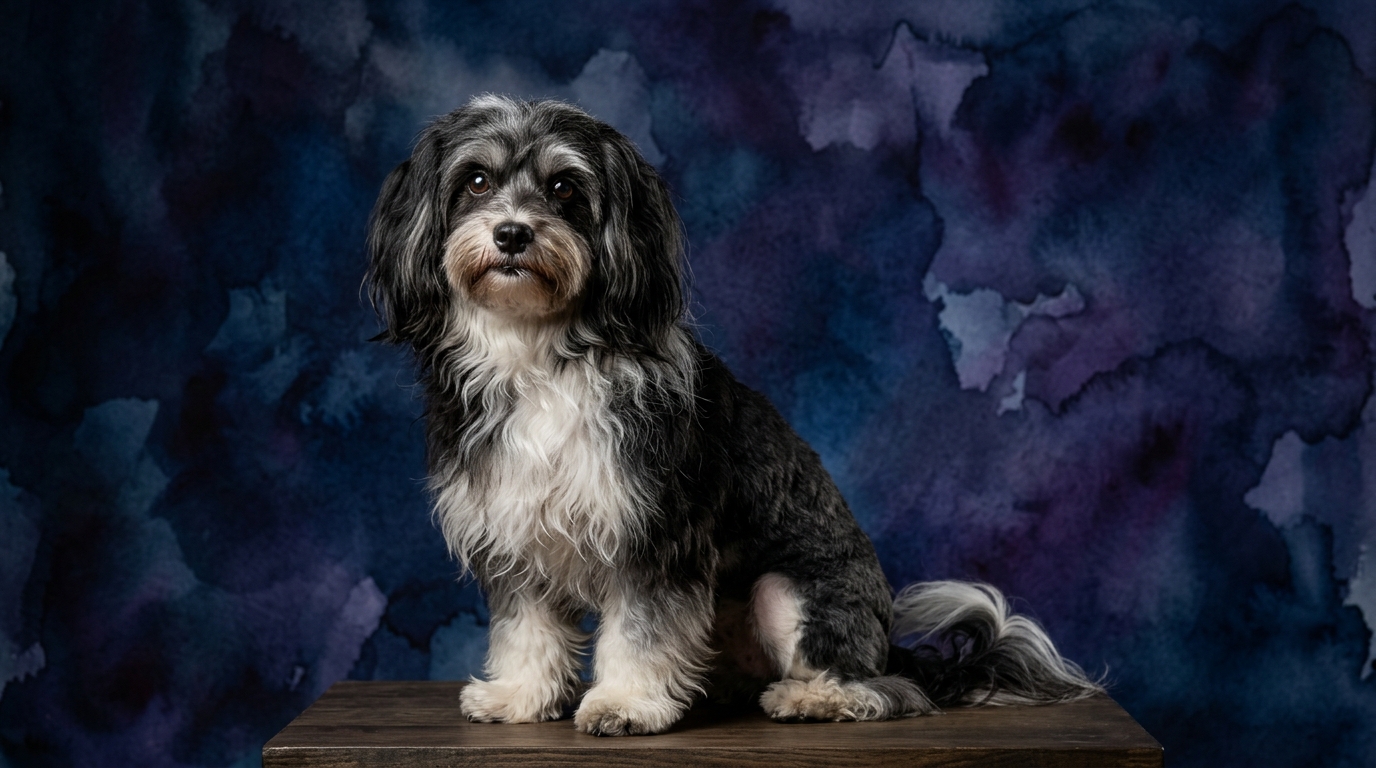
The Löwchen, or 'Little Lion Dog,' demonstrates Problem Solving (3/5) through a cleverness often tied to their companion role, figuring out how to get attention or manipulate toys with playful ingenuity that serves their desire for interaction. Their solutions are frequently social or comfort-driven. For Training Speed (3/5), Löwchens are typically eager to please, making them quite receptive to learning new commands at a moderate pace, thriving on positive, gentle guidance. Their Social Intelligence (3/5) truly shines; they excel in connection, displaying charming attentiveness to family members and adeptly picking up on household dynamics, using expressive body language and vocalizations. Their Instinctive Drive (3/5) is also moderate, manifesting as playful curiosity and a strong desire for engagement with their people rather than intense prey drive. Their Memory (3/5) is robust for daily routines, familiar faces, and the location of favorite items, retaining complex sequences if practiced regularly, especially those tied to their social world.
Where the Soft Coated Wheaten Terrier Shines Cognitively
The Wheaten's cognitive strengths often lie in their independent processing and resilience when faced with environmental challenges. While both breeds score 3/5 in problem-solving, the Wheaten's terrier heritage means they are more inclined to tackle physical or spatial problems autonomously. For instance, a Wheaten might more readily devise a novel way to bypass a barrier to investigate an interesting scent in the yard, relying on their own initiative rather than waiting for human direction or seeking social cues. Their moderate instinctive drive (3/5), coupled with this independent problem-solving approach, gives them an edge in scenarios requiring self-directed exploration and persistent effort without immediate human feedback. They possess a certain mental toughness, allowing them to continue trying different approaches to a task, whether it's unearthing a buried treasure or navigating a tricky patch of terrain, where a Löwchen might seek human assistance or lose interest if the solution isn't immediately obvious or socially rewarding. This self-reliance in navigating their physical world is a subtle but distinct cognitive advantage.
Where the Löwchen Excels Cognitively
The Löwchen's cognitive strengths shine particularly brightly in their nuanced social engagement and ability to integrate into human family life. While both breeds score 3/5 in social intelligence, the Löwchen's companion-bred history means their social processing is often more attuned to subtle human cues and emotional states. A Löwchen might more quickly adjust its behavior based on a slight change in an owner's tone or body language, demonstrating a refined capacity for social responsiveness. Their problem-solving (3/5) often manifests in socially clever ways, like finding inventive methods to solicit attention or comfort from their family, rather than purely environmental challenges. This breed's moderate instinctive drive (3/5) is largely channeled into playful interaction and seeking companionship, making them exceptionally skilled at reading and responding to their human's desire for engagement. Their cognitive framework is inherently geared towards fostering and maintaining strong, responsive social bonds, making them particularly adept at navigating the complexities of household dynamics and personal relationships.
Training Dynamics: Which is Easier and Why
When considering ease of training, the Löwchen often presents a slightly more straightforward path for the average owner, primarily due to their intrinsic motivation and temperament. Löwchens, with their companion background, generally possess a strong desire to please their people (Training Speed 3/5). This eagerness translates into a dog that is typically more cooperative and receptive to guidance, provided the training methods are positive and gentle. They can be sensitive, meaning harsh corrections are counterproductive, but their willingness to engage and work with their human makes them responsive to consistent, reward-based techniques. Their social intelligence (3/5) also plays a role, as they are often keen to understand and adapt to human expectations to maintain harmony and receive affection.
The Soft Coated Wheaten Terrier, while equally capable of learning (Training Speed 3/5), brings a more independent and sometimes boisterous terrier spirit to the training arena. Their problem-solving (3/5) often means they'll try to figure things out for themselves, which can sometimes be interpreted as stubbornness. They understand commands but might choose to assess if compliance aligns with their current interest or immediate reward. Their moderate instinctive drive (3/5), which includes a tendency to explore and chase, can also be a significant distraction. Training a Wheaten requires more patience, consistency, and a strong sense of humor from the owner, focusing on making training fun and rewarding enough to capture their independent attention. Therefore, while both learn, the Löwchen's approach to learning is generally less challenging for a novice trainer seeking consistent cooperation.
Matching Owners: Active vs. Relaxed Lifestyles
The choice between these two breeds for active versus relaxed owners hinges on their inherent energy levels and how their cognitive drives manifest. The Soft Coated Wheaten Terrier, with its terrier lineage and moderate instinctive drive (3/5) for exploration and activity, is generally better suited for active owners. They thrive when given opportunities for vigorous exercise, such as long walks, structured play sessions, or even dog sports like agility. Their independent problem-solving (3/5) also benefits from mentally stimulating activities that allow them to use their brains to figure things out, preventing boredom which can lead to undesirable behaviors. Owners who enjoy a dynamic lifestyle and can dedicate time to both physical activity and engaging their dog's curious mind will find a Wheaten a rewarding companion.
The Löwchen, while certainly not a sedentary breed, tends to be more adaptable to a range of owner activity levels, making them a good fit for both active and moderately relaxed owners. Their moderate instinctive drive (3/5) is often satisfied with regular walks and engaging playtime, but they don't typically demand the same intensity or duration of physical exertion as a Wheaten. Their social intelligence (3/5) and desire for companionship mean they are content to be involved in whatever their family is doing, whether it's a stroll in the park or a quiet evening at home. For owners who appreciate mental engagement through tricks and interactive games but don't necessarily want a dog that requires extensive outdoor adventures daily, the Löwchen's adaptable nature and strong social bond will be a better match. They are active enough to enjoy adventures but equally content to be a charming presence indoors.
The Verdict
Choose the Soft Coated Wheaten Terrier if you seek an enthusiastic, independent companion for an active lifestyle, who will consistently engage with their environment and enjoy problem-solving challenges with terrier tenacity.
Opt for the Löwchen if you prefer an adaptable, charming companion who thrives on close social interaction and playful engagement, fitting seamlessly into various activity levels while always seeking to please their family.
🧠 Find Your Pet's IQ Score
Our Pet IQ Lab assessment covers 25+ tests across 5 cognitive dimensions — personalized to your breed.
Take the Full IQ Test →Frequently Asked Questions
Do Soft Coated Wheaten Terriers bark a lot?
Wheatens can be vocal, using barks to alert their family to new sights or sounds, or to express excitement. Consistent training from a young age can help manage their tendency to communicate vocally, teaching them when it's appropriate to quiet down.
Are Löwchens good with children?
Löwchens generally possess a cheerful and playful disposition, making them suitable companions for respectful children. Their social nature means they enjoy interaction, but as with all breeds, supervision is essential to ensure positive interactions for both the dog and the child.
Which breed requires more grooming?
Both breeds require regular grooming to maintain their coats. The Soft Coated Wheaten Terrier needs consistent brushing to prevent matting, while the Löwchen's longer coat also requires frequent brushing and professional grooming every few months to maintain its characteristic 'lion cut.'