
Side-by-Side IQ Profile: Unpacking Identical Scores
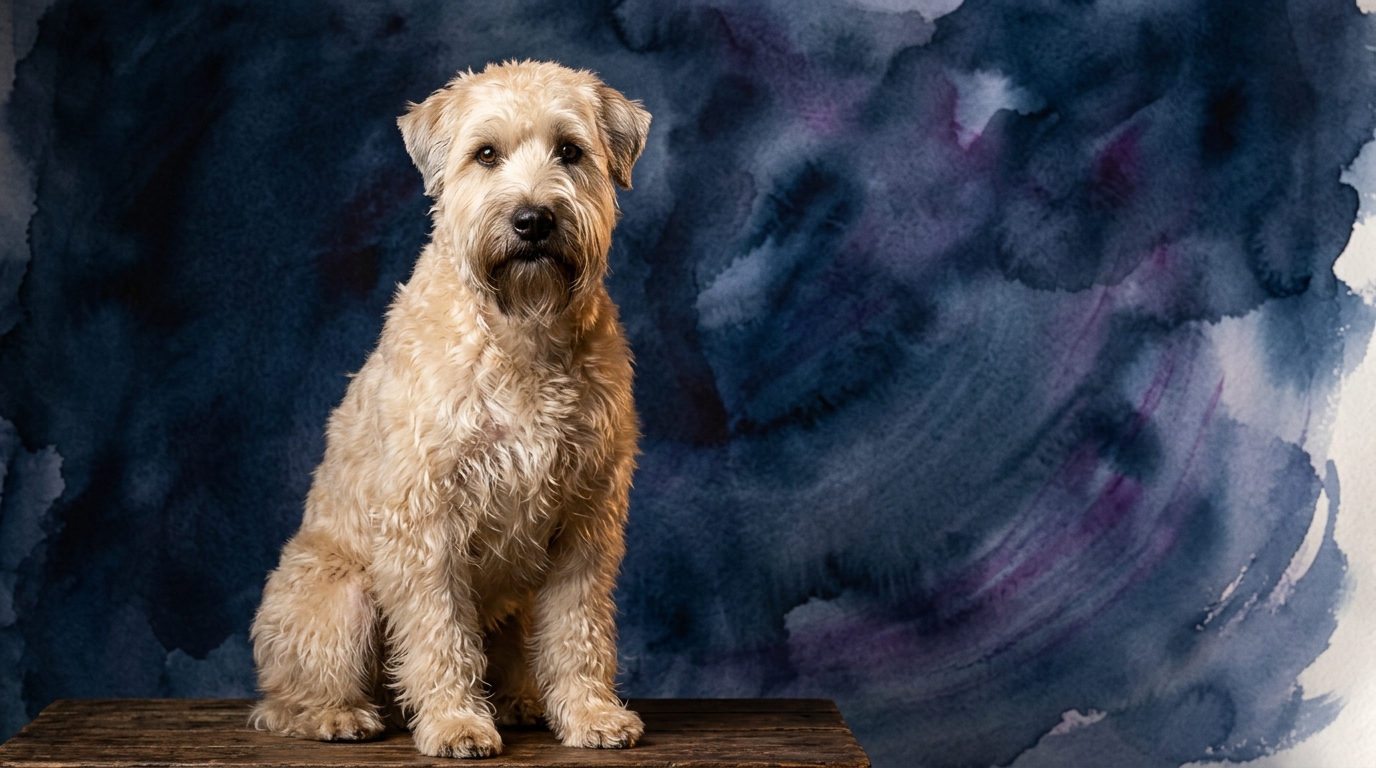
At first glance, the Soft Coated Wheaten Terrier and the Redbone Coonhound appear to be cognitive mirror images, each scoring 3 out of 5 across all five dimensions of our Pet IQ Lab assessment. However, these identical scores don't imply identical mental processes; rather, they reflect a similar *level* of cognitive ability applied through very different lenses of instinct and motivation. Understanding these nuances is crucial for appreciating their individual strengths.
For Problem Solving (3/5), a Wheaten Terrier typically demonstrates this ability through independent thought and a tenacious approach to overcoming obstacles, often with a mischievous streak. They might figure out how to open a cabinet to access a treat or creatively solicit attention. A Redbone Coonhound, conversely, applies its problem-solving acumen primarily to scent-related challenges. This could involve navigating complex terrain to follow a faint trail, determining the most efficient path to a target scent, or discerning between multiple conflicting smells in a dense forest environment. Their solutions are often rooted in their primary drive.
In Training Speed (3/5), both breeds are capable learners, but their willingness and focus differ. The Wheaten Terrier, with its terrier independence, learns quickly when motivated by positive reinforcement and engaging methods, yet can also quickly decide if a command is worth their immediate effort. Their learning curve is generally steady but can be punctuated by bursts of determined self-interest. The Redbone Coonhound also learns at a commendable pace, particularly when the training incorporates scent work or high-value rewards. However, their single-minded focus on a compelling scent can make them momentarily deaf to commands, requiring consistent and patient reinforcement to build reliable responsiveness.
Social Intelligence (3/5) manifests uniquely in each. The Soft Coated Wheaten Terrier typically exhibits a lively and engaging social awareness, attuned to family dynamics and human moods, often seeking to be an integral part of household activities. They can read cues for play, comfort, or mischief with a charming perceptiveness. The Redbone Coonhound's social intelligence often centers around cooperative interaction, particularly within a 'pack' or with their human handler during a task. They understand their role in a hunting partnership, responding to signals and working alongside others, though their focus might shift away from social niceties when a strong scent is present.
Instinctive Drive (3/5) is where the most significant divergence lies, despite the identical score. For the Wheaten Terrier, this score reflects a persistent prey drive typical of terriers, manifesting as an eagerness to chase small critters, dig enthusiastically, and engage in spirited, interactive play. Their drive is often directed towards personal satisfaction and immediate gratification. The Redbone Coonhound's 3/5 instinctive drive is almost entirely dominated by their extraordinary olfactory capabilities and an unrelenting desire to track. This drive is not just strong; it's a fundamental part of their being, compelling them to follow a scent trail for hours, demonstrating immense endurance and focus on a sustained task rather than short bursts of activity.
Where the Soft Coated Wheaten Terrier Wins Cognitively
The Soft Coated Wheaten Terrier often demonstrates a cognitive edge in adaptability to varied domestic environments and nuanced social interactions within a family setting. Their problem-solving, while rated similarly, tends to be more broadly applied to everyday household challenges and human-centric puzzles. A Wheaten is often quicker to devise strategies to 'work' their owners for attention or treats, displaying a charming cunning that speaks to their independent thinking. Their social intelligence allows them to seamlessly integrate into diverse family dynamics, often becoming adept at reading and responding to the emotional states of multiple household members, making them feel like a more 'conversational' companion in a multi-faceted home life. They excel at engaging in a wider variety of interactive games that require quick thinking and responsiveness to human cues.
Where the Redbone Coonhound Wins Cognitively
The Redbone Coonhound's cognitive strengths are profoundly tied to their specialized purpose, particularly in sustained focus and sensory discrimination. While their general problem-solving might score the same, their application of it in scent tracking is unparalleled; they excel at complex sensory analysis, filtering out irrelevant smells to concentrate on a specific quarry. Their memory (3/5) is particularly strong for scent trails and geographical layouts encountered during hunts, allowing them to retrace steps or remember productive areas. This breed demonstrates a superior capacity for sustained mental engagement on a single, long-term task, which is a unique cognitive advantage. Their instinctive drive, while rated identically, translates into an unwavering determination and endurance that few breeds can match when pursuing a goal related to their olfactory senses, making them exceptional at tasks requiring prolonged, focused effort in the field.
Which is Easier to Train and Why
Determining which breed is 'easier' to train is less about raw learning capacity (both score 3/5 in Training Speed) and more about managing their intrinsic motivations and potential distractions. The Soft Coated Wheaten Terrier can be trained effectively with consistency and positive reinforcement, often responding well to varied methods. However, their terrier independence means they can be stubborn and may choose to ignore commands if they perceive a more interesting alternative, requiring trainers to be engaging and persuasive. Their training challenges often stem from their spirited nature and occasional selective hearing.
The Redbone Coonhound, conversely, can be incredibly focused when motivated by scent work or food, making them eager to learn tasks aligned with their natural drives. The primary challenge lies in their overwhelming instinctive drive for scent; once on a trail, their recall can become severely compromised, and they may become oblivious to human commands. Training a Redbone requires exceptionally strong foundational recall work and management of their environment to prevent them from becoming 'nose-blind' to their owner. Therefore, while both learn well, the Wheaten might be easier in a general pet context due to fewer overpowering instinctual distractions, whereas the Redbone requires a more specialized approach to channel and manage their potent drives.
Which Suits Active Owners vs. Relaxed Owners
For active owners, both breeds can be excellent companions, but their activity needs diverge significantly. An active owner who enjoys varied outdoor activities, interactive play, and wants a dog involved in diverse family pursuits might find the Soft Coated Wheaten Terrier a better fit. Wheatens thrive on mental engagement alongside physical exercise, enjoying agility, obedience, and being a lively participant in family life. They adapt well to different types of activity, from brisk walks to playful romps in the yard, and appreciate consistent social interaction.
A truly relaxed owner will likely find neither breed suitable without significant commitment. However, if 'active' for an owner means long, sustained outdoor adventures focused on exploration and scent work, the Redbone Coonhound is an ideal match. They require substantial daily exercise, preferably opportunities to use their incredible nose on long walks, hikes, or dedicated scent games. For owners who are less inclined towards structured dog activities and prefer a quieter indoor life, the Redbone's powerful need to explore and track will lead to frustration for both dog and owner. The Wheaten, while still energetic, is more adaptable to a varied activity schedule than the Redbone's singular, intense drive.
The Verdict
Choose the Soft Coated Wheaten Terrier if you seek a spirited, adaptable companion who thrives on varied interaction and integrates seamlessly into a bustling family life, appreciating their independent charm.
Opt for the Redbone Coonhound if you are an active individual or family passionate about outdoor exploration and can provide consistent, extensive opportunities for them to engage their powerful scent drive and remarkable endurance.
🧠 Find Your Pet's IQ Score
Our Pet IQ Lab assessment covers 25+ tests across 5 cognitive dimensions — personalized to your breed.
Take the Full IQ Test →Frequently Asked Questions
Do Soft Coated Wheaten Terriers make good family pets?
Yes, Wheaten Terriers typically excel as family pets due to their social intelligence and playful nature. They are generally good with children and other pets when properly socialized, thriving on being an integral part of household activities and engaging in interactive play.
How much exercise does a Redbone Coonhound need daily?
Redbone Coonhounds require a significant amount of daily exercise, typically an hour or more of vigorous activity, often involving opportunities to use their nose. Long walks, hikes, or supervised off-leash time in a secure area are essential to satisfy their strong instinctive drive and prevent boredom.
Are Soft Coated Wheaten Terriers difficult to train because of their terrier nature?
While Soft Coated Wheaten Terriers score 3/5 in training speed, their terrier independence can present a challenge, requiring consistent, positive reinforcement methods. They are capable learners but can be stubborn, meaning trainers need patience and engaging techniques to keep them motivated and focused.