Side-by-Side Cognitive Profiles
The Cosmic Pet Pet IQ Lab evaluates canine intelligence across five key dimensions, offering a nuanced understanding beyond simple obedience. Let's examine how the Spanish Water Dog and the American Staffordshire Terrier stack up.
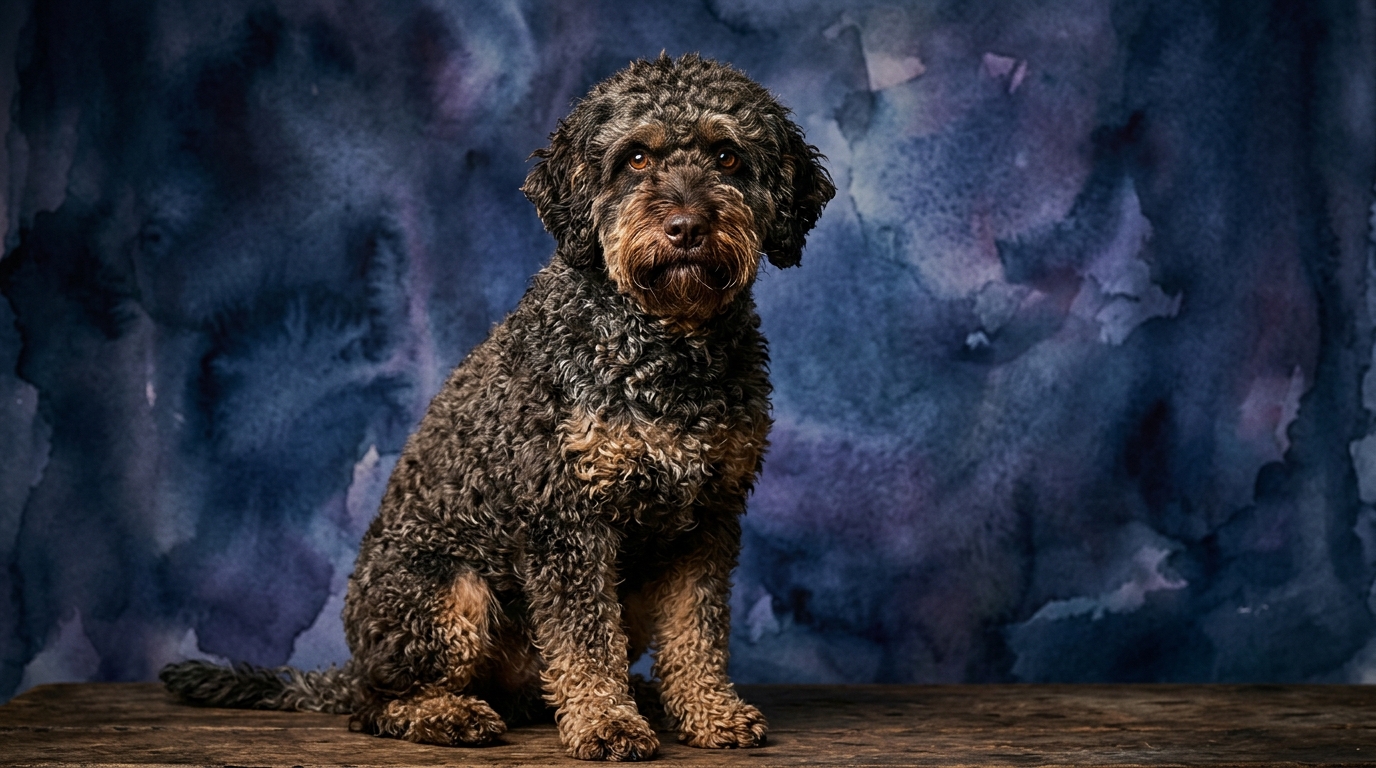
The Spanish Water Dog, a herding breed, demonstrates a balanced cognitive profile. Their Problem Solving is rated 3/5, reflecting their capacity to adapt to varied environmental challenges and make independent decisions in herding situations. Training Speed is also 3/5; they are capable learners but their independent nature means engagement is key. Social Intelligence sits at 3/5, indicating strong bonds with their family but a reserved demeanor with strangers. Their Instinctive Drive, rated 3/5, encompasses their herding aptitude and natural affinity for water work. Finally, their Memory is 3/5, allowing them to retain commands and routines effectively.
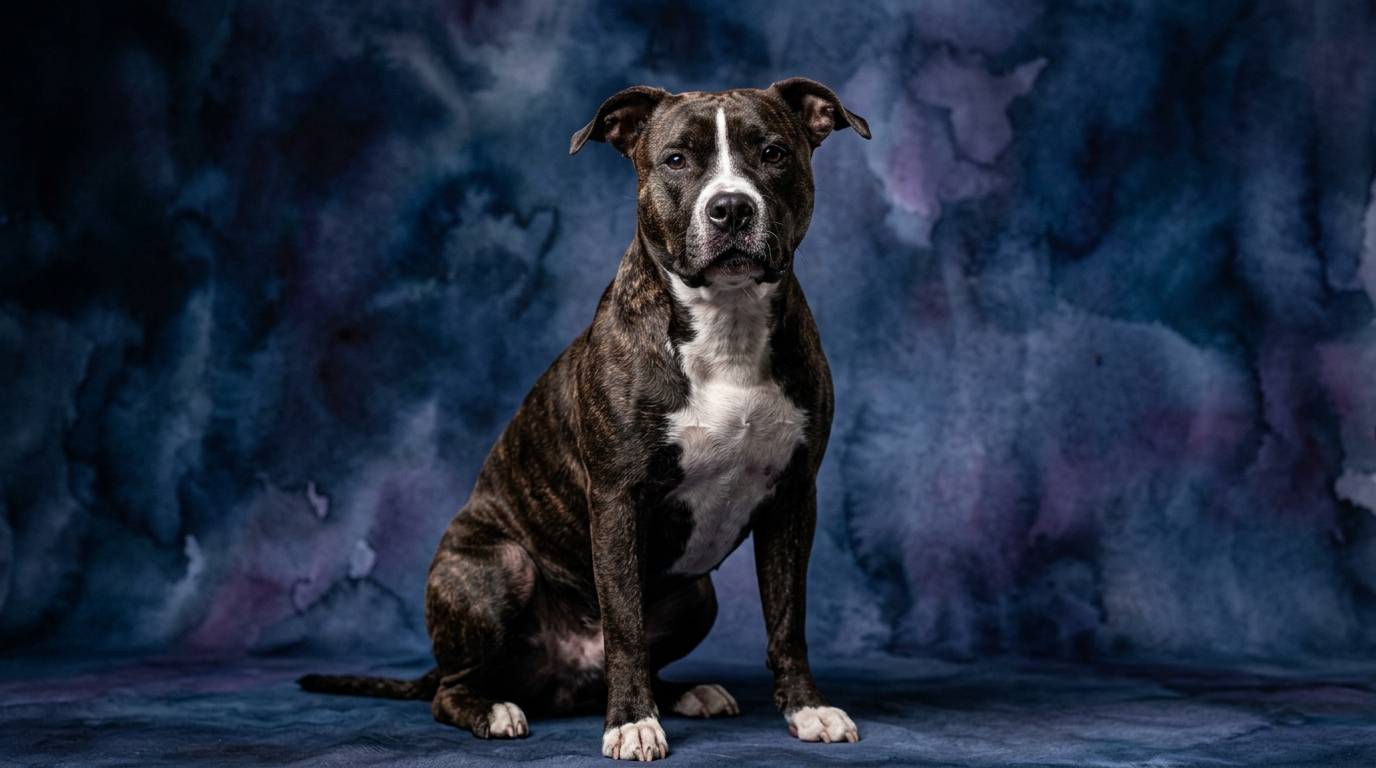
The American Staffordshire Terrier, a terrier breed, also presents a robust cognitive makeup, notably recognized by its Coren rank of #48. Their Problem Solving is 3/5, reflecting a determined approach to tasks and a capacity for creative solutions when motivated. Training Speed is 3/5; they are generally eager to please but possess a strong will that requires consistent guidance. Social Intelligence is 3/5, highlighting their deep loyalty to family and potential for cordial interactions with others when well-socialized. Instinctive Drive is 3/5, manifesting as tenacity, a moderate prey drive, and protective instincts. A standout feature for the AmStaff is their Memory, rated 4/5, indicating an excellent capacity for retaining lessons, experiences, and routines over time.
Where the Spanish Water Dog Wins Cognitively
The Spanish Water Dog's cognitive strengths often lie in their adaptability and independent problem-solving within dynamic, open environments. Their historical role as a multi-purpose farm dog means they excel at assessing and reacting to varied stimuli without constant human direction. This translates to an ability to navigate complex outdoor scenarios, whether it's finding a lost toy in tall grass or figuring out how to retrieve an object from water. Their moderate instinctive drive, compared to some breeds with more intense prey or guarding instincts, can sometimes allow for broader situational awareness, making them adept at processing multiple environmental cues simultaneously. Their inherent water aptitude also suggests a unique cognitive processing ability specifically tailored to aquatic tasks and challenges.
Where the American Staffordshire Terrier Wins Cognitively
The American Staffordshire Terrier's superior memory, rated 4/5, is a significant cognitive advantage. This means they not only learn quickly but also retain those lessons, both positive and negative, with impressive fidelity. This strong memory underpins their ability to master complex command sequences and remember specific routines. Coupled with their inherent tenacity and resolve in problem-solving (3/5), an AmStaff will often persist at a task until successful, leveraging their memory of past attempts. Their strong social intelligence, while rated similarly to the SWD, manifests as profound devotion to their family, which can translate into a powerful desire to please specific individuals, making them highly motivated learners when engaged with their chosen person.
Which Is Easier to Train and Why
When it comes to training ease, both breeds present unique considerations, despite their identical 3/5 Training Speed rating. The Spanish Water Dog's herding background fosters a degree of independence; they are capable of learning, but their strong will means training must be consistently engaging and motivational to prevent boredom or disinterest. They respond best to positive reinforcement and varied activities, as repetitive drills might not hold their attention. Their problem-solving skills mean they can be creative in finding ways to get what they want, so owners need to be equally creative in their training approaches and boundary setting.
The American Staffordshire Terrier, while also possessing a strong will, often appears easier to train for specific obedience commands due to their impressive 4/5 memory and profound family devotion. Once an AmStaff understands a command and associates it with pleasing their owner, they tend to retain it exceptionally well. However, their physical strength and tenacity mean that any undesirable behaviors learned are also deeply ingrained, requiring diligent correction and consistent management. Early and comprehensive socialization is paramount for the AmStaff to channel their instinctive drives appropriately and ensure they are well-adjusted to various situations and people. An AmStaff's training success hinges on clear, confident leadership and consistent reinforcement from a dedicated owner.
Suited for Active vs. Relaxed Owners
Both the Spanish Water Dog and the American Staffordshire Terrier are breeds that demand active engagement from their owners, making them less suitable for genuinely relaxed or sedentary lifestyles. The Spanish Water Dog, with its herding and water dog heritage, requires significant physical exercise and mental stimulation. They thrive on activities like agility, scent work, herding games, and especially water-based sports. Owners who enjoy hiking, swimming, or complex training sessions will find a willing and capable partner. Boredom can quickly lead to undesirable behaviors like excessive barking or destructive chewing, so consistent mental and physical outlets are non-negotiable.
Similarly, the American Staffordshire Terrier is a powerful and energetic breed that needs regular, structured exercise to manage its strength and drive. Daily vigorous walks, play sessions, and opportunities for strength-building activities are crucial. While they can be calm and affectionate indoors after sufficient activity, they are not content to lounge all day. Owners must be prepared to provide consistent physical and mental outlets, including obedience training and interactive play. Neither breed is a good fit for owners seeking a low-maintenance companion; both require dedicated individuals prepared to invest time and energy into their physical and cognitive well-being.
The Verdict
Choose the Spanish Water Dog if you seek an adaptable, independent partner for diverse outdoor adventures, especially water-based activities, and appreciate a dog that thinks for itself.
Opt for the American Staffordshire Terrier if you're ready to commit to consistent training and socialization for a deeply loyal, physically robust companion with an impressive memory, thriving on clear structure and dedicated interaction.
🧠 Find Your Pet's IQ Score
Our Pet IQ Lab assessment covers 25+ tests across 5 cognitive dimensions — personalized to your breed.
Take the Full IQ Test →Frequently Asked Questions
Do Spanish Water Dogs make good family pets?
Spanish Water Dogs can be wonderful family pets, forming strong bonds with their immediate human family. However, their herding instincts mean they might try to 'herd' children, and they can be reserved with strangers, requiring early and consistent socialization.
Are American Staffordshire Terriers good with children?
American Staffordshire Terriers are often very devoted and affectionate with their families, including children, when properly socialized and trained. Their strength and playful nature mean supervision is always recommended, and early exposure to various people and situations is crucial.
Which breed is better for apartment living?
Neither breed is ideal for apartment living without significant owner commitment to exercise and mental stimulation. Both are energetic dogs that require ample physical activity and mental engagement to prevent boredom and destructive behaviors, regardless of living space.