Side-by-Side Cognitive Profiles
The Cosmic Pet Pet IQ Lab assesses canine intelligence across five key dimensions, providing a framework to understand how different breeds process information and interact with their world. For both the Spanish Water Dog and the Chinese Crested, all five dimensions register a score of 3 out of 5, indicating a solid, functional cognitive capacity. However, the *application* and *manifestation* of these scores differ significantly due to their distinct breed histories and inherent drives.
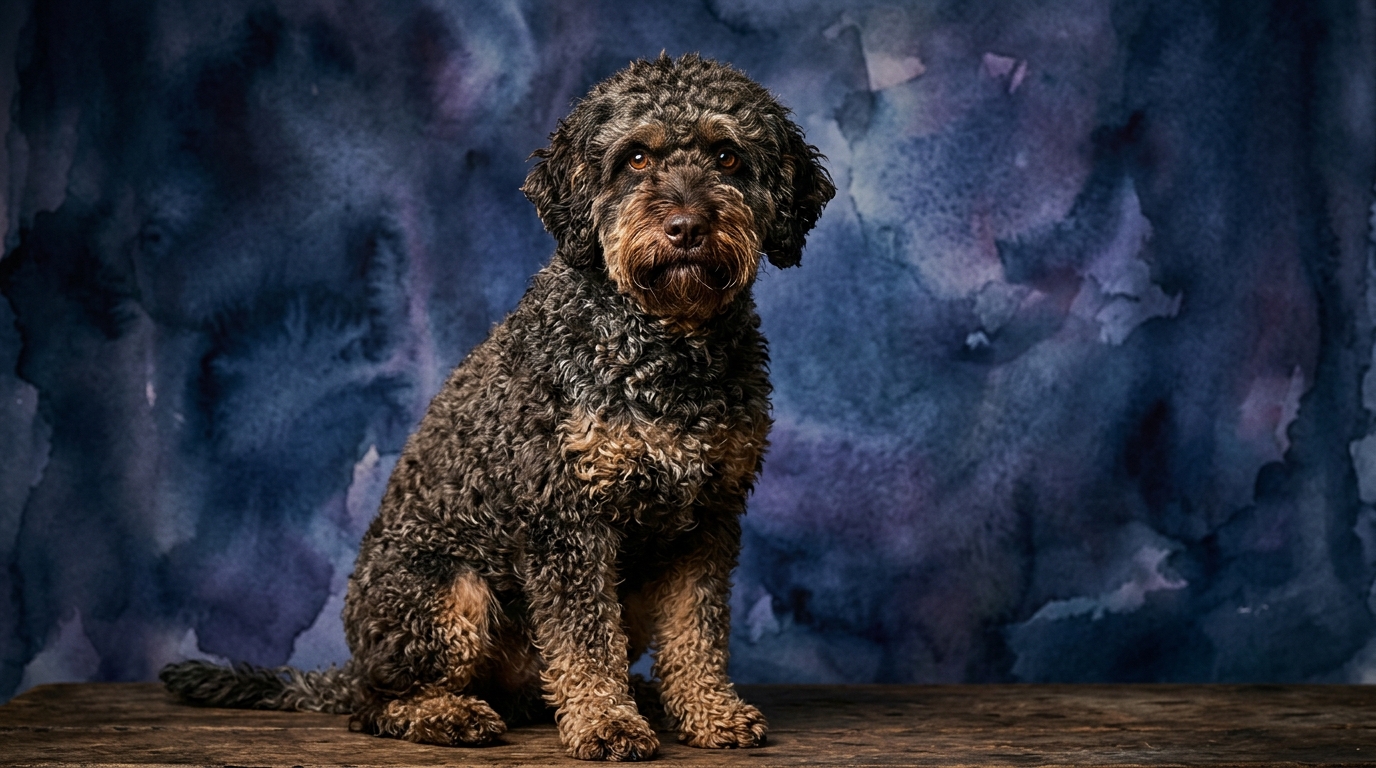
**Spanish Water Dog (Herding Group)**: Originating from Spain, this breed historically worked with livestock, requiring both independent thought and responsiveness to handlers.
**Problem Solving (3/5)**: This breed exhibits practical problem-solving, often independently assessing environmental challenges or tasks. They might figure out how to access an area or retrieve an item, reflecting their working heritage and self-reliance.
**Training Speed (3/5)**: Spanish Water Dogs learn commands and routines at a steady pace, engaging well with purposeful training. Their retention is solid, building a reliable repertoire of learned behaviors over time.
**Social Intelligence (3/5)**: They are observant of human moods and household routines, forming strong bonds. However, protective instincts can lead to reservation with strangers, requiring consistent socialization.
**Instinctive Drive (3/5)**: A moderate yet distinct set of innate behaviors, primarily expressed through herding and retrieving tendencies, drives them to gather or 'work' objects and people.
**Memory (3/5)**: This breed exhibits reliable memory for established routines, learned commands, and familiar environments, contributing to their behavioral consistency.
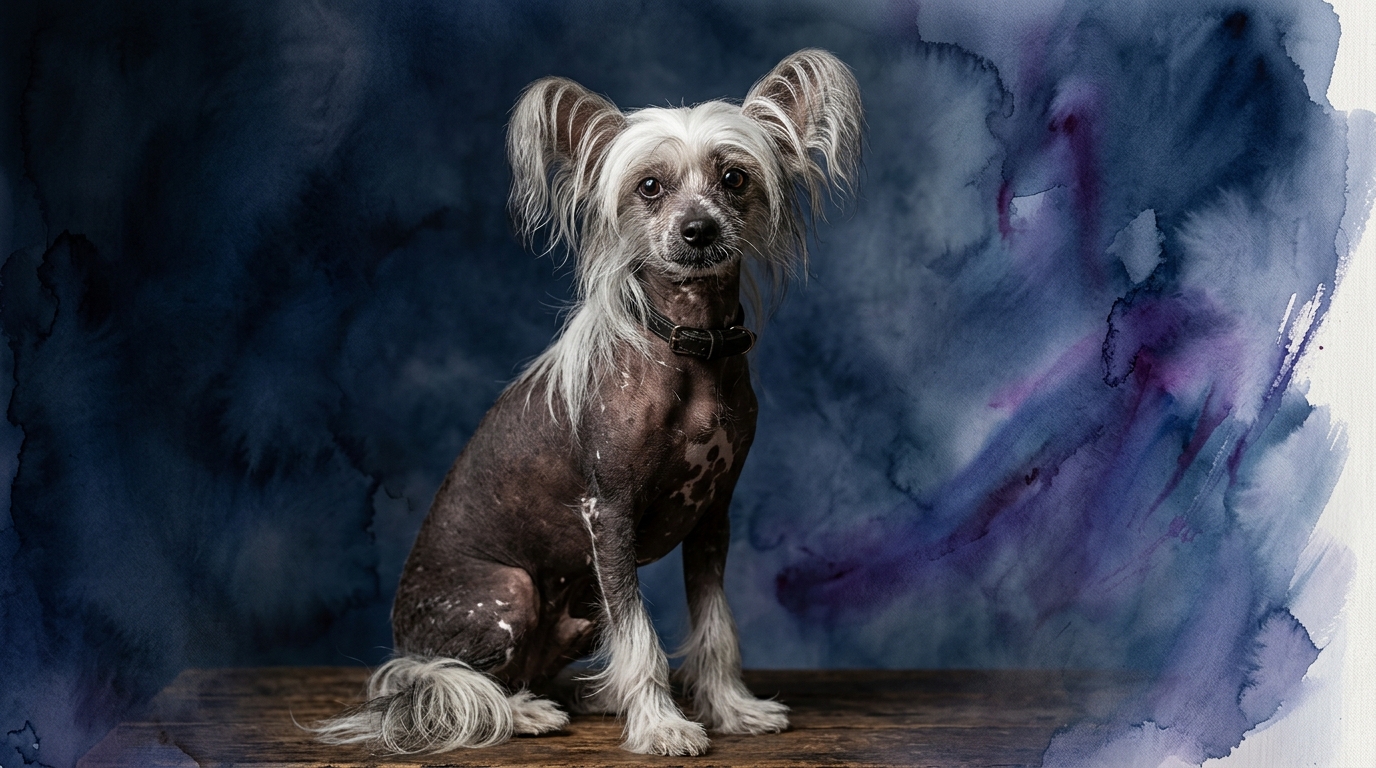
**Chinese Crested (Toy Group)**: This unique breed's primary role has always been that of a companion, thriving on human interaction and domestic comfort.
**Problem Solving (3/5)**: Chinese Cresteds apply problem-solving to immediate comfort and social needs. They might ingeniously figure out how to gain access to a cozy lap or a treat, often using charming tactics.
**Training Speed (3/5)**: These dogs learn at a moderate pace, thriving on positive reinforcement, warmth, and close interaction. They respond best to gentle encouragement and reward-based training.
**Social Intelligence (3/5)**: Acutely tuned into human emotional states and subtle cues, they often mirror moods or seek to provide comfort. They thrive on close proximity and interaction.
**Instinctive Drive (3/5)**: Their primary drives are companionship, warmth, and seeking comfort, often burrowing into soft furnishings. Some may display a surprising prey drive for small critters.
**Memory (3/5)**: This breed maintains consistent memory for daily routines, people, and preferred comfort spots, reliably recalling behaviors associated with positive experiences or gaining attention.
Where the Spanish Water Dog Wins Cognitively
The Spanish Water Dog excels in applying its cognitive capacities to practical, environmental challenges. Their 3/5 problem-solving score, within a herding context, means they are more likely to independently assess a physical situation and devise a solution, such as navigating a complex outdoor space or figuring out how to retrieve a specific item from a difficult spot. Their robust instinctive drive at 3/5 provides a powerful intrinsic motivation for structured activities and tasks, making them naturally inclined towards purpose-driven learning and work. This translates to a cognitive advantage in scenarios requiring self-reliance, physical engagement with the environment, and a focus on completing a task rather than primarily navigating social interactions. Their memory, also 3/5, often manifests in remembering complex sequences of commands or routes, which was crucial for their historical working roles.
Where the Chinese Crested Wins Cognitively
The Chinese Crested demonstrates a distinct cognitive strength in social intelligence and navigating human domestic environments. Their 3/5 social intelligence score, within a toy breed context, signifies a profound attunement to human emotional states and subtle social cues. They are adept at 'reading' their people, often anticipating needs for comfort or interaction, and adjusting their behavior accordingly. Their problem-solving, also 3/5, is often directed towards optimizing their comfort and companionship, such as figuring out how to get onto a lap or under a blanket without direct command. This breed's memory, at 3/5, is particularly strong for associating specific people with positive interactions and remembering the routines that lead to comfort and affection, making them highly skilled in domestic and social navigation within a family unit.
Which Is Easier to Train and Why
When considering ease of training, the differences in breed purpose and temperament become apparent, despite both holding a 3/5 training speed. The Spanish Water Dog, with its herding background and 3/5 instinctive drive, often finds satisfaction in performing tasks and understanding a clear purpose. They tend to be biddable and responsive to training that provides structure and a job to do, such as obedience, agility, or scent work. Their desire to work alongside their handler can make them eager students, though their independent streak means consistency and clear boundaries are essential. They thrive on mental engagement that challenges their problem-solving skills in a structured way.
In contrast, the Chinese Crested, while also having a 3/5 training speed, is primarily motivated by companionship, comfort, and positive reinforcement. They can be highly responsive to gentle, reward-based training methods, thriving on praise and affection. However, their sensitivity and strong preference for human company can mean they are easily distracted if not engaged, and they may be less inclined towards repetitive, task-focused drills if they don't perceive a significant social reward. Their 'easiness' in training often comes from their desire to please and be close to their people, but their focus might waver if the training isn't fun, personally rewarding in terms of attention, or if the environment is too stimulating. Therefore, for task-oriented training, the SWD might be perceived as more inherently 'easier' due to innate drive, while for companion-focused training, the CC might excel due to its deep social motivation.
Which Suits Active Owners vs. Relaxed Owners
The choice between these breeds significantly depends on an owner's lifestyle and energy levels. The Spanish Water Dog is an ideal match for active owners. Their 3/5 instinctive drive, rooted in a working heritage, necessitates regular physical and mental engagement. They thrive on long walks, runs, hikes, swimming, and canine sports like agility or herding trials. Owners who enjoy an outdoor, active lifestyle and can provide consistent training and a 'job' for their dog will find the SWD a fulfilling companion. Their problem-solving and memory (both 3/5) are best utilized in environments where they can explore, learn new tasks, and apply their cognitive skills to real-world challenges. A relaxed owner might find the SWD's energy and drive overwhelming, potentially leading to boredom-induced behaviors like excessive barking or destructive chewing.
Conversely, the Chinese Crested is generally better suited for more relaxed owners. Their primary drives are companionship and comfort (3/5 instinctive drive), and while they enjoy walks and playtime, their exercise needs are typically moderate. They are content with indoor activities, cuddling on the couch, and being close to their human companions. Their high social intelligence (3/5) makes them excellent observers and participants in a quiet home environment, thriving on consistent human interaction and affection. Owners who prefer a less demanding exercise routine and value a close, affectionate lapdog will find the Chinese Crested a perfect fit. An overly active owner might find their companion less enthusiastic about strenuous, prolonged outdoor adventures, as these dogs prioritize warmth and close human contact over intense physical exertion.
The Verdict
Opt for the Spanish Water Dog if you lead an active lifestyle, enjoy outdoor adventures, and are prepared to engage a working breed with consistent training and purposeful activities.
Select the Chinese Crested if you prefer a devoted, affectionate companion for a more relaxed home environment, valuing close interaction and moderate exercise needs.
🧠 Find Your Pet's IQ Score
Our Pet IQ Lab assessment covers 25+ tests across 5 cognitive dimensions — personalized to your breed.
Take the Full IQ Test →Frequently Asked Questions
Do Spanish Water Dogs and Chinese Cresteds get along with children?
Spanish Water Dogs can be protective and reserved, requiring careful socialization with children and supervision to ensure positive interactions. Chinese Cresteds are often gentle and affectionate with respectful children, thriving on family interaction and closeness, though their delicate nature means they need to be handled carefully.
What grooming differences impact daily life for these breeds?
The Spanish Water Dog's corded or curly coat requires specific grooming to prevent matting but generally needs less frequent brushing, often requiring professional attention for cord maintenance. The Chinese Crested (especially the hairless variety) needs daily skin care, including moisturizing and sun protection, while powderpuffs require regular brushing to prevent tangles.
How do their different breed group instincts manifest in their home behavior?
The Herding group Spanish Water Dog might exhibit natural tendencies to 'herd' family members or objects, and requires ample mental stimulation to prevent boredom and channel its energy. The Toy group Chinese Crested will primarily seek proximity, warmth, and constant companionship, often preferring to be a lapdog and expressing its needs through social cues.