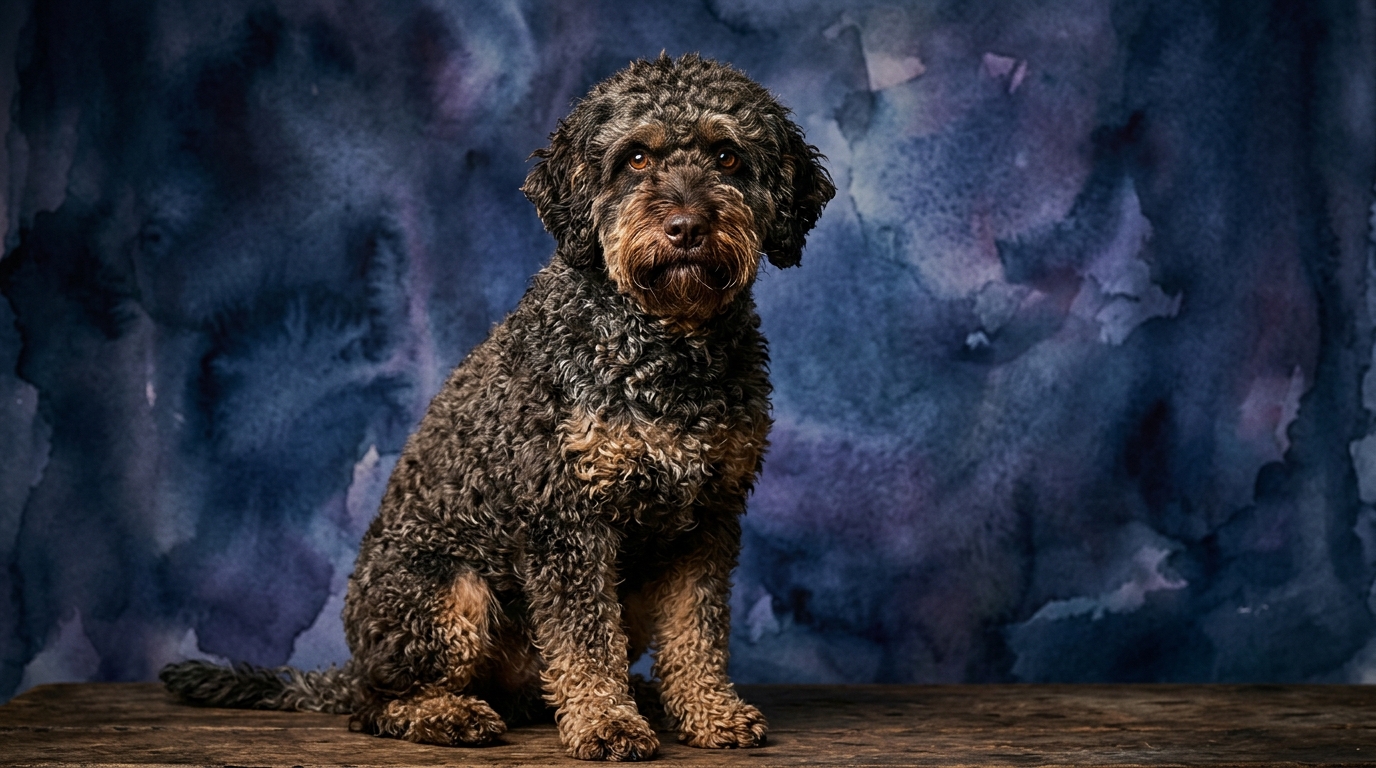
Side-by-Side IQ Profile: Spanish Water Dog
Problem Solving (3/5): The Spanish Water Dog exhibits a practical, task-oriented approach to problem-solving, a trait honed by their historical responsibilities herding livestock across varied terrain and retrieving from water. They are adept at figuring out direct solutions to immediate challenges, such as navigating obstacles to gather a flock or devising a method to retrieve a difficult-to-reach item, showcasing a resourceful rather than abstract form of cognitive engagement.
Training Speed (3/5): Possessing a keen desire to engage and a natural responsiveness, the Spanish Water Dog learns new commands and routines at a steady, capable pace. While not known for instantaneous comprehension, their consistent effort and focus when properly motivated allow them to absorb complex sequences and cues effectively, making them reliable learners for a wide range of tasks.
Social Intelligence (3/5): This breed demonstrates a discerning social awareness, forming deep bonds with their immediate family while often maintaining a reserved or watchful demeanor with strangers. Their ability to read familiar human intentions and moods is solid, contributing to their role as a devoted companion and working partner, yet their social interactions are often characterized by cautious observation before full engagement.
Instinctive Drive (3/5): The Spanish Water Dog possesses a strong, multi-faceted instinctive drive rooted in their heritage as a working water dog and herder. Their innate inclination to gather, organize, and retrieve is pronounced, manifesting as a desire for purpose and activity, driving them to engage with their environment through natural behaviors like chasing, fetching, and “herding” family members.
Memory (3/5): Their memory is robust, allowing them to retain a significant repertoire of learned commands, routines, and past experiences. This strong recall supports their consistent performance in working roles and contributes to their ability to anticipate household patterns, ensuring they remember both positive reinforcement cues and the boundaries established within their environment.
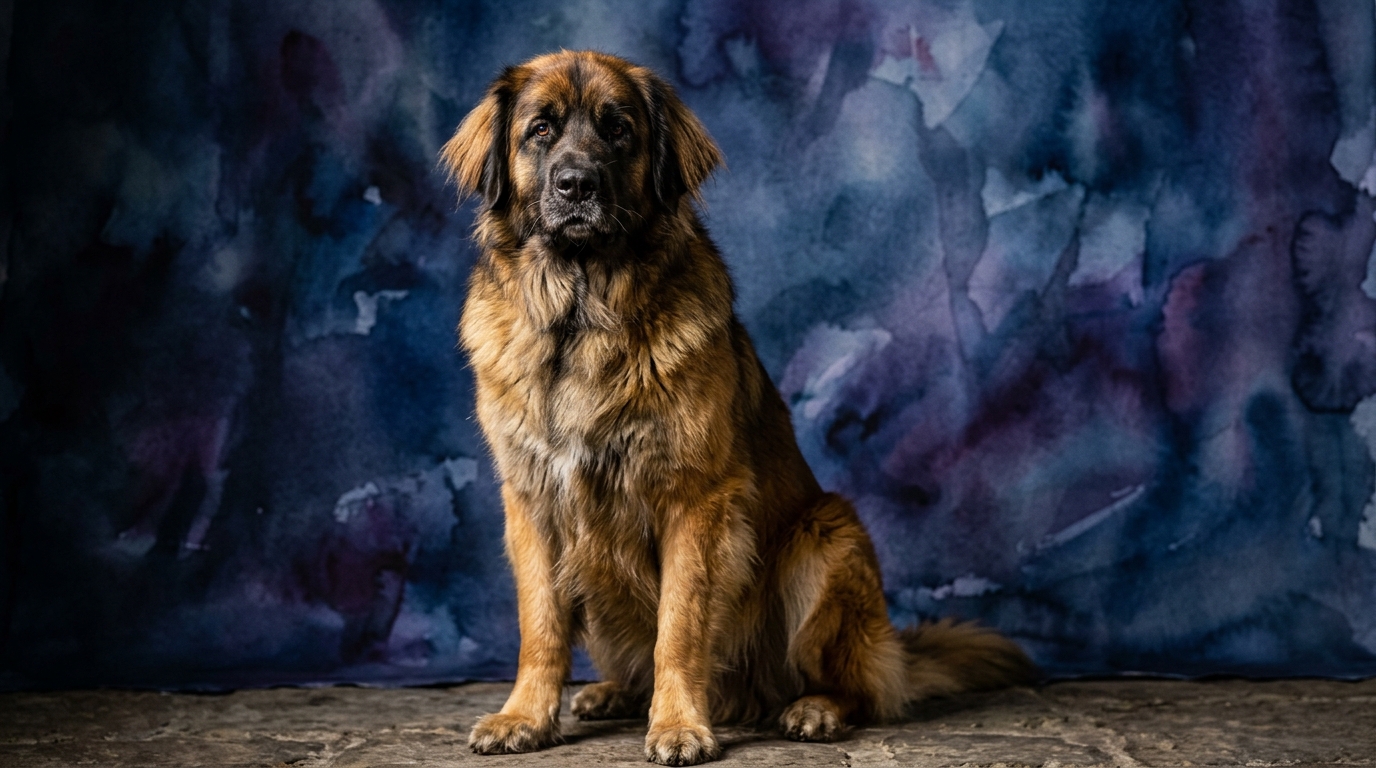
Side-by-Side IQ Profile: Leonberger
Problem Solving (3/5): The Leonberger approaches problem-solving with a thoughtful and deliberate manner, a reflection of their history as steadfast farm guardians and companions. They are capable of assessing situations calmly and devising practical, often patient, solutions, particularly when it involves the well-being of their family or navigating their large physical presence within a space. Their cognitive efforts are geared towards effective resolution rather than rapid innovation.
Training Speed (3/5): Leonbergers are generally receptive to training, absorbing new commands and behaviors with a patient and consistent approach. Their willingness to cooperate and inherent desire to please their family makes them capable learners, though their learning pace is often steady rather than quick. Consistency and positive reinforcement are key to leveraging their cognitive capacity for reliable training outcomes.
Social Intelligence (3/5): Known for their gentle and empathetic nature, Leonbergers exhibit a nuanced social intelligence, highly attuned to the emotional states of their human family members. They display a balanced understanding of social dynamics, often acting as calm, reassuring presences and interacting appropriately with children and other pets, demonstrating a perceptive and adaptable social acumen.
Instinctive Drive (3/5): The Leonberger's instinctive drive is primarily centered around companionship, protection, and a natural inclination towards caretaking, stemming from their role as a gentle guardian. While they possess some water rescue heritage, their dominant drives manifest as a strong desire to be close to their family and to watch over their territory and loved ones with a calm, reassuring presence.
Memory (3/5): This breed exhibits a solid memory, retaining a wide array of learned behaviors, commands, and experiences over time. Their ability to recall past interactions and established routines contributes significantly to their dependable nature and their capacity to form deep, lasting bonds with their human companions, making them consistent in their learned responses.
Where Spanish Water Dog Wins Cognitively
The Spanish Water Dog’s cognitive strengths shine in environments demanding quick reflexes and dynamic spatial reasoning. Their problem-solving, while rated 3/5, often manifests as rapid adaptation to changing circumstances, crucial for herding livestock or retrieving objects from unpredictable water currents. This breed can excel in tasks requiring sustained focus on a moving target, like agility courses or advanced retrieving games, where their natural drive for action and independent initiative allows for swift, effective decision-making under pressure. They are adept at navigating complex physical challenges, quickly learning the most efficient path or method to achieve a tangible goal, a direct result of their historical working applications.
Where Leonberger Wins Cognitively
The Leonberger's cognitive advantages become apparent in situations valuing calm discernment and empathetic understanding. Their 3/5 problem-solving often involves a more deliberate, thoughtful assessment, particularly when it concerns the safety or comfort of their family members. This manifests as a remarkable ability to interact gently with children or other vulnerable individuals, demonstrating a nuanced social intelligence that goes beyond simple obedience. Their memory and social acumen combine to make them highly responsive to subtle emotional cues, allowing them to offer comfort or adjust their behavior based on human feelings, making them exceptional therapy or assistance companions where a steady, reassuring presence is paramount.
Which is Easier to Train and Why
Determining which breed is “easier” to train requires a nuanced understanding of their inherent drives and temperaments, despite their identical 3/5 training speed rating. The Spanish Water Dog, with its intense energy and strong herding and retrieving instincts, can learn quickly but requires an owner who can consistently channel that drive. Their responsiveness means they grasp commands efficiently, but their high need for mental engagement means training must be varied and stimulating to prevent boredom-driven behaviors. An SWD might pick up a new agility sequence faster due to their natural athleticism and drive, but maintaining their focus amidst distractions requires more consistent effort and creative reinforcement strategies. Conversely, the Leonberger’s training speed, also 3/5, is characterized by a more deliberate, patient absorption of information. Their calm demeanor and strong desire to please their family make them highly amenable to positive reinforcement, leading to deeply ingrained behaviors once learned. While they may not execute new commands with the same initial burst of speed as an SWD, their thoughtful approach often translates into greater consistency and reliability over time, especially for foundational manners. Their sheer size necessitates early and consistent training to ensure good behavior, but their lower inherent frenetic energy often makes actual training sessions more manageable and less prone to over-excitement, though their potential for stubbornness means patience is key.
Which Suits Active Owners vs Relaxed Owners
For the truly active owner, the Spanish Water Dog is an ideal match. Their robust 3/5 instinctive drive for herding and retrieving, coupled with their inherent athleticism, demands significant daily physical exercise and consistent mental stimulation. They thrive in environments where they have a “job” to do, whether it's participating in dog sports like agility, dock diving, or even real-world herding. Owners who enjoy hiking, running, or engaging in prolonged outdoor activities will find a willing and energetic companion in the SWD; neglecting their needs can lead to frustration and undesirable behaviors born from boredom. In contrast, the Leonberger, while needing regular exercise, is more suited for owners who appreciate a large, calm companion. Their 3/5 instinctive drive leans towards companionship and gentle guardianship rather than high-octane work. They enjoy daily walks, playtime in a secure yard, and accompanying their family on outings, but they are not typically high-energy dogs requiring constant vigorous activity. Relaxed owners who can provide a comfortable home, consistent attention, and moderate daily exercise will find the Leonberger a devoted and steady presence, though their substantial size means they are not a choice for small living spaces or owners unable to physically manage a very large dog.
The Verdict
The Spanish Water Dog is an exceptional choice for active, experienced owners who desire an energetic, versatile partner for dog sports, outdoor adventures, or a working role, and who are committed to providing consistent mental and physical challenges to satisfy their keen intellect and high drive.
Conversely, the Leonberger is perfectly suited for owners seeking a gentle, devoted giant who will be a calm, protective, and empathetic family member, appreciating a thoughtful companion for daily walks and a relaxed home life, provided they have the space and capacity to manage a very large breed with a steady, reassuring presence.
🧠 Find Your Pet's IQ Score
Our Pet IQ Lab assessment covers 25+ tests across 5 cognitive dimensions — personalized to your breed.
Take the Full IQ Test →Frequently Asked Questions
Are Spanish Water Dogs good with children?
Spanish Water Dogs can be wonderful with children, especially if raised with them and properly socialized. Their herding instincts might lead them to “herd” children, so supervision and teaching appropriate interactions are important to ensure positive experiences for everyone involved.
Do Leonbergers shed a lot?
Yes, Leonbergers are known for their significant shedding, especially during seasonal coat blows. Their thick double coat requires regular grooming, including frequent brushing, to manage loose hair and maintain coat health, making them a commitment for owners concerned about shedding.
What kind of exercise do these breeds need?
Spanish Water Dogs require substantial daily exercise, including vigorous activities like running, swimming, or dog sports, alongside mental stimulation. Leonbergers need moderate daily exercise, such as long walks and playtime, but do not typically require the same intensity or duration of activity as the SWD.