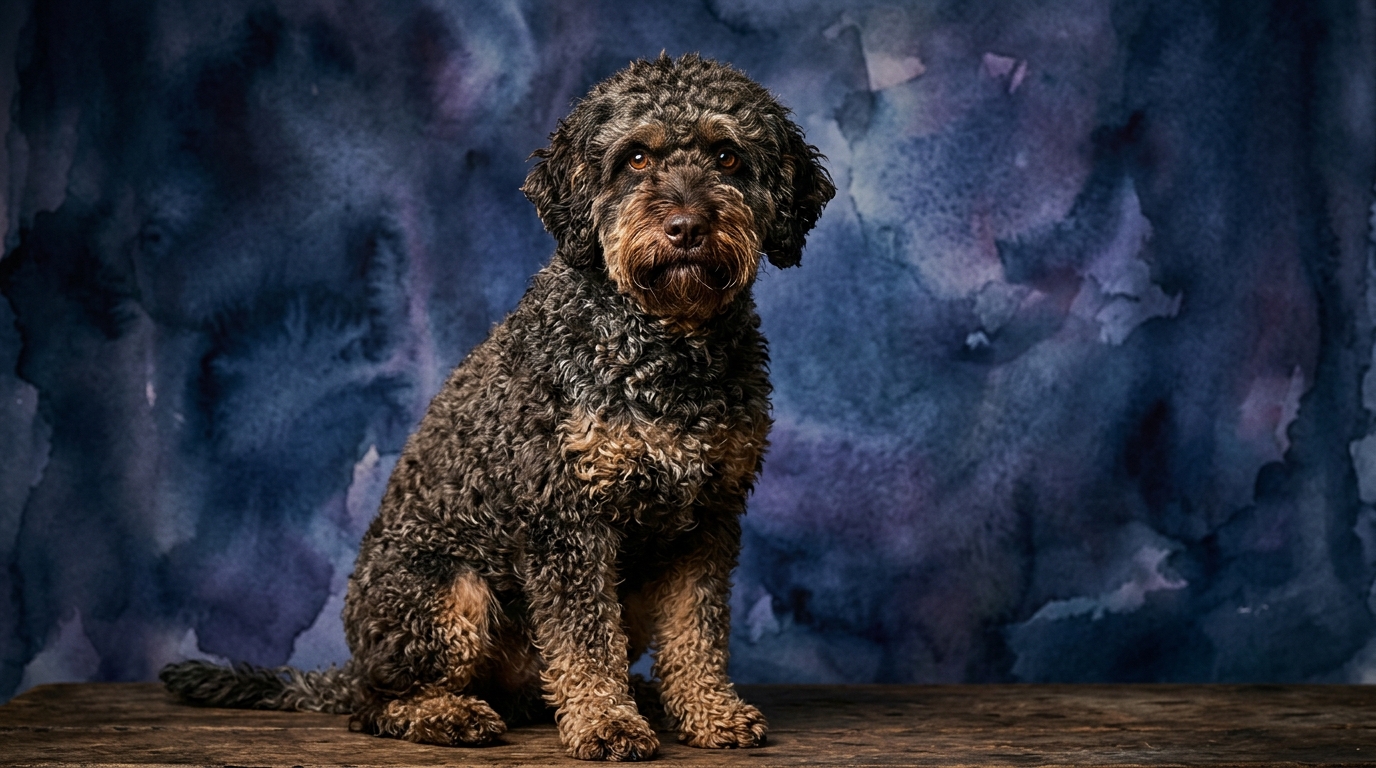
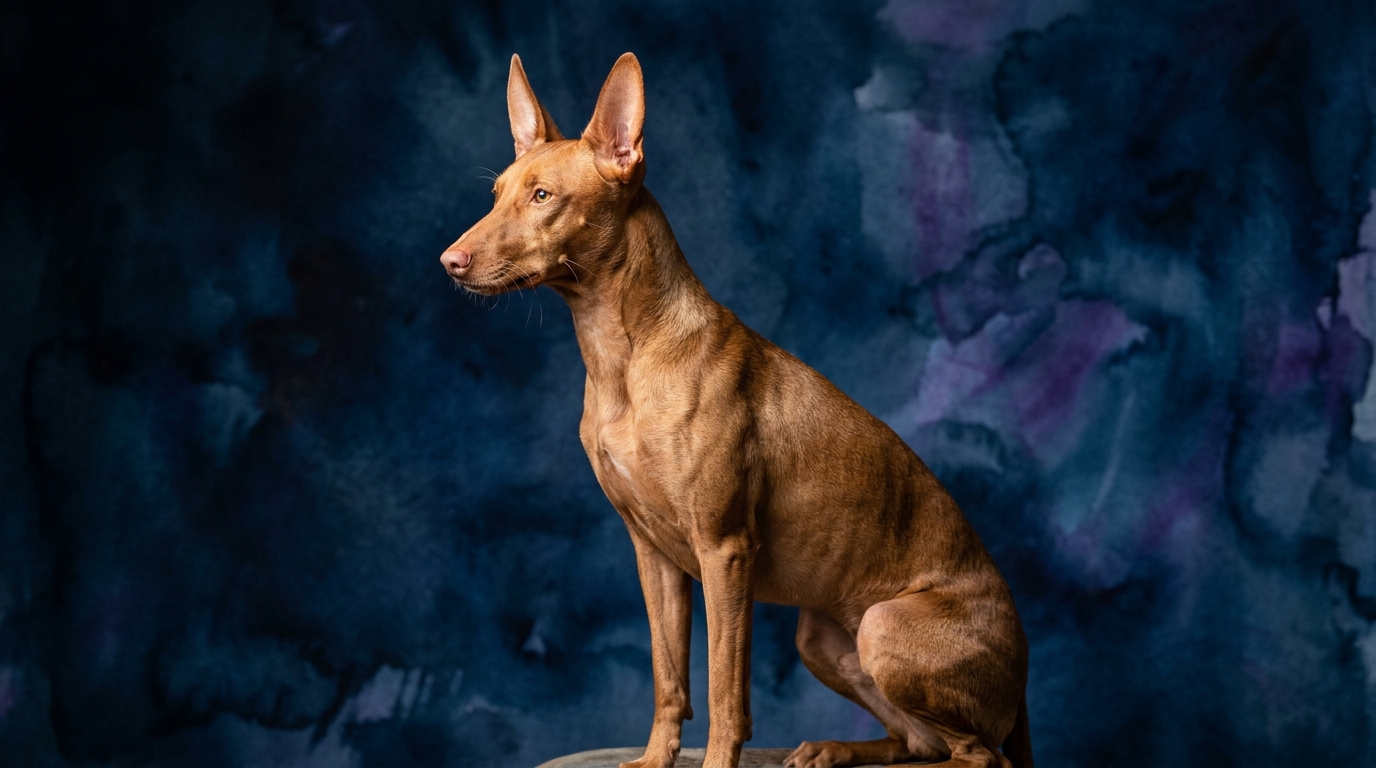
Side-by-Side: Decoding Identical IQ Scores
At first glance, the Pet IQ Lab scores for both the Spanish Water Dog (SWD) and the Pharaoh Hound (PH) appear identical, with each receiving a solid 3 out of 5 across all five cognitive dimensions. However, these identical numbers belie a rich tapestry of qualitative differences, rooted deeply in their breed origins. A 3/5 for a Herding dog like the SWD means something functionally different than a 3/5 for a Sighthound like the PH, particularly when we consider their historical roles and the specific cognitive demands placed upon them.
For Problem Solving, both breeds score 3/5. The Spanish Water Dog, a herding breed, typically approaches problems with practical, goal-oriented solutions tied to managing livestock or understanding complex routines, often relying on learned patterns. Their problem-solving might involve figuring out how to direct a flock or navigate an obstacle course with an objective in mind. In contrast, the Pharaoh Hound's 3/5 in problem-solving often manifests as independent assessment and efficient route-finding, characteristic of a sighthound whose survival depended on quickly discerning the best path to prey or safety in open terrain. They might excel at finding the quickest way around a barrier to reach a target, less concerned with intricate steps and more with direct efficiency.
Training Speed also registers 3/5 for both. The Spanish Water Dog generally learns new commands at a steady pace, especially when the tasks are engaging and mimic their working heritage. They are typically receptive and eager to participate in structured learning, though they can exhibit a moderate stubborn streak if the purpose isn't clear to them. The Pharaoh Hound, with its sighthound independence, also learns new tasks at a moderate pace, but their engagement is heavily influenced by motivation and perceived reward. They might grasp concepts quickly but require consistent, highly positive reinforcement to maintain compliance, sometimes prioritizing their own instincts over human directives if not adequately motivated.
In Social Intelligence, both breeds again score 3/5. The Spanish Water Dog is typically responsive to human cues and moods, forming strong bonds within their family unit. They are adept at reading social situations within their trusted circle, showing moderate cooperation and a desire to interact meaningfully with their people, though they can be reserved with strangers. The Pharaoh Hound, while equally scoring 3/5, often displays a more subtle and discerning social intelligence. They are highly observant of human behavior and deeply attuned to their environment, forming profound connections with their chosen family. However, their interactions can be more aloof or selective with outsiders, demonstrating an understanding of social dynamics without the overt eagerness to please seen in many working breeds.
Instinctive Drive is 3/5 for both, yet its manifestation is distinct. The Spanish Water Dog possesses a moderate herding drive, which can translate into a desire to gather family members, 'manage' other pets, or engage in activities that involve controlling movement. They enjoy tasks that utilize these natural working instincts, such as retrieving or guiding. The Pharaoh Hound, on the other hand, exhibits a moderate prey drive, a hallmark of sighthounds, which is powerfully triggered by movement or small animals. This drive is a significant motivator for chasing and can strongly influence their focus and behavior in certain environments, demanding careful management.
Finally, Memory is also 3/5 for both breeds. The Spanish Water Dog retains learned commands, routines, and experiences well, contributing to their reliability in established roles and aiding in their capacity for complex tasks. They remember specific locations and people with good accuracy. The Pharaoh Hound also demonstrates good memory, particularly for spatial reasoning, scent trails, and past experiences associated with hunting or positive reinforcement. They can recall complex routes and previous training sessions effectively, even after periods of inactivity, showcasing a memory geared towards environmental navigation and successful pursuit.
Where the Spanish Water Dog Wins Cognitively
While both breeds share identical quantitative scores, the Spanish Water Dog's cognitive strengths shine in areas requiring cooperative engagement and structured task completion. Their 3/5 in problem-solving, when coupled with their social intelligence, makes them particularly adept at tasks where sustained focus on a human-directed goal is paramount. They excel at understanding multi-step commands and adapting their strategy based on ongoing human feedback, a hallmark of their herding ancestry. For instance, an SWD might more readily learn and execute an intricate agility course, remembering the sequence of obstacles and adjusting their pace based on their handler's cues, demonstrating a cognitive advantage in collaborative problem-solving.
The Spanish Water Dog’s instinctive drive, channeled towards management and organization, translates into a cognitive edge in environments where order and routine are valued. This manifests as a natural inclination to keep track of family members or objects, and an ability to learn complex sequences that contribute to a larger 'job.' Their memory, combined with this drive, enables them to reliably perform tasks that require consistent application of learned behaviors over time, such as retrieving specific items or following a consistent household schedule. Their cognitive profile is geared towards being a responsive and engaged partner in a working relationship.
Where the Pharaoh Hound Wins Cognitively
The Pharaoh Hound’s cognitive strengths, despite identical scores, lie in independent assessment, rapid decision-making, and efficiency in open environments. Their 3/5 in problem-solving is less about intricate, cooperative steps and more about quick, autonomous solutions. They possess a keen ability to survey their surroundings and identify the most direct and energy-efficient path to a desired outcome, a crucial trait for a sighthound. For example, when off-leash in a large, secure area, a Pharaoh Hound's problem-solving might involve quickly calculating the best trajectory to chase a lure or navigate around obstacles without explicit human instruction, showcasing superior spatial reasoning and independent judgment.
The Pharaoh Hound's memory, particularly for spatial layouts and patterns of movement, gives them an advantage in tasks requiring environmental awareness and recall of successful strategies in varying conditions. Their instinctive drive, focused on prey, hones their cognitive ability to react swiftly to visual stimuli and make split-second decisions based on instinct rather than prolonged deliberation. This breed's cognitive architecture is optimized for self-reliance and decisive action in dynamic situations, making them particularly skilled at activities like lure coursing where quick, unassisted decisions are key to success.
Training: Compliance vs. Independent Spirit
When it comes to training, the Spanish Water Dog is generally perceived as easier for the average owner, despite both breeds sharing a 3/5 training speed. This difference stems from their distinct breed purposes. The SWD’s herding background instilled a desire to work *with* humans, making them more compliant and eager to please. They respond well to consistent, task-oriented training and thrive on having a 'job.' Their moderate social intelligence makes them highly receptive to human feedback and praise, reinforcing desired behaviors effectively. They will often try to understand what their human wants and adjust their behavior accordingly, even if it takes a few repetitions.
The Pharaoh Hound, conversely, can present more challenges for novice owners, despite their identical 3/5 training speed. Their sighthound independence and strong prey drive mean that while they are capable of learning quickly, they often choose to comply only if they perceive sufficient motivation or if it aligns with their own interests. Training a Pharaoh Hound requires immense patience, creativity, and highly motivating positive reinforcement. Trainers must understand that a Pharaoh Hound might learn a command in a few sessions but then choose not to execute it if a squirrel runs by. Consistency is crucial, but so is making training feel like a rewarding game, tapping into their natural instincts rather than trying to override them. Their discerning social intelligence means they are less universally eager to please and require a strong, trusting bond to thrive in a training partnership.
Lifestyle Match: Active Engagement vs. Focused Outlets
Both the Spanish Water Dog and the Pharaoh Hound are active breeds that require significant engagement, but their ideal owners approach activity differently. The Spanish Water Dog thrives with owners who can provide consistent mental stimulation and structured physical exercise. They are well-suited for active owners who enjoy dog sports like agility, obedience, dock diving, or even herding trials, where their cognitive strengths in cooperative problem-solving and memory can be fully utilized. They need an owner who is prepared to integrate them deeply into daily routines, offering varied activities that engage both their body and their inquisitive mind. A relaxed owner might find an SWD to be too demanding of attention and purpose.
The Pharaoh Hound also requires an active owner, but their activity needs are often more focused on intense bursts of physical exertion. They need safe, open spaces where they can run at full speed, channeling their powerful prey drive through activities like lure coursing or long, vigorous off-leash runs. While they can be calm and elegant indoors, this serenity is earned through ample opportunity to stretch their legs and satisfy their instinct to chase. A relaxed owner who cannot provide these specific outlets will likely find a Pharaoh Hound becomes restless or destructive. Their independent nature also means they might be less inclined to participate in highly structured, repetitive activities compared to the SWD, preferring a balance of independent exploration and bursts of speed.
The Verdict: When to Choose Each Companion
The Verdict
Choose the Spanish Water Dog if you seek a highly cooperative, engaged partner for structured activities, enjoy consistent training, and appreciate a dog that integrates deeply into family routines with a desire to 'work' alongside you.
Opt for the Pharaoh Hound if you admire an independent spirit and elegant athleticism, can provide ample opportunities for sprinting and chasing, and appreciate a discerning companion who forms deep, albeit less overtly demonstrative, bonds.
🧠 Find Your Pet's IQ Score
Our Pet IQ Lab assessment covers 25+ tests across 5 cognitive dimensions — personalized to your breed.
Take the Full IQ Test →Frequently Asked Questions
Do Spanish Water Dogs make good family pets?
Yes, Spanish Water Dogs bond strongly with their family and can be good with children when properly socialized, though their herding instincts might lead them to 'herd' young ones. They thrive in active households that provide consistent training and mental engagement, integrating well into family life.
Are Pharaoh Hounds difficult to train?
Pharaoh Hounds are not inherently difficult to train, but their independent nature and strong prey drive mean they require patient, consistent, and highly motivating positive reinforcement methods. They respond best to training that makes learning feel like a rewarding game or a stimulating pursuit, rather than strict obedience drills.
Which breed is better for apartment living?
Neither breed is ideally suited for small apartment living without significant commitment to exercise. However, a Spanish Water Dog might adapt slightly better if daily structured walks, mental games, and consistent training are provided, as their exercise needs can be met with varied activities. A Pharaoh Hound's intense need for open space to run makes apartment living more challenging without daily access to large, secure areas.