Side-by-Side IQ Profile: Understanding the Nuances
The Cosmic Pet Pet IQ Lab assesses canine intelligence across five key dimensions: Problem Solving, Training Speed, Social Intelligence, Instinctive Drive, and Memory. Intriguingly, both the Spanish Water Dog and the Saluki register a consistent 3/5 across all these categories, suggesting a balanced cognitive toolkit. However, the *application* of these scores varies dramatically due to their distinct breed histories and primary functions.
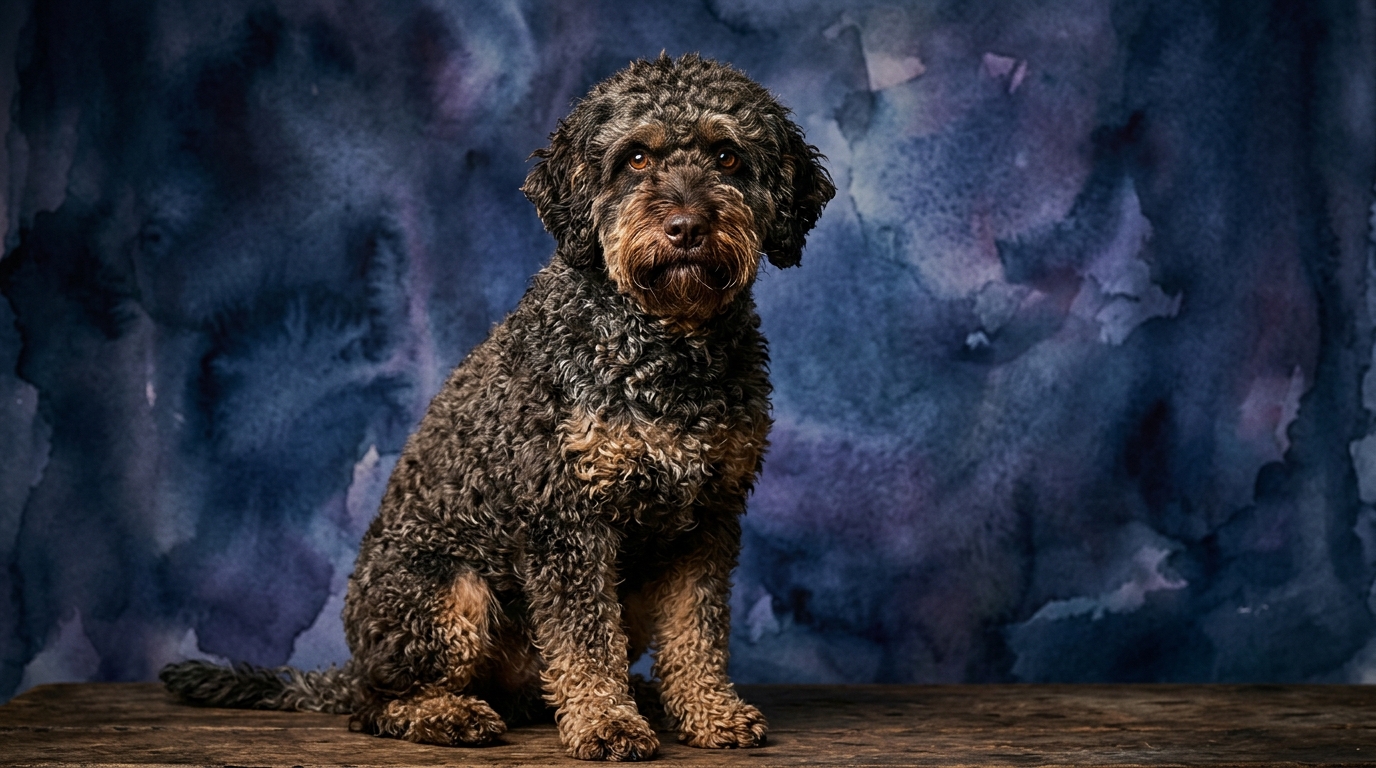
For the **Spanish Water Dog**, a member of the Herding group, a Problem Solving score of 3/5 indicates an aptitude for figuring out practical challenges, like herding livestock through complex gates or navigating obstacles in varied terrain. Their 3/5 Training Speed reflects a capacity to quickly grasp and execute multi-step commands and routines essential for managing flocks. A Social Intelligence of 3/5 highlights their attunement to human cues and a desire to work cooperatively within a 'pack' structure, often with a specific handler. Their Instinctive Drive, also 3/5, manifests as a strong compulsion to gather, control, and protect, channeling their energy into purposeful tasks. Finally, a Memory score of 3/5 means they reliably retain complex sequences of commands, learned routines, and the locations of important objects or boundaries.
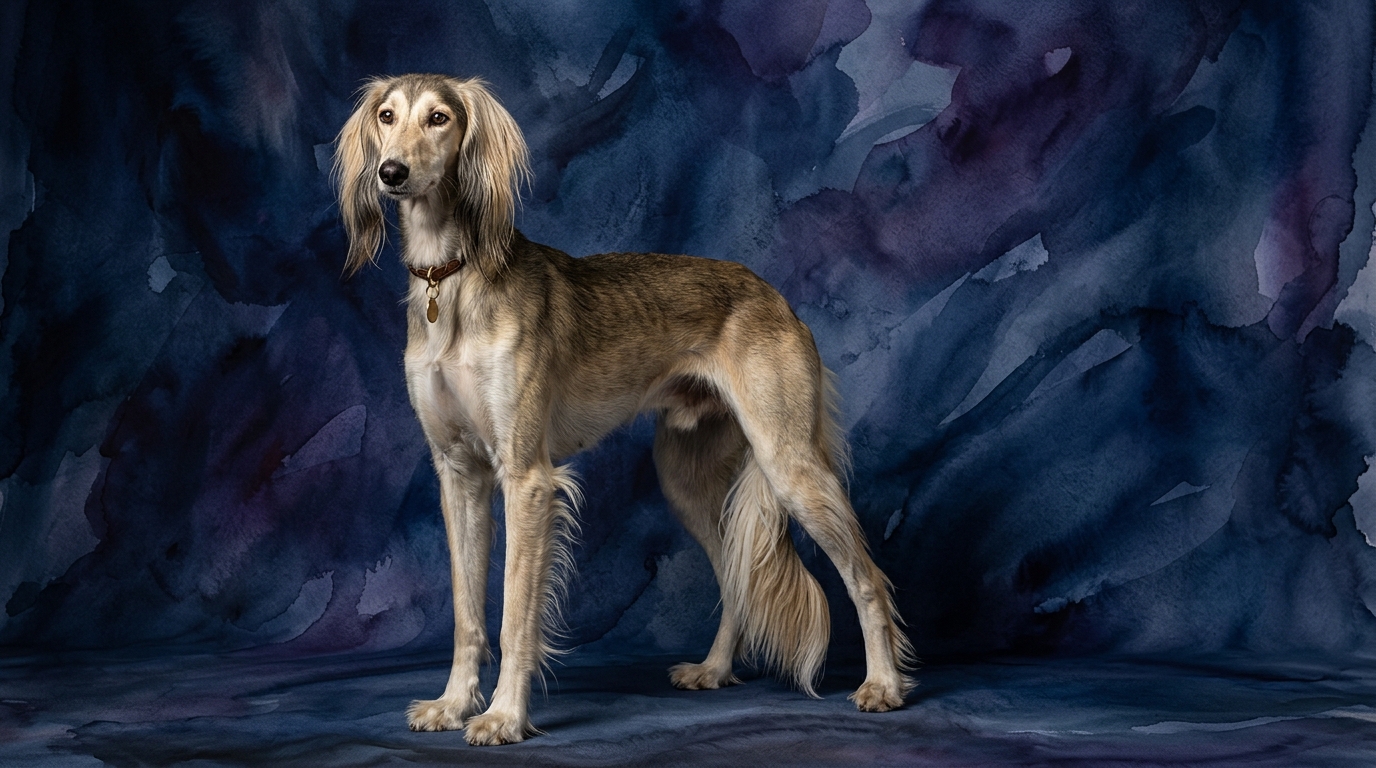
The **Saluki**, originating from the Hound group, interprets these same scores through a different lens. Their 3/5 Problem Solving ability is geared towards independent strategizing, such as calculating the quickest route to intercept prey over vast distances or navigating intricate landscapes during a chase. A Training Speed of 3/5 suggests they learn what they deem relevant or necessary for their intrinsic motivations with efficiency, though perhaps less inclined to repetitive, human-centric drills. Social Intelligence at 3/5 points to an understanding of subtle dynamics within their family unit, though they often display a more reserved or independent demeanor compared to many working breeds. Their 3/5 Instinctive Drive is overwhelmingly focused on the pursuit of prey, driven by keen sight and explosive speed, a deeply ingrained urge to run and chase. Their Memory score of 3/5 enables them to recall vast hunting territories, the movements of specific prey animals, and established routines within their home environment.
Where the Spanish Water Dog Wins Cognitively
Despite identical numerical scores, the Spanish Water Dog's cognitive strengths truly shine in scenarios demanding close partnership and intricate task execution. Their Herding background has honed an ability for cooperative problem-solving, where they excel at interpreting and responding to a handler's subtle signals to achieve a shared goal. This makes them particularly adept at complex obedience, agility, or working trials that require a dog to process multi-stage commands and adapt their actions based on human direction. Their inherent desire to 'work' means they often find satisfaction in tasks that involve manipulating objects, learning elaborate tricks, or participating in canine sports where human collaboration is paramount. They demonstrate a superior capacity for understanding and integrating into human-centric social structures, often seeking out engagement and direction from their owners.
Where the Saluki Wins Cognitively
The Saluki's cognitive prowess, conversely, is most evident in its capacity for independent thought and action, particularly within its specialized role as a sighthound. While the Spanish Water Dog excels at working *with* a human, the Saluki excels at working *for itself* in pursuit of a goal. Their problem-solving is often characterized by swift, autonomous decision-making in dynamic environments, like identifying and tracking fast-moving targets across open fields without direct human intervention. This involves exceptional spatial reasoning, an ability to rapidly assess distances, speeds, and trajectories. Their memory often extends to recalling expansive outdoor territories, enabling them to navigate efficiently. The Saluki's cognitive strengths lie in its self-sufficiency and the rapid, precise execution of instinctual behaviors honed for millennia to succeed in the hunt.
Which is Easier to Train, and Why?
When considering ease of training, the Spanish Water Dog generally presents a more straightforward experience for the average owner. Their Herding ancestry instills a strong desire to please and a natural inclination to work in partnership with a human handler. This cooperative drive means they are often highly motivated by positive reinforcement and respond well to consistent, clear communication. They thrive on having a 'job' and are eager to learn and execute commands, making them receptive to a wide range of training activities from basic obedience to advanced canine sports. Their social intelligence is geared towards understanding and complying with human expectations, which translates into a more willing participant in training sessions.
The Saluki, while possessing a 3/5 Training Speed, often requires a different approach. Their sighthound heritage emphasizes independence and self-reliance, meaning they are less inherently driven to please a handler and more motivated by their own strong instincts, particularly the chase. They learn quickly, but may choose to comply only if they perceive the command as beneficial or if it doesn't conflict with a more compelling instinctual urge. This can manifest as a selective hearing or a 'what's in it for me?' attitude. Training a Saluki often requires immense patience, creativity, and a deep understanding of their independent nature, focusing on building a strong bond and making training engaging and rewarding rather than purely directive. They are not 'stubborn,' but rather self-directed, which can be interpreted as difficulty for owners expecting a highly compliant working breed.
Which Suits Active Owners vs. Relaxed Owners
For active owners seeking a constant companion and partner in endeavors, the Spanish Water Dog is often an excellent match. Their cognitive profile and inherent drives demand consistent mental and physical engagement. They thrive in households that can provide daily outlets for their energy, whether through long hikes, dog sports, or engaging puzzle toys. Owners who enjoy teaching new tricks, participating in obedience classes, or involving their dog in family activities will find the Spanish Water Dog's social intelligence and cooperative nature deeply rewarding. They are not content to be couch potatoes and require an owner willing to invest time in their structured activities.
The Saluki, while requiring significant bursts of physical activity (ideally in a safely enclosed space where they can run freely), can surprisingly suit owners who appreciate a more relaxed indoor presence. Once their physical needs for running are met, often in short, intense bursts rather than sustained endurance, Salukis are known for being calm, quiet, and somewhat aloof indoors. Their independent cognitive style means they don't constantly demand human attention or tasks once their exercise requirements are satisfied. Owners who enjoy a quiet home, appreciate a dog with an independent spirit, and can provide opportunities for off-leash running will find the Saluki a graceful and relatively low-maintenance companion indoors, despite their powerful athleticism outdoors.
The Verdict
Choose the Spanish Water Dog if you seek an engaged, cooperative partner eager for structured activities and thrives on human direction and mental challenges.
Opt for the Saluki if you appreciate an independent, elegant companion who requires intense bursts of exercise but offers a calm, reserved presence indoors, and you value their self-sufficient problem-solving.
🧠 Find Your Pet's IQ Score
Our Pet IQ Lab assessment covers 25+ tests across 5 cognitive dimensions — personalized to your breed.
Take the Full IQ Test →Frequently Asked Questions
Are Spanish Water Dogs good for first-time dog owners?
Spanish Water Dogs can be suitable for first-time owners who are committed to consistent training, socialization, and providing ample mental and physical stimulation. Their cooperative nature makes them responsive, but their energy and drive require a dedicated owner.
Do Salukis need a lot of grooming?
Salukis generally have a low-maintenance coat, requiring only weekly brushing to remove loose hair and keep them looking neat. They are not heavy shedder and their fine coat typically stays clean with minimal effort.
Which breed is better with children?
Both breeds can be good with children when properly socialized and raised, but their temperaments differ. Spanish Water Dogs tend to be more boisterous and playful, while Salukis are often more reserved and may prefer quieter interactions, making careful supervision essential for both.