Side-by-Side Cognitive Profiles
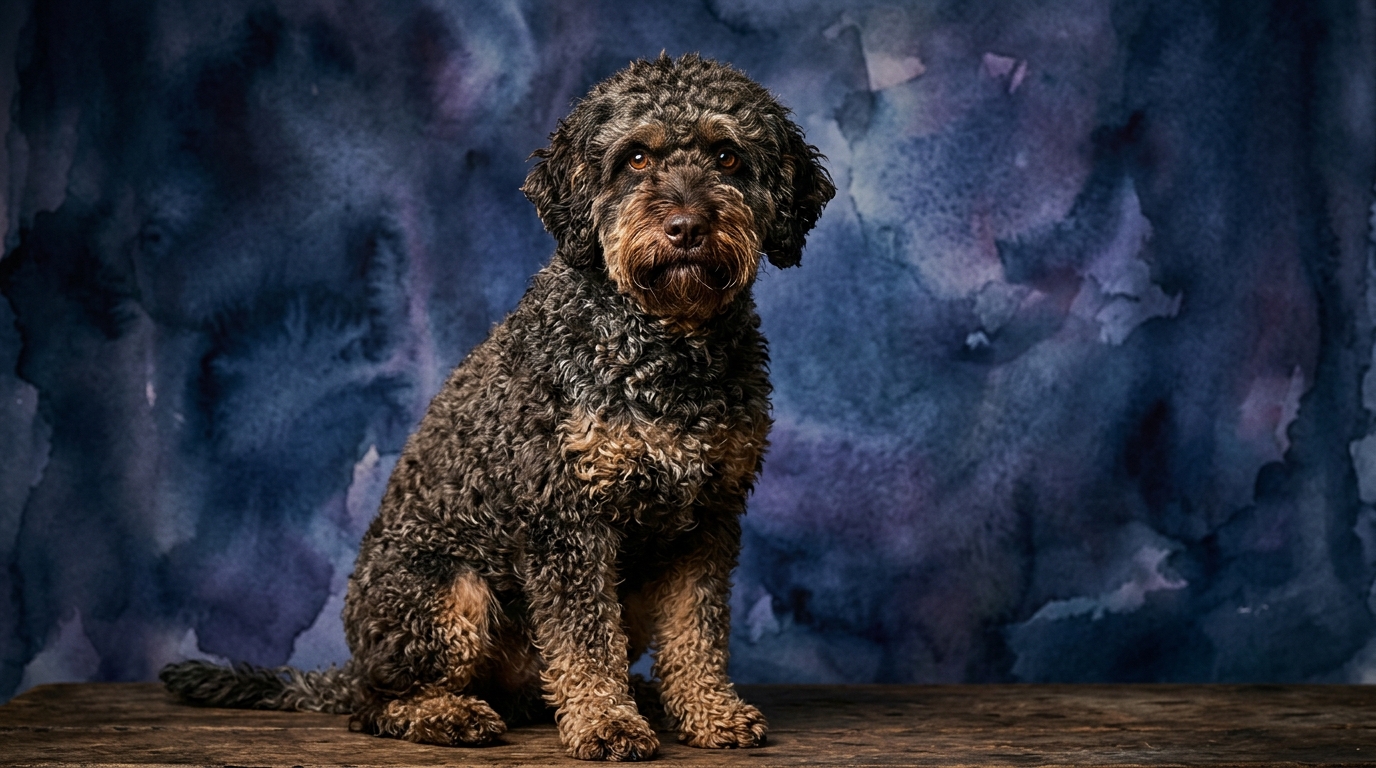
The Spanish Water Dog, a breed steeped in herding and water work, presents a balanced cognitive profile with 3/5 across problem solving, training speed, social intelligence, instinctive drive, and memory. Their problem-solving acumen often manifests in practical, adaptable ways, such as strategizing to gather a flock or navigating complex aquatic environments. Training speed for the SWD is generally responsive, as they historically needed to quickly grasp commands from their handlers to manage livestock effectively. This responsiveness is often linked to their cooperative nature. Their social intelligence is geared towards understanding and anticipating human cues, crucial for a working partner. The instinctive drive is strong, focused on herding, retrieving, and guarding, aligning with their heritage. Finally, their memory supports retaining complex sequences of tasks and locations, vital for their varied duties.
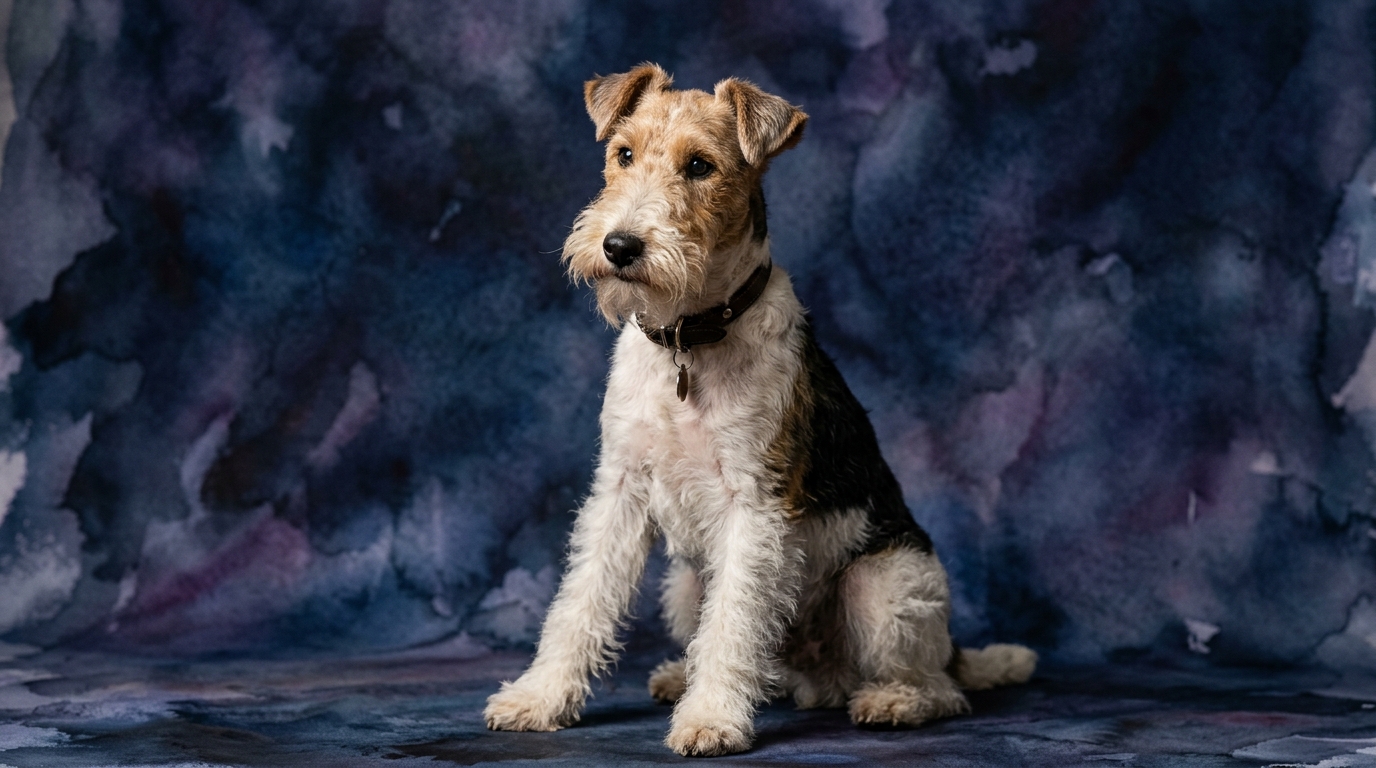
The Wire Fox Terrier, forged in the tradition of independent hunting, shares the same balanced 3/5 scores across all five cognitive dimensions: problem solving, training speed, social intelligence, instinctive drive, and memory. For the WFT, problem-solving is often expressed through cunning and persistence, finding ways to access prey or navigate challenging underground spaces. Their training speed, while rated similarly, tends to be quick to grasp concepts, but often on their own terms, driven by an inherent self-reliance. Social intelligence for the Wire Fox Terrier is more about understanding their immediate environment and asserting their presence, rather than solely focusing on human cooperation. Their instinctive drive is intensely focused on chasing, digging, and flushing small game, a fundamental aspect of their terrier nature. Their memory is robust, enabling them to recall locations of burrows or past successful hunting strategies.
Where the Spanish Water Dog Wins Cognitively
While both breeds score identically, the Spanish Water Dog's cognitive strengths shine particularly in cooperative and adaptable problem-solving within a team context. Their herding background means they excel at tasks requiring strategic thinking to move or gather, often involving multiple steps and responsive adjustments to dynamic situations. For instance, an SWD might instinctively understand how to flank a group of animals or use spatial awareness to guide them, demonstrating a practical application of their problem-solving and memory.
This breed's social intelligence is deeply intertwined with its desire to work alongside humans, making them highly attuned to subtle cues and intentions, which can translate into exceptional performance in dog sports like agility or obedience where partnership is key. Their memory is particularly adept at recalling sequences of commands and routines, allowing for consistent execution of complex tasks once learned. The SWD’s instinctive drive, while strong, is often channeled into productive, directed work, making them eager participants in structured activities and water-based retrieving.
Where the Wire Fox Terrier Wins Cognitively
The Wire Fox Terrier's cognitive prowess truly stands out in scenarios demanding independent thought, tenacity, and a singular focus on a task. Their problem-solving abilities are geared towards overcoming obstacles with sheer determination, such as figuring out how to access a perceived 'prey' item or navigating complex tunnels, often without direct human instruction. This breed's instinctive drive for hunting and exploration fuels a persistent curiosity, pushing them to investigate and strategize on their own terms.
Their social intelligence, while present, is less about cooperative team dynamics and more about asserting their will or understanding the hierarchy within their immediate environment, which can be an asset in independent ventures. The WFT's memory is exceptional for recalling specific locations, particularly those associated with past successes or interesting scents, making them adept at navigation and tracking when left to their own devices. Their training speed, when motivated by something that taps into their prey drive or curiosity, can be remarkably fast, but their independence means the motivation must resonate with their inherent terrier spirit.
Which Is Easier to Train and Why
Determining which breed is 'easier' to train is less about raw learning capacity and more about motivational drivers and cooperation. The Spanish Water Dog generally presents as more amenable to traditional training methods due to their inherent desire to work collaboratively with humans. Their strong social intelligence and historical role as a partner mean they are often eager to please and respond well to positive reinforcement, quickly forming associations between commands and actions. This cooperative spirit makes them generally more predictable and easier to guide through complex routines, as their instinctive drive is often channeled into purposeful, directed tasks.
Conversely, the Wire Fox Terrier, while certainly capable of learning quickly, often requires a trainer to tap into their independent, tenacious spirit. Their training speed is high, but their inherent self-reliance means they might question commands or prioritize their own interests, such as a captivating scent or a perceived 'hunt.' Training a WFT demands creativity, patience, and a deep understanding of their terrier instincts to make them believe that following a command is their own idea or leads to a highly rewarding outcome. Their problem-solving often involves finding loopholes, which can make training a more engaging, albeit challenging, endeavor.
Which Suits Active Owners vs. Relaxed Owners
Both the Spanish Water Dog and the Wire Fox Terrier are undeniably active breeds, making them better suited for owners who can commit to a dynamic lifestyle. The Spanish Water Dog, with its Herding and water-working heritage, thrives on consistent physical exercise combined with mental stimulation that engages its cooperative problem-solving and memory. They need regular opportunities to run, swim, and engage in structured activities like herding trials, agility, or extensive walks and hikes. A relaxed owner who cannot provide this level of engagement may find an SWD becoming bored and potentially developing undesirable behaviors due to unmet mental and physical needs.
The Wire Fox Terrier, on the other hand, demands activity rooted in its independent, exploratory nature. Their intense instinctive drive requires outlets for chasing, digging, and investigating, making them excellent companions for long, adventurous walks, earthdog trials, or active games that mimic hunting. While they enjoy human company, their need for self-directed activity is paramount. Owners seeking a truly 'relaxed' companion would likely struggle with either of these breeds, as both possess a significant drive that needs consistent, appropriate channeling to maintain their well-being and prevent frustration.
The Verdict
Choose the Spanish Water Dog if you seek a cooperative, versatile partner eager for structured activities and a strong bond, thriving on tasks that require teamwork and adaptable problem-solving.
Opt for the Wire Fox Terrier if you appreciate an independent, tenacious companion with a sharp wit, best suited for owners who can channel their spirited drive into adventurous, self-directed exploration and engaging mental challenges.
🧠 Find Your Pet's IQ Score
Our Pet IQ Lab assessment covers 25+ tests across 5 cognitive dimensions — personalized to your breed.
Take the Full IQ Test →Frequently Asked Questions
Do identical IQ scores mean these breeds are exactly the same cognitively?
No, identical scores indicate a similar level of ability across dimensions, but the expression of those abilities differs significantly based on breed purpose. The Spanish Water Dog's problem-solving is often cooperative, while the Wire Fox Terrier's is more independent and tenacious.
Which breed requires more mental stimulation?
Both breeds require substantial mental stimulation, but the type differs. The Spanish Water Dog thrives on learning new commands and participating in structured activities, whereas the Wire Fox Terrier needs outlets for its innate hunting instincts, such as puzzle toys or scent work.
Are these breeds good for first-time dog owners?
While both are trainable, their high energy levels and specific drives might be challenging for first-time owners. The Spanish Water Dog's cooperative nature might be slightly more forgiving, but the Wire Fox Terrier's independence often requires an experienced hand.