A Side-by-Side Look at Cognitive Profiles
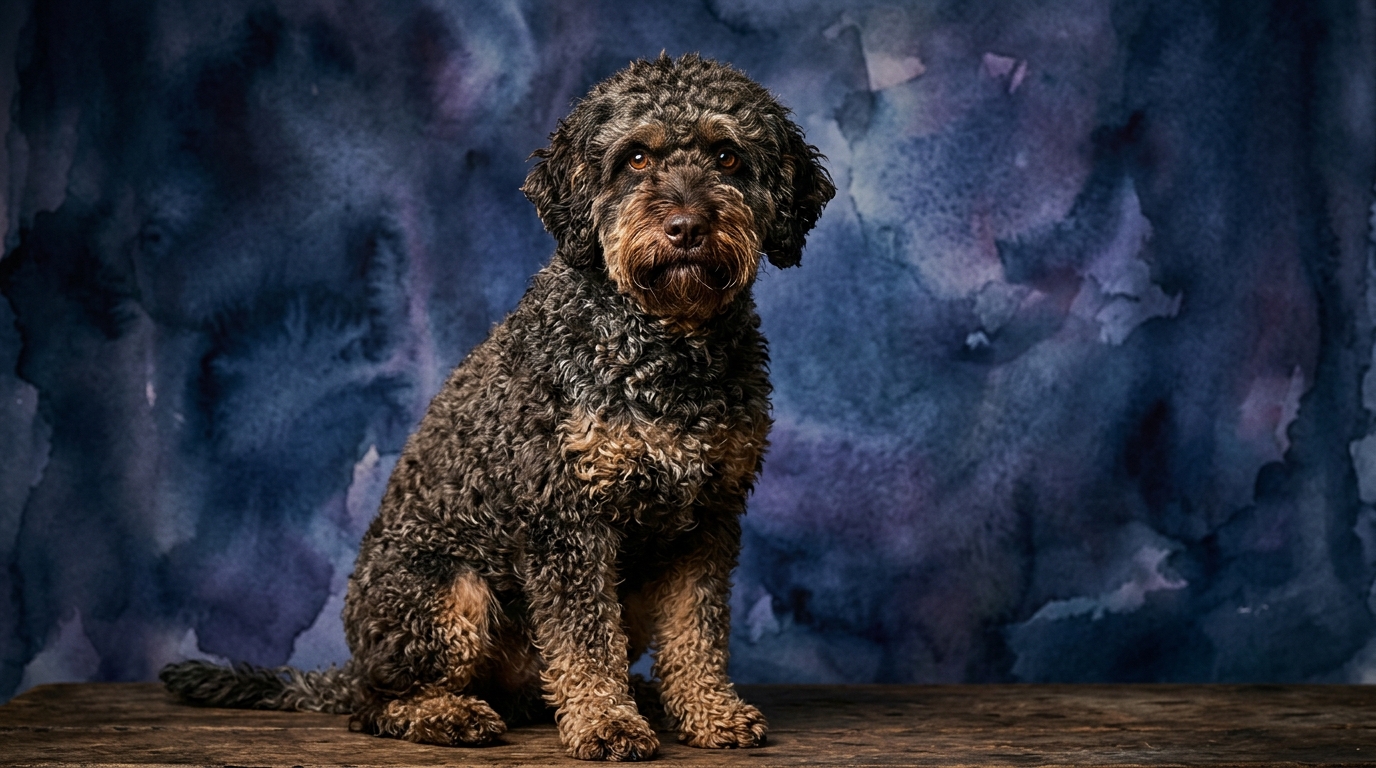
Both the Spanish Water Dog (SWD) and the Wirehaired Pointing Griffon (WPG) exhibit a consistent 3 out of 5 across our five cognitive dimensions, suggesting a baseline of robust, functional intelligence. For the Spanish Water Dog, a breed steeped in centuries of herding and assisting fishermen along the Iberian Peninsula, a 3/5 in problem-solving often manifests as an ability to adapt to varying livestock behaviors, navigate complex terrain, and make independent decisions while managing a flock. Their training speed, also 3/5, speaks to an eager yet sometimes independent spirit, quick to grasp commands but often with their own ideas on execution, rooted in their self-reliant working heritage. Social intelligence at 3/5 means they are attuned to their handler's cues within a working context and can read the body language of other animals, though they might be more reserved with strangers. Their instinctive drive (3/5) is powerfully geared towards herding, retrieving, and guarding, demanding outlets for these innate tendencies. Finally, their memory at 3/5 ensures they retain complex routines, commands, and the spatial awareness needed for their varied tasks.
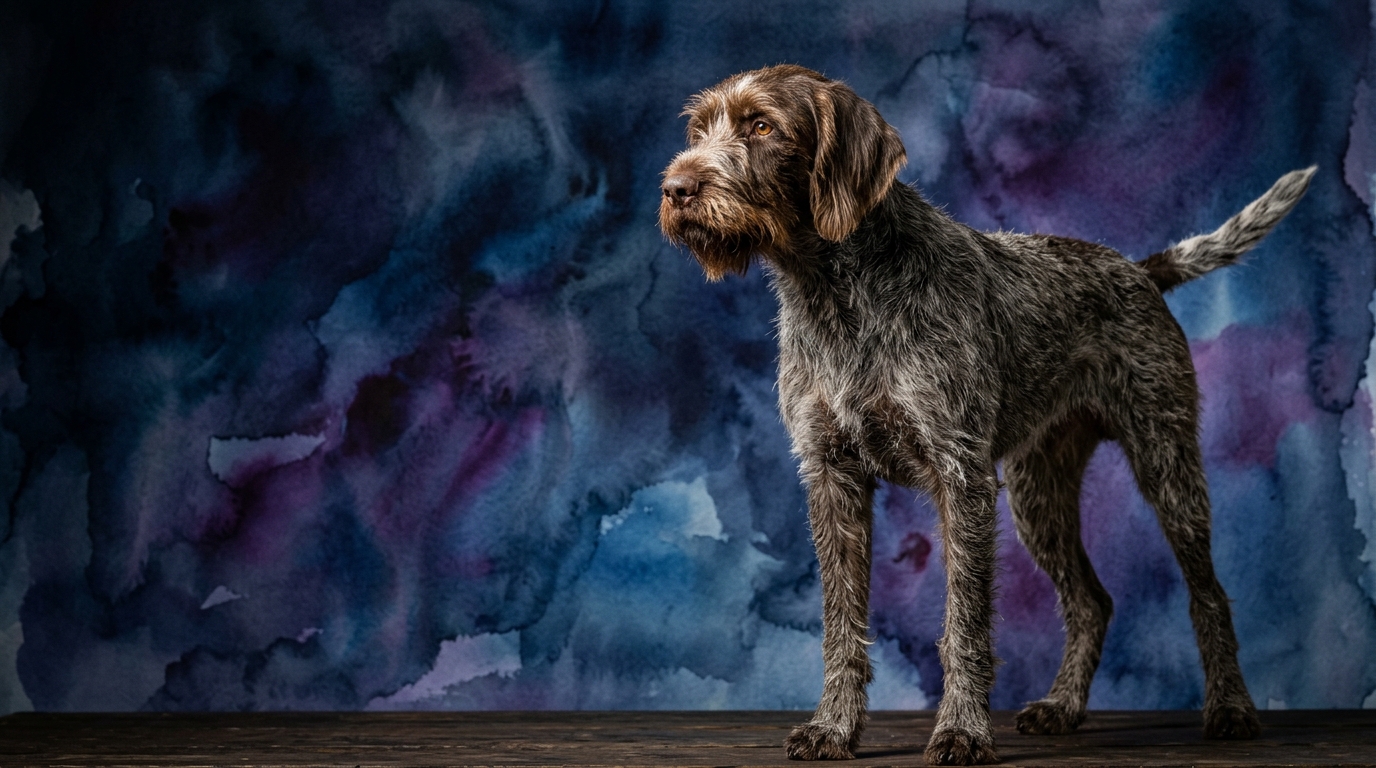
The Wirehaired Pointing Griffon, developed in the Netherlands as the '4x4 of hunting dogs,' also carries a 3/5 score across the board, but these aptitudes are finely tuned for the hunt. Their problem-solving (3/5) shines in deciphering scent trails, strategizing to flush game, and navigating dense cover, demonstrating persistence and ingenuity in the field. A 3/5 training speed for the WPG reflects a cooperative and biddable nature, eager to please their hunting partner, though their intense focus on scent can sometimes make sustained attention challenging outside of their primary drive. Social intelligence at 3/5 means they form strong, cooperative bonds with their human companions, working in tandem during hunts, and are generally amiable, though their priority is often their task. Their instinctive drive (3/5) is a powerful blend of pointing, retrieving, and water work, making them highly motivated by game and field activities. A 3/5 memory allows them to recall intricate hunting patterns, learned commands, and the locations of previous finds, crucial for a successful day in the field.
Where the Spanish Water Dog Shows Distinct Cognitive Strengths
The Spanish Water Dog’s cognitive strengths often lie in its nuanced ability to manage and influence other living beings. While both breeds solve problems, the SWD's problem-solving frequently involves dynamic decision-making in real-time, such as anticipating the movements of a wayward sheep or guiding a flock through a gate. This requires a form of social cognition applied not just to humans, but to livestock, allowing them to exert subtle control and adapt their strategy based on the animals' responses. Their herding drive, a deep-seated instinct, fuels a particular kind of vigilance and spatial awareness, making them adept at monitoring their surroundings and identifying potential disruptions. This cognitive resourcefulness, born from centuries of independent work alongside shepherds and fishermen, means they can often 'figure things out' on their own when a direct human command isn't immediately available, leveraging their memory for past successful strategies in similar situations. This self-sufficiency, while sometimes translating to stubbornness, is a testament to their capacity for independent thought and adaptive behavior in complex, evolving scenarios.
Where the Wirehaired Pointing Griffon Shines Cognitively
The Wirehaired Pointing Griffon's cognitive excellence is particularly evident in its sustained focus and methodical approach to scent work and retrieval. Their problem-solving is often a persistent, iterative process: systematically quartering a field, interpreting subtle changes in scent, and pinpointing game with precision. This requires an exceptional capacity for sensory processing and a tenacious drive to complete a task, often over long periods and challenging terrains. Their social intelligence, while strong, is frequently channeled into a highly cooperative partnership with their human hunter, demonstrating an impressive ability to read subtle hand signals and body language in the heat of the moment, and adjusting their actions accordingly. This close working relationship, built on mutual trust and understanding of roles, highlights their capacity for collaborative problem-solving. Their memory excels in recalling specific locations where game was previously found or where a scent trail was lost and needs to be re-engaged, demonstrating a spatial and olfactory memory that is finely tuned for their sporting purpose. The WPG's cognitive strengths are deeply intertwined with their role as a dedicated, systematic, and highly cooperative hunting companion.
Training Dynamics: Which Breed is Easier and Why?
When considering ease of training, both breeds, with their 3/5 training speed, benefit from consistent, positive reinforcement, but their inherent motivations and potential challenges differ. The Spanish Water Dog, while intelligent and capable of learning complex tasks, can exhibit a strong independent streak, a legacy of their self-reliant herding and working roles. They may question commands or try to 'improve' upon them, requiring a handler who is patient, firm, and understands how to channel their problem-solving nature rather than suppress it. Their herding drive can manifest as nipping or chasing if not properly managed, requiring early and consistent training to redirect these instincts. The Wirehaired Pointing Griffon, on the other hand, typically approaches training with a more eager-to-please attitude, valuing the cooperative bond with their handler. Their challenge often stems from an intense prey drive and olfactory focus; while highly biddable for tasks related to hunting, distractions in the form of alluring scents can momentarily override commands. Training for a WPG often involves managing this powerful instinctive drive and ensuring that their focus remains on the handler even amidst tempting environmental stimuli. Neither breed is inherently 'easier,' but the *nature* of the training challenge—managing independence and herding instincts versus channeling intense prey drive and scent focus—varies significantly.
Matching Breeds to Lifestyles: Active vs. Relaxed Owners
Both the Spanish Water Dog and the Wirehaired Pointing Griffon are undeniably breeds suited for active owners. Their 3/5 instinctive drives demand substantial physical and mental engagement. The Spanish Water Dog, with its herding and water dog background, thrives on activities that challenge its body and mind, such as canine sports like agility, dock diving, or even real-world herding. They require consistent exercise and mental stimulation to prevent boredom, which can lead to undesirable behaviors. A relaxed owner who cannot provide daily outlets for their energy and problem-solving capabilities would likely find the SWD to be a handful, as their cognitive and physical needs are intertwined with their working heritage. Similarly, the Wirehaired Pointing Griffon is a high-energy sporting dog bred for long days in the field. They excel in activities like hunting, field trials, or long hikes, where their powerful scent drive and stamina can be fully utilized. Their need for physical exertion and mental engagement through 'work' is paramount. An owner with a more relaxed lifestyle would struggle to meet the WPG's innate requirements, potentially leading to a frustrated and restless companion. Neither breed is suitable for a truly 'relaxed' owner; both demand an active, engaged lifestyle that can provide consistent opportunities for their cognitive and physical attributes to flourish.
The Verdict
Choose the Spanish Water Dog if you appreciate an independent problem-solver with a strong desire to work, and you are prepared to channel their herding instincts and provide structured, engaging mental and physical outlets.
Opt for the Wirehaired Pointing Griffon if you seek a highly cooperative hunting companion with an unparalleled drive for scent work and retrieval, and you can provide ample opportunities for their sporting instincts to thrive.
🧠 Find Your Pet's IQ Score
Our Pet IQ Lab assessment covers 25+ tests across 5 cognitive dimensions — personalized to your breed.
Take the Full IQ Test →Frequently Asked Questions
Do Spanish Water Dogs make good family pets?
Yes, Spanish Water Dogs can be excellent family pets for active households that understand their need for mental stimulation and physical exercise. They form strong bonds with their families but may be reserved with strangers, requiring early socialization to ensure they are well-adjusted.
Are Wirehaired Pointing Griffons good with children?
Wirehaired Pointing Griffons are generally known for their affectionate and patient nature, making them suitable companions for families with children. However, their high energy levels and strong play drive mean that supervision is always recommended, especially with younger children, to ensure respectful interactions.
What kind of grooming do these breeds require?
The Spanish Water Dog has a unique corded or curly coat that requires specific grooming to prevent matting, often involving professional clipping a few times a year and minimal brushing. The Wirehaired Pointing Griffon has a dense, harsh coat that needs regular brushing to remove loose hair and occasional hand-stripping to maintain its texture and protective qualities.