A Side-by-Side Cognitive Profile
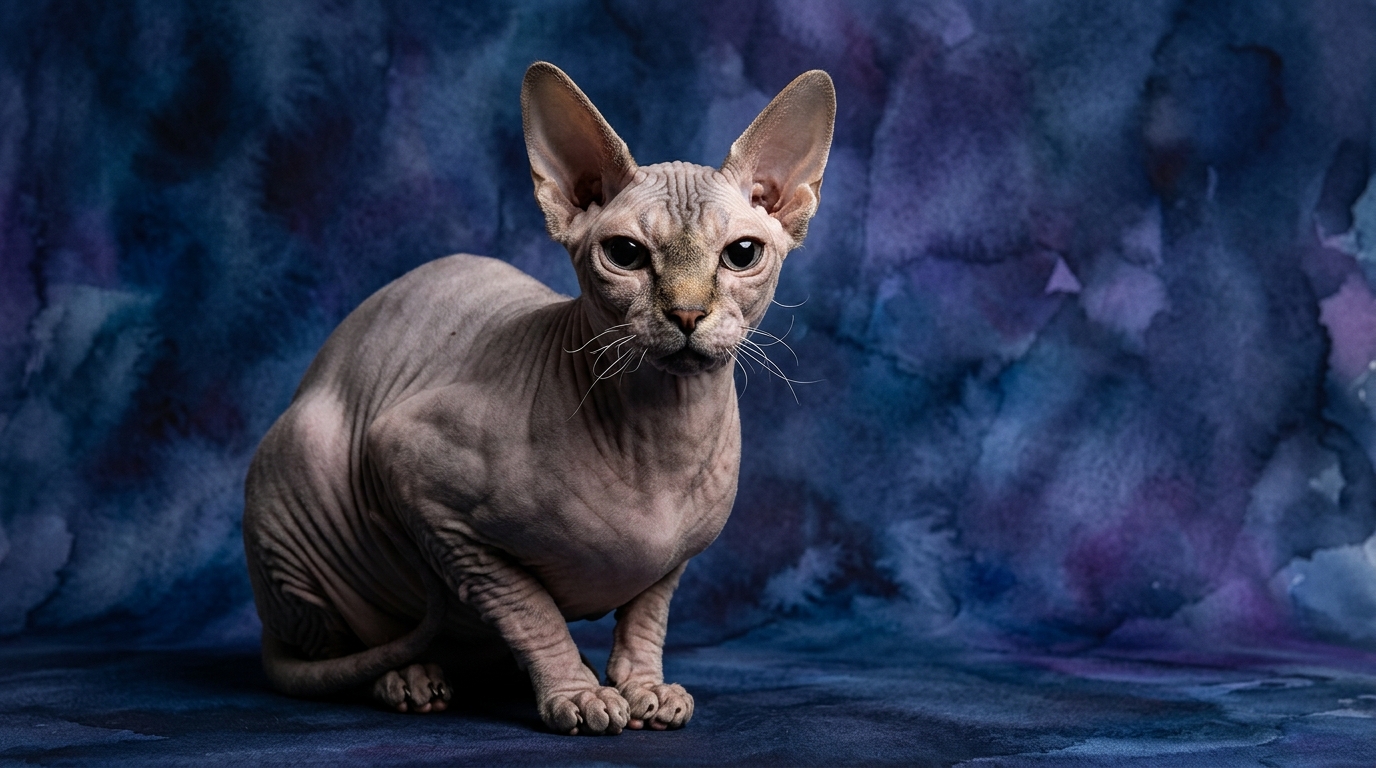
The Cosmic Pet Pet IQ Lab provides a detailed framework for understanding the cognitive dimensions of various companion animals, offering clarity beyond anecdotal observations. For the Sphynx, this framework reveals a cat with a dynamic and highly interactive mind. Their Problem Solving ability rates at a strong 4 out of 5, indicating a capacity for navigating complex situations and figuring out novel solutions. Training Speed also scores 4 out of 5, suggesting they grasp new commands and routines with impressive efficiency. Social Intelligence is where the Sphynx truly shines, earning a perfect 5 out of 5, reflecting a profound understanding of human cues and emotional states. Their Instinctive Drive is a balanced 3 out of 5, while Memory registers a robust 4 out of 5, indicating good retention of experiences and learned behaviors.
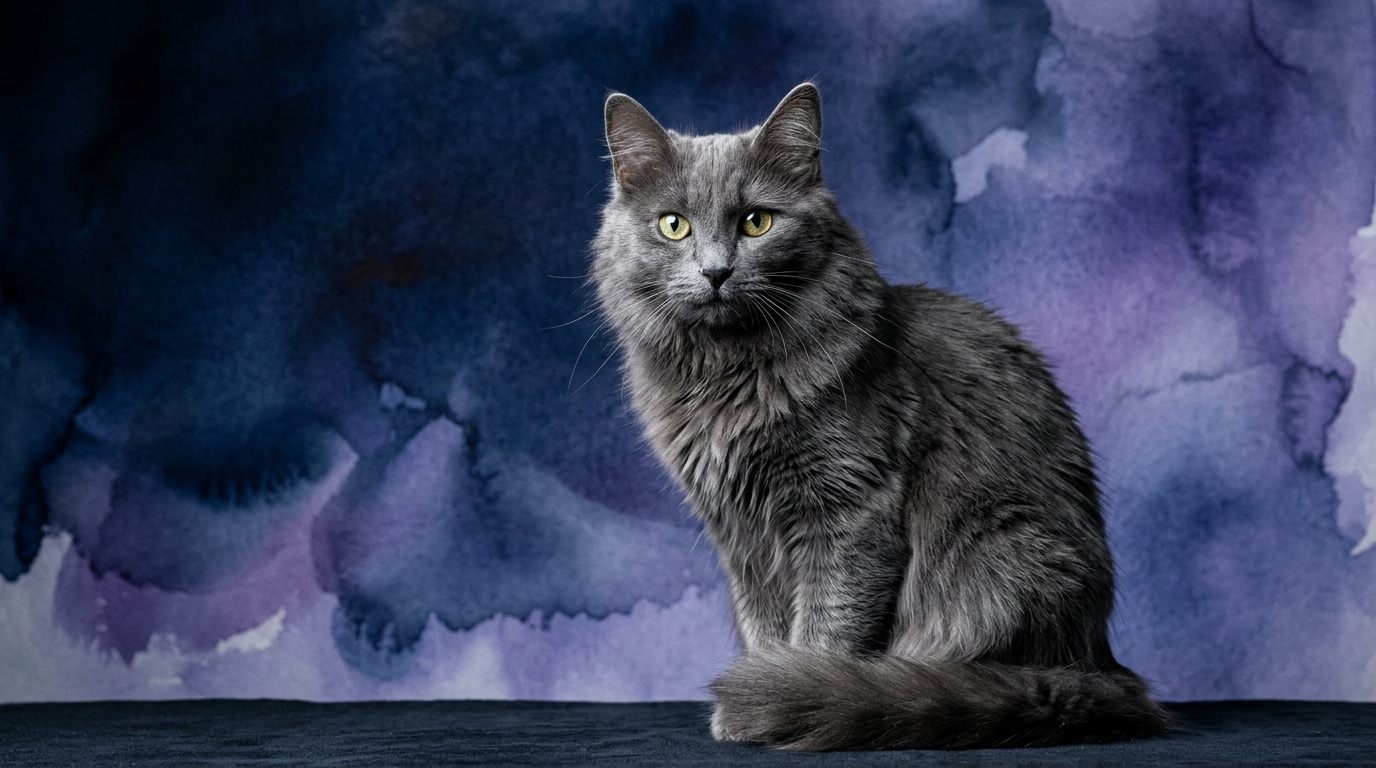
In contrast, the Nebelung presents a more uniformly moderate cognitive profile, suggesting a consistent and steady approach to its environment. Its Problem Solving ability stands at 3 out of 5, showing a functional capacity for tackling challenges, though perhaps with less spontaneous innovation than the Sphynx. Training Speed also scores 3 out of 5, meaning they are receptive to learning but may require more repetition to solidify new skills. Social Intelligence for the Nebelung is rated 3 out of 5, indicating an affectionate nature but perhaps a less overtly expressive or demanding need for constant human interaction. Its Instinctive Drive is also 3 out of 5, mirroring the Sphynx in this domain, and Memory scores a steady 3 out of 5, reflecting a reliable but not exceptionally expansive recall of past events.
Where the Sphynx's Cognition Excels
The Sphynx's cognitive profile demonstrates a clear advantage in several key areas, painting a picture of a mentally agile and highly engaging companion. Its superior Problem Solving (4/5) means a Sphynx is more likely to devise clever ways to access forbidden areas, open cabinets, or manipulate objects to achieve a desired outcome, showcasing a proactive and inquisitive mind. This isn't just about mischief; it reflects a genuine curiosity and an ability to analyze and interact with its surroundings creatively. For instance, a Sphynx might quickly learn to operate a push-button water fountain or figure out how to unlatch a specific door. This cognitive flexibility means they are less likely to be stumped by new environmental challenges and more prone to exploring their world through active experimentation.
Furthermore, the Sphynx's exceptional Social Intelligence (5/5) sets it apart as a breed deeply attuned to human emotion and interaction. This isn't merely about enjoying companionship; it's about a sophisticated ability to read subtle cues, respond empathetically, and actively seek out engagement. A Sphynx might notice when its guardian is feeling down and initiate comforting physical contact, or it could learn complex routines involving multiple people. This profound social awareness translates into a cat that often feels more like a participant in household activities rather than a mere observer, actively seeking to be involved in daily life and forming strong, expressive bonds. Their higher Memory (4/5) also supports this, allowing them to recall specific interactions and preferences of their human companions over time.
Where the Nebelung's Cognitive Profile Offers Unique Advantages
While the Nebelung's scores are consistently moderate, this balanced cognitive profile offers distinct advantages, particularly for those seeking a feline companion with a more understated yet equally fulfilling presence. Its consistent 3 out of 5 across most categories, including Problem Solving, Training Speed, Social Intelligence, and Memory, suggests a predictable and stable mental temperament. This isn't a deficit but rather a preference for a steady, less demanding cognitive engagement. For example, a Nebelung's moderate Problem Solving ability means it's less likely to be constantly testing boundaries or attempting complex escape maneuvers, which can be a 'win' for guardians preferring a calmer, less disruptive household dynamic. They will still learn and adapt, but perhaps with less frenetic energy.
The Nebelung's 3 out of 5 Social Intelligence, while lower than the Sphynx, can be a significant advantage for owners who appreciate a cat that is affectionate without being overwhelmingly clingy. This level of social engagement means the Nebelung enjoys companionship and forms bonds, but it often does so on its own terms, appreciating periods of quiet independence. It might not demand constant lap time or interactive play, but will seek out gentle affection and comfortable proximity. This allows for a harmonious coexistence where the cat is a cherished presence but not the sole focus of daily activity. Their steady Instinctive Drive (3/5), matching the Sphynx, ensures they retain natural feline behaviors like hunting small toys, but without an overly intense or disruptive manifestation.
Training: Engagement vs. Consistency
When it comes to training, the cognitive differences between the Sphynx and Nebelung become quite apparent, influencing both the speed of learning and the approach required. The Sphynx, with its Training Speed of 4/5 and Problem Solving of 4/5, generally proves to be a more eager and quicker learner. These cats often pick up new commands, tricks, or routines with fewer repetitions, thriving on the mental stimulation and social interaction that training provides. Their high social intelligence means they are often motivated by positive reinforcement that involves human praise and attention, making them responsive to clicker training, leash walking, or even learning complex sequences. A Sphynx might quickly learn to fetch a specific toy or respond to its name from across the house because they actively enjoy the collaborative process and the reward of engagement.
The Nebelung, with its 3/5 Training Speed, requires a more consistent and patient approach. While capable of learning, they might not demonstrate the same spontaneous enthusiasm or rapid uptake as a Sphynx. Their moderate problem-solving skills mean they can understand what is being asked, but they may need more structured repetition to solidify the behavior. Training a Nebelung often benefits from shorter, more frequent sessions to maintain their focus. They are less likely to be driven by the sheer novelty of interaction and more by clear, predictable rewards. For instance, a Nebelung might learn to use a scratching post consistently or come when called, but it might take more time and a less varied approach compared to the Sphynx, who might enjoy learning a new trick every week. Their more independent social nature means while they appreciate positive reinforcement, it might not be the sole driving force.
Lifestyle Suitability: Active Engagement vs. Serene Companionship
Understanding the cognitive profiles of the Sphynx and Nebelung is crucial for matching a cat to an owner's lifestyle. The Sphynx, with its high Problem Solving (4/5) and exceptional Social Intelligence (5/5), thrives in an environment that offers consistent mental and social stimulation. These cats are best suited for active owners who are prepared to dedicate significant time to interactive play, training, and direct companionship. They enjoy being part of family activities, engaging in conversations, and exploring new challenges. An owner who works long hours and cannot provide regular engagement might find a Sphynx becomes restless or invents its own, potentially disruptive, forms of entertainment. They are not content to be background pets; they are active participants, often following their guardians from room to room, seeking connection and interaction.
Conversely, the Nebelung's balanced cognitive profile—marked by 3/5 across most dimensions—makes it an ideal companion for owners who prefer a more relaxed yet affectionate feline presence. While they enjoy companionship, their moderate social intelligence means they are less demanding of constant attention and are often content with periods of quiet observation or independent exploration. They suit owners who appreciate a calm household, providing a comforting, serene presence without overwhelming demands for interaction. A Nebelung will enjoy gentle petting and quiet moments on the couch but might not constantly seek the spotlight. They are well-suited for individuals or families who desire a loving pet but have a less active lifestyle or work schedules that don't allow for continuous, high-intensity engagement, offering a harmonious and undemanding companionship.
The Verdict
Choose a Sphynx if you seek a highly interactive, problem-solving companion eager to engage in daily life and training. They thrive on constant social connection and mental challenges.
Opt for a Nebelung if you prefer a serenely affectionate cat, offering consistent companionship without high demands for constant interaction. They fit well into calmer, more predictable routines.
🧠 Find Your Pet's IQ Score
Our Pet IQ Lab assessment covers 25+ tests across 5 cognitive dimensions — personalized to your breed.
Take the Full IQ Test →Frequently Asked Questions
Are Sphynx cats prone to destructive behaviors due to their high problem-solving skills?
Sphynx cats, with their 4/5 problem-solving ability, are certainly capable of figuring out how to open cabinets or manipulate objects. However, this cognitive trait is channeled into constructive engagement through ample play, interactive toys, and training. Without sufficient mental stimulation, their cleverness might lead to exploring boundaries in ways owners find challenging.
Do Nebelung cats bond with their owners despite their moderate social intelligence?
Absolutely, Nebelung cats form strong, affectionate bonds with their owners, even with a 3/5 social intelligence score. Their bonding style is often more subtle and less overtly demanding than breeds with higher social scores, preferring quiet companionship and gentle interactions over constant engagement. They are loyal and loving companions in their own reserved way.
Can a Nebelung be trained to do tricks like a Sphynx?
While a Nebelung's 3/5 training speed means they may learn new behaviors more slowly than a Sphynx, they are certainly trainable. Success with a Nebelung often relies on consistent, patient training sessions using positive reinforcement and finding what truly motivates them, such as specific treats. They can learn tricks, but it may require more dedicated effort and repetition.