Side-by-Side IQ Profile
The Cosmic Pet Pet IQ Lab provides a comprehensive framework to understand feline intelligence across five key dimensions. Let's examine how the Sphynx and Persian cats score in each area, offering a nuanced perspective on their cognitive makeup.
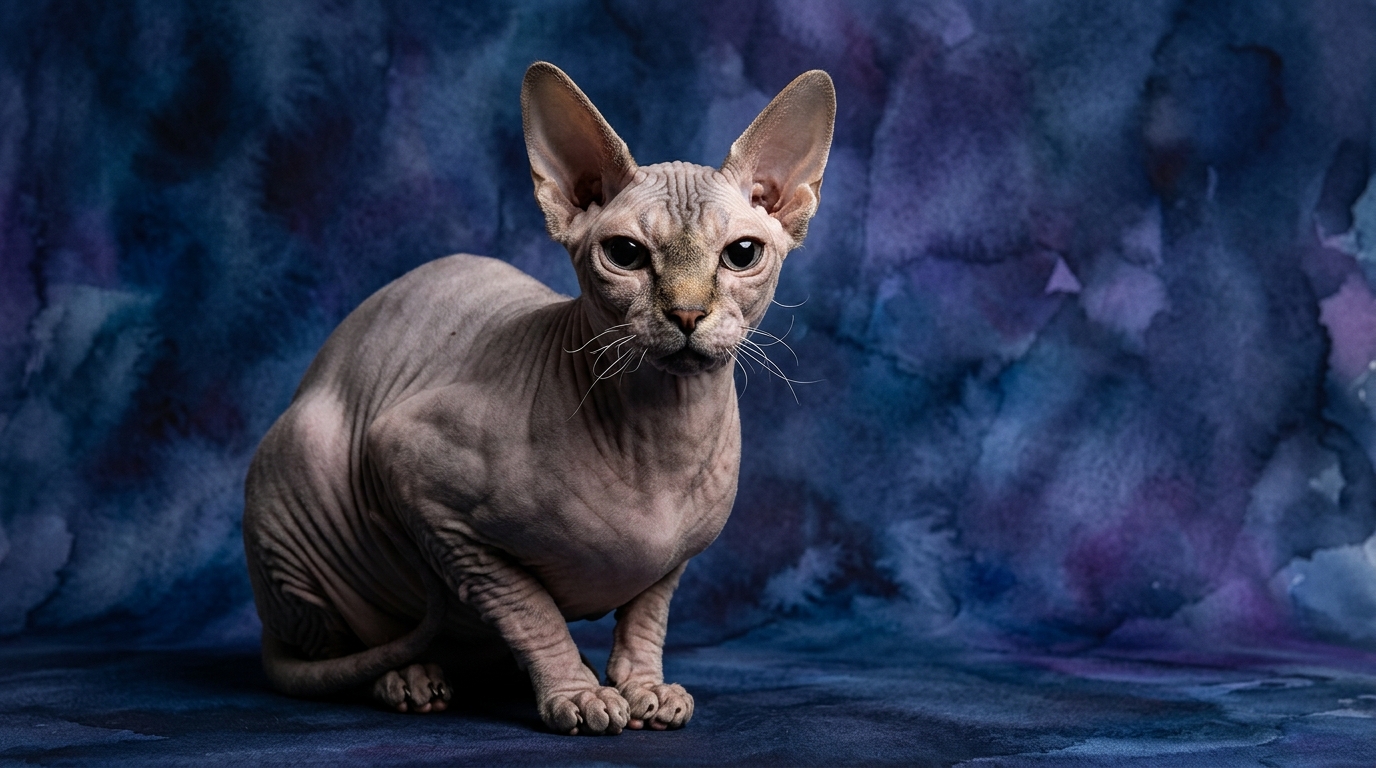
**Sphynx:** This breed generally exhibits a dynamic and engaged cognitive style.
**Problem Solving (4/5):** The Sphynx often exhibits a keen ability to navigate novel situations, figuring out how to open cabinets or access hidden items. Their cognitive flexibility allows them to experiment with solutions and learn efficiently from their environment.
**Training Speed (4/5):** This breed picks up new commands and routines with impressive quickness. Their attentiveness and eagerness to engage with humans translate into rapid learning, making them receptive to various training methods.
**Social Intelligence (5/5):** Sphynx cats excel in understanding and responding to human emotions and social cues. They form deep bonds, actively seeking interaction and often demonstrating a profound awareness of their owner's mood and intentions.
**Instinctive Drive (3/5):** While not intensely predatory, the Sphynx possesses a moderate level of curiosity and playfulness rooted in natural behaviors. This drive manifests in playful pouncing, toy chasing, and enthusiastic exploration.
**Memory (4/5):** With a robust memory, Sphynx cats readily recall specific locations, established routines, and past experiences, contributing to their adaptability and consistent behavior.
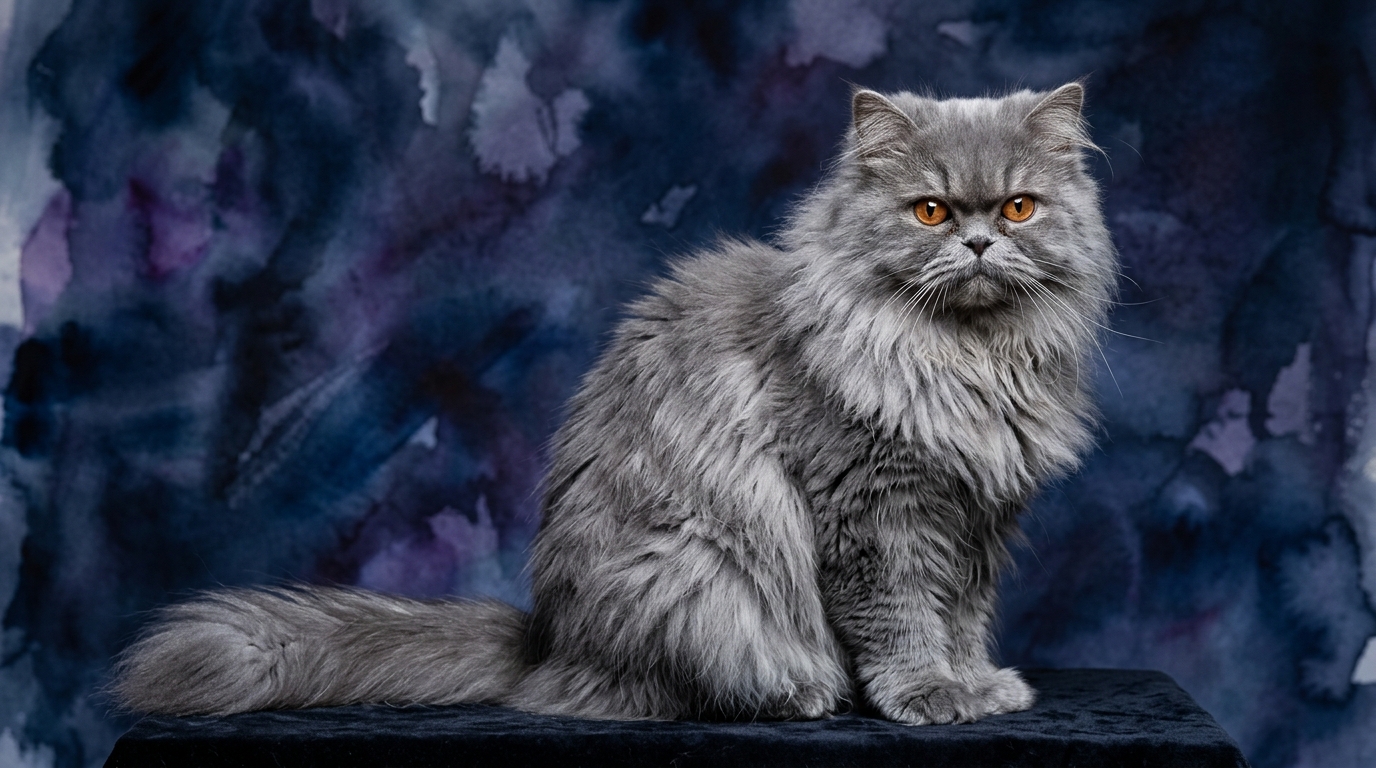
**Persian:** In contrast, the Persian cat typically displays a more serene and routine-oriented cognitive approach.
**Problem Solving (2/5):** The Persian cat typically prefers predictable environments and may not actively seek out or quickly master complex puzzles. They often rely on routine or human assistance rather than intricate self-devised solutions.
**Training Speed (2/5):** While capable of learning, Persian cats generally require more repetition and patience during training. Their learning pace is more deliberate, showing less immediate enthusiasm for acquiring new commands.
**Social Intelligence (3/5):** Persian cats exhibit a moderate level of social awareness, appreciating companionship and forming affectionate bonds. Their interactions are often more understated, valuing quiet presence over constant engagement.
**Instinctive Drive (2/5):** This breed generally displays a lower instinctive drive, meaning their inclination for intense hunting or high-energy exploration is less pronounced. Their play often involves gentle batting or quiet observation.
**Memory (3/5):** Persian cats possess a functional memory for routines, favored resting spots, and primary caregivers. While not highly detailed, it is sufficient for navigating their daily lives and maintaining comfort within their established environment.
Where Sphynx Wins Cognitively
The Sphynx clearly demonstrates superior cognitive agility across multiple domains. Their exceptional **Problem Solving (4/5)** means they are adept at figuring things out, whether manipulating a puzzle toy or strategizing to reach a high shelf. Coupled with a **Training Speed (4/5)** that facilitates rapid learning, Sphynx cats can be taught a wide array of behaviors. Their most distinguishing strength lies in **Social Intelligence (5/5)**. They display an uncanny ability to read human emotions and actively seek complex social interactions, fostering exceptionally deep, attuned relationships. Their **Memory (4/5)** further supports these strengths, allowing them to retain complex sequences and master household routines with ease.
Where Persian Wins Cognitively
While the Persian's cognitive profile might appear less dynamic, their strengths lie in a different kind of intelligence, one that prioritizes tranquility and observational learning. Their **lower Instinctive Drive (2/5)** means they are generally less prone to hyperactive exploration or intense hunting behaviors, leading to a calm demeanor and a preference for serene surroundings. Their **moderate Social Intelligence (3/5)** allows them to form affectionate bonds without demanding constant attention, ideal for owners appreciating a gentle presence. Their **Memory (3/5)** is perfectly suited for remembering established routines and their cozy domain, ensuring security and comfort without needing extensive recall of complex, changing scenarios. The Persian’s cognitive strengths lean towards a quiet, appreciative intelligence thriving on stability.
Which is Easier to Train and Why
Based on their profiles, the Sphynx is demonstrably easier to train. Their **Training Speed (4/5)** is significantly higher than the Persian's (2/5), indicating a much quicker grasp of new commands. This rapid learning is amplified by their high **Social Intelligence (5/5)**, motivating them to please and understand cues. A Sphynx engages enthusiastically, responding well to positive reinforcement. The Persian's slower **Training Speed (2/5)** and more reserved **Social Intelligence (3/5)** mean they require more patience and repetition, with motivation often stemming from comfort and routine rather than complex engagement.
Which Suits Active Owners vs. Relaxed Owners
The distinct cognitive profiles clearly delineate their suitability for different owner lifestyles. An **active owner** seeking a highly interactive, engaging, and trainable feline companion would find the Sphynx ideal. Their high **Problem Solving (4/5)**, rapid **Training Speed (4/5)**, and exceptional **Social Intelligence (5/5)** mean they thrive on mental stimulation, interactive play, and constant social engagement. They require an owner who can dedicate time to play, training, and affectionate interaction, providing the rich environment their complex cognitive needs demand.
Conversely, a **relaxed owner** who appreciates a tranquil, low-maintenance, and independent yet affectionate presence would likely prefer the Persian. Their lower **Instinctive Drive (2/5)** and deliberate **Problem Solving (2/5)** mean they are content with a serene indoor life, not constantly seeking challenges. Their moderate **Social Intelligence (3/5)** means they enjoy companionship without demanding intense, continuous interaction, preferring quiet presence.
The Verdict
Choose Sphynx if: You seek a highly interactive, intellectually curious, and socially astute companion who thrives on engagement, training, and being an active participant in your daily life, embracing challenges and forming deep, expressive bonds.
Choose Persian if: You desire a calm, serene, and affectionate companion who appreciates a predictable routine, offers a comforting presence, and is content with gentle interaction and a tranquil home environment, providing quiet companionship without demanding constant stimulation.
🧠 Find Your Pet's IQ Score
Our Pet IQ Lab assessment covers 25+ tests across 5 cognitive dimensions — personalized to your breed.
Take the Full IQ Test →Frequently Asked Questions
Are Sphynx cats prone to destructive behaviors due to their intelligence?
Sphynx cats' high problem-solving and instinctive drive can lead them to explore and manipulate objects, but this is usually channeled into playful curiosity rather than destructive intent, especially with adequate mental stimulation and interactive toys. Their actions are more about figuring things out than causing damage.
Can a Persian cat be trained to do tricks?
While a Persian cat can certainly learn basic commands and some simple tricks, their slower training speed and preference for routine mean it will require more patience, repetition, and a consistent, gentle approach compared to breeds with higher training aptitude. Success often comes from making training a positive, low-pressure experience.
How do the social needs of Sphynx and Persian cats differ?
Sphynx cats have exceptionally high social intelligence and crave constant interaction, often following their owners and demanding attention; they thrive on being deeply integrated into family life. Persian cats, while affectionate, have moderate social needs, enjoying quiet companionship and presence rather than intense, continuous engagement, often content to simply be near their human.